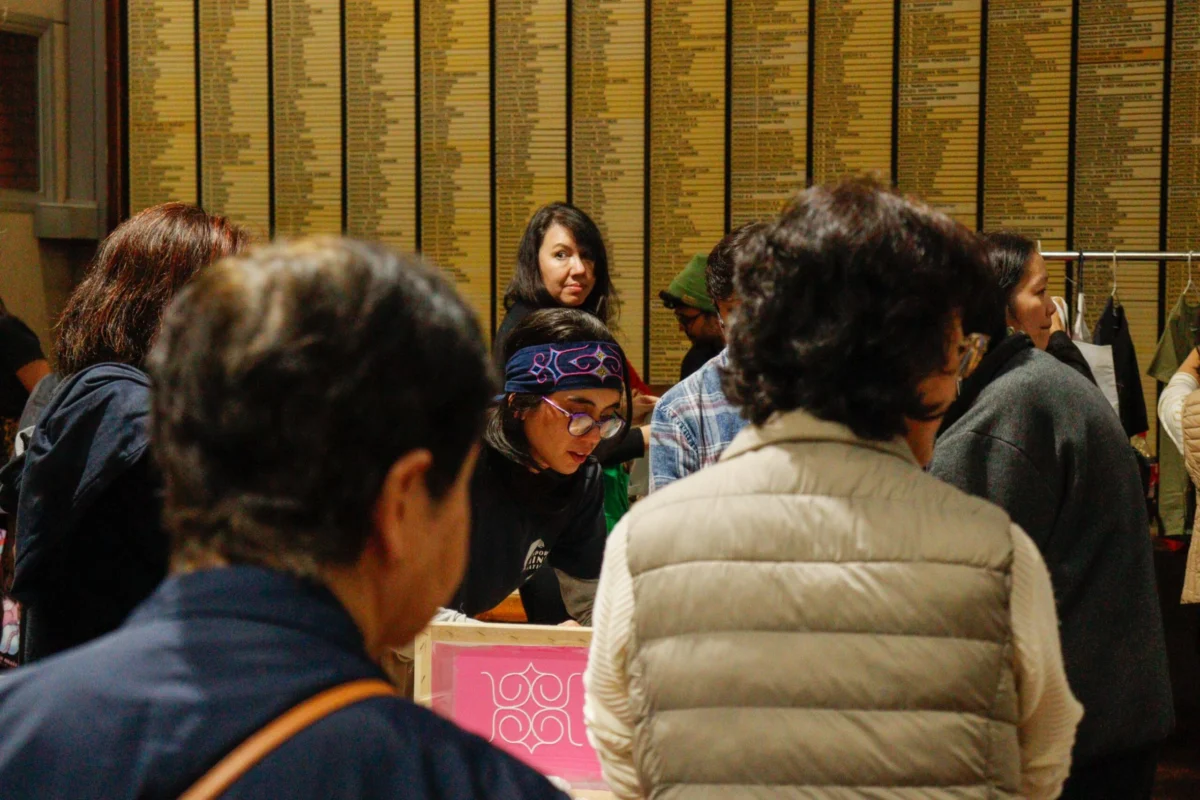
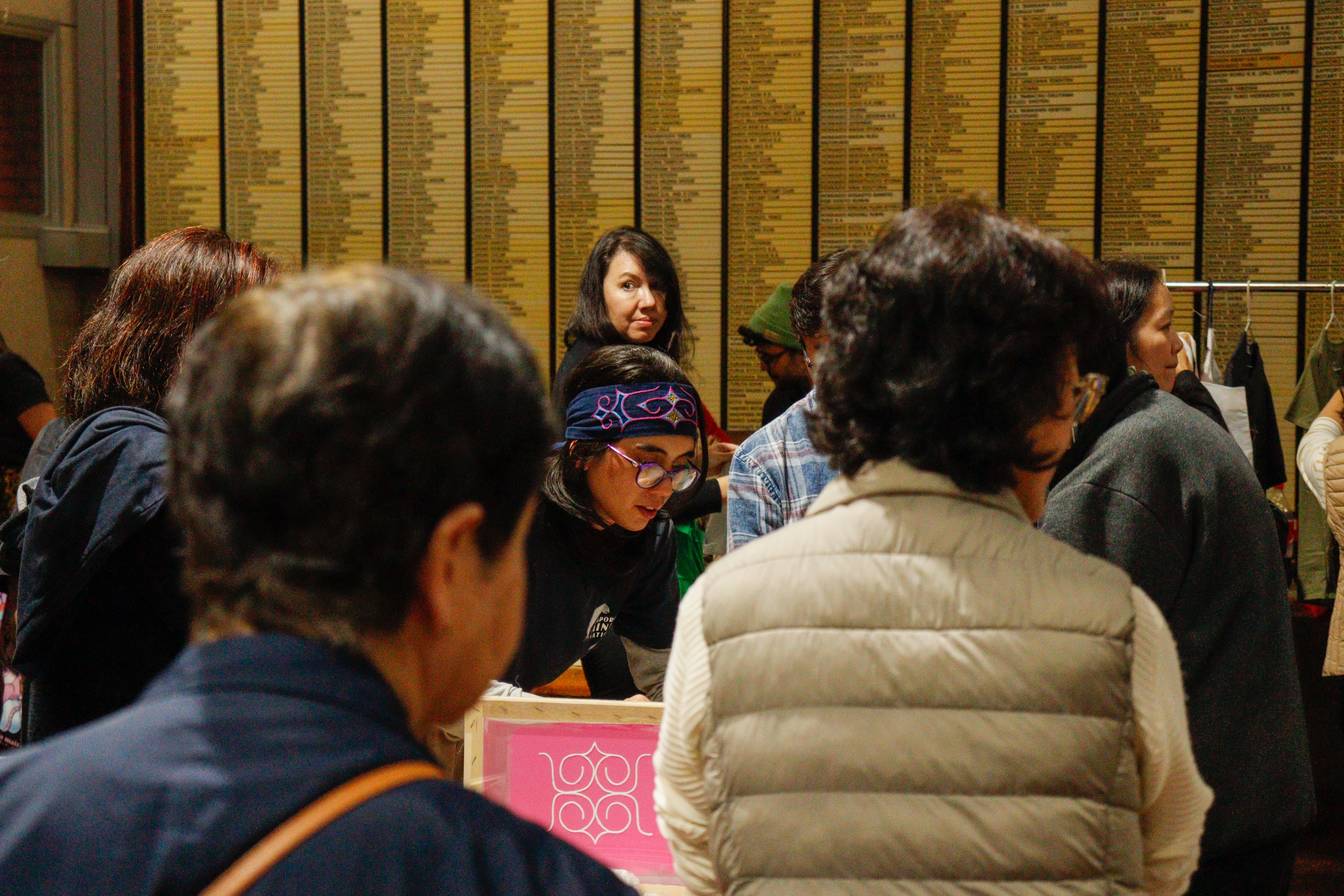
The Hokkaido Association in São Paulo, Brazil, served as the backdrop for a significant cultural convergence on June 27, 2026, hosting a comprehensive Ainu cultural event that featured traditional dance performances, intricate textile painting workshops, and vital panel discussions. Among the day’s highlights was the panel titled "Ainu and Ainu-Renpukuru: Indigenous Peoples of Hokkaido," which featured insights from speakers Allan Yzumizawa, Gabriela Ichii, and Umeno Morita. The discourse centered on core themes of traditional attire, culinary heritage, spirituality, and the enduring, multi-generational impacts of Japanese colonization.
Within this framework, political philosophy scholar and researcher Umeno Morita, an Ainu intellectual, offered a profound examination of family memory, historical trauma, and identity reclamation within the Ainu diaspora in Brazil. Morita’s testimony sheds light on the complex intersections of displacement, the historical violence of the Shindo Renmei fundamentalist leagues, and the necessity of forging political solidarity with Brazilian First Nations.
Main Facts and the Nikkei Context in Brazil
In the broader societal view of Brazil, the Nikkei (Japanese-Brazilian) community is frequently perceived as a monolithic block, characterized by narratives of successful assimilation, upward socioeconomic mobility, and the "model minority" stereotype. However, the lived reality of Ainu individuals navigating this space diverges sharply from this homogeneous perception.
Morita’s family history underscores this divergence. Rooted in the memories of her grandmother—an Ainu woman born in a traditional kotan (village)—the family’s early existence in Brazil was shaped by a profound sense of alienation from mainstream Japanese immigrant circles. Morita’s grandmother frequently recalled the sentiment that "Japan and the Japanese do not like us," a warning echoed by subsequent generations who settled in the agricultural colonies of the interior.
This alienation was not merely cultural; it was historically violent. During the 1940s and 1950s, Japanese-Brazilian colonies in São Paulo and Paraná experienced intense political turmoil following Japan’s unconditional surrender at the end of World War II. Fundamentalist imperialist leagues, most notably the Shindo Renmei (League of the Way of Subjects), emerged as a result of aggressive nationalist propaganda. These organizations utilized lethal violence against individuals deemed defeatists. Because Ainu identity did not conform to the idealized standard of "pure-blood Yamato" ancestry, Morita’s family members faced direct threats, harassment, and social ostracization, being branded with derogatory terms such as "dirty blood."
Faced with this hostility, Morita’s family instituted a strict boundary of separation from the wider Japanese-Brazilian community. Relatives settled across the suburbs of Greater São Paulo—including Carapicuíba, Barueri, São Roque, and Osasco—and intentionally avoided marriages within the Nikkei community, instead forming diverse unions. While commercial and trade interactions were maintained with neighboring Nikkei families, the family’s Ainu heritage was relegated to a hidden world, spoken of only in fragmented, private whispers to protect younger generations from discrimination.
Chronology of Displacement and the Journey to Self-Discovery
The trajectory of the Morita family mirrors a broader chronology of displacement, beginning with forced removal from ancestral lands in Hokkaido to immigration in the Americas, followed by domestic migrations within Brazil, and later, circular migration back to Japan.
- Pre-World War II to 1940s: The family immigrates from Hokkaido, Japan (Ainu-Moshiri), to agricultural colonies in Brazil, establishing roots in Tupã, São Paulo.
- 1940s–1950s: The rise of the Shindo Renmei and other ultranationalist leagues in Japanese-Brazilian colonies brings targeted violence and racialized harassment against non-Yamato families, forcing Morita’s family to flee.
- 1960s: Following subsequent struggles in Astorga, Paraná, the family relocates permanently to the periphery of Greater São Paulo, specifically Carapicuíba, adopting a deliberate strategy of social isolation from mainstream Nikkei associations.
- 1990s–2000s: A new wave of migration sees members of the younger generation—including Morita’s brothers, cousins, and an uncle—participating in the phenomenon of Dekasegi (migrant labor) to Japan, enduring harsh conditions in automotive factories and facing renewed xenophobia.
- 2019: Umeno Morita completes a Master’s degree in Philosophy at the Federal University of São Paulo, analyzing discourses surrounding the "yellow race" in Brazil. A pivotal academic encounter with a footnote detailing Ainu colonization provides the historical key that connects her family’s oral history with the geopolitical reality of Japanese imperialism.
- 2023–2024: Morita travels to Hokkaido on a doctoral research scholarship, spending time at Hokkaido University’s Department of Civil Law and making direct contact with Ainu communities in Shiraoi, Mukawa, and Nibutani, marking the first time a Brazilian diaspora descendant formally reconnects with the ancestral homeland.
- June 2026: Morita speaks at the Hokkaido Association event in São Paulo, publicly cementing the visibility of the Ainu diaspora in South America and calling for material and symbolic reparations.
Cultural Preservation and Spiritual Continuity
Despite the pressures of assimilation and the deliberate silencing of their identity, the Morita family preserved distinct elements of Ainu spirituality and worldview. Central to this continuity is the concept of the Kamuy—the spiritual entities residing in nature, animals, and everyday objects.
Growing up in the Brazilian Atlantic Forest, Morita’s upbringing was infused with daily practices that mirrored traditional Ainu relationships with the environment. Her father’s optical fittings and repair workshop, operating for over four decades, became a physical manifestation of this spiritual craft. In Ainu epistemology, manual labor and the creation of tools imbue objects with spirit. The family’s subsistence farming, foraging, cultivation of wild flowers for ancestral offerings, and expressions of gratitude toward the earth for sustenance functioned as continuous, unstated prayers.

While traditional fauna such as foxes were absent from the Brazilian landscape, the ethos of respect for the ecosystem remained intact. Morita’s academic achievements—culminating in her doctoral research—became a collective endeavor supported by the labor of her brothers in Japanese factories. Today, she combines her scholarly pursuits with traditional Ainu embroidery, viewing each stitch as a weaving of ancestral memory, rural Brazilian life, and spiritual gratitude.
The Intersection of Diaspora and Indigenous Solidarity in Brazil
Navigating Indigenous identity as an immigrant in Brazil requires a critical examination of historical complicity. Historically, the integration of Japanese immigrants into the Brazilian socioeconomic fabric involved a tacit alignment with the dominant white landowner class. By functioning as a "model minority," assimilated Nikkei groups occasionally participated, directly or indirectly, in the marginalization of Brazil’s First Nations and Black populations.
Morita emphasizes that acknowledging Ainu heritage in Brazil cannot occur in a vacuum; it demands a rigorous accounting of colonial structures. By "indigenizing" their diaspora identity, Morita and her community seek to dismantle the legacy of obedience to oppressive state powers.
In recent months, Morita’s engagement with prominent Brazilian Indigenous intellectuals—such as Casé Angatu of the Tupinambá people and Angel Yraê of the Payayá people—has highlighted shared struggles against global colonial violence, land dispossession, and state erasure. These encounters have galvanized a sense of historical responsibility, prompting diaspora Ainu to direct their political solidarity toward supporting the ongoing struggles of Brazil’s Indigenous populations, who face continuous threats from agribusiness and systemic inequality.
Broader Impact and Implications
The public articulation of Ainu identity by Umeno Morita and the Hokkaido Association marks a paradigm shift for the global diaspora. It challenges the monolithic narratives constructed by both the Japanese state and host countries like Brazil, exposing the long-term consequences of imperial annexation and forced migration.
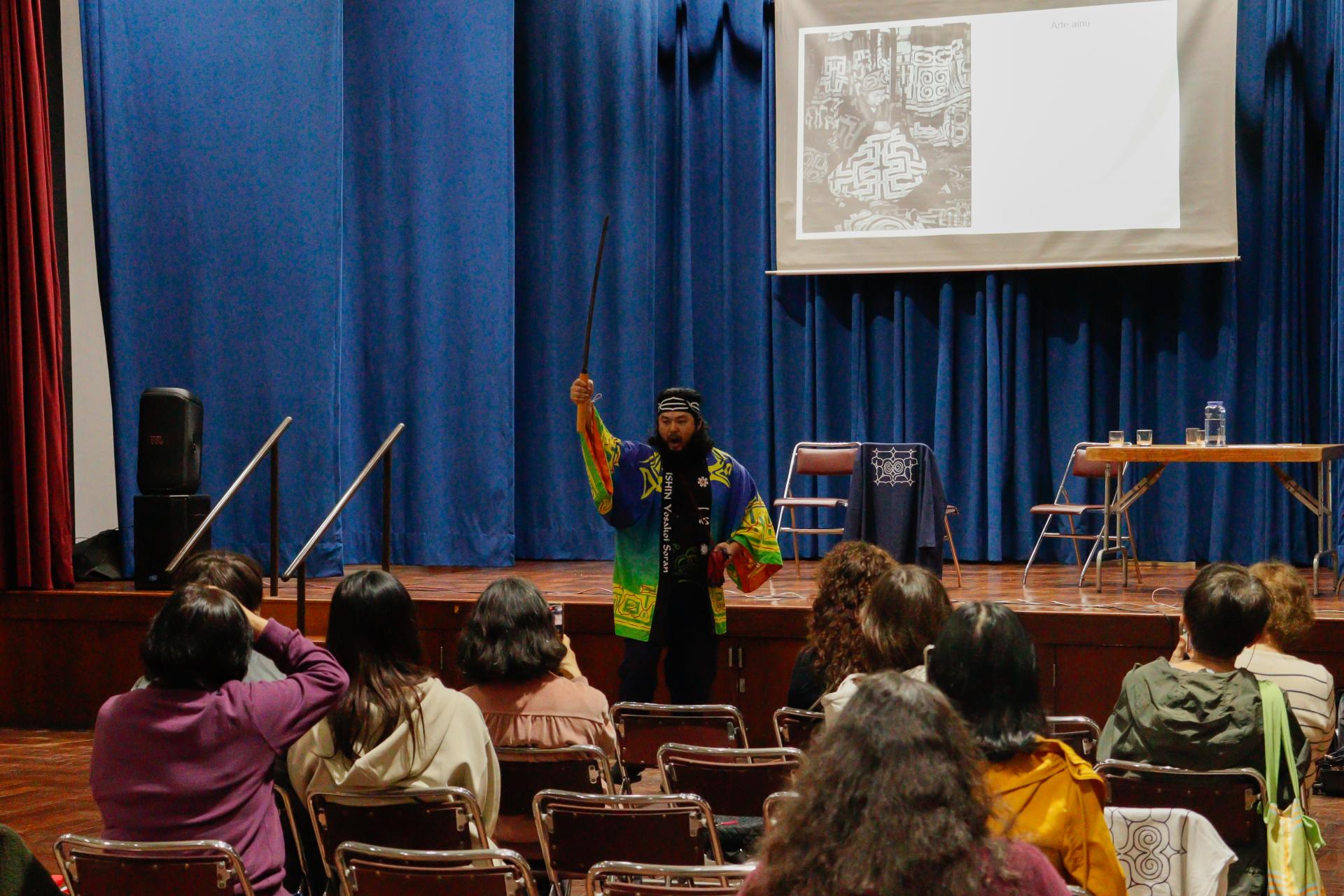
The implications of this movement are twofold. First, it establishes a formal bridge between Ainu communities in Hokkaido and diaspora members in South America, asserting the right of displaced populations to access their ancestral heritage, oral histories, and geographic roots. Second, it redefines the political obligations of minority groups in the Global South, moving away from passive assimilation and toward active solidarity with local Indigenous liberation movements.
As Morita continues her work in bridging these worlds, the message to future generations remains clear: affirming Ainu identity in the diaspora is an act of confrontation against historical erasure, a reckoning with intergenerational trauma, and an enduring commitment to justice across borders.