
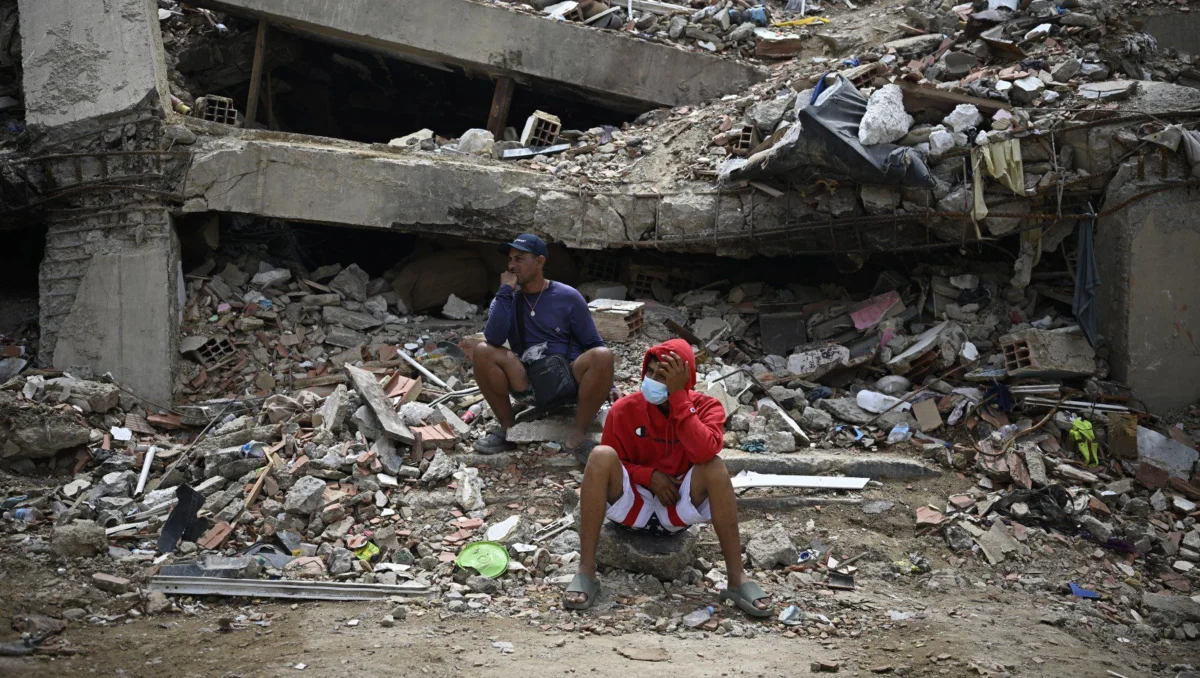
A Chronology of Seismic Devastation
The crisis began in the late hours of June 24, when the initial tremors shattered the structural integrity of residential and public buildings. The sheer force of the event overwhelmed local emergency response mechanisms, which were already operating under the strain of systemic economic instability. In the hours and days that followed, the region experienced a continuous barrage of seismic activity. By July 7, reports from the humanitarian sector confirmed the severity of the damage, noting that the destruction of critical infrastructure—including hospitals, electrical grids, and housing—had paralyzed essential services in the most affected states.
By mid-July, the toll had reached staggering proportions. Current data from official humanitarian situation reports indicate that at least 5,200 people have perished, while approximately 16,700 individuals have sustained injuries requiring urgent medical intervention. Despite the heroic efforts of local search-and-rescue teams, who have successfully extracted over 6,000 survivors from the rubble, thousands remain missing, buried beneath the ruins of what were once homes and businesses.
The Magnitude of Human Suffering and Displacement
The physical destruction is inextricably linked to a profound housing crisis. Approximately 18,000 people have been rendered homeless, a figure that is expected to rise as structural assessments of damaged buildings continue. For a population already grappling with years of hyperinflation, wage stagnation, and a lack of access to basic social safety nets, this displacement represents a total loss of stability.
The survivors are now facing a dire combination of needs: urgent medical care, psychological trauma support, access to clean water, sanitation, and nutritional assistance. In the temporary shelters established in the aftermath, the lack of resources is palpable. Many families face an uncertain future, as the destruction of their homes has eliminated their primary means of shelter and security in an environment where the cost of living remains prohibitively high for the average citizen.
HIAS and the Humanitarian Response
For 18 years, HIAS has maintained a presence in Venezuela, providing essential services to both local citizens and displaced populations. Following the June 24 disaster, the organization immediately pivoted its operational focus to address the acute needs of the affected communities. Working in coordination with the broader humanitarian system and local government authorities, HIAS has implemented a multi-faceted response strategy.
The organization’s immediate priority is the integration of mental health and psychosocial support into existing emergency frameworks. This includes providing direct psychological first aid (PFA) training to local responders and caregivers, ensuring that those on the front lines of the crisis are equipped to address the trauma of survivors. HIAS is currently operating in the Distrito Capital, as well as the states of Miranda and La Guaira, where they are providing case management, essential supplies, and direct aid to the most vulnerable individuals, including children, women heads of households, and the elderly.
Furthermore, HIAS is actively coordinating with local Jewish community organizations to facilitate the distribution of emergency supplies, such as potable water, food, and hygiene kits. This collaborative approach ensures that resources reach the most inaccessible areas, filling gaps in the national response effort.
The Pre-Existing Humanitarian Landscape
To understand the full impact of the earthquakes, one must examine the state of Venezuela prior to June 24. For years, the nation has been defined by complex political and economic challenges that have severely restricted the population’s access to medicine, food, and education. Significant portions of the population experience moderate to severe food insecurity, and the erosion of the middle class has forced millions into poverty.
Before the seismic disaster, the humanitarian community was already struggling with funding shortages and global policy shifts that led to significant cuts in international aid. The earthquakes did not occur in a vacuum; they struck a population that was already operating at a survival threshold. The destruction of homes and clinics has effectively undone years of progress in public health and infrastructure, forcing humanitarian agencies to rethink their strategies in a climate of extreme resource scarcity.
Societal Implications and Long-Term Vulnerabilities
The destruction of schools and health facilities creates a secondary wave of consequences. Without functional clinics, the management of chronic conditions—such as diabetes or hypertension—becomes impossible, leading to a potential surge in preventable deaths. The disruption of education for children, many of whom have already faced years of inconsistent schooling, threatens to create a generational gap in human capital development.
Furthermore, the vulnerability of specific groups has been significantly heightened. Women and girls, who were already at a higher risk of gender-based violence, now face even greater threats due to the lack of secure housing and the breakdown of community protection structures. HIAS’s continued focus on protection programs, including the prevention of violence and the support of survivors, is critical to ensuring that the post-earthquake recovery does not result in a permanent degradation of human rights protections.
Collaborative Coordination and Strategic Priorities
The complexity of this crisis necessitates a high level of cooperation. HIAS remains an integral part of the humanitarian coordination system, working alongside domestic and international partners to ensure a unified response. Their strategy encompasses:
- Healthcare Integration: Ensuring that emergency medical assistance includes comprehensive mental health services, recognizing that trauma recovery is essential for the long-term rehabilitation of the affected population.
- Economic Empowerment: Recognizing that the loss of livelihoods is a major barrier to recovery, HIAS continues to explore initiatives that support the economic resilience of displaced families.
- Inclusive Assistance: Prioritizing aid for the most marginalized groups, including indigenous communities, people with disabilities, and those currently in transit or returnee status.
Addressing the Funding Gap
As the situation continues to evolve, the demand for international solidarity remains high. The recent earthquakes serve as a stark reminder of how vulnerable infrastructure and populations are to natural disasters in regions already suffering from political and economic instability. International aid organizations are calling for increased support, noting that the "new" emergency is, in reality, an escalation of an existing, long-term catastrophe.
Donations to organizations like HIAS are currently being directed toward life-saving interventions, including the procurement of emergency shelter materials, the scaling up of psychosocial support teams, and the strengthening of supply chains for essential food and medicine. The goal is not merely to provide immediate relief, but to build a foundation for recovery that can withstand the compounding pressures of a fragile economy and a changing climate.
Conclusion: A Path Forward
The path to recovery for Venezuela will be long and arduous. With thousands still missing and tens of thousands displaced, the immediate focus remains on humanitarian survival. However, the dedication of local and international organizations offers a glimpse of resilience. By leveraging deep-rooted community ties and a long history of intervention, groups like HIAS are ensuring that the most vulnerable are not left behind as the country attempts to process the magnitude of this tragedy.
The seismic event of June 2026 will undoubtedly be remembered as a turning point in the country’s history. Whether this disaster catalyzes a more robust, internationally supported humanitarian framework remains to be seen. In the meantime, the work continues—one survivor, one meal, and one session of psychosocial support at a time—to restore a sense of dignity and safety to a nation in crisis. As the country looks toward the future, the integration of long-term sustainable development with immediate disaster relief will be the defining challenge for all stakeholders involved. The international community is reminded that humanitarian aid is not merely a charitable act, but a necessary pillar of global stability in an increasingly unpredictable world.




