
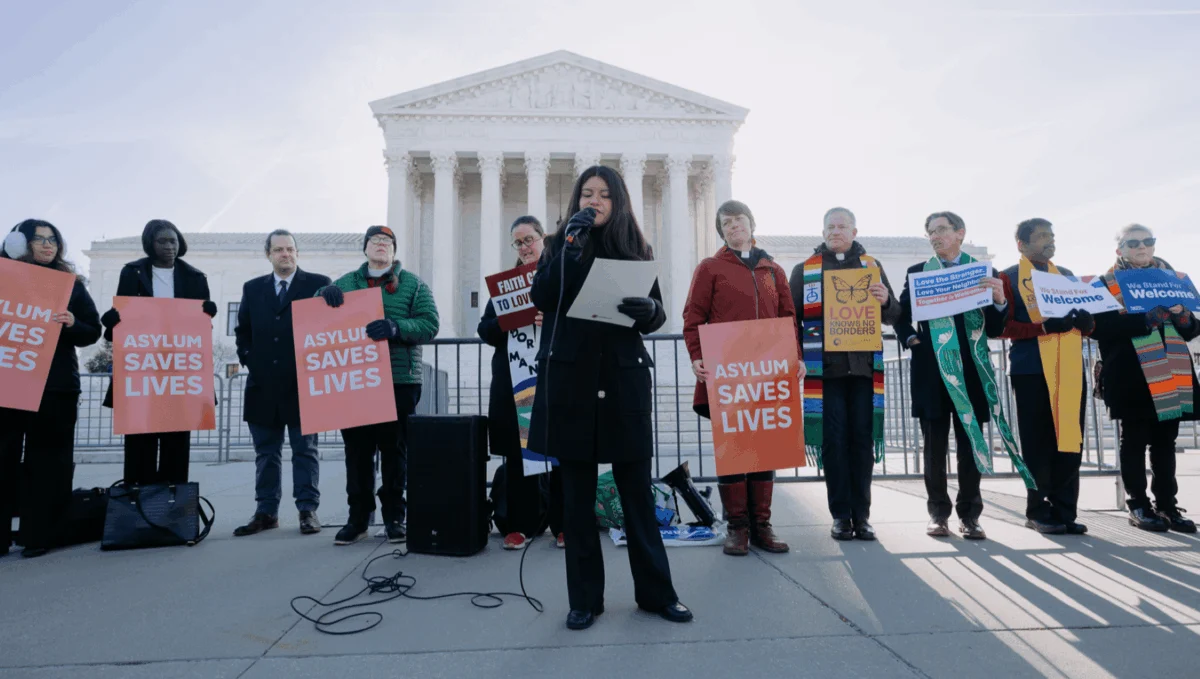
Since the inauguration of President Trump’s second term in January 2025, the U.S. asylum apparatus—a system historically anchored in the 1951 Refugee Convention—has undergone a radical and rapid transformation. Through a series of executive orders, regulatory shifts, and legislative maneuvers, the current administration has effectively curtailed the legal pathway for individuals fleeing persecution based on race, religion, nationality, political opinion, or membership in a particular social group. For humanitarian organizations like HIAS, the current landscape represents the most significant challenge to the right to seek asylum in the 120-year history of the agency.
A Chronology of Policy Shifts
The administration’s approach to immigration has been characterized by a multi-front strategy designed to close access points at the border, introduce financial and procedural barriers for those already in the country, and exert influence over the judicial process.
The shift began in the early months of 2025 with an executive order that effectively shuttered the U.S.-Mexico border to asylum seekers. This policy, justified by the administration under the banner of "national security," circumvented established protocols that allowed individuals to present themselves at ports of entry to claim fear of return. By mid-2025, Congressional allies introduced and passed legislation that introduced unprecedented fee structures. For the first time in modern U.S. history, asylum seekers were required to pay application fees, along with additional costs for work authorization and recurring annual fees while their cases remained pending.
By the summer of 2025, the Executive Office for Immigration Review (EOIR) began issuing policy memoranda that fundamentally altered the adjudication process. Notably, the introduction of "pretermission" allowed immigration judges to dismiss claims on procedural grounds—such as missing forms or alleged deficiencies in the application—without holding a full evidentiary hearing. By the winter of 2025, reports from the field indicated that ICE enforcement had expanded significantly, with agents frequently operating near immigration courts, leading to widespread "no-show" rates as applicants feared arrest upon entering the justice system.
Statistical Impacts and Human Costs
The implications of these policies are reflected in both the rising death tolls within detention facilities and the thinning of the asylum docket. According to tracking data, more than 50 individuals have died in ICE custody since the start of the administration’s second term. Beyond the loss of life, the reliance on prolonged detention has created a "coercion by attrition" model. With new policies barring judges from releasing detainees during the lengthy adjudication process, many asylum seekers are left in indefinite detention.
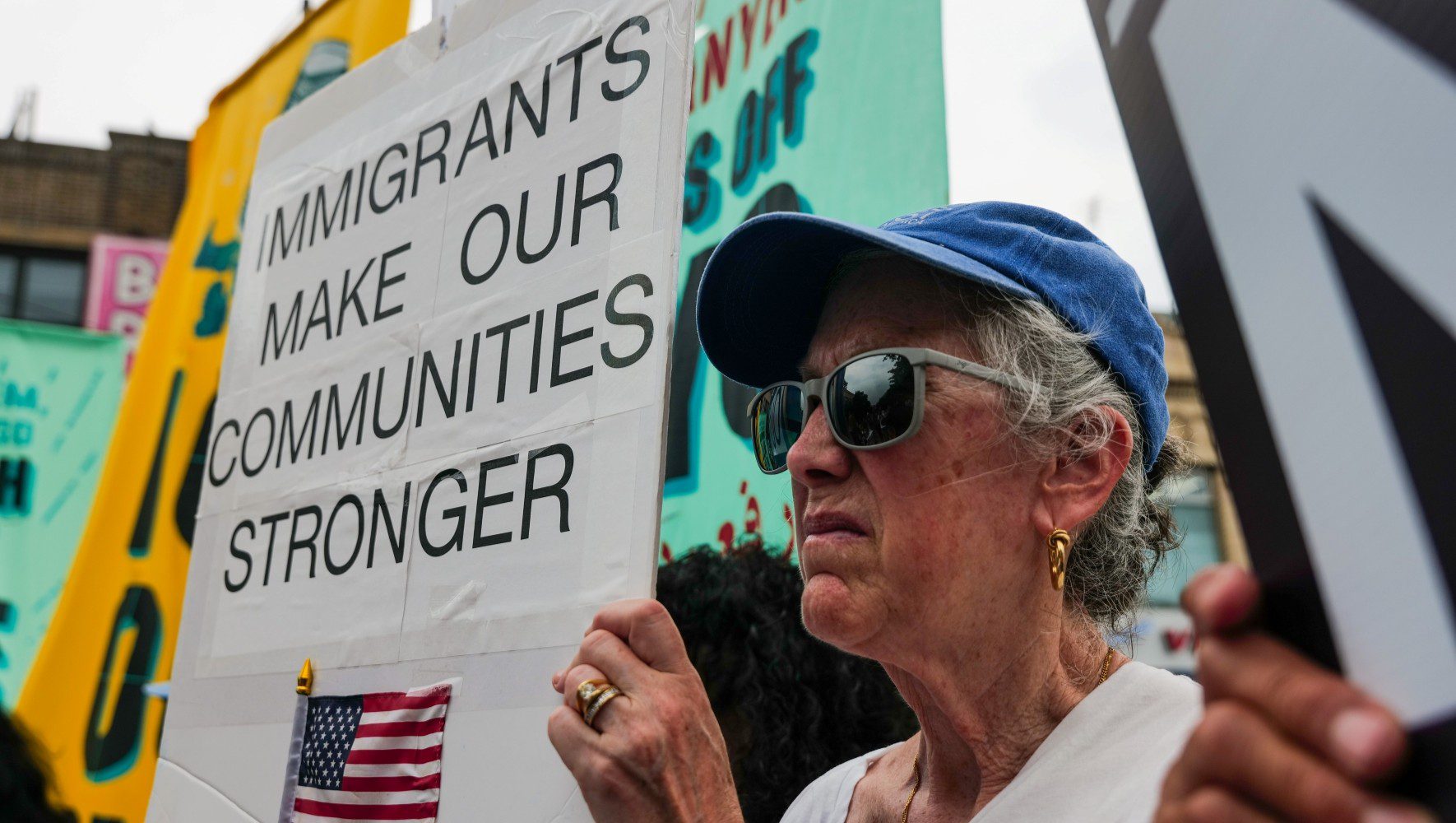
Legal experts note that the combination of these factors has created a chilling effect on the asylum process. When applicants are faced with the choice of remaining in, at times, life-threatening detention conditions or abandoning their claims to be deported, many choose the latter. Furthermore, the administration’s pivot toward "third-country removals"—sending individuals to nations where they have no ties or where they may still face persecution—marks a departure from established international humanitarian norms.
The Judicial and Administrative Overhaul
A critical component of the administration’s strategy has been the wholesale restructuring of the immigration bench. The systematic replacement of long-serving immigration judges with new appointees, coupled with rigorous training programs focused on high-volume denial rates, has created an environment where the merits of a claim are often secondary to the procedural objective of rapid deportation.
Legal challenges have been frequent. Organizations such as HIAS have filed multiple lawsuits against the Department of Homeland Security (DHS) and USCIS, particularly regarding the rule that eliminates the guarantee of an interview with an asylum officer. These interviews historically served as a vital initial filter to determine the credibility of a claim; their removal shifts the burden of proof entirely onto a backlogged court system that is increasingly hostile to the applicant.
Implications for the U.S. Refugee Framework
The systemic shift toward exclusion carries profound implications for the United States’ role in international humanitarian law. The 1951 Refugee Convention was established to ensure that nations provide sanctuary to those in dire need. Critics argue that by reclassifying the asylum process from a humanitarian obligation to a criminal justice-adjacent burden, the U.S. is effectively abandoning its commitments to international human rights.
Data from the American Immigration Council and other policy watchdogs suggest that the administration’s claim that these measures enhance national security lacks empirical support. Conversely, the removal of due process protections has created a more volatile system. When the legal path to asylum is closed, the incentive for irregular migration increases, and the capacity for the government to track and process individuals in an orderly fashion diminishes.
The Role of Advocacy and Legal Resistance
In response to these developments, non-governmental organizations are focusing on three primary areas: litigation, legal representation, and public advocacy. Lawsuits challenging the legality of "pretermission" and the denial of asylum interviews remain central to the effort to keep the asylum system functional. Simultaneously, legal aid groups are struggling to provide counsel to a population that is increasingly being detained in remote locations, often without access to telephones or legal resources.
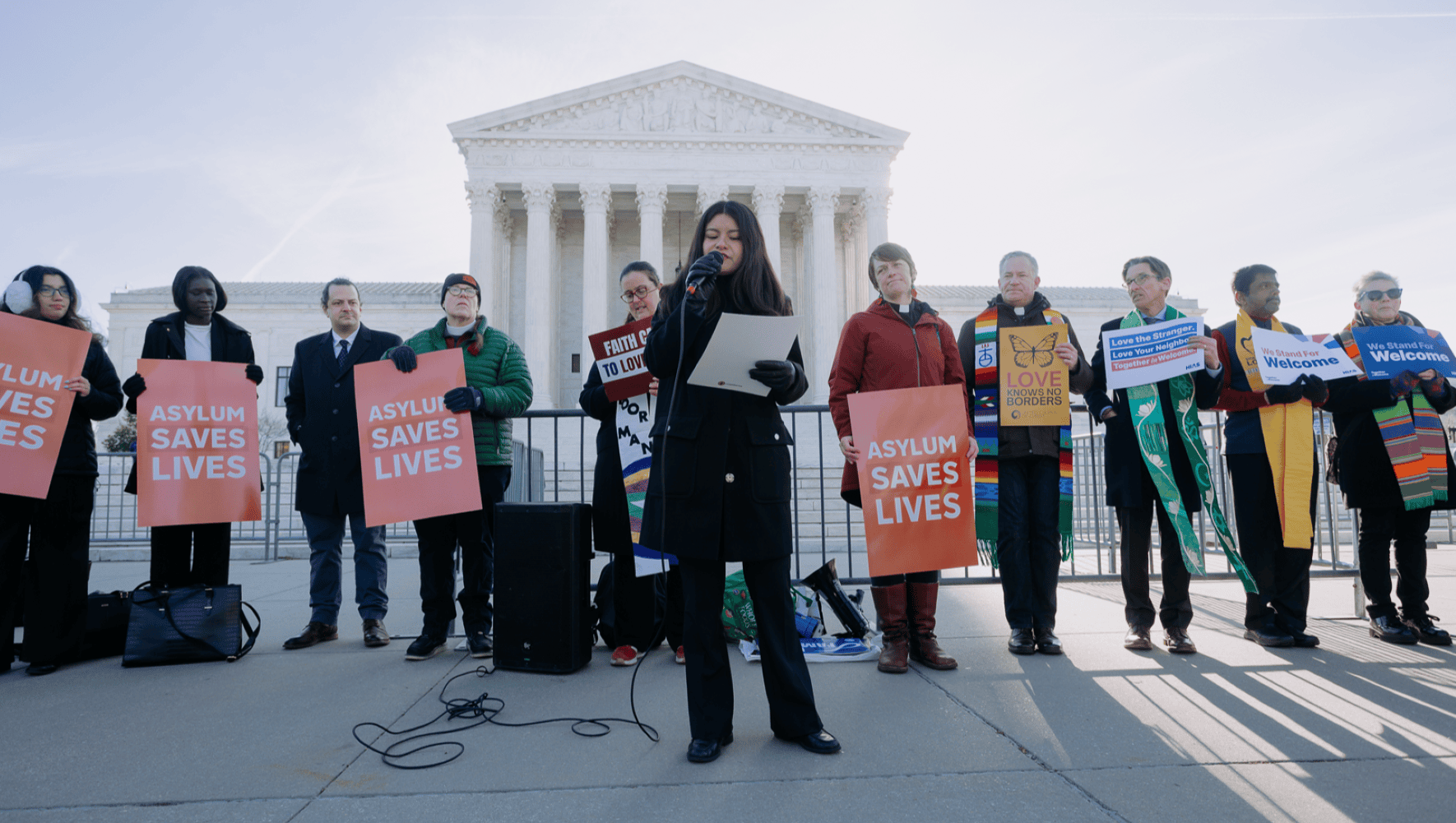
The psychological impact on the immigrant community is equally significant. As ICE enforcement moves deeper into the interior of the country, the neighborhood-level infrastructure—such as the protests observed in Queens, New York, in August 2026—serves as a barometer for the broader societal unease. The presence of agents at courthouses has particularly disrupted the administration of justice, as even those with legitimate, non-criminal claims are now avoiding the very institutions designed to hear their pleas.
Looking Ahead: The Future of Asylum
As of late 2026, the trajectory of U.S. immigration policy appears set on further restricting access. The administration’s focus on third-country removals suggests a future where the U.S. seeks to outsource its asylum obligations to regional partners, many of whom lack the infrastructure to provide adequate protection.
For the legal and humanitarian community, the task is to maintain the integrity of the asylum claim process despite the systematic obstacles. The ongoing litigation, such as the challenges surrounding the recent USCIS rules, will likely reach higher appellate courts in the coming year, potentially setting long-term precedents for the executive branch’s authority over immigration.
Ultimately, the current state of the asylum system serves as a defining issue for the second half of the decade. The shift from a rights-based framework to one of deterrence and procedural dismissal reflects a fundamental change in how the U.S. defines its responsibilities to the global displaced population. As HIAS and other advocates continue to mobilize, the debate over whether the U.S. remains a nation of sanctuary or one of total exclusion remains the central, unresolved question of the current political era. The resilience of the asylum system now depends on a delicate balance between executive mandates and the ability of the judiciary and civil society to preserve the fundamental human right to seek safety from persecution.




