
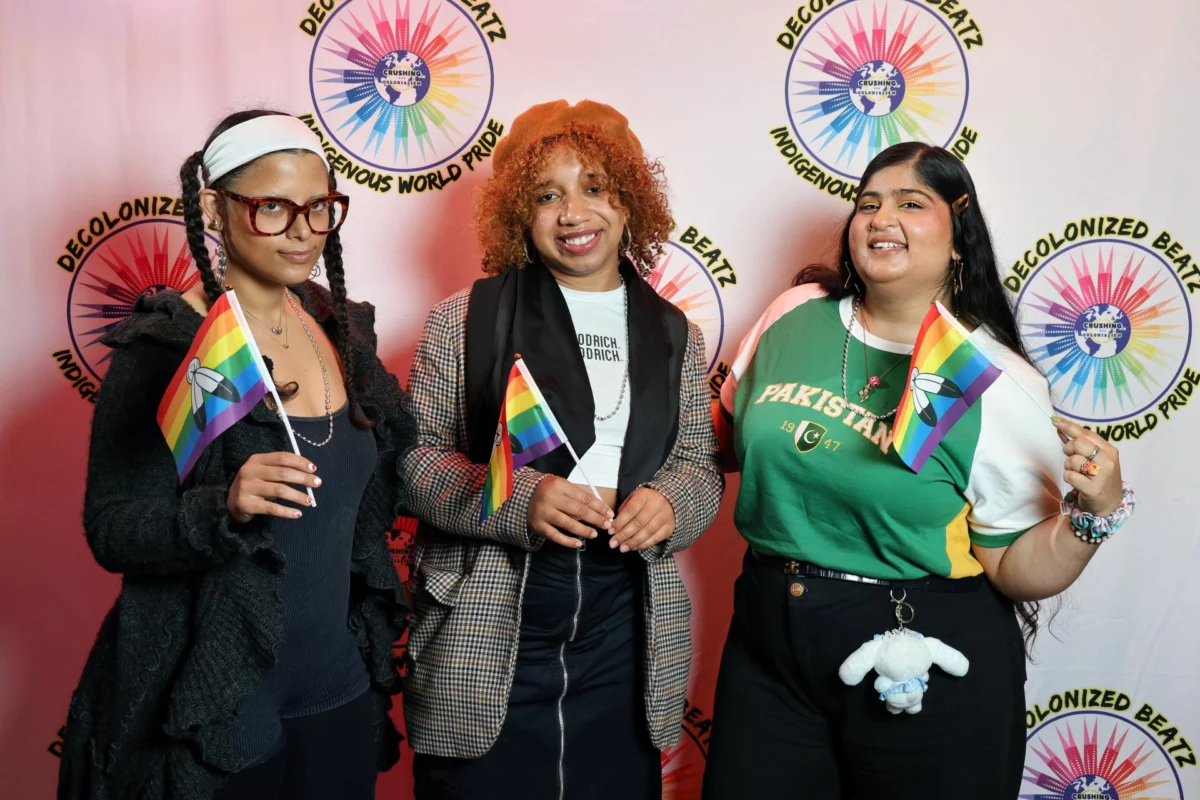
For generations, mainstream media landscapes have relegated Indigenous populations to the margins, reducing complex cultures, histories, and modern identities to transient news cycles focused primarily on conflict, tragedy, or political spectacle. This systemic exclusion has historically denied Indigenous communities the autonomy to author their own narratives. To combat this pervasive marginalization, the Indigenous-led nonprofit Crushing Colonialism has established a vital journalistic counterweight: The Magazine. Operating on Piscataway land in Washington, D.C., and reaching across international borders, this publication represents a paradigm shift in Indigenous media infrastructure, carving out a permanent, self-determined space for voices that have long been silenced by colonial gatekeeping.
The Roots of Media Invisibility and the Imperative for Indigenous Infrastructure
The historical relationship between colonized populations and mainstream journalism is built on a foundation of erasure and misrepresentation. Historically, colonizer media did not merely ignore Indigenous nations; it manufactured narratives that directly influenced legislative frameworks, public policy, and the societal imagination of dominant populations. Within these external frameworks, Indigenous individuals were frequently cast as historical footnotes, romanticized mascots, or cautionary statistics, stripped of agency and authorship over their own lives.
For Indigenous journalists, writers, and artists who also sit at the intersections of being Queer, Two-Spirit, disabled, or chronically ill, this erasure is exponentially compounded. Mainstream media outlets and traditional journalism schools have historically failed to provide adequate mentorship, equitable funding, or culturally competent spaces for these creators. Consequently, many extraordinary storytellers abandon the field entirely, constrained by an invisible infrastructure that treats Indigenous labor as an afterthought.
The structural inequities facing Native-led initiatives are starkly reflected in philanthropic funding distributions. Data consistently indicates that Native-led organizations receive a mere fraction of overall philanthropic dollars in the United States—approximately 0.4%—with similarly negligible allocations reaching disability and 2SLGBTQIA+ initiatives. Operating at the complex intersection of these marginalized identities, Crushing Colonialism was founded to dismantle these barriers through targeted journalism, advocacy, storytelling, and the deliberate construction of sustainable community infrastructure.
Chronology and Evolution of The Magazine
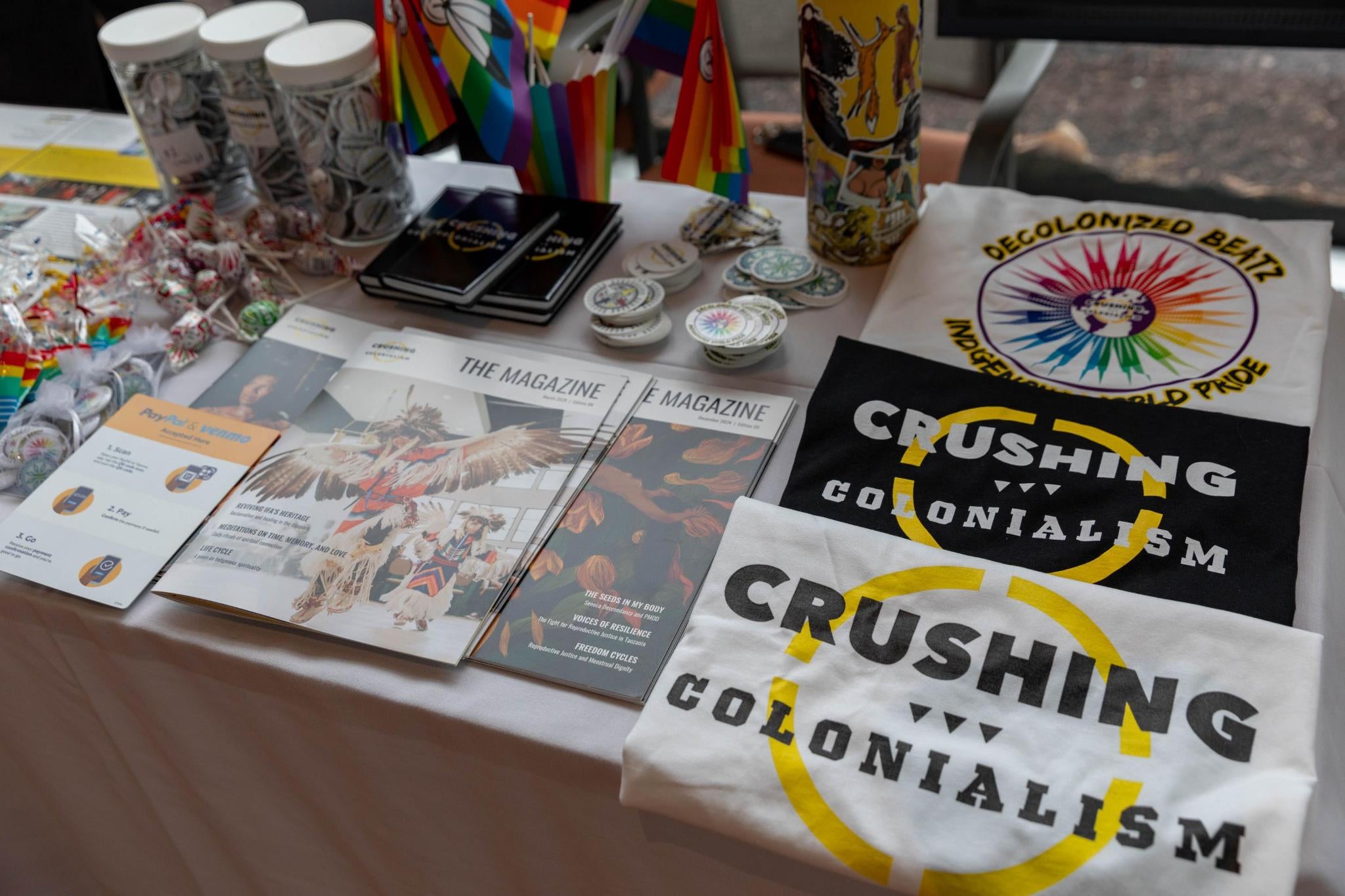
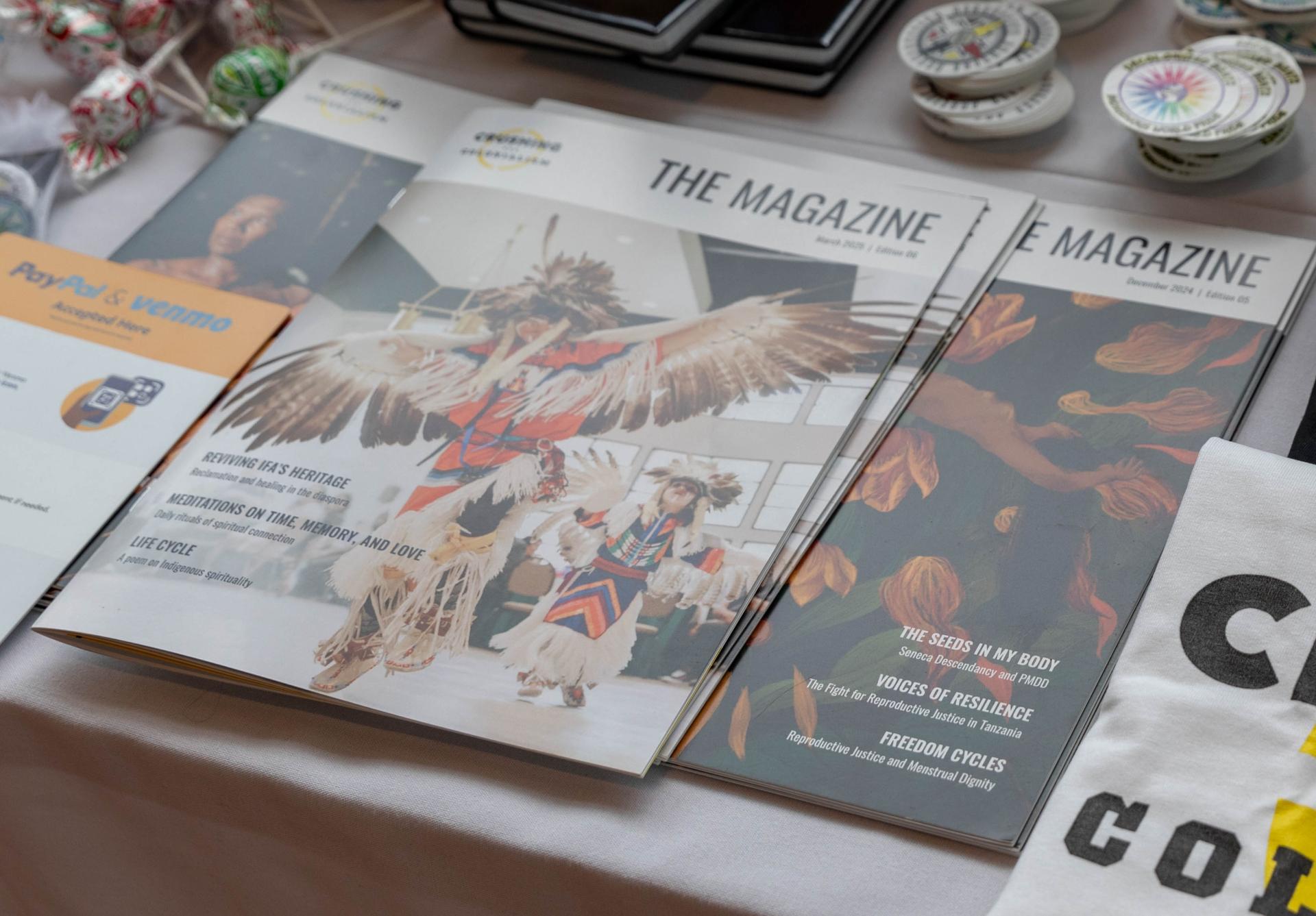
Founded just over two years ago as a direct response to systemic media exclusion, The Magazine was designed to place every phase of the editorial process—from writing and editing to design and translation—strictly into Indigenous hands. The publication operates on a dual distribution model, offering free digital access alongside physical print editions specifically tailored to communities navigating the digital divide.
The publishing trajectory of 2025 marked a significant expansion in the scope and global reach of The Magazine, propelled in part by support from Cultural Survival’s Indigenous Community Media Fund:
- June 2025: Marking a major milestone, the publication released a dedicated Pride issue centering on the Decolonized Beatz Indigenous World Pride. Hosted on Piscataway land during World Pride 2025, the landmark gathering brought together IndigeQueer individuals from the United States, Canada, Scandinavia, and Australia. The issue featured 11 original interviews highlighting individuals who navigate dual invisibility—experiencing marginalization within certain traditional Indigenous spaces while simultaneously facing cultural alienation within mainstream Queer communities.
- September 2025: This edition explored modern Indigenous identity, critically examining how colonial governments continue to dictate legal parameters of belonging and cultural legitimacy.
- December 2025: The final issue of the year honored international changemakers who are actively transforming their communities through art, advocacy, and cultural preservation. Contributors represented 11 distinct nations and territories, spanning Tlingit and Haida territories, Guaraní lands, Sápmi, and the Yoruba and Igbo worlds.
Expanding Access: Reaching the Digital Divide and Incarcerated Populations
Recognizing that digital accessibility is frequently hindered by socioeconomic barriers and geographic isolation, Crushing Colonialism maintains an active print distribution strategy. Currently, the organization prints and distributes 400 physical copies per issue to remote Indigenous communities where high-speed internet access is scarce or financially prohibitive.
Furthermore, the publication extends its distribution to incarcerated Indigenous individuals, ensuring connection with populations frequently abandoned by the broader public. Facilities such as the Miami Correctional Facility and Red Onion State Prison hold disproportionate numbers of Indigenous inmates, making targeted outreach a critical component of the organization’s social mission.
To address systemic professional disadvantages, the collective has also developed a comprehensive worker resource guide. This practical manual equips emerging creators with essential tools for calculating fair labor pricing, drafting invoices, navigating complex contracts, and understanding tax forms—professional competencies historically gatekept by exclusive journalism institutions.
Global Challenges and Logistical Hurdles in Independent Publishing
Despite significant editorial achievements, independent Indigenous media faces profound systemic challenges. The primary obstacle remains structural underfunding, which directly impacts production capabilities and distribution consistency.
A notable operational setback occurred in 2025 when the organization was forced to temporarily suspend the Spanish-language print edition for the final three issues of the year due to financial constraints. While the digital Spanish edition remained active, the absence of print severely impacted readers lacking reliable internet access. Restoring the print run stands as an immediate organizational priority for the upcoming fiscal cycle.
Additional operational challenges include managing international shipping logistics to correctional facilities, accommodating extended production schedules for rigorous translation reviews, and operating within a volunteer-driven framework with limited human resources. Despite these bottlenecks, incoming submission rates for upcoming editions—such as the planned Spirituality and Cultural Survival issue—continue to exceed projections, underscoring an escalating global demand for self-determined Indigenous platforms.
Broader Implications and Future Strategic Horizons
The implications of self-determined Indigenous journalism extend far beyond cultural representation; they represent an active reclamation of political, social, and economic sovereignty. By fostering an independent media ecosystem, organizations like Crushing Colonialism challenge the historical monopoly of colonial institutions over public memory and historical record.
Looking toward the future, Crushing Colonialism has established clear strategic objectives for 2026 and beyond. Key initiatives include hiring a dedicated copyeditor, reinstating the Spanish print edition, and deepening collaborative partnerships across Brazil, Sápmi, and Peru. The organization continues to scale its #HireIndigenous advocacy campaign while pursuing expanded institutional grant support to secure long-term financial viability.
Ultimately, the development of robust media infrastructure ensures that future generations of Indigenous youth do not have to search in vain for reflections of their own lived experiences. By shifting the power of the press from external observers to the communities themselves, initiatives like The Magazine are actively dismantling historical inequalities—one issue, one translation, and one self-determined story at a time.




