
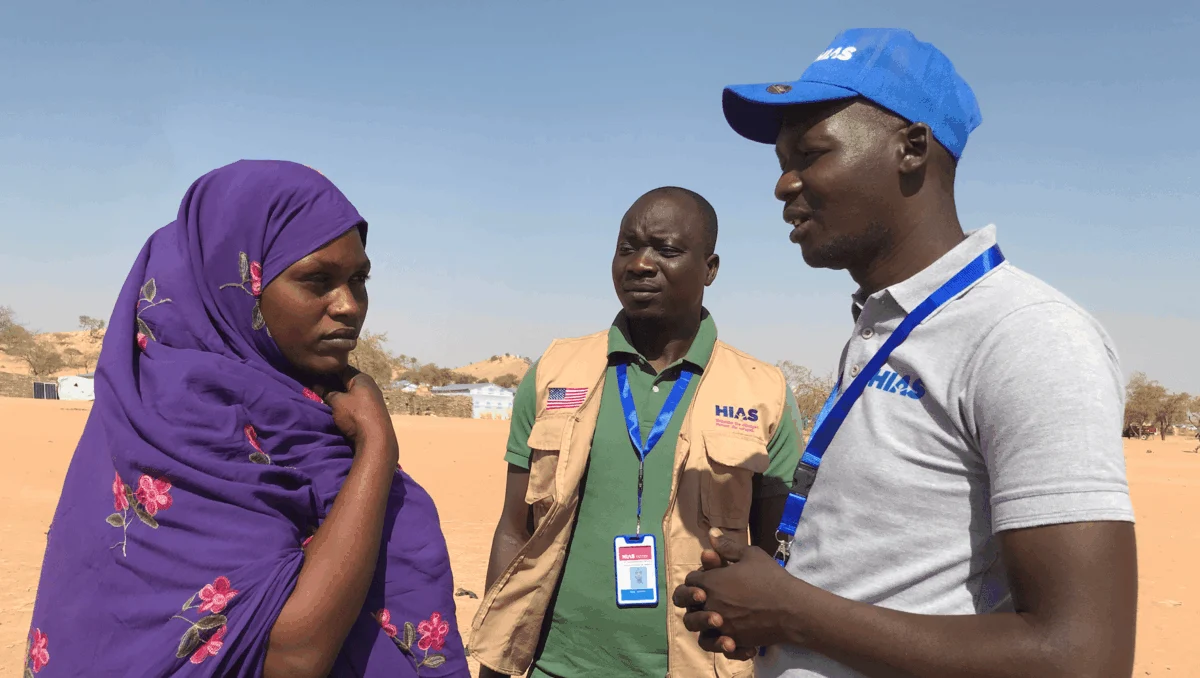
In May 2023, the civil war in Sudan surged into the city of Geneina, forcing thousands of residents to abandon their lives in a matter of hours. Among those uprooted was 11-year-old Bachir, who fled with his parents, leaving behind his home and his most prized possession: a soccer ball. Three years later, Bachir resides in the Farchana refugee camp in eastern Chad. His story is a singular reflection of a broader, systemic humanitarian catastrophe. As of August 2026, the conflict has displaced over 14 million people, creating one of the most severe humanitarian crises of the 21st century.
The Chronology of Displacement
The origins of the current exodus trace back to mid-April 2023, when tensions between the Sudanese Armed Forces (SAF) and the Rapid Support Forces (RSF) erupted into open urban warfare in Khartoum. The violence rapidly proliferated, reaching the western Darfur region—where Geneina is situated—within weeks. By May 2023, the security apparatus in Darfur collapsed, triggering a mass migration of civilians across the border into eastern Chad.
Throughout 2024 and 2025, the influx continued unabated. Chad, a nation already contending with internal economic volatility and a pre-existing displaced population, became the primary sanctuary for those fleeing the violence. As of July 2026, reports from the United Nations and humanitarian partners confirm that over 900,000 Sudanese refugees have sought safety within Chadian borders. This demographic surge has placed unprecedented pressure on local infrastructure, healthcare, and food security in a region that was already classified as severely food insecure.
Demographic Realities and Vulnerability
The composition of the refugee population in Chad highlights a profound generational crisis. According to data from the United Nations Children’s Fund (UNICEF) and various humanitarian assessments, approximately 61 percent of the Sudanese refugees in Chad are children under the age of 18. Globally, children represent 39 percent of the total refugee population; the disproportionate percentage in the Sudan-Chad corridor underscores the specific risks faced by the youngest victims of the war.
These children are frequently exposed to physical violence, psychological trauma, malnutrition, and the interruption of their education. For children like Bachir, the trauma of the journey—often involving days of travel on foot through conflict-ridden zones—is compounded by the stark reality of camp life. "I see every day how displacement, poverty, and limited services expose children to violence, exploitation, and neglect," notes Anitha Niyongira, Program Manager for HIAS Chad.
Humanitarian Intervention and Child Protection
In response to the escalating needs, organizations such as HIAS, supported by the Chad Humanitarian Fund and the Office for the Coordination of Humanitarian Affairs (OCHA), have implemented specialized protection frameworks. These programs go beyond the provision of food and shelter; they focus on the "re-socialization" of displaced children.
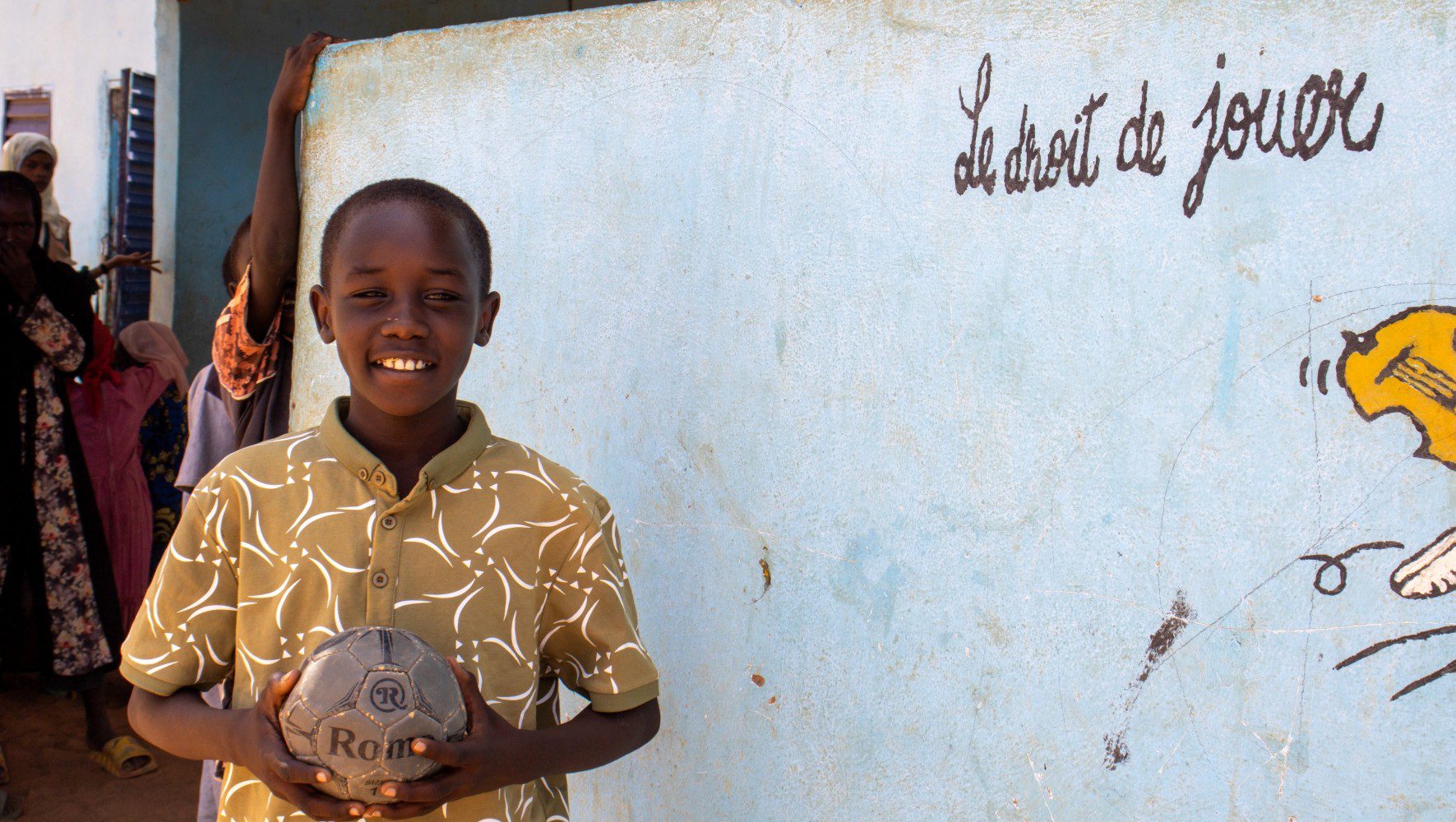
The "Espace Amis des Enfants" (Child-Friendly Spaces) initiative provides a structured environment where children can engage in supervised play, artistic expression, and basic education. For Bachir, these spaces serve as a proxy for the normalcy he lost. "This place is like a second home," he says. Beyond the emotional benefits, these centers function as early warning systems for identifying children at risk of recruitment into armed groups, child labor, or gender-based violence.
HIAS’s strategy involves a multi-pronged approach:
- Mental Health and Psychosocial Support (MHPSS): Specialized counseling to help children process the trauma of war and forced displacement.
- Economic Empowerment: Cash-based interventions for families, allowing them to purchase essential items while maintaining agency over their household budgets.
- Community-Based Protection: Training caregivers and local community leaders to recognize and mitigate protection risks within the camps.
The Interplay Between Refugees and Host Communities
The humanitarian crisis in eastern Chad is not isolated to refugee camps. In villages such as Arkoum, which now hosts approximately 50,000 refugees, the local population is facing a parallel struggle. The arrival of refugees has fundamentally altered the economic landscape of these rural communities.
Matoua, a mother of six and a resident of Arkoum, illustrates the challenges faced by the local host population. Her family’s primary survival mechanism—small-scale subsistence farming—has been disrupted, as much of the arable land is now occupied by the expanding refugee camps. "The situation is very difficult. Without a husband, without fields, and with six children, it’s hard to make ends meet," Matoua explains. Her husband has been missing for nearly four years, a casualty of the broader instability that has fractured families across the region.
The strain on resources creates a precarious environment where the potential for friction between host populations and refugees is high. However, humanitarian agencies are increasingly adopting an integrated approach that provides support to both groups. By offering cash assistance and dignity kits to host families, organizations aim to foster social cohesion and prevent the marginalization of local residents who are also suffering the economic fallout of the conflict.
Socio-Economic Analysis and Future Projections
The economic implications for Chad are significant. The "lean season"—the period between planting and harvesting when food stocks are depleted—has become increasingly volatile. As the number of refugees increases, the demand for water, firewood, and medical services far outstrips the supply, leading to inflation of basic commodity prices.
Experts argue that the current model of humanitarian aid must pivot toward long-term development. While emergency food aid is essential, the long-term integration of refugees and the stabilization of host communities require investments in infrastructure. This includes drilling wells, building schools that serve both refugee and local children, and establishing sustainable irrigation projects to replace lost agricultural output.
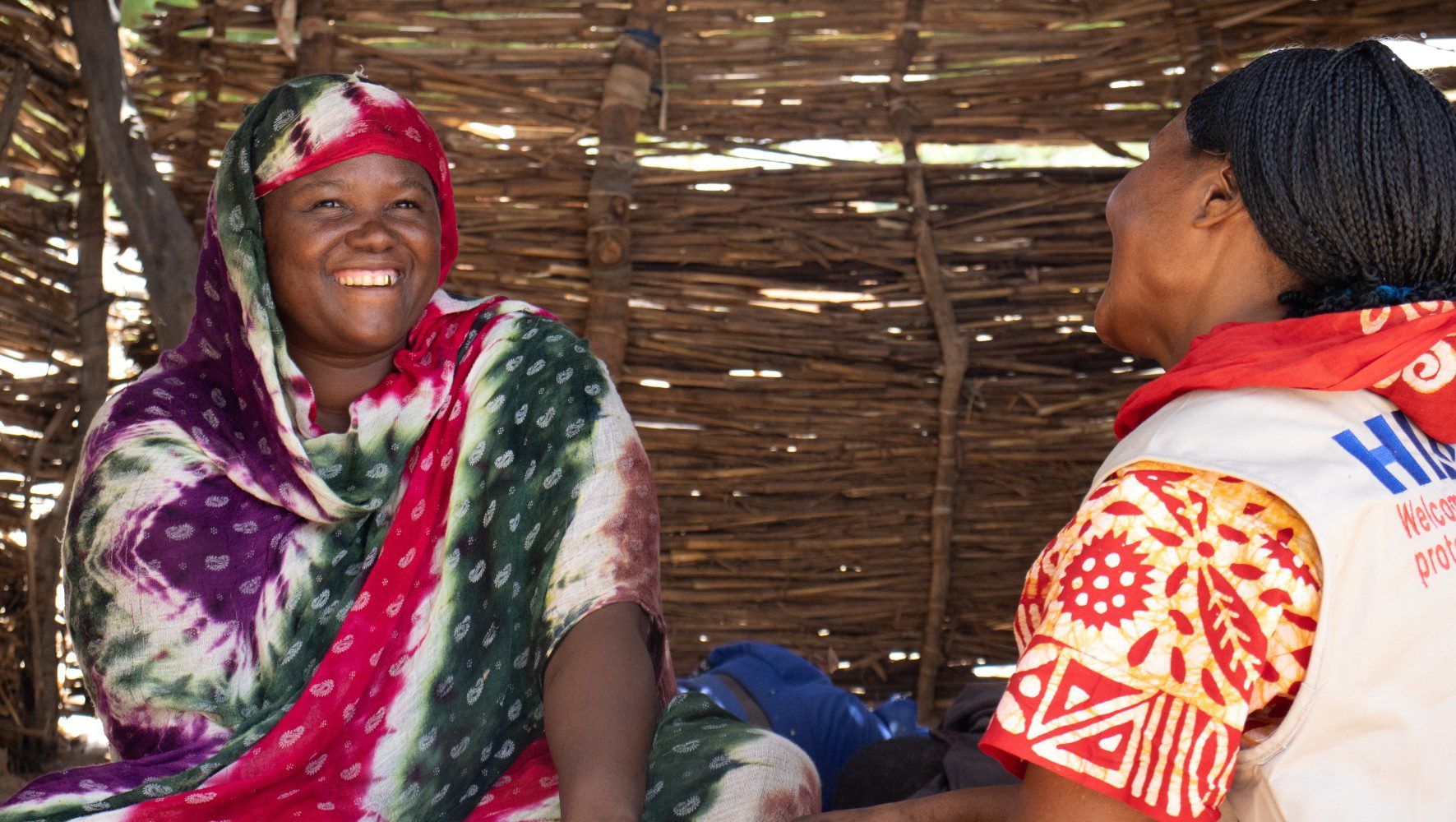
"Strengthening community protection systems and expanding support services is not optional," says Niyongira. "It is essential to ensure every child can grow up safe, protected, and with hope for the future."
The Necessity of Sustained Support
The international community’s response to the Sudanese refugee crisis has been substantial, yet it remains insufficient relative to the scale of the need. As the conflict in Sudan persists, the probability of return for families like Bachir’s diminishes, making the need for sustainable living conditions in Chad more urgent.
For children, the stakes are measured in lost years of schooling and the psychological scars of conflict. For mothers like Matoua, the stakes are measured in the ability to provide one meal a day and the hope of eventually locating missing family members. The work being done by NGOs, while life-saving, remains dependent on the continued commitment of global donors.
The story of the Farchana camp and the village of Arkoum is a microcosm of a larger, global challenge: how to manage the displacement of millions while maintaining the dignity and potential of the individuals involved. As Bachir continues to play soccer and dream of a future where he might follow in the footsteps of professional athletes, his existence stands as a testament to the resilience of the human spirit—and a stark reminder of the responsibilities held by the international community to protect those who have lost everything.
The path forward requires a unified approach that treats refugees and host communities as a single ecosystem in need of stabilization. Without this, the cycle of poverty and trauma will likely persist for a generation, hindering the development of the region and leaving millions of children to grow up in the shadow of a war they did not start.




