

Celebrated chef and television personality Melissa King is set to release her highly anticipated memoir, The Girl Who Became King, on October 6. The book offers an intimate examination of King’s formative years in San Francisco, tracing her trajectory from a young professional working in high-pressure culinary environments to becoming a prominent voice in the queer community. Through a series of personal vignettes, King explores the intersection of her professional identity as a chef and her personal journey toward self-actualization within the vibrant, often challenging social landscape of the Castro district in the late 2000s.
A Chronology of Discovery and Belonging
The narrative arc of King’s memoir begins during her early residency in San Francisco, a period characterized by a notable disconnect between her professional life and her social identity. While working in demanding restaurant kitchens—specifically at the restaurant Luce—King lived with roommates who moved within predominantly heterosexual social circles. This period of isolation, lasting approximately one year, prompted King to seek out connections within the local LGBTQ+ community, eventually leading her to digital platforms like DowneLink, a niche social networking site popular among queer youth during that era.
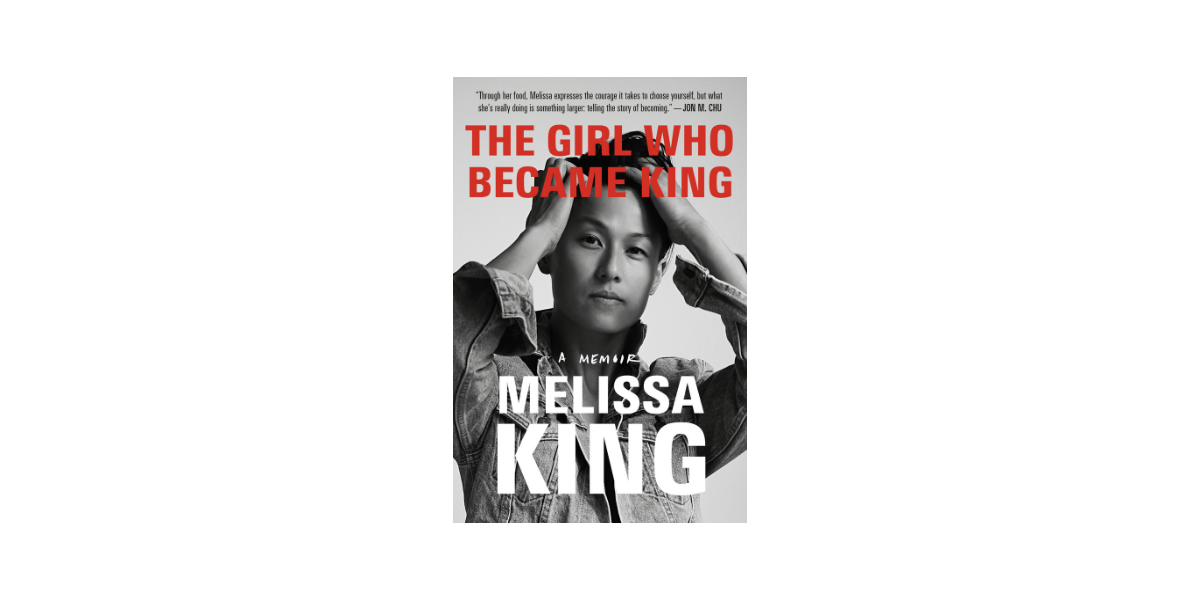
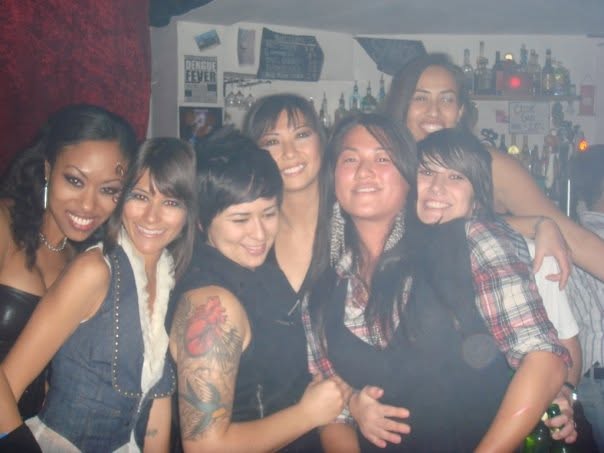
The memoir details a pivotal moment in 2009, when a digital interaction with a fellow chef and bartender named Jolene transitioned into a real-world meeting. This initial foray into the Castro’s nightlife at Q Bar served as a catalyst for King’s immersion into a diverse queer network. Following this introduction, King’s social circle expanded to include line cooks, restaurant managers, and other professionals, highlighting a demographic reality of the time: the kitchen and the bar were often the primary spaces where queer individuals could find solidarity and shared professional experiences.
The Cultural Significance of San Francisco Pride
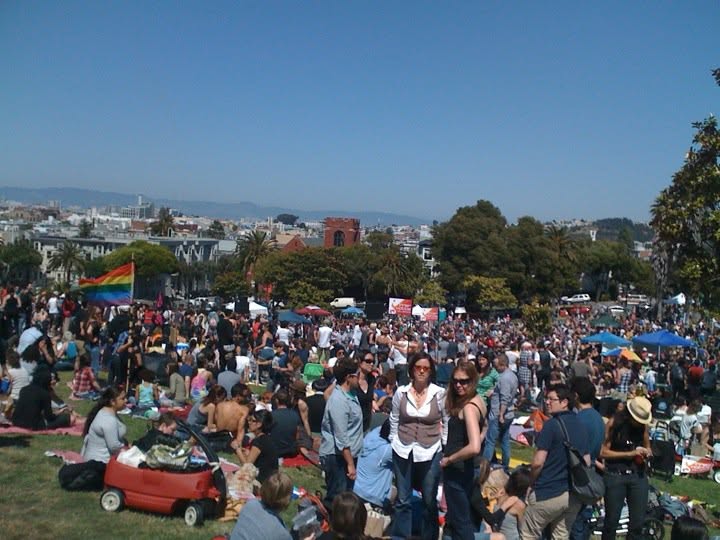
The memoir places significant emphasis on the 2010s era of San Francisco Pride, an event that remains one of the largest and most influential LGBTQ+ celebrations globally. San Francisco Pride, which traces its roots back to the 1970s, has historically functioned as both a political protest and a cultural festival. For King, experiencing this event for the first time required navigating the rigid demands of the hospitality industry.
In the culinary sector, where holiday and weekend shifts are mandatory, the ability to attend such a major cultural event was contingent upon the cooperation of colleagues. King notes the systemic pressures of the restaurant industry, where labor is often characterized by extreme fatigue and an expectation of unwavering loyalty. The fact that her kitchen staff—Chef Dominique, Roberto, and Shawn—agreed to cover her shifts reflects a significant, albeit informal, accommodation that allowed her to participate in the Dyke March and the broader Pride festivities. This interaction underscores the broader labor issues within fine dining, where the "all-hands-on-deck" mentality often leaves workers isolated from their own communities.

Demographic Shifts and Queer Urban Spaces
The environments described in the memoir—the Castro and the Mission District—have long been considered the epicenters of queer life in San Francisco. However, the period between 2005 and 2010 marked a transitional phase for these neighborhoods. As the tech industry began to exert more influence on San Francisco’s real estate market, the economic landscape of these historically queer neighborhoods began to shift.
Sociological studies on urban queer spaces during this decade have indicated that while bars and clubs remained vital, the "gayborhood" model began to experience pressures from gentrification. King’s account provides a grounded perspective on how these spaces functioned as "third places"—social environments distinct from home and work—that were essential for the emotional health of marginalized groups. Her description of the diverse demographics at the club—ranging from older lesbian couples to younger, tech-employed queer individuals—reflects the generational and professional diversity that defined the San Francisco queer experience at the turn of the decade.
The Intersection of Culinary Arts and Queer Identity
The Girl Who Became King distinguishes itself by analyzing the specific, often overlooked, role of the culinary industry in the lives of queer women. King’s transition from the rigid hierarchy of a high-end kitchen to the communal, non-judgmental atmosphere of the queer scene serves as a broader metaphor for the search for belonging.
Industry data suggests that the hospitality sector has historically been a significant employer for the LGBTQ+ population, offering a unique environment where performance and technical skill are often prioritized over conventional social norms. However, as King notes, this sector also demands a level of physical sacrifice that can impede social integration. Her memoir serves as a critique and a celebration of these two worlds, documenting the struggle to maintain professional excellence while finding a community that mirrors one’s authentic self.
Broader Implications for Queer Literature
The release of this memoir comes at a time when there is a growing demand for nuanced, non-fictional accounts of the queer experience that move beyond the "coming out" narrative. By focusing on the nuances of friendship, the challenges of labor, and the specific geography of San Francisco, King contributes to a growing body of literature that documents the history of queer life in the 21st century.
Critics have noted that the memoir’s candid approach to "baby gay" experiences—a term used to describe individuals who are newly out—provides a relatable roadmap for contemporary readers. The emphasis on the "chosen family" structure is a recurring theme in sociological discourse regarding LGBTQ+ populations, particularly in cities like San Francisco, where many residents migrate specifically to find such communities.

Anticipation and Impact
Industry analysts anticipate that The Girl Who Became King will perform well among a diverse demographic, including fans of culinary memoirs, readers of LGBTQ+ history, and those interested in the specific sociocultural development of the San Francisco Bay Area.
The publication of this work, coming from an established figure in the culinary world, carries a degree of cultural weight. It signals a shift in the way public figures share their personal histories, favoring vulnerability and specificity over curated public personas. As the book becomes available for purchase, the discourse surrounding it is expected to focus on the enduring importance of community-building in an increasingly digital and often transient urban landscape.
For those interested in the historical context of the events described, the publisher has confirmed that the book includes detailed accounts of the social shifts within the Mission and the Castro districts. Preorders are currently available through major independent booksellers, with the official launch scheduled to coincide with a series of public appearances and discussions regarding the themes of the book.
In conclusion, Melissa King’s memoir is more than a culinary retrospective; it is a document of a specific time and place in American queer history. By weaving together the realities of the professional kitchen with the visceral joy of finding one’s community, King provides an essential perspective on what it means to build a life—and a home—in the heart of San Francisco.




