Five years ago, a landmark piece of legislation was passed that fundamentally reshaped the nation’s approach to domestic abuse. The Domestic Abuse Act was signed into law on 29 April 2021, marking a pivotal moment after years of relentless campaigning by organisations such as Women’s Aid, alongside dedicated survivors, activists, and parliamentarians who championed the cause. This anniversary provides a crucial opportunity to reflect on the Act’s successes, scrutinise its limitations, and outline the imperative next steps to ensure comprehensive protection for all victims and survivors.
The Genesis of a Landmark Law: A Pre-Act Landscape
Before the Domestic Abuse Act, the legislative framework for tackling domestic abuse in the UK was fragmented and often failed to capture the complex, insidious nature of abuse. While various laws addressed specific criminal acts, there was no overarching statute that comprehensively defined domestic abuse or provided a unified approach to victim support and perpetrator accountability. This meant that many forms of abuse, particularly non-physical manifestations like coercive control, financial abuse, and emotional manipulation, were inadequately addressed by the legal system. Victims often faced significant hurdles in navigating the justice system, accessing appropriate housing, or receiving holistic support, leaving many feeling isolated and unprotected.
The lack of a consistent legal definition also meant that the impact of domestic abuse on children was often overlooked, viewing them merely as witnesses rather than victims in their own right. This oversight ignored the profound psychological and developmental trauma experienced by children exposed to domestic violence, perpetuating a cycle of harm across generations. Campaigners tirelessly highlighted these gaps, advocating for a robust, survivor-centred piece of legislation that would not only define abuse more broadly but also embed a systemic response across all relevant public services. The drive for this Act was fuelled by a deep understanding of the devastating human cost of domestic abuse, which affects millions of individuals annually, transcending socio-economic boundaries and deeply impacting public health, safety, and well-being.
Key Provisions and Their Transformative Impact
The Domestic Abuse Act 2021 introduced several groundbreaking provisions that represented a real step change in societal and legal responses to domestic abuse. Central to its reforms was a statutory definition of domestic abuse that explicitly included not only physical or sexual abuse but also violent or threatening behaviour, controlling or coercive behaviour, economic abuse, and psychological, emotional or other abuse. Crucially, it specified that this definition applies to individuals aged 16 or over who are personally connected, broadening the scope beyond traditional marital or cohabiting relationships.
One of the most significant changes was the explicit recognition of children as victims of domestic abuse in their own right. This pivotal shift acknowledged the severe psychological trauma children endure when living in households where abuse occurs, regardless of whether they are direct targets of violence. This provision aimed to ensure children receive the necessary support and protection services, moving beyond merely being considered witnesses to abuse.
Furthermore, the Act extended laws relating to coercive control, recognising that a victim did not necessarily need to live with a perpetrator to experience this form of abuse. This addressed scenarios where ex-partners continued to exert control or where abuse occurred across different households, thereby closing a critical loophole that previously left many survivors vulnerable. The legislation also introduced new Domestic Abuse Protection Orders (DAPOs) and Domestic Abuse Protection Notices (DAPNs), designed to provide immediate and longer-term protection for victims, placing prohibitions and positive requirements on perpetrators.
Beyond these core definitions and protections, the Act also introduced provisions impacting a wide range of areas, from housing to the family courts. It placed a statutory duty on local authorities to provide safe accommodation for victims of domestic abuse and their children, aiming to ensure that survivors have access to secure housing when fleeing abusive situations. In the family courts, the Act sought to improve the handling of cases involving domestic abuse, ensuring that the voice and safety of survivors and children are prioritised. These provisions collectively aimed to reflect the diversity of needs that survivors have when fleeing abuse, as well as the insidious nature of domestic abuse – permeating every aspect of a survivor’s life.
A Unified Front: The Campaign for Change
The passage of the Domestic Abuse Act was not an overnight achievement but the culmination of years of tireless advocacy. Organisations like Women’s Aid, alongside sister organisations, dedicated activists, member services, and parliamentarians, played an instrumental role. Their campaigning efforts were meticulously informed by the lived experiences of women and children, whose voices were central to shaping the legislation’s scope and ambition. This collaborative approach ensured that the Act was not merely a theoretical construct but a practical, impactful tool designed to address real-world challenges faced by survivors.
The journey to enactment involved extensive parliamentary debate, public consultations, and continuous lobbying to strengthen the bill’s provisions. Campaigners worked to ensure that the legislation went beyond symbolic gestures, advocating for enforceable duties, robust funding mechanisms, and comprehensive training for frontline professionals. This period saw a powerful coalition of diverse voices uniting under a common goal: to secure a law that would genuinely transform the lives of those affected by domestic abuse. Their persistence ensured that critical amendments were considered and incorporated, leading to a more comprehensive and effective piece of legislation.
Five Years On: Celebrating Progress, Confronting Gaps
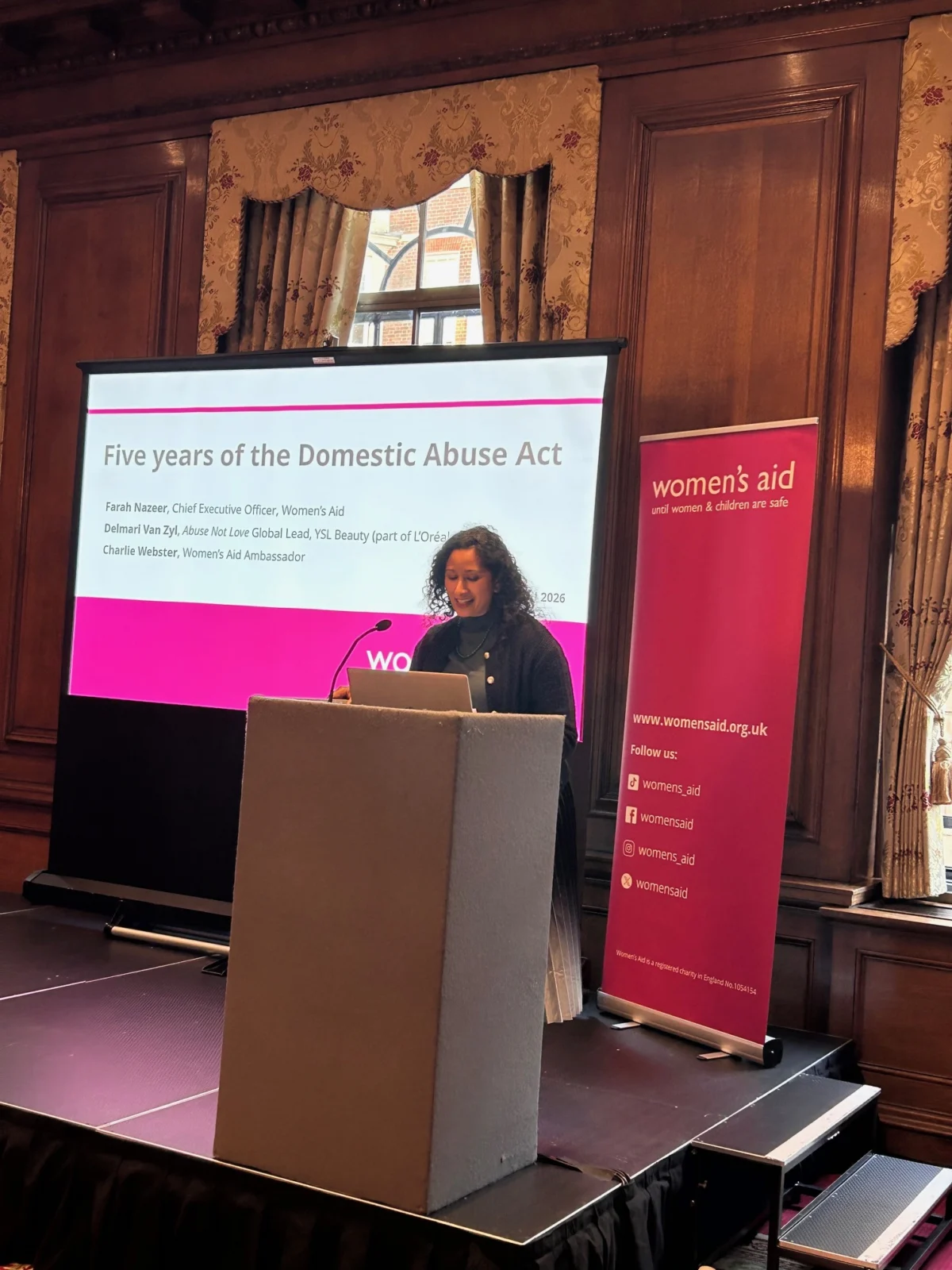
To mark this significant five-year milestone, Women’s Aid hosted a dedicated reception and released an anniversary film, bringing together a host of voices committed to improving life for survivors of domestic abuse. The event served as a platform to celebrate the progress made while also critically examining the work that remains.

Powerful messages resonated throughout the evening. Farah Nazeer, CEO of Women’s Aid, underscored the ongoing mission, stating, "Our task is clear: match the promise of the law with the reality of people’s lives." This statement encapsulates the core challenge post-legislation: ensuring that the statutory provisions translate into tangible, positive changes on the ground for every survivor.
Charlie Webster, an ambassador for Women’s Aid, delivered a particularly poignant message, emphasising the indispensable role of survivor voices in policy-making. "You can’t design a system to protect people whose reality you don’t understand. Survivor voice is not a nice addition to policy. It’s quality control," Webster asserted. She further highlighted the long-term nature of recovery, stressing, "The abuse ending is not the end of the story. We need long-term wrap-around support. Because healing is not an incident, it’s a journey. And right now we’re leaving too many people to walk it alone." Her words served as a stark reminder that legislative change is merely a foundation; sustained, holistic support is crucial for genuine healing and empowerment.
Government representatives, while acknowledging the profound impact of the Domestic Abuse Act, also recognised the ongoing commitment required. A spokesperson from the Home Office remarked, "The Domestic Abuse Act represents a significant step forward in our national effort to combat this abhorrent crime. We remain steadfast in our dedication to protecting victims and holding perpetrators accountable, and we will continue to work closely with organisations like Women’s Aid to strengthen our response." This sentiment was echoed by a representative from the Ministry of Justice, who added, "The Act has enabled us to better safeguard vulnerable individuals within the justice system. We are committed to ensuring its provisions are effectively implemented and that support services are adequately resourced to meet the diverse needs of survivors."
The Unfinished Agenda: Remaining Challenges and Future Imperatives
Despite the celebratory tone surrounding the anniversary, Women’s Aid and its partners are keenly aware that the Act, while transformative, was not exhaustive. Several vital provisions advocated for during the campaigning phase were ultimately not included or require further legislative and policy attention. These omissions represent critical gaps that continue to impact the most vulnerable survivors.
One significant area concerns sustainable, long-term funding for specialist domestic abuse services. While the Act placed duties on local authorities, the actual funding to meet these duties often falls short, leading to a postcode lottery of support availability. Specialist services, particularly those catering to specific communities such as Black and minoritised women, disabled women, or LGBTQ+ individuals, often face chronic underfunding, jeopardising their ability to provide culturally competent and accessible support.
Another critical area relates to the protection of migrant women and those with insecure immigration status. The ‘no recourse to public funds’ (NRPF) condition often traps migrant women in abusive relationships, as they fear destitution or deportation if they seek help. Campaigners continue to push for the removal or reform of this condition to ensure all survivors, regardless of immigration status, can access safety and support without fear.
Furthermore, issues around enforcement and accountability for perpetrators remain a constant challenge. While the Act strengthened various legal tools, consistent application across police forces and the judiciary is essential. There is a continuous need for enhanced training for frontline professionals, including police officers, social workers, and healthcare providers, to ensure a trauma-informed and survivor-centred approach. Addressing the root causes of domestic abuse, including tackling misogyny and gender inequality, also requires a broader societal shift that legislation alone cannot achieve.
The vision for a future free from abuse, as articulated in the anniversary film produced by Women’s Aid, survivors, supporters, ambassadors, and policymakers, is one where robust legal frameworks are matched by comprehensive, well-funded, and universally accessible support systems. It calls for a society where prevention efforts are prioritised, perpetrators are consistently held accountable, and survivors are afforded every opportunity for healing and rebuilding their lives.
Voices from the Frontline: The Importance of Survivor Experience
The emphasis on survivor voice, as powerfully articulated by Charlie Webster, is not merely rhetorical. It reflects a fundamental principle that effective policy must be grounded in the realities of those it seeks to protect. Survivors offer invaluable insights into the systemic barriers they face, the effectiveness of interventions, and the nuanced forms of abuse that statutory definitions might otherwise miss. Their experiences inform the design of truly responsive services, highlight areas where the justice system falls short, and underscore the need for support that extends far beyond the immediate crisis. Organisations like Women’s Aid consistently integrate survivor feedback into their advocacy, ensuring that future legislative and policy changes are genuinely impactful and meet the complex needs of those living with and recovering from abuse.
Conclusion: A Continuing Commitment
As the nation reflects on five years of the Domestic Abuse Act, there is much to acknowledge and celebrate in terms of progress. The Act has undoubtedly laid a stronger foundation for tackling domestic abuse, offering greater protections and a more comprehensive understanding of its multifaceted nature. However, the anniversary also serves as a potent reminder that the fight is far from over. The vision of a society free from domestic abuse requires sustained political will, adequate financial investment, and a collective societal commitment to eradicate this pervasive violence. The journey towards truly matching the promise of the law with the reality of people’s lives continues, necessitating vigilance, advocacy, and unwavering support for all women and children affected by domestic abuse. The collaborative spirit that led to the Act’s passage must endure, driving forward the unfinished agenda to ensure that no one is left to walk the path of healing alone.