By Clemente Flores and Soledad Sede
The recent reform of Argentina’s National Law on Minimum Standards for the Protection of Glaciers and the Periglacial Environment, enacted in 2010, represents a significant legislative shift with profound implications for environmental protection, water security, and the rights of Indigenous peoples. Approved by the National Congress, this amendment is not merely a technical adjustment but a substantial rollback of the protections originally established, signaling a potential resurgence of extractive development models over the preservation of common goods and collective rights. This analysis delves into the context, content, and far-reaching consequences of this controversial reform.
The Genesis of the Glacier Law: A Battle Against Extractive Pressures
The original Glacier Law, formally known as Law 26,639, emerged from a contentious political landscape. Its enactment in 2010 followed a protracted struggle, highlighting the deep-seated conflict between economic interests, particularly the mining sector, and the imperative of environmental preservation. An initial attempt to legislate similar protections in 2008 was famously vetoed by the then-President, allegedly under intense lobbying from mining corporations. This early opposition underscored the law’s significance as a bulwark against activities that threatened crucial high-mountain ecosystems.
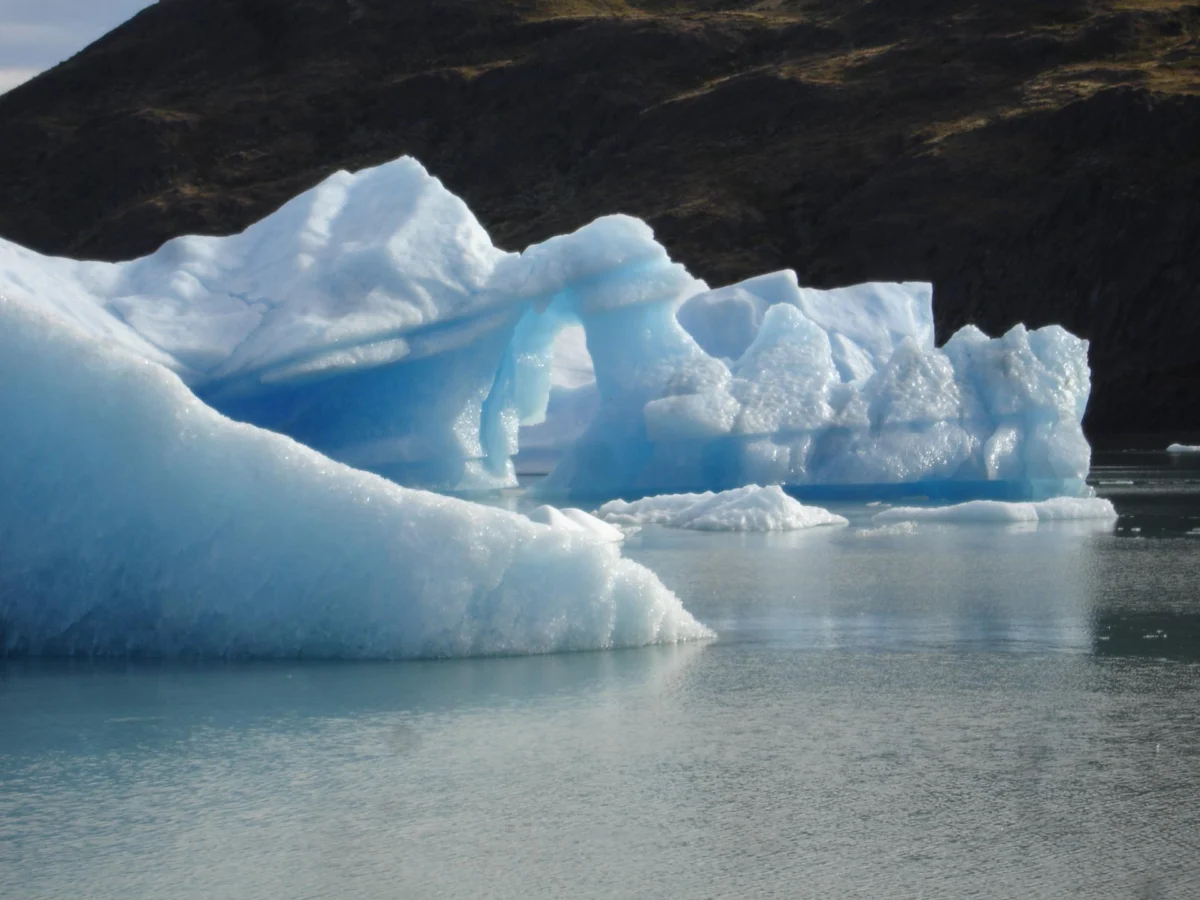
The cornerstone of the 2010 law was its unequivocal prohibition of extractive activities within glaciers and the periglacial environment. This prohibition was rooted in a clear recognition of these areas as vital strategic water reserves. Glaciers, in particular, act as natural reservoirs, storing vast quantities of freshwater that are critical for both ecosystems and human consumption, especially in arid and semi-arid regions of Argentina. The periglacial environment, the zone surrounding glaciers, plays a crucial role in maintaining the ecological balance and hydrological cycles of these sensitive mountain areas. By establishing these stringent protections, Argentina positioned itself as a regional leader in environmental governance, setting a precedent for how nations could safeguard their most precious natural resources. The law mandated a national inventory of glaciers and periglacial areas, along with regular monitoring and environmental impact assessments for any proposed activities in adjacent zones.
The Reform: Weakening Protections and Fragmenting Standards
The recently approved reform significantly alters key provisions of the 2010 law. The most critical changes pertain to the scope of protection for the periglacial environment and the criteria used to define these protected zones. While the law’s original intent was to safeguard a contiguous and ecologically integrated area, the reform introduces a more fragmented approach. It grants provincial governments considerably more autonomy in delineating protection zones and authorizing economic activities, including mining and hydrocarbon extraction, in areas that were previously subject to stricter federal oversight and prohibition.
This devolution of authority raises significant concerns. Instead of strengthening legal certainty and improving regulatory implementation, the reform appears to dilute environmental standards across the nation. This fragmentation could foster a "race to the bottom" among provinces, each vying to attract extractive investments by offering less stringent environmental regulations. Such a scenario directly contradicts the principle of environmental non-regression, a fundamental tenet enshrined in Argentina’s National Constitution (Article 41), the General Environmental Law (Law 25,675), and international commitments such as the Escazú Agreement. These principles mandate that existing levels of environmental protection, particularly for essential assets like water, should not be unjustifiably lowered.
Public Participation: A Formal Gesture with Substantive Limitations
The legislative process leading to the reform’s approval has also drawn criticism regarding the adequacy of public participation. Following the Senate’s endorsement of the bill, a public hearing was convened in the Chamber of Deputies. However, this hearing occurred at a late stage in the legislative process, after the initiative had already received preliminary approval, thereby limiting the capacity of citizens and civil society organizations to substantively influence the bill’s content.
Official figures indicate that over 100,000 individuals registered to participate in the public hearing. Yet, only approximately 360 to 400 speakers were granted the opportunity to present their views during the scheduled sessions. This stark disparity between the number of registered participants and those who could speak highlights a significant gap between the formal openness of the process and its substantive impact.
According to the Escazú Agreement, ratified by Argentina through Law 27,566, public participation in environmental decision-making must be open, inclusive, informed, timely, and effective. Critics argue that the restrictive nature of this public hearing falls short of these requirements. Limiting speaking opportunities to a small fraction of interested parties, particularly on a bill of such profound socio-environmental importance and one that had already advanced significantly, raises serious questions about the procedural fairness and democratic legitimacy of the reform. Genuine public participation requires creating conditions that allow affected communities and citizens to exert meaningful influence on public policy, not merely establishing a procedural checkbox.
Indigenous Consultation: An Unaddressed Obligation
Perhaps the most serious omission in the reform process is the absence of a specific and meaningful consultation with Indigenous peoples. Many Indigenous communities reside in high-altitude territories directly dependent on glaciers and periglacial environments for their water, cultural practices, and spiritual well-being. The weakening of protections for these areas has direct and potentially devastating consequences for their traditional ways of life, territories, and access to vital water sources.
Argentina’s 1994 National Constitution recognizes the ethnic and cultural pre-existence of Indigenous peoples and guarantees their participation in the management of their natural resources. Furthermore, International Labour Organization (ILO) Convention 169, which Argentina has ratified, obliges the state to conduct free, prior, and informed consultations with Indigenous peoples whenever legislative or administrative measures may directly affect them.
The amendment to the Glacier Law directly impacts these communities, affecting not only their physical territories and water resources but also spaces of deep spiritual, cultural, and ancestral significance. Proceeding without adequate consultation undermines the legitimacy of the law and potentially violates Argentina’s constitutional and international legal obligations. Regions like Salinas Grandes and the Andean Puna basin, home to numerous Indigenous communities, are prime examples where this omission carries concrete weight. These are not abstract ecological zones but living, inhabited territories with distinct histories, spiritualities, and intricate relationships with water and the mountains.
Legal Uncertainty and the Application to Ongoing Projects
A critical and unresolved issue stemming from the reform is the legal uncertainty surrounding its application to existing and ongoing projects. The amendment raises the fundamental question: which legal framework will govern projects that were initiated, evaluated, or partially authorized under the previous, more protective regime?
While general principles of environmental law suggest that new public policy regulations can be applied immediately, this does not automatically permit the alteration of established legal situations or the reduction of previously existing protection standards, especially when collective assets like water and strategic ecosystems are at stake. The reform creates a tension with core principles of Argentine and international environmental law, including the precautionary principle, the principle of progressive development and non-regression, and the duty to ensure effective participation.
The implications extend beyond simply determining which mining projects might benefit from relaxed regulations. The reform sends a powerful institutional message, altering the rules for protecting vital ecosystems in areas already facing territorial conflicts, complex environmental assessments, and compromised collective rights. This lack of clarity is likely to fuel extensive litigation, administrative disputes, and further uncertainty. The potential application of the new, less stringent regulations to projects already underway, with pending permits or significant invested capital, will undoubtedly become a major point of contention in the coming months.
The analysis of this temporal application cannot be driven by economic interests. If the reform had tightened environmental restrictions, it would be difficult to argue for its automatic retroactive application to ongoing projects without debate. In such a scenario, the industry would rightly invoke principles of legal certainty, legitimate expectation, and regulatory predictability. Therefore, the same principles of clarity, predictability, and consistency must apply when regulations are relaxed, ensuring that the cutoff point for application is clearly defined and consistently applied, regardless of whether the change expands or restricts exploitation margins.
Broader Implications: Regulatory Instability and the Defense of Territories
The reform of the Glacier Law is more than just an environmental dispute; it exposes a structural problem within Argentine public policy: the persistent lack of predictability and consensus regarding the protection of strategic common resources. In a mere sixteen years, Argentina has transitioned from enacting a landmark glacier protection law to attempting to relax its provisions, defending it in court against challenges, and now, reforming it by lowering its protective standards. This regulatory instability is detrimental to both robust environmental protection and the predictable investment climate needed for sustainable long-term development.
The principle of legal certainty, often invoked selectively to safeguard economic interests, must also encompass clear rules, legitimate procedures, adherence to prevailing environmental principles, and institutional predictability in managing essential resources like water. While the need for development, investment, and productive activity is widely acknowledged, the crucial debate lies in the conditions under which these activities occur, the inviolable limits that must be observed, and the guarantees provided to the communities and ecosystems that sustain life.
Reforms that are pushed through without adequate participatory processes, meaningful consultation with Indigenous peoples, or broad social consensus do not enhance the investment climate. Instead, they sow the seeds of increased litigation, exacerbate territorial conflicts, and foster regulatory uncertainty. Therefore, defending the protection of glaciers should not be misconstrued as opposition to development. Rather, it signifies a demand for clear rules, legitimate institutions, and a national development model that safeguards its water sources and upholds the rights of present and future generations. Protecting water is not an impediment to development; it is the fundamental prerequisite for any form of sustainable development to be possible.