In the remote coastal district of Devbhumi Dwarka, Gujarat, a transformative shift in public health communication is unfolding through a strategic partnership between World Education, a JSI initiative, and John Snow India Private Limited (JSIPL). By leveraging the generative artificial intelligence (GenAI) capabilities within Adobe Express, this initiative has successfully empowered local health teams to move beyond the limitations of traditional, outsourced design processes. This project addresses a critical bottleneck in rural healthcare: the need for immediate, culturally resonant, and low-literacy-friendly educational materials that can be distributed through existing digital networks like WhatsApp. The initiative represents a departure from traditional "top-down" digital interventions, focusing instead on building the creative capacity of frontline workers to serve as the primary architects of their community’s health education.
The Anganwadi System and the Challenge of Rural Health Communication
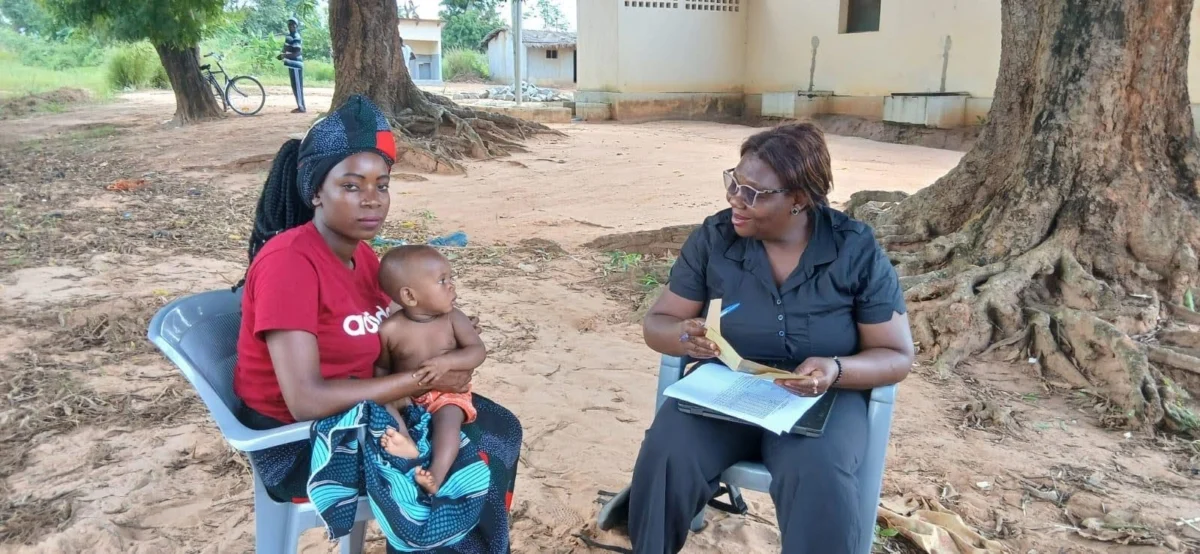
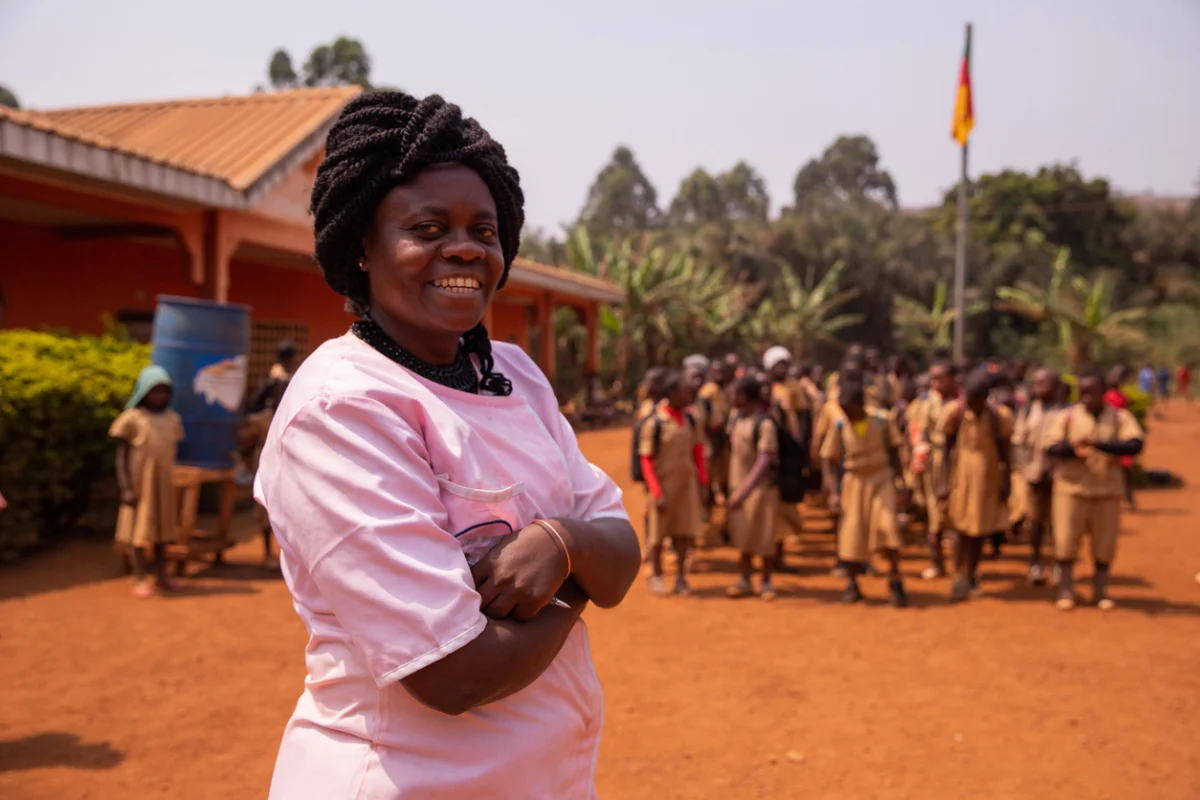
To understand the impact of this GenAI intervention, one must consider the infrastructure of India’s rural health network. The Integrated Child Development Services (ICDS) program, launched in 1975, relies on a massive workforce of Anganwadi Workers (AWWs). These community-based frontline workers are the linchpin of maternal and child health in India, providing services that include supplementary nutrition, immunization, health check-ups, and referral services. In districts like Devbhumi Dwarka, AWWs are often the sole source of health information for families living in geographically isolated areas.
Despite their critical role, AWWs have historically faced significant communication barriers. Standardized health materials produced at the state or national level often fail to account for local dialects, specific cultural nuances, or the varied literacy levels of the rural population. In many instances, health education relied on text-heavy printed brochures that were expensive to produce, slow to distribute, and difficult for non-literate populations to interpret. Furthermore, the reliance on professional graphic designers for every update meant that local teams could not respond quickly to emerging health concerns or specific community questions. In an era where even remote villages have high smartphone penetration and rely heavily on WhatsApp for information sharing, the lack of digital-first, localized content created a profound "communication gap."
Strategic Partnership and the Implementation of GenAI Tools
Recognizing these challenges, World Education and JSIPL, with support from Adobe, sought to pilot a solution that would turn local staff from passive consumers of content into active creators. The project utilized Adobe Express, an all-in-one design tool that integrates Firefly—Adobe’s family of creative generative AI models. The goal was to determine if GenAI could reduce the technical barriers to high-quality graphic design, allowing district-level staff to produce professional-grade visual aids without specialized training.
The implementation followed a "gradual release" methodology, a pedagogical framework designed to shift responsibility from the instructor to the learner. In the initial phase, World Education experts modeled the creation of health materials, demonstrating how to use AI prompts to generate imagery and how to adapt existing templates. In the second phase, district staff and World Education teams co-designed materials, focusing on priority health topics such as newborn care, breastfeeding, and maternal nutrition. In the final phase, local staff assumed full control, independently producing content tailored to the specific needs of the Devbhumi Dwarka community.

From Automation to Augmentation: The Role of Generative AI
A central finding of the initiative was that the primary value of GenAI in a development context lies in "augmentation" rather than "automation." While many global discussions regarding AI focus on the technology’s ability to replace human labor, the Gujarat pilot demonstrated that AI serves as a powerful "starting point" that requires human expertise to be effective.
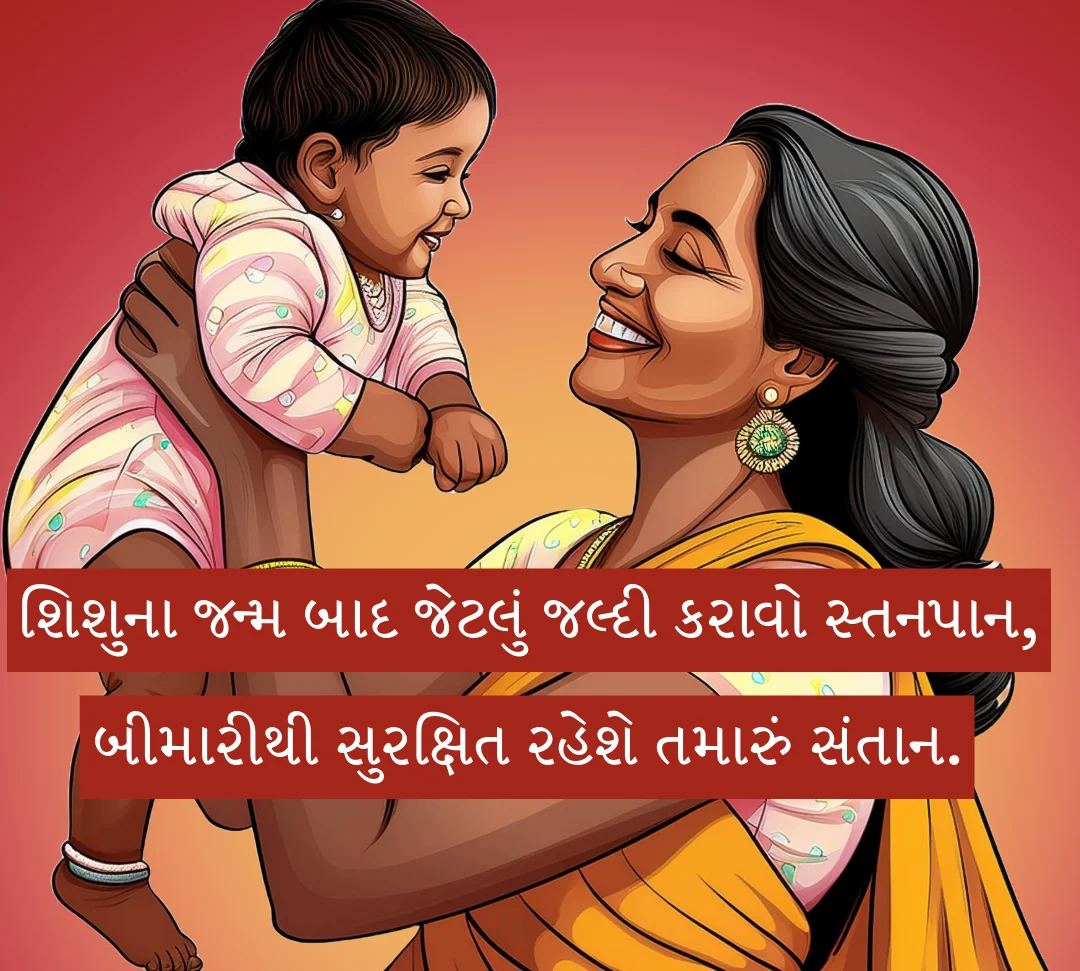
For instance, when initial AI-generated drafts produced imagery that felt "generic" or failed to reflect the specific clothing, household settings, or physical features of families in Gujarat, local staff used GenAI tools to refine the visuals. Within minutes, they could generate images of women in local attire or infants in culturally familiar settings. This rapid iteration allowed for a level of localization that was previously impossible under the old model of outsourcing design to urban centers. The AI acted as a bridge, translating the health worker’s community knowledge into high-impact visual media.
Overcoming Literacy Barriers Through Visual Storytelling
The impact on the end-users—the families in Devbhumi Dwarka—was immediate and measurable. Field testing revealed that visual-heavy content, including GIFs, short videos, and AI-generated posters, significantly improved the comprehension of complex health topics. For families with limited literacy, a text-heavy pamphlet on newborn care might be intimidating or ignored. Conversely, a short, visually intuitive video shared via WhatsApp provided a clear, step-by-step guide that could be re-watched and shared within family networks.
The ability to translate materials into Gujarati and use local idioms ensured that the health messages were not just understood but also trusted. This responsiveness is a critical component of public health; when a community expresses confusion about a specific health practice, the AWWs can now work with district staff to create a clarifying visual aid in a matter of hours, rather than waiting months for a new print run from a central office.
Chronology of the Pilot Program
The project’s timeline highlights a rapid progression from conceptualization to community-wide adoption:
- Needs Assessment and Partnership Formation: World Education and JSIPL identified the communication gaps in the Devbhumi Dwarka district and established the technical framework with Adobe.
- Tool Selection and Training: Adobe Express was selected for its low barrier to entry and robust GenAI features. Initial training sessions were conducted for district-level health staff.
- Co-Design Phase: Local teams and educators collaborated to produce the first wave of materials, focusing on maternal and child health. This phase focused on refining AI prompts to ensure cultural accuracy.
- Field Testing and Feedback: Materials were distributed via AWWs to families. Feedback was collected regarding visual clarity, linguistic accuracy, and the effectiveness of the WhatsApp delivery method.
- Independent Production and Peer Training: Local staff began creating content independently. Notably, high-performing staff members began training their colleagues, ensuring the sustainability of the digital skills within the district.
Supporting Data and Socio-Economic Context
The success of this GenAI initiative is situated within the broader context of India’s digital transformation. According to the Telecom Regulatory Authority of India (TRAI), rural internet subscriptions have grown exponentially, yet the "gender digital divide" and "literacy divide" remain significant hurdles. By focusing on visual content and mobile-first distribution, the project bypassed these hurdles.

Data from the pilot indicated that the time required to produce a localized health poster was reduced from several weeks (under the outsourcing model) to less than 30 minutes. Furthermore, the cost of production dropped to near-zero, excluding the initial investment in training and software access. This efficiency is vital for a healthcare system that serves over 1.4 billion people, where resource allocation is always a primary concern.
Official Responses and Strategic Implications
Dr. Sanjay Kapur, Managing Director of JSIPL, emphasized the scalability of this model. "This innovation can be scaled easily to millions of such Anganwadi Workers, thus reaching millions of mothers and children in a short period of time," Kapur stated. His comments reflect a growing consensus in the global health community that decentralized, AI-supported content creation is the future of community outreach.
Representatives from Adobe also noted that the project serves as a case study for how "AI for Good" initiatives can be implemented in low-resource settings. By providing the tools for self-expression and localized education, technology companies can help dismantle the traditional power dynamics of information flow, where rural communities are often the last to receive updated information.
Analysis of Broader Impact and Future Outlook
The implications of the Gujarat pilot extend far beyond health education in India. This model provides a blueprint for how GenAI can be used in various sectors—such as agriculture, disaster response, and adult literacy—across the Global South. The core lesson is that digital transformation is most effective when it is built with and by the community, rather than being delivered to them.
As GenAI tools become more sophisticated and support more local languages, the barriers to information will continue to fall. However, the Gujarat experience suggests that the human element remains indispensable. The "human-in-the-loop" approach ensures that AI does not produce "hallucinations" or culturally insensitive content. Instead, it empowers the people who know their communities best—the Anganwadi Workers and local health teams—to communicate with a level of speed and precision that was previously the exclusive domain of professional media agencies.
In conclusion, the partnership between World Education, JSIPL, and Adobe has demonstrated that when GenAI is placed in the hands of frontline practitioners, it becomes a catalyst for equity. By reducing the time, cost, and technical expertise required to create high-quality educational materials, this initiative has ensured that even the most remote families in Gujarat have access to the life-saving information they need, in a format they can understand and trust. The project stands as a testament to the potential of "augmented" intelligence to solve some of the most persistent challenges in global development.