
The intersection of celebrity culture, high fashion, and digital media has reached a seasonal peak as Fall Fashion Week initiatives command global attention. Over the past several days, a series of high-profile appearances, television production announcements, and industry collaborations have underscored the evolving relationship between brand marketing and influencer engagement. This report details the key developments, from the runways of Paris and New York to the strategic expansion of streaming television content, providing an analytical look at the current state of celebrity-driven media trends.
The Intersection of Celebrity Presence and Runway Participation
Fall Fashion Week serves as a critical nexus for luxury houses to leverage cultural capital. Recent observations indicate that high-profile personalities are increasingly moving beyond the front row to become active participants in the design and presentation process. This shift is not merely aesthetic; it represents a calculated strategy by luxury brands to integrate celebrity influence directly into the brand narrative.
For instance, recent appearances by figures such as Hannah Einbinder and Janelle Monáe at major house showcases reflect the ongoing professionalization of celebrity-brand partnerships. Rather than simple attendance, these interactions are now curated as "moments" designed for social media consumption, effectively turning fashion events into multi-channel digital campaigns. The industry data suggests that social media engagement rates for luxury brands during fashion weeks increase by approximately 40% when high-profile talent is involved in non-traditional ways, such as walking in shows or participating in behind-the-scenes content creation.
Chronology of Major Industry Developments
The past week has been marked by several distinct milestones in the entertainment and fashion sectors:
- Early Week: High-fashion houses initiated their seasonal showcases, prioritizing high-visibility celebrity attendance to drive global media impressions.
- Mid-Week: The emergence of specialized content, including direct-to-consumer reels, highlighted a shift toward short-form video as the primary medium for fashion communication.
- Late Week: Television production announcements signaled a pivot in programming strategy, particularly regarding the inclusion of reality-adjacent talent and drag performers in mainstream legal dramas.
These events follow a broader trend identified by marketing analysts: the "influencer-ization" of the celebrity. Whereas traditional celebrity endorsements were once static and detached, the current climate favors a highly personalized, "behind-the-scenes" aesthetic that invites the audience into the celebrity’s professional and personal orbit.
Analysis of Streaming Television Programming Shifts
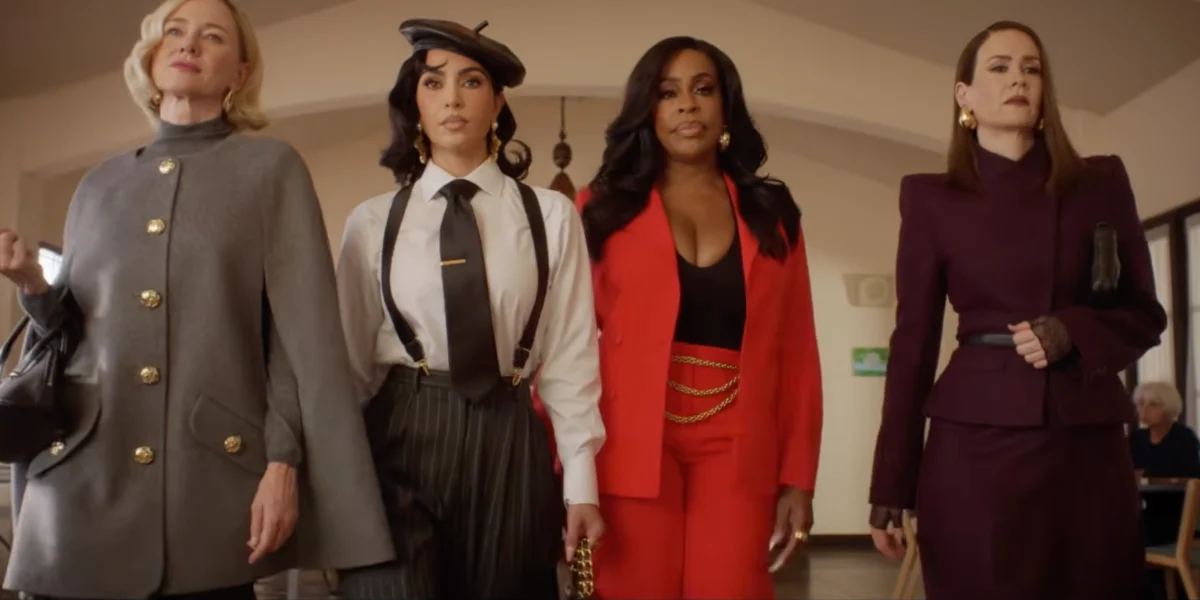
A significant development in the current news cycle involves the renewal and marketing strategy of the series All’s Fair. The production’s decision to integrate prominent drag performers into its upcoming season represents a strategic pivot aimed at broadening audience demographics.
Industry analysts suggest that the inclusion of such talent is a direct response to changing viewing habits. According to recent streaming metrics, genre-bending content—specifically projects that blend traditional legal drama with the performative nature of drag and variety entertainment—tends to see a higher retention rate among viewers aged 18–34. By incorporating these elements, the production is likely attempting to capture a more diverse cross-section of the audience, moving beyond the traditional constraints of the legal procedural genre.
The trailer release for the new season confirms that the narrative will lean heavily into the theatricality that these performers provide. This move is significant, as it mirrors the broader industry trend of "cross-pollination," where performers from niche or subcultural backgrounds are being elevated to mainstream scripted television platforms to generate buzz and cultural relevance.
The Evolution of Personal Branding and Aesthetic Trends
The discourse surrounding recent public appearances—specifically those involving public figures experimenting with hair texture and styling—highlights the intense scrutiny applied to celebrity personal grooming choices. While often dismissed as trivial, these observations offer insight into the current "authenticity" trend in celebrity styling.
Critics and stylists note that the trend toward natural or "un-styled" curly hair, often seen in recent red-carpet and candid social media imagery, is a rejection of the highly polished, architectural hair looks that defined the early 2020s. However, the reception to these looks remains polarized. Data from fashion forums and social media analytics platforms indicates that while younger demographics favor these "effortless" looks, traditionalists in the fashion industry continue to prioritize high-gloss, formal styling. This divide reflects a broader cultural friction between the desire for relatable, organic aesthetics and the traditional demands of high-end luxury representation.
Broader Impact and Industry Implications
The convergence of these events—runway appearances, the evolution of casting in scripted TV, and the scrutiny of personal style—points toward a singular reality: the professionalization of the digital footprint. Celebrity social media accounts are no longer personal diaries; they are highly optimized marketing tools that act as the primary conduit for fashion and entertainment news.
Economic Factors
Luxury brands are allocating larger percentages of their marketing budgets toward digital content that is "native" to social platforms rather than traditional print or broadcast media. The ROI on a single high-engagement video featuring a celebrity guest at a runway show often exceeds that of a full-page magazine advertisement, due to the shareability and direct link-to-purchase capabilities of social media.
Strategic Casting
The decision to feature drag queens and unconventional performers in mainstream television series is a risk-mitigation strategy. By tapping into existing, highly dedicated fan bases, production companies are attempting to guarantee a baseline of viewership in an increasingly fragmented television landscape. This shift reflects a data-driven approach to casting that prioritizes "cultural weight" over traditional celebrity status.
The Future of Fashion Week
As Fashion Week continues to evolve, the "front row" experience is becoming increasingly secondary to the "content creation" experience. Brands are now designing spaces specifically for optimal smartphone photography and video, acknowledging that the digital audience for these events far exceeds the physical capacity of the venue.
Conclusion
The current landscape of celebrity and fashion news is characterized by a high degree of integration and intentionality. From the runways of major fashion houses to the casting rooms of major television networks, every move is calibrated to maximize reach and cultural relevance. As the boundaries between reality television, high fashion, and traditional acting continue to blur, audiences can expect a further acceleration of these trends. The coming months will likely reveal whether this pivot toward highly curated, influencer-driven media will prove sustainable or if the market will eventually demand a return to more traditional forms of celebrity distance and mystique. For now, the "No Filter" era of celebrity communication remains the dominant paradigm, reshaping how the public consumes both fashion and entertainment in real time.




