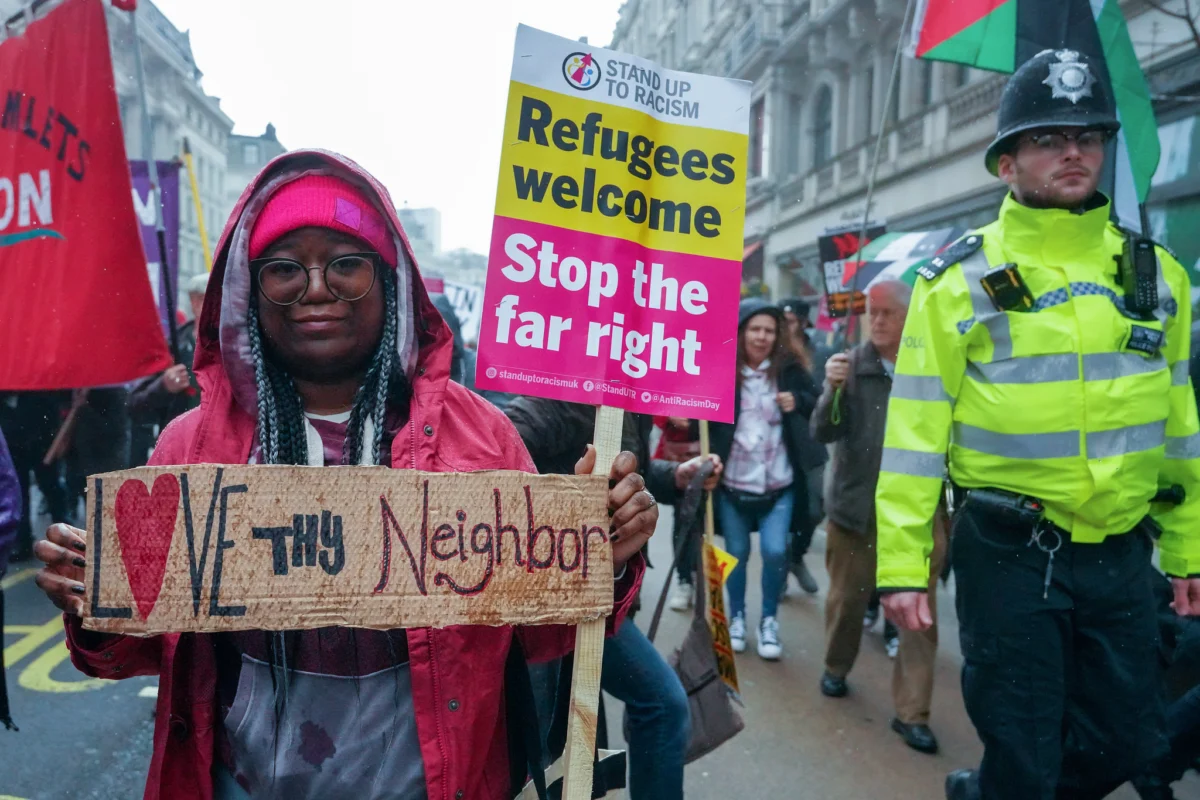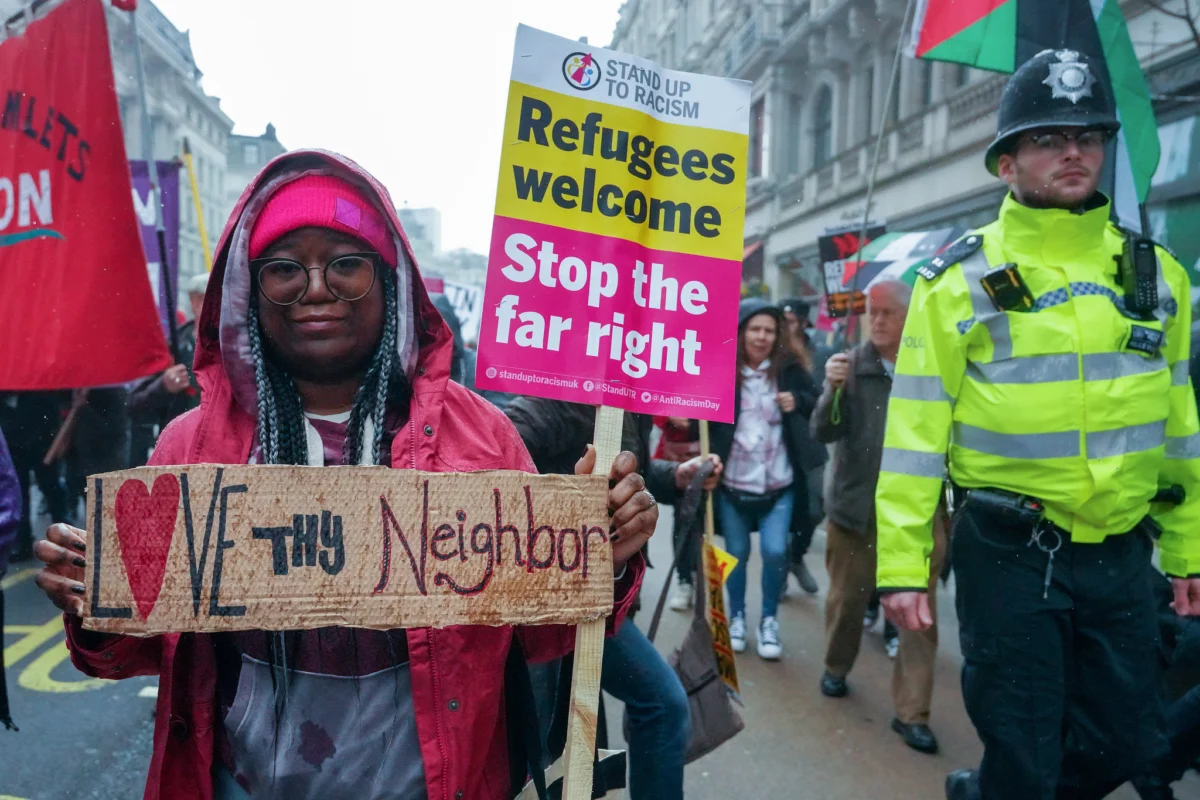
The constitutional and legal framework governing human rights and equality in the United Kingdom is facing an unprecedented period of scrutiny and potential retrenchment. For decades, the Human Rights Act 1998 and the Equality Act 2010 have served as the twin pillars of British civil liberties, providing a robust mechanism for citizens to challenge discrimination and state overreach. However, as of March 2026, policy analysts and civil rights advocates are warning that these protections are not as permanent as the public might believe. The legal architecture of the UK allows for the repeal or dilution of these acts through standard parliamentary procedures, a vulnerability that has increasingly become a focal point of partisan political discourse and media campaigning.
The Legislative Foundations: Human Rights and Equality
To understand the current risks, it is essential to examine the origins and functions of the two primary statutes at the center of the debate. The Human Rights Act 1998 (HRA) incorporated the European Convention on Human Rights (ECHR) into domestic UK law. This allowed individuals to seek redress for human rights violations in British courts rather than having to take the lengthy and expensive route to the European Court of Human Rights in Strasbourg. The HRA guarantees fundamental protections, including the right to life, freedom from torture, the right to a fair trial, and freedom of expression. These rights are designed to act as a shield for the individual against the power of the state and its public bodies.
The Equality Act 2010 was a landmark piece of legislation that consolidated over 40 separate pieces of anti-discrimination law, including the Equal Pay Act 1970, the Sex Discrimination Act 1975, and the Race Relations Act 1976. It established "protected characteristics"—age, disability, gender reassignment, marriage and civil partnership, pregnancy and maternity, race, religion or belief, sex, and sexual orientation. The Act made it illegal to discriminate against individuals in the workplace, in the provision of services, and in public functions. Crucially, it also introduced the Public Sector Equality Duty (PSED), requiring public authorities to consider how their policies or decisions affect people who share protected characteristics.
A Chronology of Retrenchment: 2010 to 2026
The movement to reform or replace these acts has been gaining momentum for over a decade, driven by shifting political priorities and a changing judicial philosophy.
- 2010–2015: Following the formation of the Coalition Government, various "red tape" challenges were leveled against the Equality Act. Critics argued that the PSED placed an undue administrative burden on businesses and local councils.
- 2016–2019: The Brexit referendum intensified debates regarding the UK’s relationship with European legal institutions. Calls to withdraw from the ECHR became a frequent talking point among the right wing of the Conservative Party.
- 2021–2023: Dominic Raab, then Justice Secretary, proposed the "Bill of Rights," which was explicitly intended to replace the Human Rights Act. The proposal sought to limit the ability of courts to interpret laws in a way that expanded human rights protections and aimed to give the UK Parliament "ultimate sovereignty" over human rights matters. Although the Bill was eventually dropped after Raab’s departure, the ideological groundwork remained.
- 2024–2025: The political landscape shifted further with the rise of Reform UK, which campaigned on a platform of scrapping the Equality Act entirely, labeling it a "barrier to meritocracy." Simultaneously, the Labour Party began signaling a review of how the European Court of Human Rights’ rulings are integrated into UK law, suggesting a more cautious approach to international judicial oversight.
- 2026: Current assessments by organizations such as The Equality Trust and Liberty suggest that while the acts remain on the books, their enforcement is being quietly eroded through underfunding, narrowed judicial interpretations, and the non-commencement of key clauses.
The Role of Media Concentration and Misinformation
A significant factor in the shifting public perception of human rights is the concentration of media ownership in the United Kingdom. Data indicates that approximately 90% of the UK’s national newspaper circulation is controlled by just three billionaires or their parent companies. This concentration has facilitated long-term campaigns against human rights legislation.
Journalistic analysis reveals a pattern of "misleading clickbait headlines" designed to frame human rights as a "criminal’s charter" or a tool for "special treatment" rather than universal protections. For instance, headlines frequently focus on high-profile cases where foreign nationals use human rights laws to challenge deportation, often omitting the broader context that these same laws protect British citizens from hospital negligence, police misconduct, and workplace discrimination. By framing human rights as something "others" exploit, these media outlets have successfully fostered a "divide-and-rule" narrative that weakens public support for the very laws that protect the majority.
Supporting Data: The Reality of Inequality and Discrimination
Despite the existence of the Equality Act, data suggests that discrimination remains a systemic issue in the UK, and weakening the law would likely exacerbate these trends.
- Workplace Discrimination: According to the Trades Union Congress (TUC), nearly one in five workers with disabilities report being treated less favorably at work because of their disability.
- The Gender Pay Gap: While the Equality Act mandates equal pay for equal work, the gender pay gap persists, currently hovering around 14.3% across the UK. Advocates argue that without the enforcement mechanisms of the Act, this gap would likely widen.
- Socio-economic Inequality: Section 1 of the Equality Act—known as the "Socio-economic Duty"—requires public bodies to consider how their decisions can reduce the inequalities resulting from socio-economic disadvantage. While the Scottish and Welsh governments have commenced this duty, the Westminster government has kept it dormant for over 15 years. The Equality Trust notes that the UK remains one of the most unequal countries in the developed world, with the richest 1% holding more wealth than the bottom 70% of the population combined.
The Socio-economic Duty: A Dormant Shield
Vanessa Boon, Senior Policy & Advocacy Leader at The Equality Trust, has highlighted the importance of Section 1 of the Equality Act as a tool for systemic change. The duty is intended to force the government to think about class and income inequality when making policy. For example, when a local council decides to cut library services or increase bus fares, the socio-economic duty would require them to analyze how these changes disproportionately affect low-income families.
The fact that this section remains uncommenced in England is a point of significant contention. Proponents argue that its activation would provide a legal basis for challenging "austerity-style" policies that have historically widened the gap between the wealthy and the poor. The Equality Trust and other advocacy groups are currently engaged in research-led policy work to pressure the government into activating this clause, viewing it as a vital defense against the rising cost-of-living crisis.
Official Responses and Global Context
The response from the legal and civil society sectors has been one of alarm. Liberty, one of the UK’s oldest civil liberties organizations, has warned that the government’s repeated attempts to restrict protest and dilute the Human Rights Act are "worse than feared." They argue that the UK is following a global trend of democratic backsliding, pointing to the United States, where the overturning of Roe v. Wade demonstrated how quickly long-standing rights can be dismantled by a changing political and judicial climate.
Conversely, proponents of reform argue that the current laws have led to a "culture of litigation" that hampers public service delivery. Reform UK and segments of the Conservative Party maintain that "common sense" should prevail over "rigid legal frameworks," suggesting that the UK’s unwritten constitution and parliamentary sovereignty are sufficient to protect citizens without the need for the Equality Act or the HRA.
Analysis of Implications: What is at Stake?
If the Equality Act and the Human Rights Act were to be repealed or significantly weakened, the implications for British society would be profound.
- Legal Recourse: Without the HRA, citizens would lose the ability to hold the state accountable in domestic courts for human rights abuses. This would disproportionately affect vulnerable groups, including prisoners, the elderly in care homes, and victims of police malpractice.
- Social Cohesion: The Equality Act provides a clear framework for what is acceptable in a diverse society. Its removal could lead to a resurgence of "lawful" discrimination in housing, employment, and retail, potentially rolling back decades of social progress.
- Economic Impact: Inequality is not just a social issue; it is an economic one. High levels of inequality are linked to lower social mobility and slower economic growth. By failing to address socio-economic disparities through the Equality Act, the UK risks long-term economic stagnation.
Conclusion
The protections afforded by the Human Rights Act and the Equality Act are the result of decades of struggle and the lessons learned from the atrocities of the 20th century. However, the current political and media environment in the UK suggests that these rights are increasingly viewed as negotiable. As organizations like The Equality Trust continue to advocate for the strengthening of these safeguards—particularly the commencement of the socio-economic duty—the debate remains a critical test of the UK’s commitment to the rule of law and the principle of universal equality. The coming years will determine whether the UK reinforces its human rights framework or allows it to be dismantled in favor of a more restrictive and unequal legal order.