The past two years have plunged the global workforce into an unprecedented period of upheaval and rapid experimentation, fundamentally reshaping our understanding of work and its future. Amidst this ongoing transformation, a profound shift has emerged, characterized by escalating societal polarisation and a surge in employee activism. These forces are not merely external phenomena; they are actively infiltrating and redefining the corporate landscape, presenting both formidable challenges and urgent imperatives for Diversity, Equity, and Inclusion (DEI) initiatives.
The Unfolding Crisis: Societal Division and Emotional Fallout
As societies globally navigated the initial shockwaves and subsequent lockdowns of the COVID-19 pandemic, a complex tapestry of emotions — sadness, loss, fear, a pervasive lack of control, and simmering anger — began to manifest. This emotional landscape spilled over from private lives into the public sphere, exacerbating existing social fissures and forging new ones. A comprehensive study spanning 17 countries, conducted by Pew Research, revealed a stark increase in perceived societal division. Sixty percent of respondents reported feeling more divided than before the pandemic, a significant 30% rise from pre-crisis levels.
This heightened sense of division found immediate and contentious expression within the workplace, particularly with the advent of "no jab, no job" policies. For some, mandatory vaccination requirements for returning to offices or interacting with colleagues and customers represented a necessary public health measure, a collective act for the greater good. For others, these policies were perceived as an egregious overreach, an infringement on personal autonomy and individual liberties. Such diametrically opposed viewpoints fueled intense debates, often marked by frustration and fatigue that permeated global communities.
The sheer scale of this discontent was evidenced by a staggering wave of over 50,000 pandemic-related protests worldwide, as reported by The Telegraph. This "COVID rage" wasn’t confined to public demonstrations; it manifested in increasingly hostile interactions within the service industry. Harvard Business research highlighted a concerning rise in customer abuse towards workers, especially in hospitality and other service sectors, where up to 80% of employees reported witnessing or experiencing such incidents, according to a One Fair Wage report. This climate of hostility was further compounded by the widening chasm of inequality, particularly concerning vaccine access. The stark disparity between the "haves" and "have-nots" in terms of health security and economic recovery underscored a growing sense of injustice, deepening the societal rifts.
Erosion of Trust and the Catalyst of Activism
Beyond the immediate stressors of the pandemic, the seeds of distrust in public officials and civic institutions had been sown over many years, creating fertile ground for the current wave of disillusionment. A global study by the World Economic Forum in August 2021 unveiled a particularly alarming trend among younger generations: Millennials and Generation Z exhibited such profound distrust that they expressed higher "faith in governance by a system of artificial intelligence than by a fellow human being." This sentiment was attributed to their exasperation with persistent concerns over corruption, stagnant political leadership, and the constant threat to physical safety posed by surveillance and militarized policing targeting activists and people of colour.
A pivotal moment that dramatically amplified this erosion of trust and ignited a global surge in activism was the tragic murder of George Floyd in May 2020. This single event served as a powerful catalyst, propelling the Black Lives Matter movement and anti-racism activism onto the world stage, sparking protests and discussions in over 60 countries. Suddenly, issues of systemic inequality and discrimination, long relegated to the periphery of corporate discourse, moved to the forefront of societal and, crucially, workplace conversations.
The Empowered Employee and the Demand for Corporate Accountability
In this charged atmosphere, the role and expectations of employees have undergone a radical transformation. No longer content to remain silent observers, a significant majority of employees now anticipate and demand that their workplace leaders take a definitive stand on critical social issues. Global research, such as the Edelman Trust Barometer, indicated that as high as 76% of employees expect their employers to speak out on societal matters. This expectation is coupled with a newfound sense of empowerment among the workforce. The same Edelman survey found that 60% of employees globally felt empowered to be change-makers within their organizations.
This empowerment translates into a willingness to act. A striking 75% of employees globally stated they would take action to advance urgently needed changes within their organizations, with 40% indicating they would go public through whistleblowing, protesting, or social media posts. This demonstrates a clear shift in the employer-employee power dynamic, where employees are increasingly leveraging their collective voice and digital platforms to drive change.
Furthermore, the United States has witnessed a notable resurgence of interest in labor unions. Employees are increasingly turning to organized labor to safeguard human rights at work, advocate for fair treatment, and actively participate in redesigning organizational cultures. This trend culminated in a significant wave of industrial action, with more than 25,000 workers on strike during October 2021, a considerable increase compared to the average of 10,000 in the preceding three months, as reported by The New York Times. These actions underscore a collective desire for greater agency, equity, and a more just workplace environment.
Leadership in a New Era: The Imperative of Action-Oriented Allyship
Despite these clear shifts in employee expectations and behaviors, many organizational leaders appear to be lagging. The Edelman survey revealed that only 48% of respondents believed their employers were consistently acting on their stated values. This disconnect carries substantial risks, including a precipitous decline in trust, damage to leadership credibility, and a significant drop in employee engagement.
This failure to align words with actions has tangible consequences, contributing directly to phenomena like "The Great Resignation." The Edelman report highlighted that 33% of employees quit their jobs when their employer "didn’t speak out about a societal or political issue the employee felt it had an obligation to address." The era of the silent executive, who could comfortably remain neutral on DEI issues, is unequivocally over. Similarly, the tolerance for "nice sounding public statements" devoid of substantive change has evaporated. The new standard for leadership demands authenticity, courage, and, most critically, a commitment to becoming an "ally by action," rather than merely through performative gestures or social media posts.
Implications for Diversity, Equity, and Inclusion (DEI)
The convergence of increased societal polarisation and heightened employee activism has profound implications for Diversity, Equity, and Inclusion (DEI) initiatives. DEI can no longer be viewed as a standalone HR program or a mere tick-box exercise. It has evolved into a core business imperative, deeply intertwined with organizational resilience, reputation, and talent retention.
- Authentic Leadership is Paramount: Leaders are now expected to demonstrate genuine empathy, transparency, and courage in addressing contentious issues. This includes fostering environments where difficult conversations can occur respectfully and constructively, acknowledging diverse viewpoints while upholding core organizational values related to equity and inclusion.
- Beyond Performative Gestures: The emphasis has shifted from symbolic gestures to tangible, measurable actions. Employees are demanding to see concrete changes in policies, practices, and organizational culture that reflect a true commitment to DEI. This means scrutinizing everything from hiring processes and promotion pathways to internal communication strategies and external community engagement.
- Navigating Internal Divisions: The workplace itself can mirror broader societal divisions. Leaders must be equipped to manage internal polarisation, ensuring that employees from different backgrounds and with varying perspectives feel safe, respected, and heard. This requires robust training in conflict resolution, inclusive communication, and psychological safety.
- DEI as a Strategic Imperative: Embedding DEI into the strategic fabric of the organization is no longer optional. It influences talent acquisition, employee experience, customer loyalty, and even investor confidence. Organizations that fail to adapt risk alienating their workforce, damaging their brand, and losing their competitive edge.
- Proactive Engagement and Education: Rather than reacting to crises, organizations must proactively engage with social issues that impact their employees and stakeholders. This involves ongoing education, fostering a culture of continuous learning, and providing resources that help employees understand and address unconscious biases and systemic inequalities.
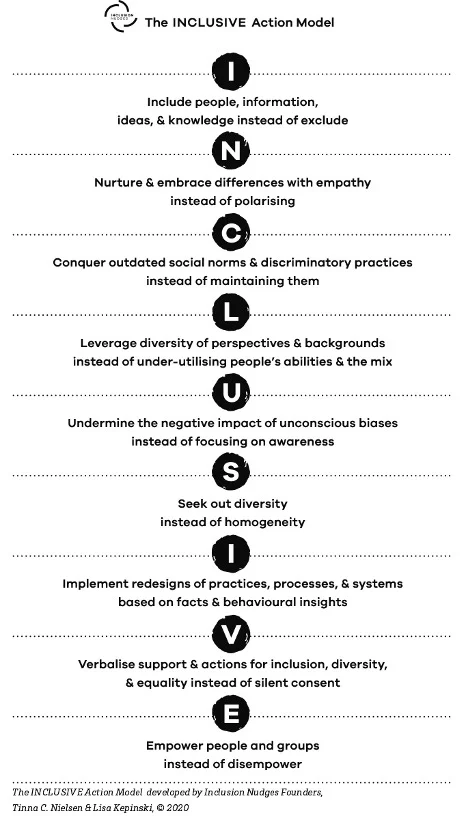
Practical tools, such as "Inclusion Nudges," can play a crucial role in supporting these efforts. By leveraging insights from behavioral science, these nudges can help organizations:
- Show Data to Easily See Problems & Do Actions: Presenting compelling, accessible data about inequalities within the organization can prompt recognition and motivate action.
- Alternative to Diversity Excuses: Systematically dismantle common justifications for lack of diversity by highlighting tangible benefits and actionable strategies.
- Re-frame ‘Migrant’ to ‘Human’ and Images Framing Immigrants as One of Us: Employ language and imagery that promotes empathy and breaks down ‘us vs. them’ mentalities, fostering a sense of shared humanity.
- Anti-Xenophobia Campaign Realising What We Lose & Counter Stereotypes Using Images & Social Media: Actively challenge stereotypes and xenophobia by showcasing the value of diversity and the richness that different perspectives bring.
Looking Ahead: The Path to Inclusive Leadership
The current era, marked by ambiguity and rapid change, necessitates continuous reflection and adaptation. The research summarized here underscores a critical truth: the dynamics of polarisation and activism are not transient phenomena but enduring forces that will continue to shape the workplace for the foreseeable future. Organizational leaders are at a crossroads, facing an imperative to move beyond rhetoric and embrace authentic, action-oriented inclusive leadership.
The insights from the pandemic-era shifts in work, particularly concerning polarisation and activism, serve as a potent reminder that effective DEI strategies are no longer optional but essential for navigating the complexities of the modern world. They require leaders to engage deeply, listen intently, and act decisively, transforming their organizations into spaces where all individuals feel valued, respected, and empowered to contribute.
This article is part of a series examining the pandemic-era shifts in work and DEI, categorized into Purpose, People, Process & Policy, and Polarisation & Activism. For further insights, please refer to the full series available on the Inclusion Nudges blog.