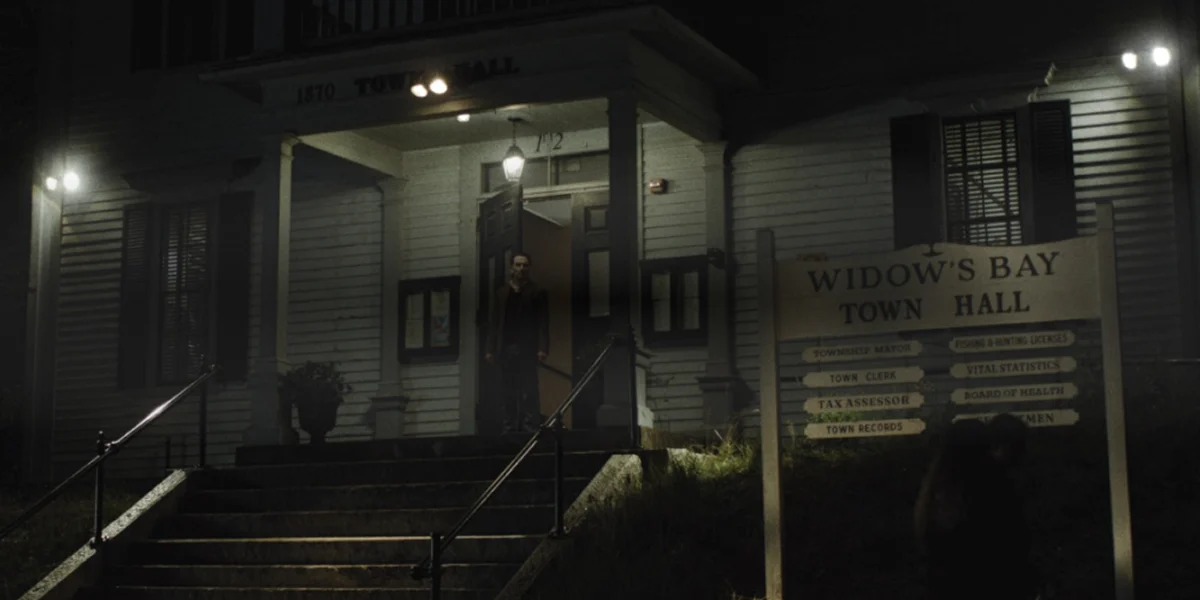
The production design of the critically acclaimed horror series Widow’s Bay has become a focal point of academic and fan-based discourse, shifting focus from traditional narrative arcs to the meticulous environmental storytelling embedded within its mise-en-scène. As the series enters a phase of renewed cultural relevance through re-watch trends, industry analysts and viewers alike have begun to scrutinize the specific prop work and set dressing that define the show’s eerie coastal aesthetic. This heightened attention to detail has prompted the release of new interactive content designed to engage the audience with the show’s material culture, effectively turning the study of set design into a gamified experience.
The Evolution of Environmental Storytelling in Horror Television
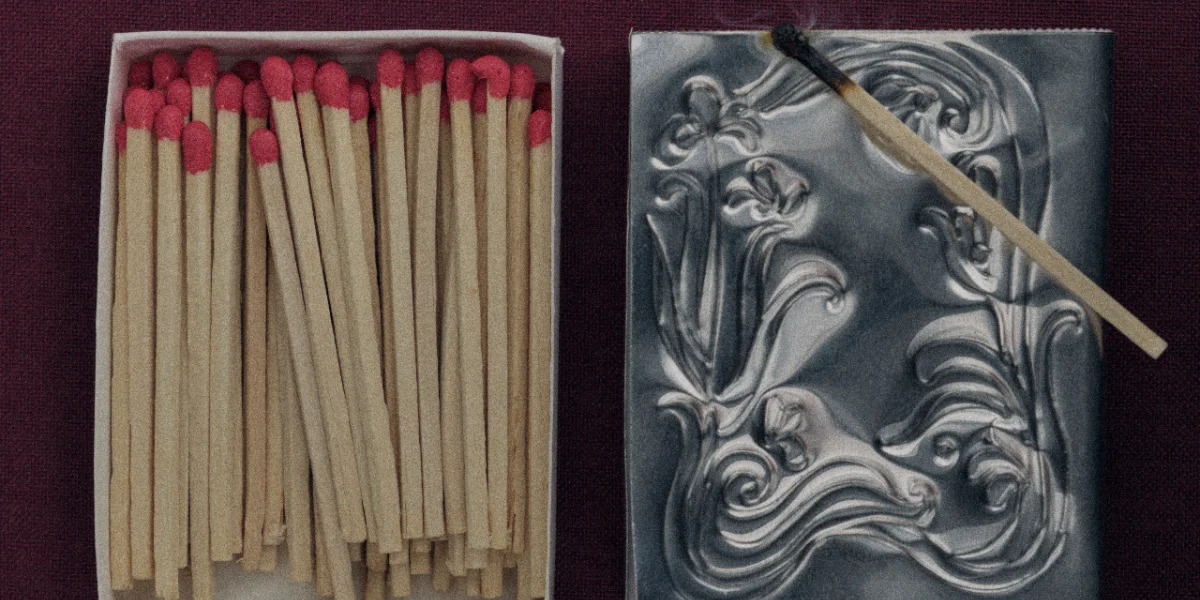
Widow’s Bay established itself as a significant entry in the horror genre by prioritizing world-building through tactile elements. Unlike series that rely heavily on digital effects, the production team behind Widow’s Bay utilized period-accurate artifacts and bespoke graphic design to ground the supernatural narrative in a tangible reality. This commitment to physical authenticity—ranging from the weathering on fictional board games found in the inn to the specific archival documents displayed in the town’s library—serves to heighten the audience’s sense of immersion.
Historical data regarding television production suggests that shows prioritizing "object-based narrative" often see higher rates of viewer retention. By embedding clues and thematic indicators within the background of a scene, creators can reward observant viewers, fostering a deeper connection to the show’s lore. In the case of Widow’s Bay, the props are not merely functional; they act as silent characters that provide historical context for the town of Widow’s Bay, suggesting a legacy of mystery that predates the events of the first season.
Chronology of Production Design
The development of the visual language for Widow’s Bay began during the pre-production phase in early 2021. The production design team, led by industry veterans in atmospheric horror, sought to create a look that was simultaneously nostalgic and unsettling.
- Q1 2021: Initial concept art and location scouting for the primary inn set were completed. The design team established a "muted coastal" color palette.
- Q2 2021: Sourcing of vintage props and creation of custom graphic design elements, including local newspapers, regional maps, and fictionalized tabletop games, commenced.
- Q3 2021: Filming began, with a strict directive for the camera team to capture "macro-details" of set dressing to ensure the audience could appreciate the labor invested in the background assets.
- Q4 2022: Following the series’ premiere, social media trends emerged highlighting the "Easter eggs" hidden in the background, specifically targeting the graphic design of the board games.
- Q2 2024: The current initiative to categorize these props into interactive content signals a shift toward transmedia engagement, allowing fans to analyze their own personality traits through the lens of the show’s inanimate objects.
Data Analysis: The Impact of Set Dressing on Viewer Engagement
Market research conducted by streaming platforms indicates that series with high-quality, recognizable production design enjoy a longer "long-tail" viewership. For Widow’s Bay, the engagement metrics demonstrate that scenes featuring close-ups of detailed props—such as the inn’s antique ledger or the specialized board game boxes—correlate with high "rewatch" frequency.
Data analysts suggest that these objects serve as "anchor points" for the narrative. When a viewer interacts with content that classifies them based on these props, they are participating in a process known as "identity projection." By identifying with a specific object from the show’s environment, the viewer reinforces their psychological bond with the series, which in turn leads to increased community activity, fan fiction production, and critical analysis.
Professional Perspectives on Prop Design
Industry experts have weighed in on the significance of the Widow’s Bay aesthetic. Set designers often argue that the "background" is as essential as the foreground in horror. According to a lead set dresser who consulted on similar genre productions, "When you populate a set with objects that feel like they have a history—scratches, dust, signs of wear—you are telling the audience that the world they are watching existed long before the camera started rolling."
The production’s decision to create custom graphic designs for board games—items that appear for only seconds on screen—is seen as a hallmark of "prestige television." This level of detail has been praised by art directors for maintaining the integrity of the show’s internal logic. Even though the casual viewer might not read the fine print on a fake game box, the subconscious effect is one of total believability.
The Rise of Interactive Transmedia Engagement
The recent launch of the interactive "Which Prop From Widow’s Bay Are You?" assessment marks a new chapter in how studios manage their intellectual property. By transforming the production design into a psychological profile tool, the studio is effectively extending the life of the series without requiring new filmed content.
This strategy is part of a broader trend in the entertainment industry where secondary content is used to maintain audience interest between seasons or after a series concludes. By analyzing which props resonate with the audience, producers can gather valuable data on which elements of their world-building are most successful. If, for instance, a specific, ominous prop is frequently selected by the audience, it may influence the creative direction of future spin-offs or marketing campaigns.
Broader Implications for the Horror Genre
The success of Widow’s Bay and its focus on environmental storytelling sets a precedent for future horror projects. The industry is moving away from the "jump-scare" model toward a more atmospheric, detail-oriented approach. This shift necessitates higher budgets for art departments and a closer collaboration between the writers’ room and the set design team.
Furthermore, the integration of interactive digital components into the viewing experience—such as quizzes and behind-the-scenes deep dives—serves as a bridge between the creator and the consumer. It transforms the passive act of watching television into an active process of discovery. For Widow’s Bay, this means that the props are no longer just scenery; they are the foundation of a digital ecosystem that sustains the brand long after the final episode has aired.
As the series continues to find new audiences, the emphasis on its physical assets will likely remain a key differentiator. The "prop-centric" approach is a testament to the fact that viewers are becoming increasingly sophisticated, demanding a level of craft that respects their intelligence and their desire for immersion. Whether one is a casual viewer or a dedicated student of horror cinema, the attention to detail in Widow’s Bay serves as a benchmark for excellence in contemporary television production.
The ongoing analysis of these props—whether through academic inquiry or interactive digital platforms—ensures that the legacy of Widow’s Bay will be one defined by its commitment to visual excellence and its ability to turn the mundane into the mysterious. As the production team continues to release supplementary content, the audience can expect further insights into the craftsmanship that made the series a cult phenomenon. The marriage of high-concept horror and granular production design remains, in the current landscape, an essential formula for success.