A groundbreaking study by Tulane University researchers has uncovered a concerning correlation between exposure to wildfire smoke during the third trimester of pregnancy and an elevated risk of autism spectrum disorder (ASD) in children. Even brief periods of smoke exposure, lasting only a few days, were associated with a statistically significant increase in this risk, suggesting a critical vulnerability of fetal development to airborne pollutants during the final stages of gestation.
The comprehensive research, published in the esteemed journal Environmental Science & Technology, meticulously analyzed the medical records of over 204,000 mother-child pairs in Southern California, spanning from 2006 to 2014. By cross-referencing this data with estimated levels of fine particulate matter (PM2.5) at the mothers’ residential addresses, the study provided robust evidence of the detrimental impact of wildfire smoke on prenatal development.
Key Findings and Magnitude of Risk
The study revealed that women exposed to wildfire smoke for more than 10 days during their third trimester, typically encompassing weeks 28 to 40 of pregnancy, faced approximately a 23% higher likelihood of having a child later diagnosed with autism, when compared to mothers with no smoke exposure during this crucial period. However, the research team emphasized that even shorter durations of exposure carried significant weight.
"Even a one-day or two-day exposure is still 10%," stated Mostafijur Rahman, an assistant professor of environmental health sciences at Tulane University’s Celia Scott Weatherhead School of Public Health and Tropical Medicine and a co-author of the study. "Ten percent is also a big number." While acknowledging that the absolute risk for any individual pregnancy remains relatively small, Rahman underscored the collective impact and the importance of recognizing these associations.
Understanding the Nature of Wildfire Smoke
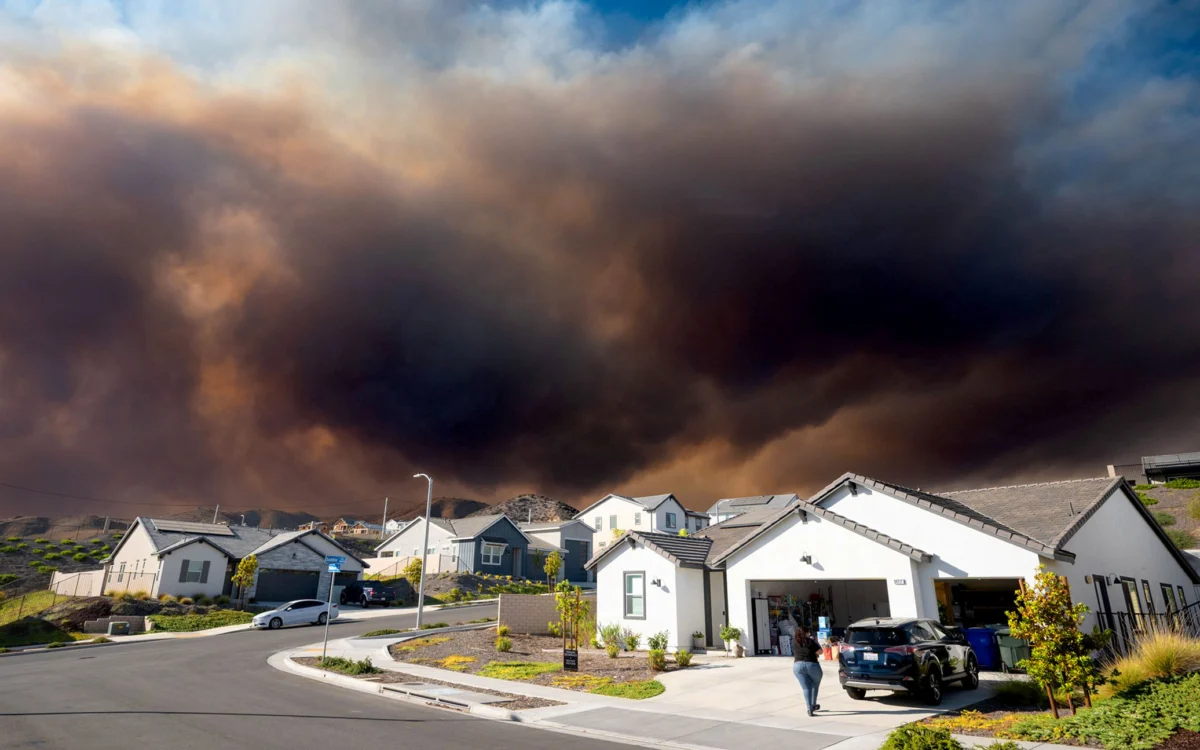
Wildfires release microscopic particles known as PM2.5, which are approximately 30 times smaller in diameter than a single strand of human hair. These particles are not merely ash; they represent a complex and toxic mixture. This concoction includes combusted vegetation, soot resulting from incomplete burning processes, chemical salts formed within the smoke, trace metals released from burning materials, and additional secondary particles that form in the atmosphere as gaseous emissions from the fire react with other environmental pollutants. Their minute size allows them to be easily inhaled and penetrate deep into the lungs, and potentially cross into the bloodstream, posing a systemic threat.
Broader Implications for Air Pollution and Developing Fetuses
The findings of the Tulane study resonate beyond the specific context of Southern California’s frequent wildfire events. While Louisiana may not typically experience the same intensity of wildfire smoke, the state is not immune to its presence and faces other significant sources of air pollution. In 2023, New Orleans experienced prolonged periods of smoke from smoldering peat fires, and wildfires in western Louisiana scorched vast areas. Furthermore, industrial incidents, such as a 2025 fire at an industrial facility in Roseland that rained soot on nearby communities, highlight localized pollution risks. The long-standing issue of persistent pollution along the "Cancer Alley" industrial corridor, situated between Baton Rouge and New Orleans, further underscores the pervasive presence of airborne toxins in the state.
"We do know that air pollution – whatever form it is – is not good," commented study author David Luglio, reinforcing the broader message. The research team’s prior work has also established a general link between air pollution and an increased incidence of autism. "Air pollution itself is bad, whether it is coming from wildfire, petrochemical industry or traffic," reiterated Rahman. This emphasizes that the specific source of pollution may be less critical than the presence of harmful particulate matter and associated toxins.
The Criticality of the Third Trimester
The study’s focus on the third trimester is particularly significant. While major organ development largely concludes earlier in pregnancy, the third trimester is a period of rapid and crucial growth for the fetal brain and lungs. These developing systems are highly susceptible to even minor disruptions in oxygen delivery, which can be exacerbated by inflammatory responses triggered by inhaled pollutants.
Dr. Stefania Papatheodorou, an OB-GYN and environmental epidemiologist at Rutgers University, elaborated on the potential biological mechanisms. "Air pollution can increase inflammation and oxidative stress in the mother, potentially affecting placental function and blood flow," she explained. This cascade of physiological responses can directly impact the developing fetus, leading to neurological and developmental consequences.
Dr. Papatheodorou stressed the relevance of these findings for regions like Louisiana, even in the absence of widespread wildfire smoke. "Although the sources and composition differ, many of the harmful components overlap," she noted. "Both wildfire smoke and industrial pollution contain fine particulate matter and other toxic gases that can be inhaled and enter the bloodstream." This shared characteristic means that the risks identified in the study are not confined to a single type of environmental hazard.
Navigating Risk and Promoting Well-being
Despite the concerning findings, Dr. Papatheodorou sought to reassure expectant mothers. "This is about risk reduction," she emphasized. "Pregnant people shouldn’t feel guilty or overly anxious, just informed and supported." She advised pregnant individuals to remain vigilant about air quality alerts and to minimize outdoor activities on days with poor air quality. Recommendations include utilizing air conditioning and keeping windows closed to reduce indoor exposure. For those who must be outdoors, a well-fitted N-95 mask can be an effective tool for filtering out PM2.5 particles.
The study’s implications extend beyond individual precautions, suggesting a need for broader public health strategies to mitigate air pollution. As research continues to illuminate the intricate connections between environmental factors and developmental outcomes, informed policy decisions and community-level interventions become increasingly vital. The Tulane University study serves as a critical reminder that the air we breathe has a profound and lasting impact on the health of future generations.
The research was supported by grants from the National Institute of Environmental Health Sciences and the National Institute of Child Health and Human Development. This study builds upon a growing body of evidence linking prenatal exposure to various environmental pollutants with adverse neurodevelopmental outcomes. The long-term implications of these findings necessitate continued investigation into the specific components of air pollution that pose the greatest risk and the development of effective protective measures for vulnerable populations.
This article is based on research published in Environmental Science & Technology by Tulane University researchers. The original reporting was by The Times-Picayune | The New Orleans Advocate and distributed by Tribune Content Agency, LLC.