
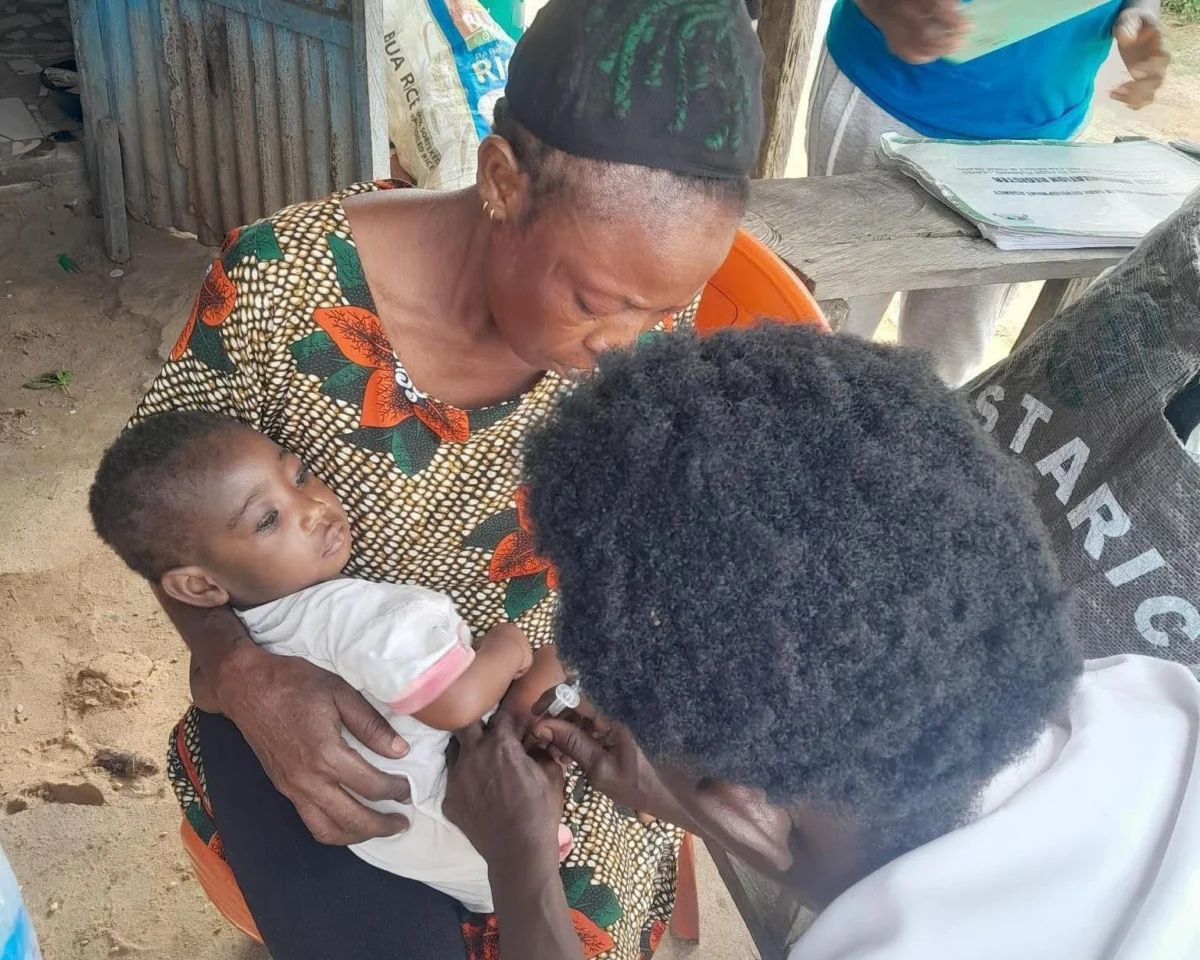
For nearly two decades, the specter of a childhood fever cast a long, unyielding shadow over Mrs. Favour’s household in Nigeria’s Bayelsa State. As a hairdresser and mother in the tight-knit Yenegwe community, her worldview regarding public health had been shaped—and severely fractured—by a single, terrifying incident nearly twenty years ago. When her firstborn child experienced a distressing constellation of symptoms, including high fever, severe restlessness, and intestinal distress immediately following routine immunizations, Mrs. Favour drew a definitive conclusion. Though that child ultimately recovered, the traumatic episode planted a seed of profound mistrust. To Mrs. Favour, vaccines were no longer life-saving interventions; they were perceived as hidden dangers. Consequently, she made a steadfast vow that profoundly altered the health trajectory of her family: she refused subsequent vaccinations for all her children.
Fast forward to June 10, 2026. At an outreach immunization session jointly orchestrated by the Yenegwe Primary Health Center with vital technical and logistical support from John Snow, Inc. (JSI), health workers identified her youngest child, one-year-old Baby Rejoice, as a "zero-dose" child—an infant who had never received a single routine immunization. In many public health frameworks, zero-dose children represent the most vulnerable demographic, serving as a barometer for systemic health disparities, geographic isolation, or deep-seated community mistrust. For Rejoice, that vulnerability was broken not by coercion or mandate, but by a quiet, empathetic conversation that bridged a twenty-year divide.
The Anatomy of Hesitancy: Listening Over Lecturing
Public health experts increasingly recognize that vaccine hesitancy is rarely a monolith of outright hostility or fringe conspiracy; rather, it is frequently rooted in unaddressed trauma, profound fear, and information gaps. When Esogenwune Nwabueze, a JSI Bayelsa State advocacy, communication, and social mobilization (ACSM) officer, approached Mrs. Favour during the June outreach, he did not launch into a scripted statistical defense of immunization programs. Instead, he exercised active listening.
Nwabueze invited Mrs. Favour to share her story, validating the genuine terror she felt two decades prior when her eldest child fell ill. By creating a safe, non-judgmental space, the ACSM officer was able to gently unpack the medical reality behind the mother’s fears. He walked her through the concept of Adverse Events Following Immunization (AEFI), explaining that many common post-vaccination reactions—such as mild fevers, localized soreness, or fussiness—are normal, expected physiological responses indicating that the immune system is actively building protection. Crucially, he clarified that these symptoms do not necessarily signify a dangerous causal failure or toxicity within the vaccine. He provided actionable guidance on danger signs, equipping the caregiver with the knowledge of what to monitor and how to respond calmly if a child experiences post-immunization reactions.
This respectful dialogue transformed Mrs. Favour’s perspective. Empowered by evidence-based counseling rather than intimidation, she made the monumental decision to consent. On that single day, Baby Rejoice received six life-saving vaccines designed to shield her against a battery of deadly and debilitating illnesses, including tuberculosis, polio, hepatitis B, diphtheria, pertussis (whooping cough), tetanus, pneumonia, rotavirus, and meningitis.
The Non-Linear Journey from Hesitancy to Complete Immunization
Achieving vaccine acceptance is rarely a straight line, and the aftermath of Mrs. Favour’s initial turnaround underscored the complex realities of grassroots public health delivery. Although Baby Rejoice was successfully enrolled and scheduled for her subsequent vaccination visit exactly one month later, the follow-up appointment was missed. In communities burdened by daily economic pressures, domestic responsibilities, and lingering psychological barriers, missing a follow-up date is a common hurdle that can easily push a newly engaged family back into default status.
Recognizing the critical window of opportunity, the Yenagoa immunization office did not wait passively. Leveraging local tracking mechanisms, health workers initiated a follow-up home visit to check on Mrs. Favour and Baby Rejoice. The field officers reassured the mother, reinforcing that the upcoming antigens were precisely calibrated for the child’s developmental age and remained essential for closing her immunity gap.
This proactive persistence paid off. The following month, Baby Rejoice successfully received her remaining missed antigens, including crucial subsequent doses of the pentavalent vaccine (Penta 2), oral polio vaccine (OPV 2), rotavirus protection, and newly integrated malaria immunization components. The seamless coordination between JSI’s mobilization team and the Yenagoa primary health facility highlighted an indispensable lesson for modern immunization campaigns: bridging the zero-dose gap requires robust defaulter-tracking systems, clear lines of accountability, and relentless, compassionate follow-up.
Broader Implications and Data-Driven Context in Nigeria
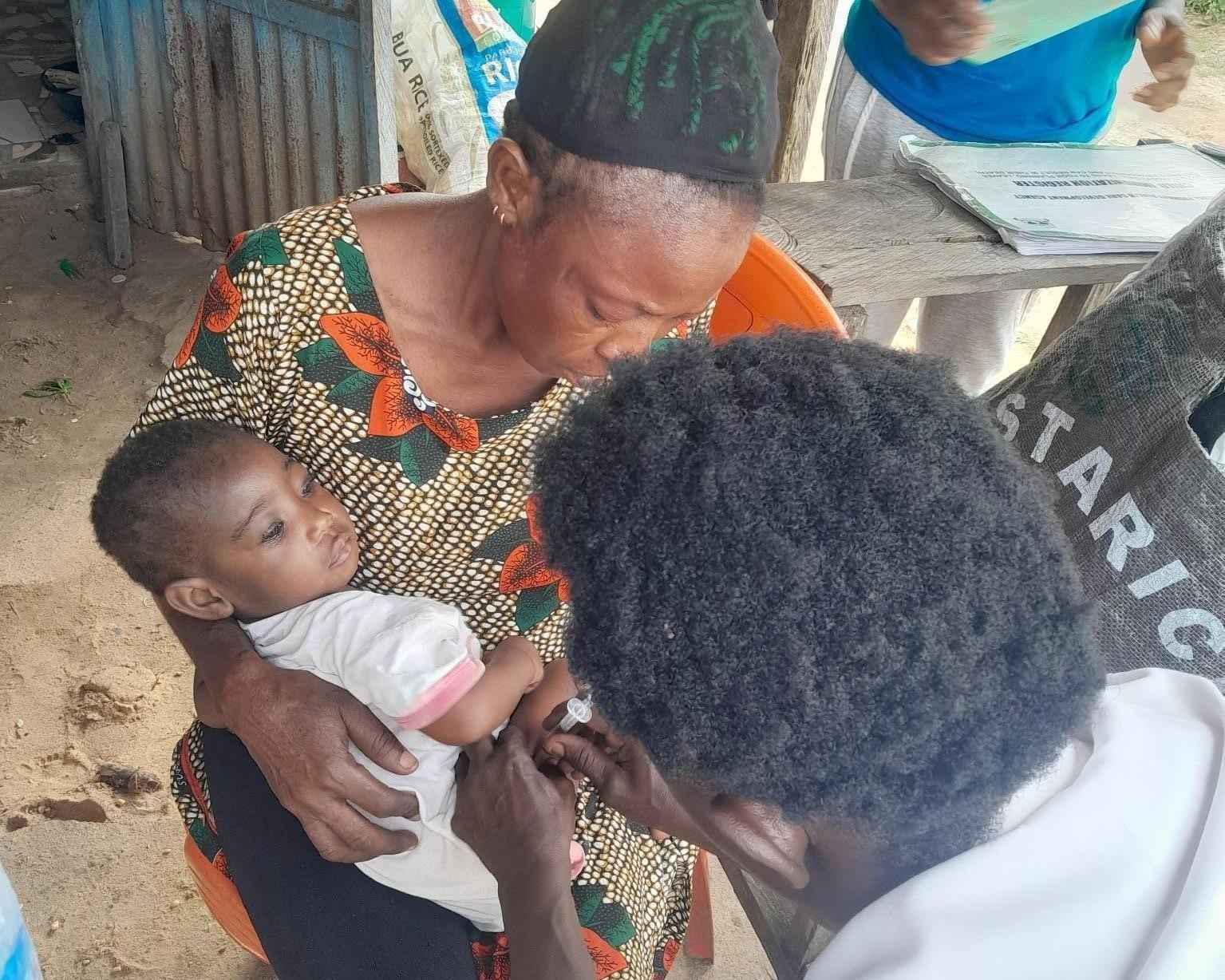
The narrative unfolding in Bayelsa State is emblematic of a broader national and global challenge. Nigeria, as Africa’s most populous nation, has historically shouldered a disproportionate share of the global burden of zero-dose and under-immunized children. According to recent demographic and health data, systemic barriers—ranging from supply chain bottlenecks and primary healthcare infrastructure deficits to socio-cultural hesitancy and misinformation—have continually threatened child survival metrics.
Childhood vaccine-preventable diseases such as measles, pertussis, and polio continue to pose severe public health threats in under-immunized pockets. When children like Baby Rejoice miss their routine immunizations, they act as vulnerable vectors within communities, sustaining transmission cycles that endanger broader herd immunity. The intervention by JSI and local health authorities in Bayelsa illustrates how targeted ACSM strategies can effectively neutralize these epidemiological threats at the grassroots level.
Furthermore, data from global health initiatives consistently demonstrate that investing in interpersonal communication yields exponential returns. While mass media campaigns play a vital role in raising general awareness, it is the localized, one-on-one engagement by trusted community mobilizers—individuals who understand local cultural nuances and dialectic sensitivities—that ultimately persuades skeptical caregivers.
Official Responses and Institutional Commitment
The success of the Yenegwe outreach has drawn commendation from regional health leaders, who view the case study as a blueprint for overcoming persistent community mistrust. Dr. Williams Appah, Executive Secretary of the Bayelsa State Primary Health Care Board, emphasized the collaborative nature of this public health victory.
"No child is beyond reach when communities, health workers, and partners like JSI work together," Dr. Appah stated, reflecting on the institutional drive required to track and immunize marginalized children. "At the Bayelsa State Primary Health Care Board, we remain firmly committed to identifying and reaching every zero-dose and under-immunized child with life-saving vaccines."
Echoing this sentiment, Esogenwune Nwabueze reflected on the fundamental philosophy driving his daily fieldwork as an ACSM officer. "Every caregiver deserves accurate information so they can make informed decisions for their children," Nwabueze noted. "Many vaccine refusals are rooted in fear, misinformation, or past experiences. Listening is often the first step toward building trust."
Looking Forward: Sustaining Momentum in Community Health
As Baby Rejoice continues to grow up healthy and protected, the ripple effects of her immunization extend far beyond her immediate family. For Mrs. Favour, a nineteen-year cycle of fear and self-imposed isolation from the public health system has been permanently broken. In a reflective moment following her daughter’s vaccination, she shared a profound realization that speaks volumes to health programmers across the globe.
"After my experience with my first child, who is now 19 years old, I refused vaccines for all my children because I believed immunization was dangerous," Mrs. Favour recounted. "Nobody had explained to me that those reactions could happen and what to do about them. Today, they listened and answered my questions. This gave me the confidence to allow Baby Rejoice to be vaccinated."
The implications of this case study stretch far beyond the borders of Bayelsa State. It serves as a compelling reminder that public health infrastructure cannot rely solely on the physical distribution of vials and syringes. True immunization coverage requires an equal, dedicated investment in the human element—cultivating empathy, repairing historical mistrust through transparent dialogue, and ensuring that no parent feels abandoned or judged when asking difficult questions about their children’s health. By marrying clinical precision with compassionate community engagement, health systems can systematically dismantle fear and secure a healthier, fully immunized future for the next generation.




