
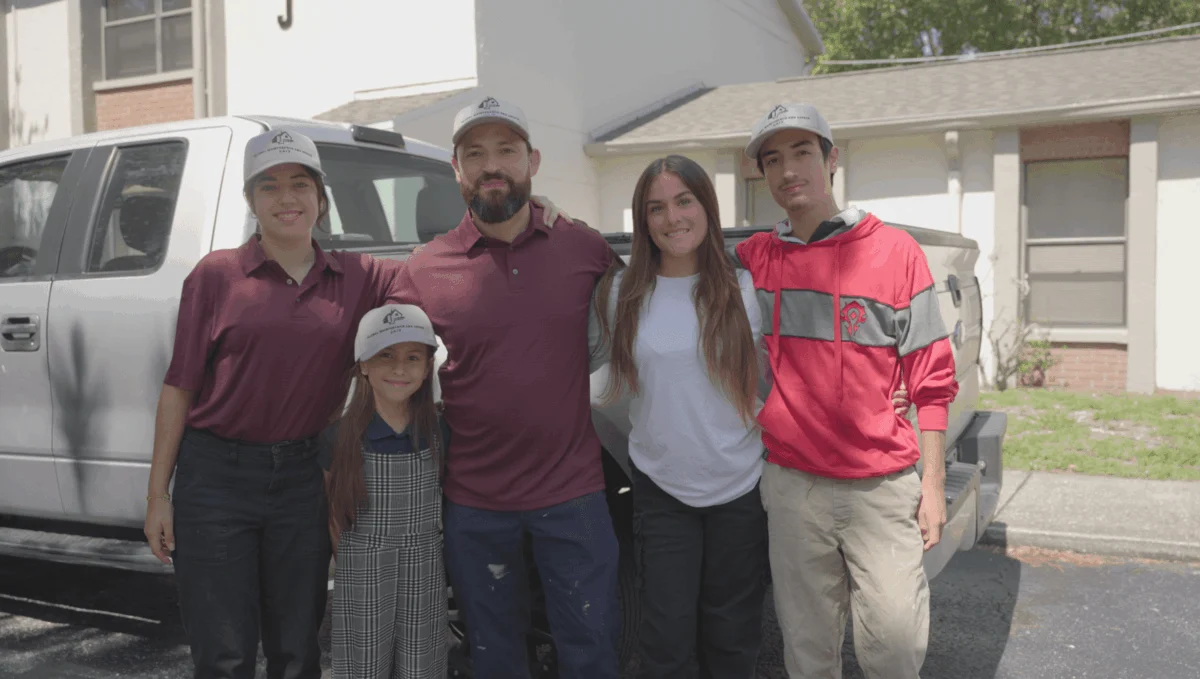
When Pedro’s daughter first climbed into the family’s first car in the United States, she likened the vehicle to a spaceship, a whimsical observation that masked the profound gravity of the moment for her parents. For Pedro, a Venezuelan refugee who arrived in the U.S. in 2024, the acquisition of a reliable vehicle was not merely a consumer milestone; it represented a critical shift from precarious survival to long-term stability. This transition, moving from the immediate chaos of displacement to the structured pursuit of a permanent livelihood, is the focal point of a growing body of research on resettlement efficacy. As organizations like HIAS shift their operational models to prioritize long-term integration over short-term survival, the case studies of individuals like Pedro and another participant, Maryam, offer a blueprint for how systemic support can catalyze economic mobility for the displaced.
The Chronology of Displacement and Integration
The trajectory of a refugee’s journey is rarely linear. Upon initial arrival in the United States, the primary focus for most newcomers is logistical: securing temporary housing, navigating healthcare enrollment, and meeting basic food security needs. This initial phase, typically managed by federal and local resettlement agencies, provides the bedrock for survival. However, data from the Office of Refugee Resettlement (ORR) consistently indicates that the "resettlement cliff"—a period occurring roughly six to twelve months after arrival—often leaves individuals vulnerable as public assistance programs expire and the expectation for full economic independence takes hold.
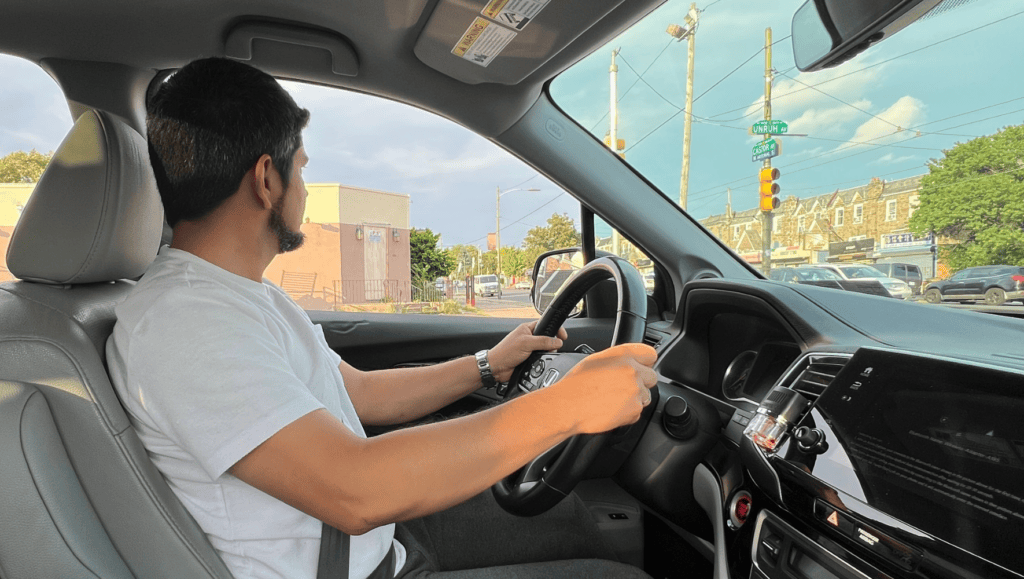
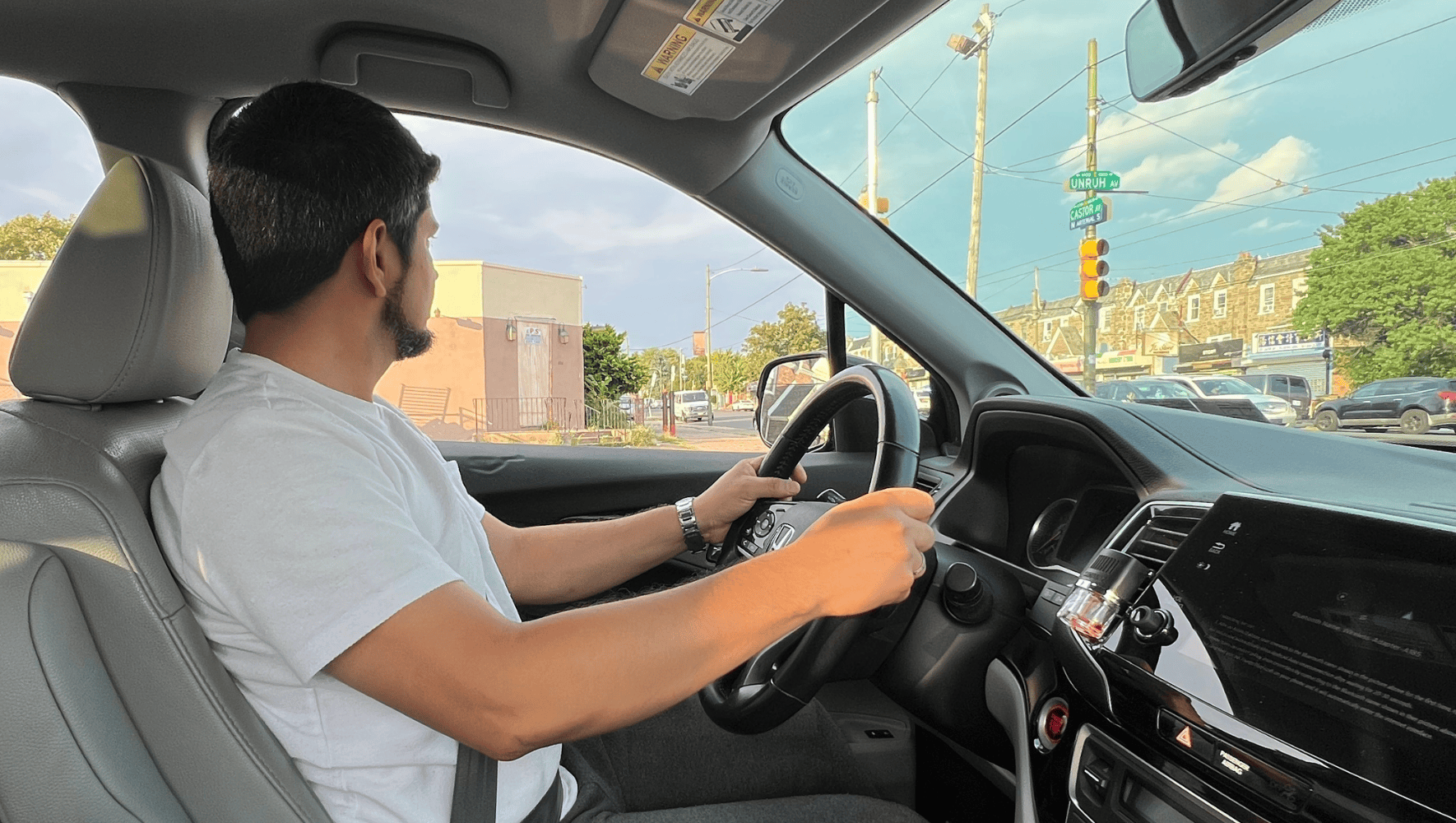
For Pedro and his family, the transition period was marked by the inefficiency of public transit in Philadelphia. The commute to his job in electrical manufacturing was a daily exercise in uncertainty, characterized by multi-bus transfers and the looming risk of lost wages due to transit delays. His experience mirrors that of thousands of newcomers who find that without private transportation, their ability to secure better employment or pivot to skilled trades remains severely constrained. By 2025, through participation in HIAS’s Individual Development Account (IDA) program, Pedro began a structured financial journey. This program, which matches personal savings, provided the necessary capital for his first vehicle, while concurrently offering the financial literacy training required to navigate American insurance, maintenance, and automotive markets.
Data-Driven Economic Empowerment
The efficacy of programs like the IDA lies in their ability to bridge the gap between emergency assistance and long-term asset building. Economic empowerment initiatives for refugees are grounded in the understanding that financial stability is a primary determinant of mental health and social integration. According to reports from the Migration Policy Institute, refugees who gain access to credit, asset-building programs, and vocational training show a significantly higher rate of upward mobility within the first five years of settlement.
In the case of the HIAS program, participants are not merely given resources; they are equipped with the technical knowledge to manage them. For Maryam, a participant who faced the added complexity of managing a household and financial responsibilities independently for the first time, the program served as a training ground for self-sufficiency. Her journey from navigating daily bills to mastering the complexities of vehicle ownership is emblematic of the "capability approach" in social services, which focuses on providing individuals with the tools to expand their own freedoms and choices. By providing financial literacy—covering everything from predatory lending awareness to insurance evaluation—the program transforms a one-time purchase into a lifelong skill set.
The Role of Resettlement Partners in Modern Integration
The current U.S. landscape for refugees is characterized by an increasing reliance on public-private partnerships. As federal funding for resettlement fluctuates, non-governmental organizations (NGOs) have had to innovate, creating networks that extend well beyond the initial 90-day arrival window. This is a crucial evolution, as modern displacement often involves professionals, skilled laborers, and families with complex educational backgrounds who are temporarily sidelined by the lack of local credentials or transportation.
HIAS, as a prominent resettlement agency, has increasingly emphasized these "bridge services." By providing legal assistance with green card applications alongside economic support, the agency addresses the two most significant sources of anxiety for refugees: their legal status and their economic viability. Legal certainty, achieved through expert guidance on immigration procedures, directly correlates with higher levels of workforce participation, as refugees are more willing to invest in long-term career training when they are confident in their right to remain.
Analysis: The Societal Implications of Long-Term Support
The integration of refugees is not solely a humanitarian obligation; it is an economic imperative. Economists have frequently noted that when refugees are successfully integrated, they become net contributors to the economy, filling labor shortages in manufacturing, healthcare, and service sectors. The "spaceship" moment experienced by Pedro’s daughter, while personal, has broader societal implications. When refugees move from the margins of the workforce to stable, mobile employment, they increase their taxable income, reduce their reliance on social safety nets, and foster community cohesion.
Furthermore, the emphasis on "being a good neighbor"—a sentiment echoed by Pedro—suggests that economic stability is a prerequisite for social participation. A refugee who is constantly stressed by transportation or housing instability is less likely to engage in civic life or build the interpersonal connections that form the basis of a healthy community. By moving away from a model of "passive aid" toward "active partnership," agencies are helping to normalize the role of the refugee as an integral participant in local commerce and civic culture.
Challenges and Future Outlook
Despite the successes of programs like the IDA, significant barriers remain. Inflationary pressures on the cost of vehicles and insurance have made asset-building more difficult for low-income families. Furthermore, the volatility of the immigration landscape often leads to policy shifts that can disrupt the long-term planning of both the agency and the individual. The challenge for the next decade will be scaling these successful interventions to meet the needs of a growing refugee population while maintaining the personalized support that makes these programs effective.
Experts suggest that the future of successful resettlement lies in the institutionalization of these "beyond-arrival" services. Rather than viewing the end of the initial resettlement period as a finish line, policy makers are being encouraged to view it as the starting point for a multi-year development cycle. This includes integrating mental health resources into economic programs, as the trauma of displacement can often manifest as a barrier to the risk-taking required for financial advancement.
Conclusion: A Foundation for Growth
As Pedro looks toward the future, his goals have expanded from simple survival to the prospect of entrepreneurship. His aspiration to turn his skills in electronics repair into a formal business is a direct byproduct of the security he achieved through the program. His story serves as a reminder that the path to integration is built on small, incremental milestones—a car, a license, a stable job, and the confidence to navigate a foreign system.
For Maryam, the journey was equally transformative. The transition from someone who needed translation and logistical support to someone who helps other newcomers navigate the same systems is the ultimate indicator of successful integration. It represents the creation of a self-sustaining support network where those who have been helped eventually become the helpers. In the broader context of American history, this cycle of integration has been a hallmark of immigrant success. By investing in the long-term potential of displaced people, the United States not only fulfills its humanitarian commitment but also reinforces its economic and social fabric. As programs continue to evolve, the focus will undoubtedly remain on these individual stories of resilience, reminding us that with the right support, the journey from displacement to belonging is not only possible but inevitable.




