
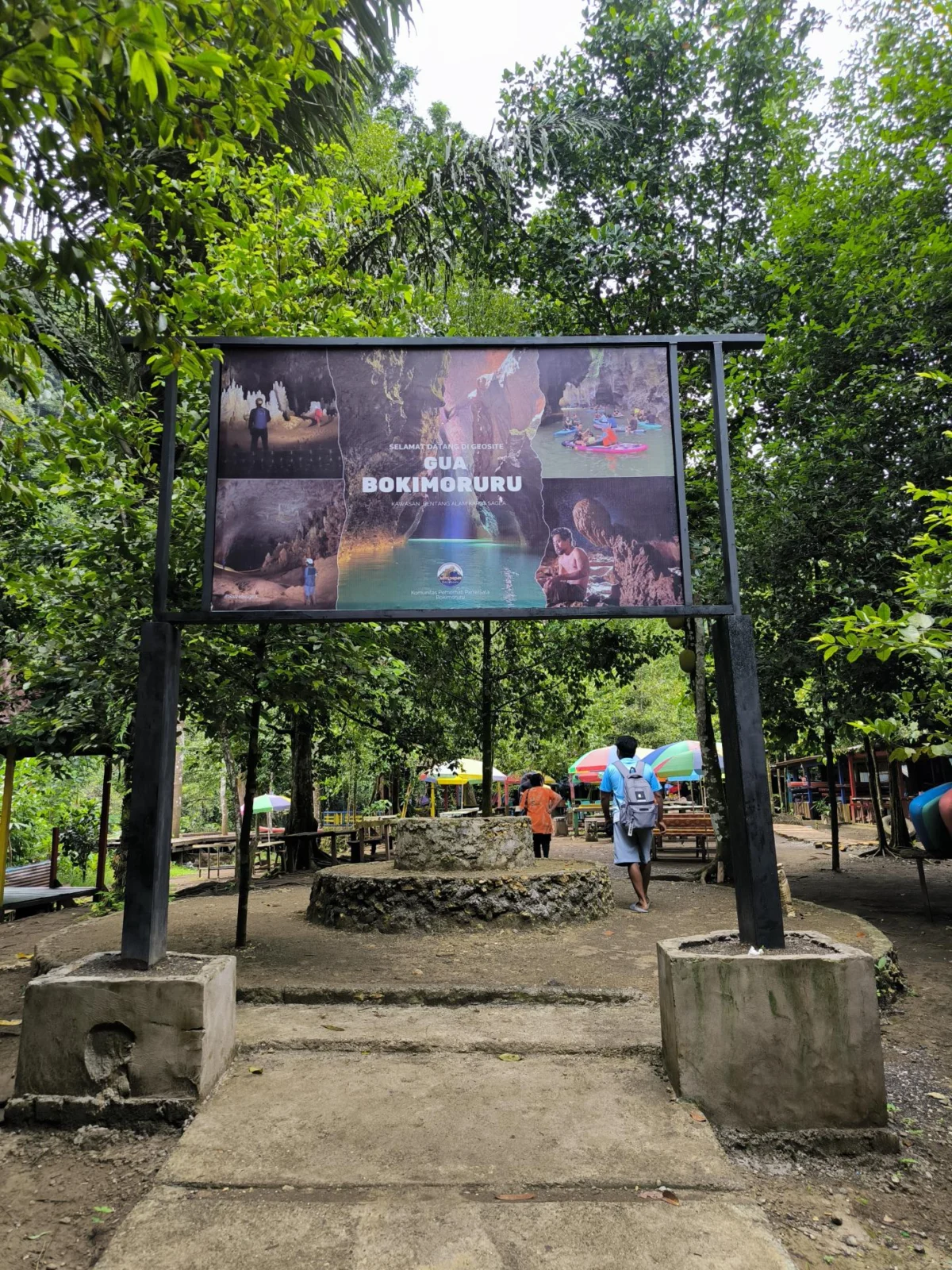
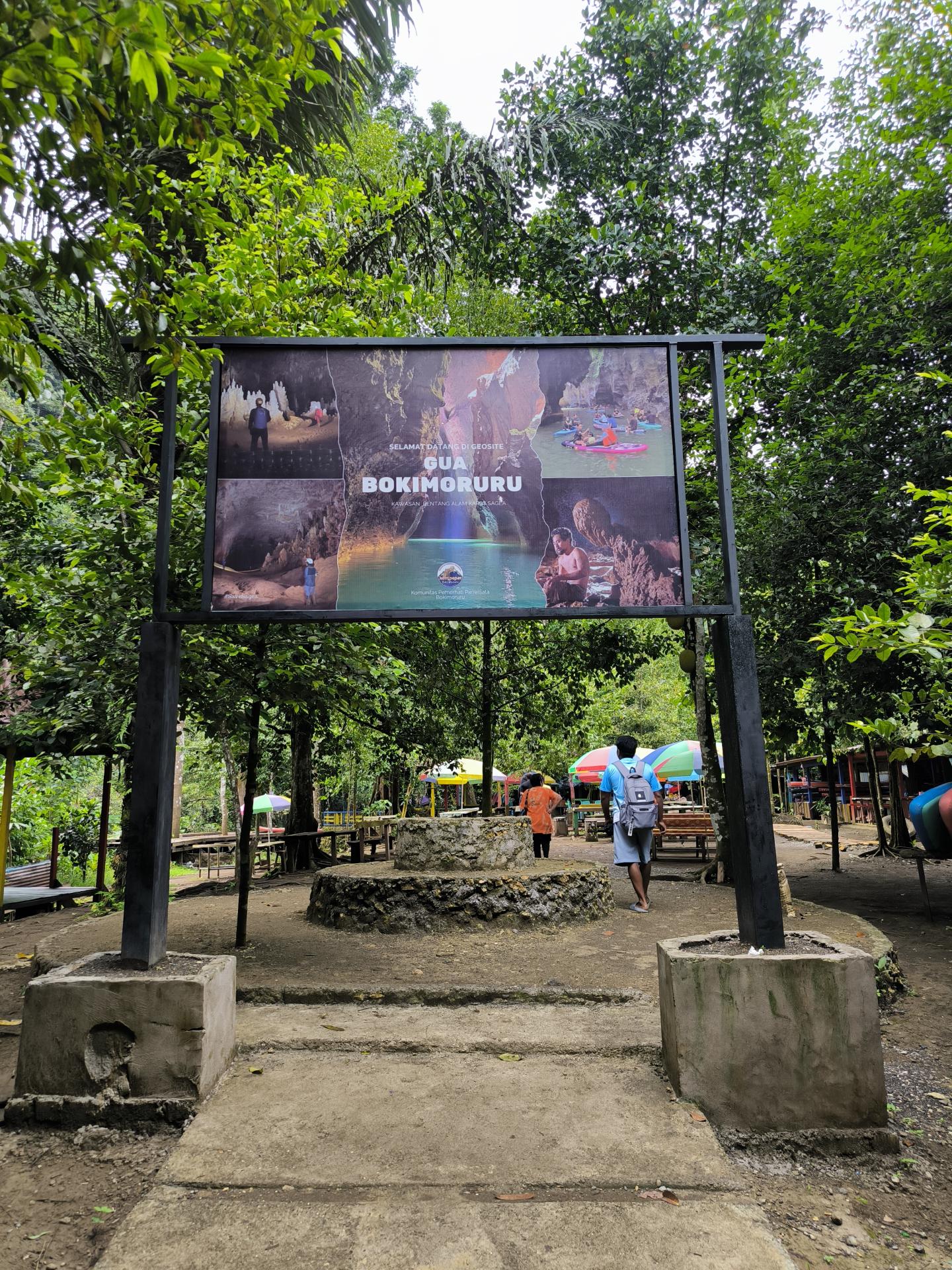
The breathtaking landscape of Bokimoruru Cave—one of Halmahera Island’s most extensive and remarkable karst cave systems—is facing unprecedented ecological threats driven by the aggressive expansion of the nickel mining industry in Indonesia’s North Maluku Province. Situated in Sagea Village within the North Weda District of Central Halmahera Regency, the cave, locally known as Boki Maruru, is a geological masterpiece. It features an underground river system spanning approximately 7.6 kilometers, crystal-clear turquoise waters, and towering stalactites and stalagmites that resemble white marble sculptures. However, this natural and cultural sanctuary is now caught in the crosshairs of a booming global demand for green-transition minerals, pitting industrial progress against local ecological preservation and indigenous survival.
Geological Wonder and Cultural Sanctuary
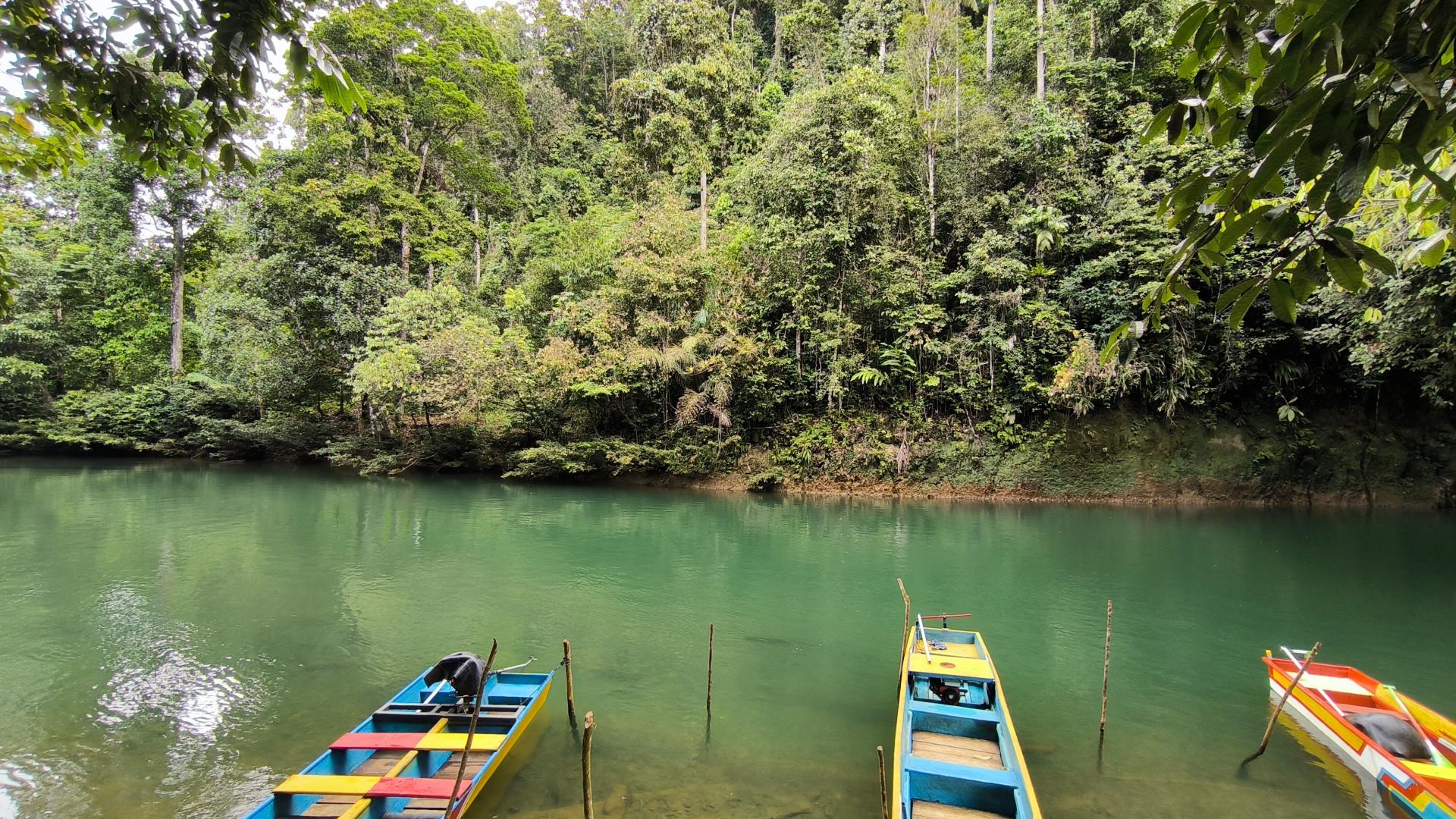
To reach the entrance of Bokimoruru Cave, visitors and researchers traditionally embark on a 15- to 20-minute journey from Sagea Village aboard a ketinting—a traditional motorized wooden boat—navigating the winding currents of the Sageyen River. Upon arrival, travelers are greeted by Buleu, a pristine sandy riverbank where the water shifts into a striking turquoise hue. Deep within the cavernous interior lies the iconic Batu Sembayang, or Prayer Stone, a sacred stalagmite formation closely resembling a person kneeling in the tahiyyat posture of Islamic prayer. For the indigenous inhabitants of Sagea and Kiya, this formation transcends mere geology; it is a revered spiritual landmark deeply intertwined with their ancestral identity.
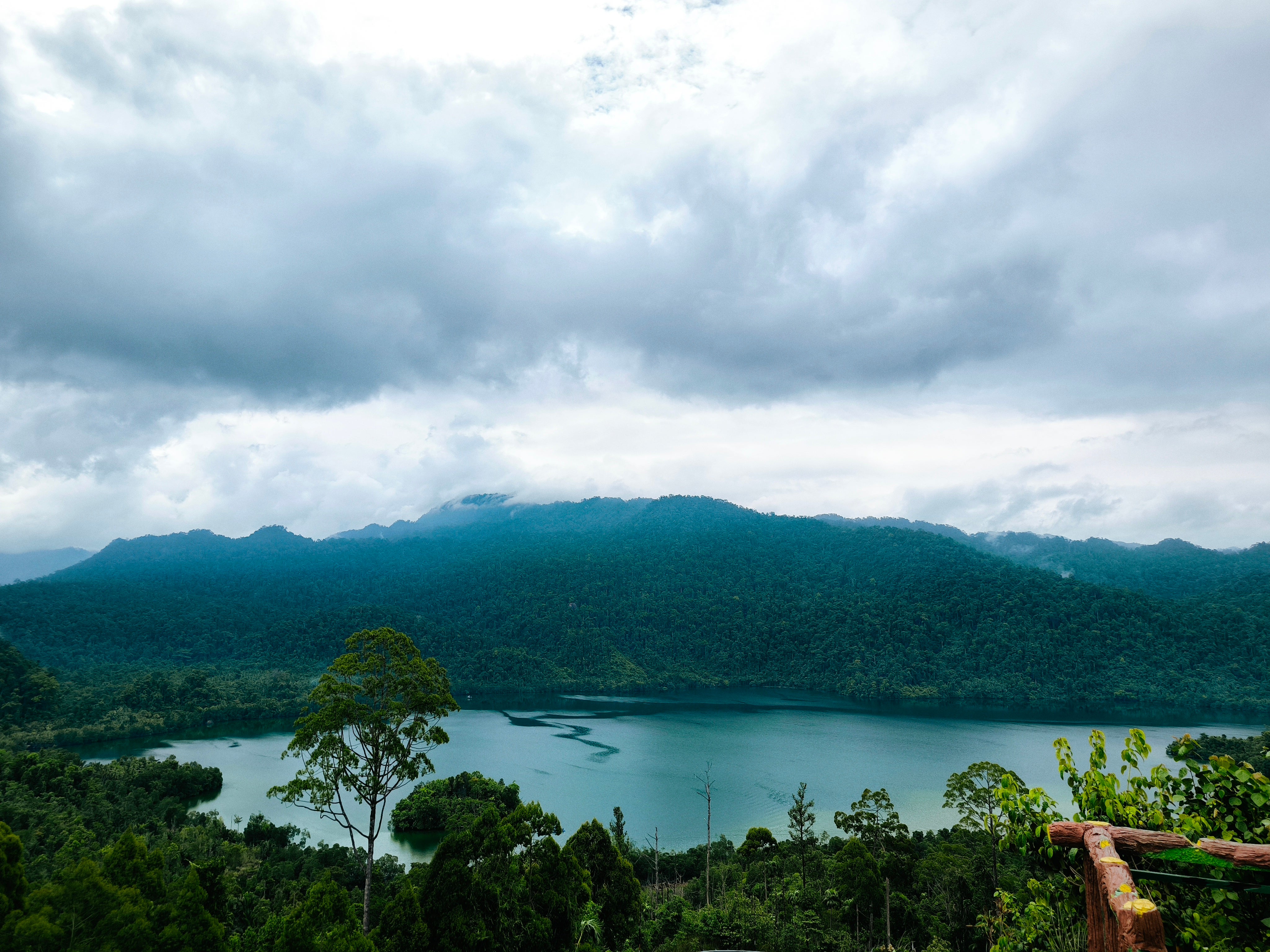
Local folklore adds another layer of cultural significance to the site, holding that the name Bokimoruru derives from the legend of a princess from the historic Sultanate of Tidore who drifted (maruru) down the river and mysteriously vanished. Beyond the cave itself, the surrounding tropical rainforests are rich in biodiversity, housing numerous bird species endemic to Halmahera and the broader Maluku Islands. Historically, this delicate ecosystem has sustained the local community, serving as both a spiritual anchor and a thriving ecotourism hub that empowered local women through small-scale commerce, traditional food stalls, and guiding services.
Chronology of Industrial Intrusion and Land Conversion
The transformation of Central Halmahera from a quiet agrarian and fishing region into an industrial powerhouse has unfolded rapidly over the past decade, accelerating significantly between 2022 and 2026.
- Pre-2022: The economies of Sagea and Kiya villages relied almost exclusively on sustainable fishing in Weda Bay and traditional farming, producing high-value cash crops such as cloves, nutmeg, and coconuts. Ecotourism around Bokimoruru Cave and Lake Yonelo experienced steady growth.
- 2022: Large-scale land clearing operations began under the banner of PT First Pacific Mining (FPM), marking the rapid disappearance of traditional community gardens and forested watersheds. Subsequent years saw the influx of multiple foreign-linked and domestic mining firms, including PT Mining Abadi Indonesia (MAI), PT Zong Hai Rare Metal Mining Indonesia, PT Yong Hai, PT Indonesia Weda Bay Industrial Park (IWIP), and PT Weda Bay.
- 2023–2024: Residents reported the first major instances of river pollution. Heavy rainfall in upstream areas increasingly triggered immediate turbidity, turning the historically turquoise waters of the Sageyen River and Buleu riverbank into murky runoff, effectively halting local tourism activities.
- 2025–2026: Grievances intensified regarding disputed land acquisition processes. Community members documented forced or undervalued land sales, where flat agricultural lands were acquired for as low as IDR 20,000 per square meter—substantially lower than the community-agreed baseline of IDR 50,000 per square meter. Formal complaints submitted to the regent’s office and the regional secretary yielded promises of infrastructural repair that residents claim remain unfulfilled.
Environmental Degradation and Socio-Economic Disruption
The rapid encroachment of open-pit mining has severely disrupted the hydrological and socio-economic fabric of the region. Indigenous residents note that natural water systems, once safe for daily consumption and washing, have been contaminated by sediment runoff from mining concessions. Rubaya, an indigenous leader and resident of Sagea-Kiya, emphasizes the direct correlation between upstream industrial activity and downstream environmental collapse.
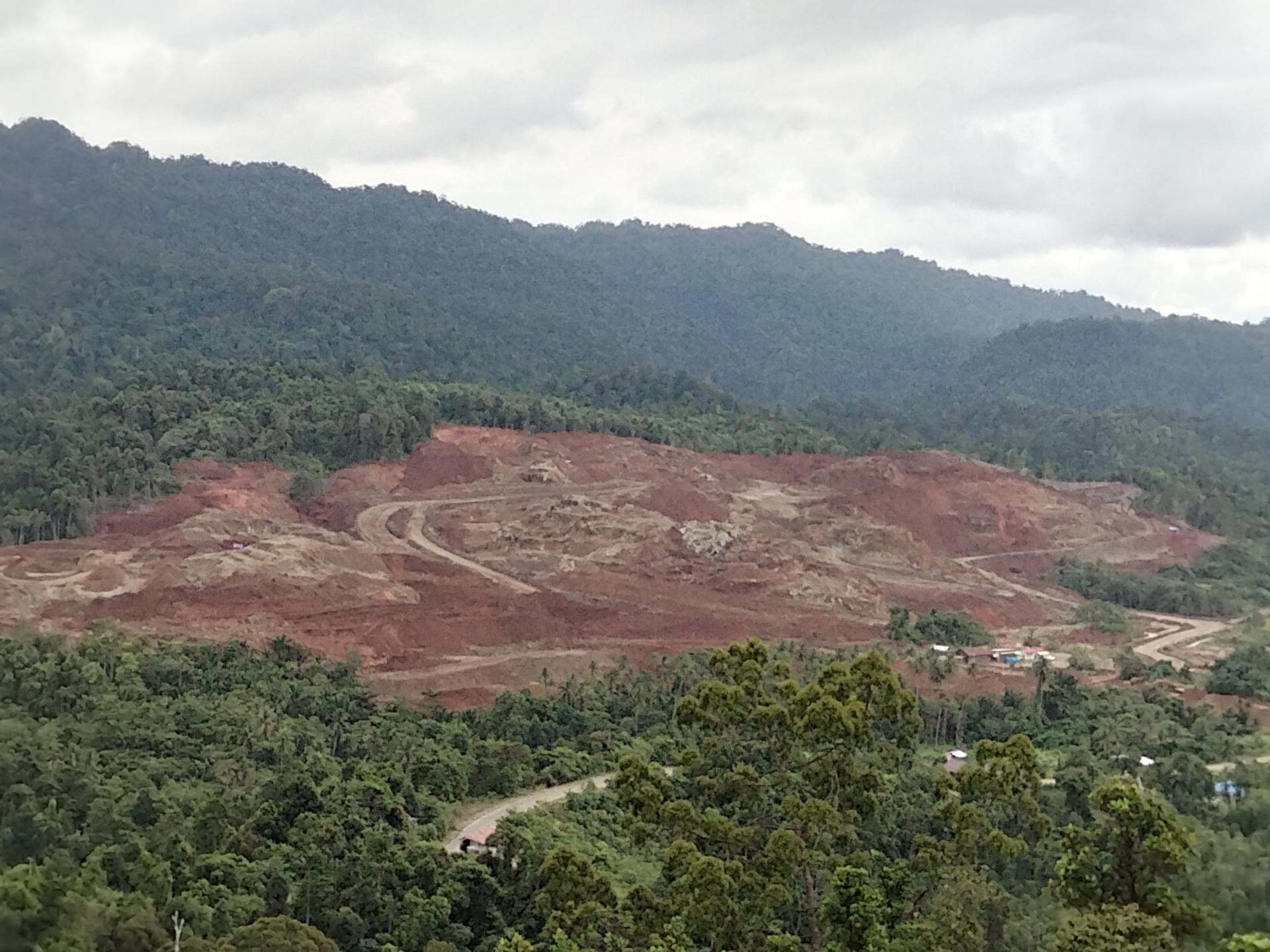
"The rivers where we wash and collect drinking water have become murky since these mining companies arrived. PT MAI’s activities around Lake Yonelo, which is close to our sacred ritual areas, have also created serious concerns," Rubaya stated.
The economic fallout has been particularly acute for women operating within the ecotourism sector. As heavy industrial runoff clouds the waterways after every rainfall, visitors abandon the site, plunging local families into financial precarity. "We managed Bokimaruru Cave carefully while running our food stalls. But when the river becomes muddy, visitors stop coming. When rain falls upstream, the water quality changes immediately, and our income disappears," Rubaya explained, noting that tourism infrastructure, such as access stairways to the cave, has similarly fallen into disrepair despite official grievances lodged with regional authorities.
Agricultural Displacement and Generational Vulnerability
The shift from an independent agrarian economy to an industrial wage-labor model has left deep psychological and economic scars among long-term residents. Saoda, another local community member, reflects on the irreversible loss of ancestral agricultural land. "Today, it is difficult to harvest anything from our gardens. No land is left because it belongs to companies. If we need food, we must buy it. We deeply regret giving up our gardens," she lamented.
Furthermore, the long-term prospects for younger generations are increasingly constrained. While families historically aspired to send their children to higher education institutions, the destruction of traditional livelihoods and the financial necessity of survival have trapped many youths in the orbit of the mining sector. "Our children should continue their education after high school. But without financial support and with the environment around them, many eventually become mining workers," Saoda added. Concerns persist regarding the adequacy of environmental impact assessments (AMDAL) and whether prior, informed consultations were genuinely conducted with customary landowners before permits were issued.
Broader Implications of Indonesia’s Nickel Boom
The plight of Bokimoruru Cave and the Sagea-Kiya communities reflects a national paradox in Indonesia’s push for green energy dominance. As the world’s leading producer of nickel—a critical component for electric vehicle (EV) batteries and global decarbonization strategies—Indonesia has welcomed tens of billions of dollars in foreign direct investment into regions like Central Halmahera. However, the localized cost of this global transition is disproportionately borne by indigenous populations whose customary lands, water sources, and cultural heritage sites are treated as acceptable collateral damage.
From an analytical standpoint, the situation in Central Halmahera highlights systemic flaws in regulatory enforcement, corporate social responsibility (CSR), and land-tenure recognition. When environmental safeguards fail to prevent heavy siltation in sensitive karst ecosystems, subterranean biodiversity and hydrological stability are permanently compromised. Karst systems like Bokimoruru rely on delicate chemical balances; industrial sediment and chemical runoff threaten not only the aesthetic value of the turquoise waters but the subterranean species inhabiting these cave networks.
As nickel extraction continues unabated, the struggle to protect Bokimoruru Cave has evolved into a symbolic battleground for indigenous rights and environmental justice in the Maluku Islands. Local communities continue to demand transparent land-acquisition audits, stricter environmental oversight, and the immediate cessation of industrial activities near sacred lakes and river systems. Without robust intervention from central and regional governments to balance industrial ambitions with ecological and cultural preservation, Indonesia risks sacrificing irreplaceable natural treasures in the name of a sustainable future.




