
On August 10, 2026, a high-magnitude 7.4 earthquake struck Colombia, centering its seismic force on San José del Palmar in the Chocó department. The tremor sent shockwaves across the western region of the country, triggering a humanitarian crisis that continues to unfold over a month later. As of late September, official reports indicate that 466,000 individuals remain displaced or significantly affected, while the physical toll includes the destruction or severe damage of more than 200,000 residential units.
The scale of the disaster has prompted an immediate, large-scale mobilization from international aid organizations, with HIAS Colombia at the forefront of the relief efforts. By coordinating with local partners and the national government, the organization has pivoted its focus toward the delivery of critical supplies, including food, hygiene kits, and direct cash assistance to stabilize the most vulnerable households.
A Chronology of the Crisis
The events of August 10 represent a significant inflection point for the western Colombian departments. The seismic event, which registered a magnitude of 7.4, caused structural collapses that extended far beyond the epicenter.
- August 10, 2026: The earthquake occurs in San José del Palmar, causing immediate loss of life and massive infrastructure failure.
- August 11–15, 2026: Emergency responders and the Colombian government establish initial search and rescue perimeters, while NGOs conduct rapid needs assessments in remote rural areas.
- Late August 2026: The full scope of the destruction is realized, as data from the United Nations Office for the Coordination of Humanitarian Affairs (OCHA) confirms hundreds of thousands of people are without stable housing.
- September 10, 2026: The one-month mark passes, with humanitarian organizations transitioning from immediate search-and-rescue to long-term recovery and temporary housing solutions.
- September 28, 2026: HIAS reports a deepening of its aid mission, specifically targeting the rural communities of Naranjal and Primavera to mitigate the long-term displacement effects.
Analyzing the Human Toll
The statistical impact of the earthquake underscores the severity of the disaster. Official data confirms at least 331 fatalities and over 4,500 injuries. Perhaps most concerning to local authorities is the number of missing persons, which currently stands at 111.
The devastation was disproportionately felt in the departments of Risaralda, Valle del Cauca, Chocó, Quindío, and Caldas. These regions, which feature a mix of mountainous terrain and isolated rural communities, have faced unique challenges in receiving aid. In many instances, the physical isolation of these communities—compounded by damaged road infrastructure—has severely hindered the distribution of water, electricity, and telecommunications.
Educational institutions and healthcare facilities have also suffered extensive damage. This has created a secondary crisis in the provision of essential services, as local clinics are currently unable to treat the influx of earthquake-related injuries or manage the chronic health conditions of displaced populations.
The Confluence of Multiple Emergencies
The current situation is not occurring in a vacuum. Humanitarian experts have noted that the earthquake has coincided with a period of intense environmental and social instability in Colombia. The nation has recently been managing a cycle of forest fires, active volcanic alerts, and severe flooding, all of which are being exacerbated by the recurring climatic patterns of El Niño.
These concurrent events have created a "compounding crisis" effect. When an earthquake strikes a region already suffering from drought and the displacement caused by long-standing internal conflicts, the resilience of the local population is stretched to its limit. The pressure on government response mechanisms is, as a result, at an all-time high, making the role of NGOs like HIAS essential in filling the gaps in service delivery.
Strategic Response and Humanitarian Intervention
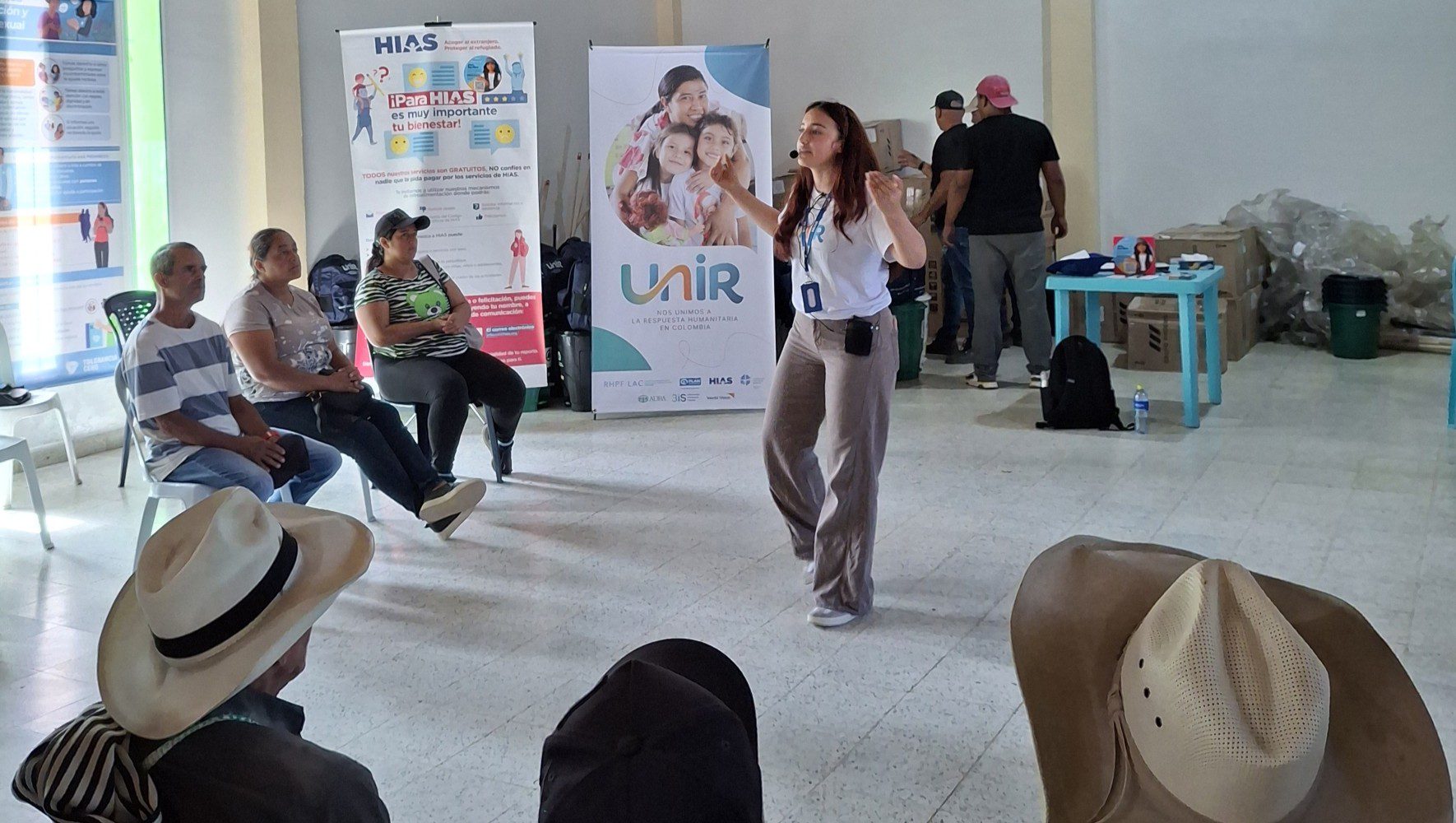
HIAS Colombia has structured its response to address both immediate survival needs and the medium-term requirements for rehabilitation. Through the UNIR consortium and with funding from the Colombia Humanitarian Fund, the organization has implemented a multi-pronged strategy.
A primary pillar of this response is the provision of direct cash assistance. By providing financial liquidity to survivors, HIAS allows families to prioritize their own specific needs—whether that be medicine, specialized food, or repairs—thereby restoring a sense of agency to those who have lost everything.
Furthermore, the organization has recognized that recovery is as much about education as it is about supplies. HIAS has initiated community-based workshops in Naranjal and Primavera, focusing on:
- Water Sanitation and Hygiene (WASH): Instruction on the safe use of water and waste management to prevent the spread of disease in overcrowded temporary shelters.
- Nutritional Support: Guidelines on healthy eating with the limited supplies available.
- Autocare and Protection: Psychological support and practical tools for self-care in high-stress environments.
Addressing the Housing Crisis
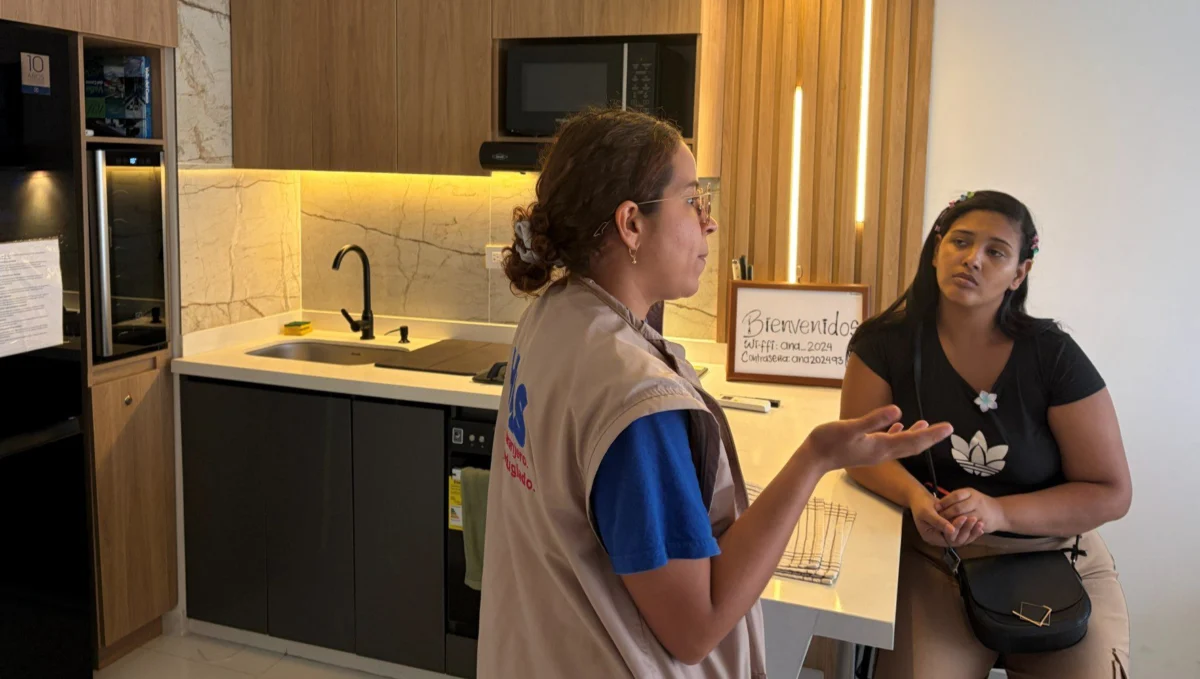
Perhaps the most innovative aspect of the relief effort is the partnership between HIAS and Airbnb. Recognizing the shortage of formal temporary housing, the program in Cali provides survivors with safe, short-term accommodation for up to 28 days.
The selection process for this assistance is highly targeted. HIAS prioritizes households led by women, families with children, individuals with chronic health conditions or disabilities, and those at heightened risk of domestic or sexual violence. A case study of this success is "Catherine," a survivor who lost the structural integrity of her home. Through the referral system of local partners, she and her two children were placed in a secure environment, allowing her the stability to begin the process of seeking long-term housing solutions.
Broader Implications and Future Outlook
As the recovery phase begins, the international community faces the challenge of sustaining interest and funding. History shows that as headlines fade, donor fatigue often sets in, leaving the most vulnerable in a state of indefinite precariousness.
The situation in Colombia is a stark reminder of the vulnerability of rural populations in high-seismic zones. The destruction of rural infrastructure, in particular, requires a long-term commitment to reconstruction that goes beyond temporary relief. For HIAS and other stakeholders, the objective is to transition from emergency aid to sustainable development, ensuring that the recovery process includes climate-resilient construction and stronger community safety nets.
For those affected, the road to recovery is long. The current humanitarian data suggests that while the immediate risk to life has passed, the risk to livelihood and long-term stability remains critical. The ongoing coordination between NGOs, private sector partners, and the Colombian state will remain the determining factor in whether these communities can effectively rebuild their lives in the coming months and years.
As of late September 2026, the call for support remains active. Thousands of survivors still require the basics of a safe life: stable shelter, consistent healthcare, and the assurance that they have not been forgotten by the global community. Organizations like HIAS continue to serve as the vital link between these essential needs and the aid required to meet them.




