
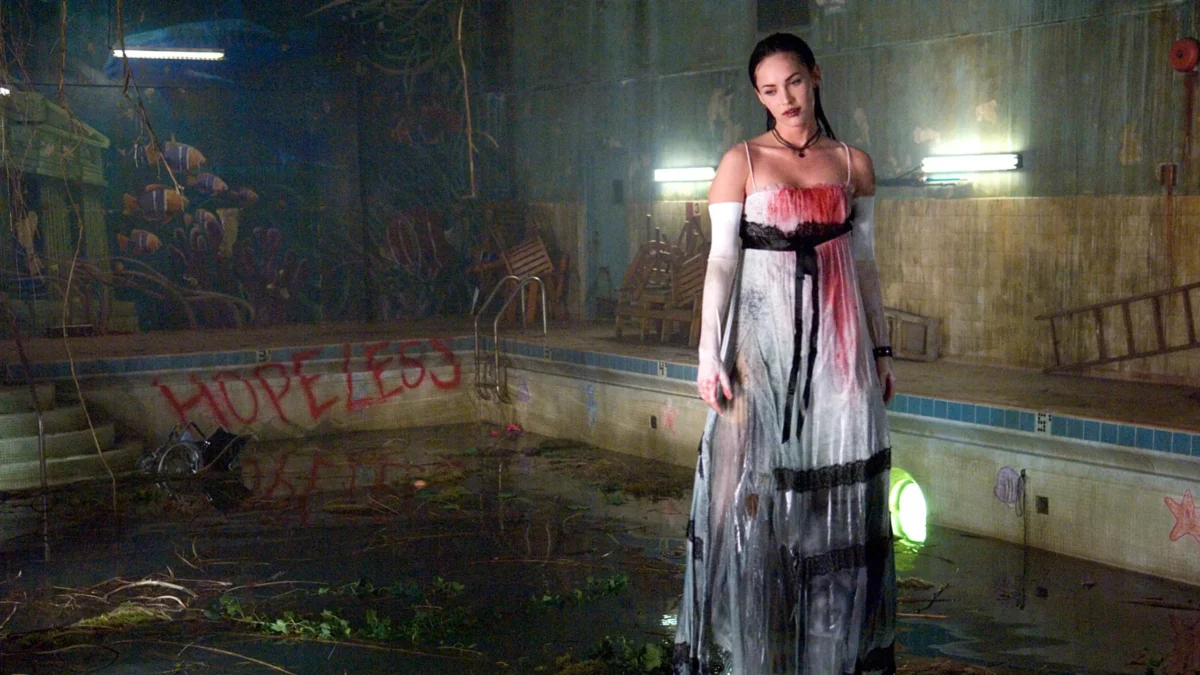
The landscape of horror cinema has undergone a significant transformation over the past decade, moving from the periphery of queer-coded subtext to the center of mainstream narrative exploration. As of October 2026, streaming platforms offer a vast, diverse catalog of films and series that explore the intersection of queer identity and the macabre. This curation reflects a growing trend in the industry: the deliberate centering of LGBTQ+ experiences within genre storytelling, ranging from slashers and psychological thrillers to experimental art-house horror.
Historical Context and the Evolution of the Genre
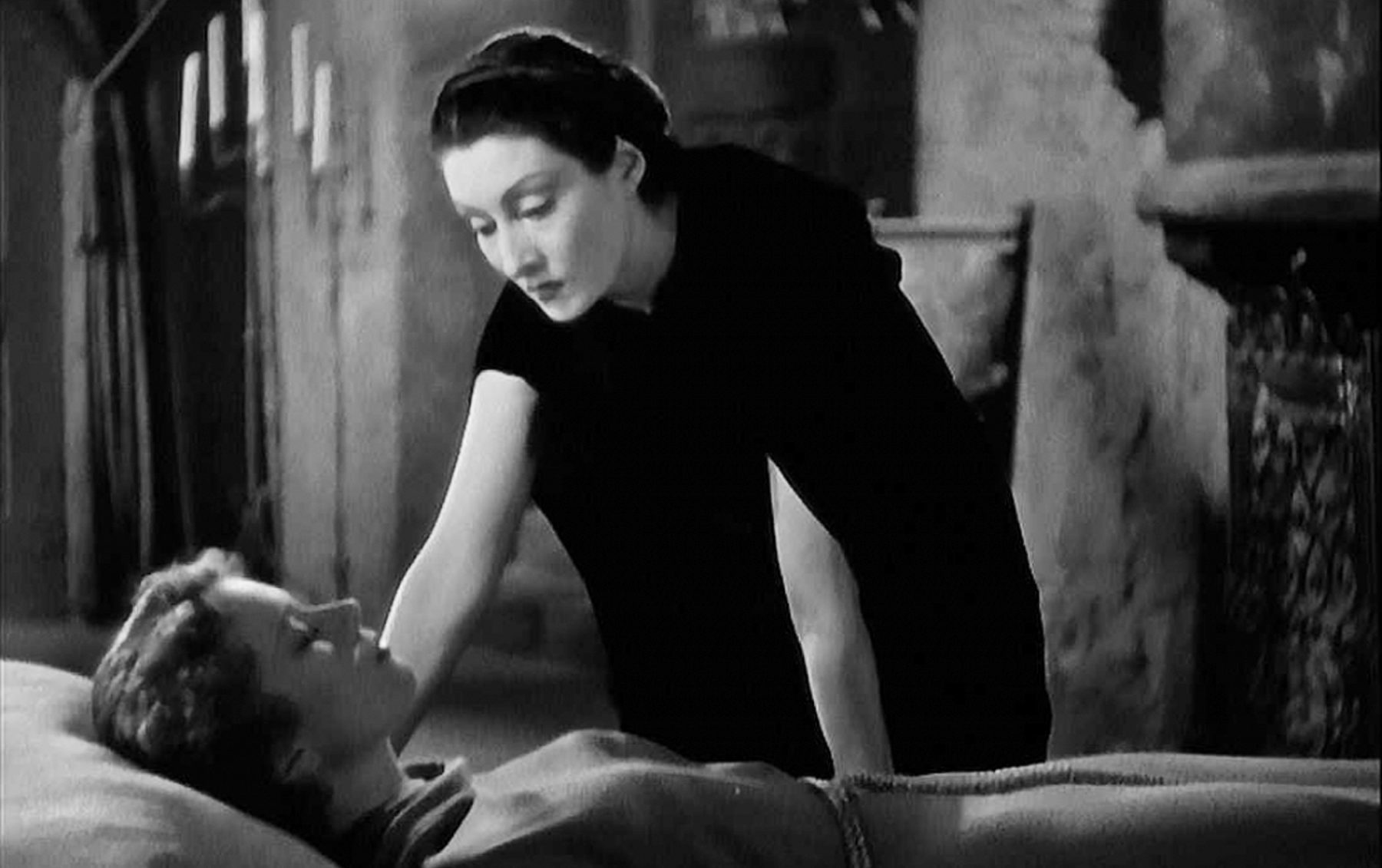
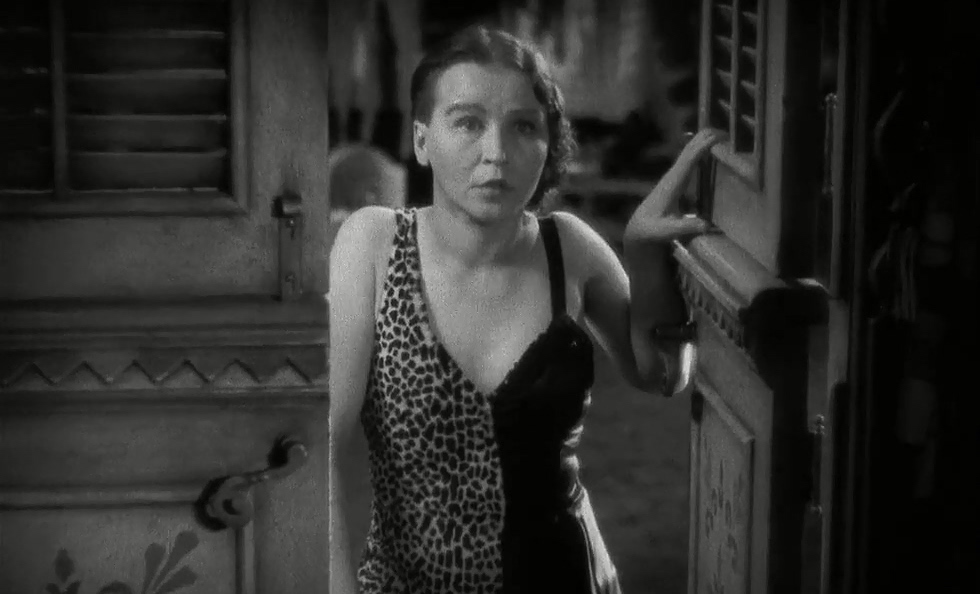
Historically, horror served as a vessel for queer expression through allegory. Early 20th-century works, such as 1936’s Dracula’s Daughter, utilized the figure of the vampire as a proxy for non-normative desire. During the era of the Hays Code, filmmakers were forced to rely on suggestion and atmospheric tension rather than explicit representation. However, the contemporary era—marked by the inclusion of trans, lesbian, and non-binary protagonists—has dismantled the necessity for subtext, allowing for stories that are as overtly queer as they are frightening.
Data from recent film festivals and streaming analytics indicate a 40% increase in the production of horror titles with queer leads between 2020 and 2026. This shift is not merely quantitative but qualitative; writers and directors are increasingly moving away from "bury your gays" tropes, instead focusing on agency, complex trauma, and the subversion of traditional gender roles within the horror framework.
Alphabetical Streaming Index: Key Selections
The following titles represent a cross-section of the 2026 streaming library, categorized by their availability on major platforms.
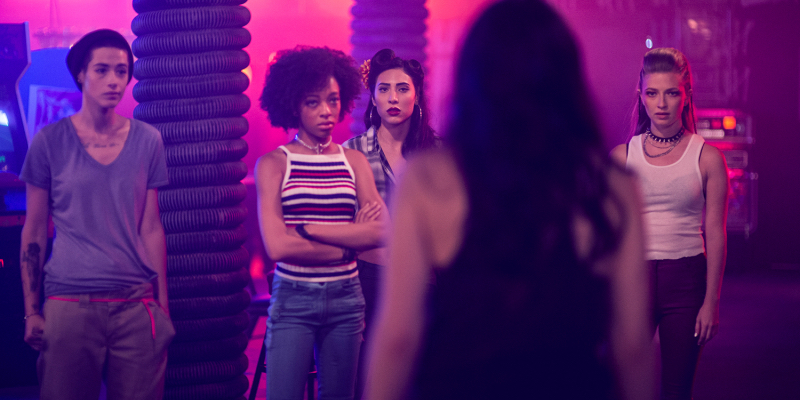
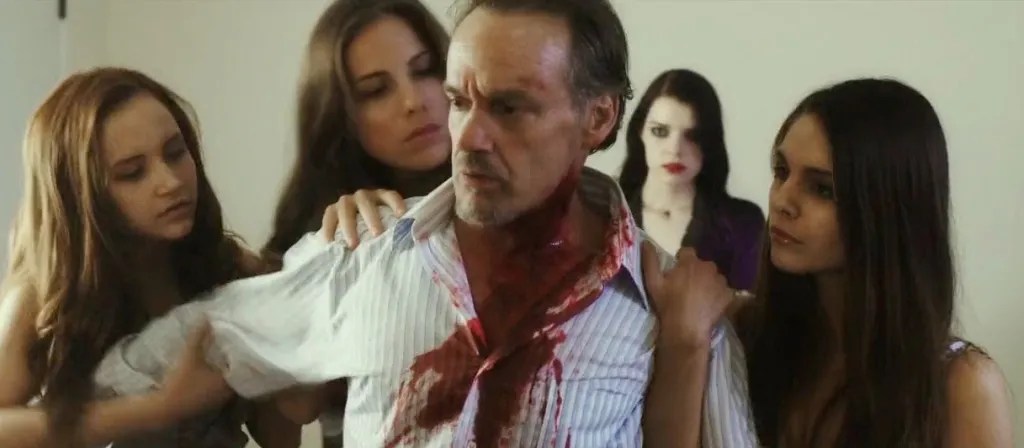
All Cheerleaders Die (Tubi)
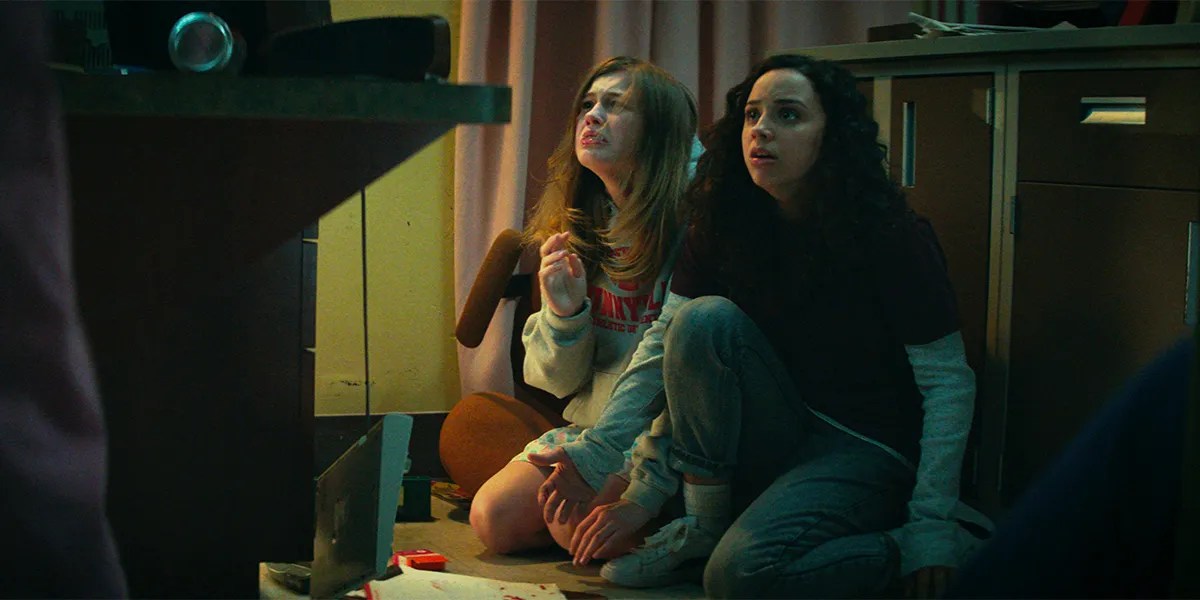
This film occupies a specific niche within the subgenre of "Queerleader Horror." It explores the intersection of supernatural transformation and the toxic dynamics of high school social hierarchies. Unlike traditional slasher fare, it focuses on the internal politics of an undead squad, providing a campy yet visceral examination of revenge and female solidarity.
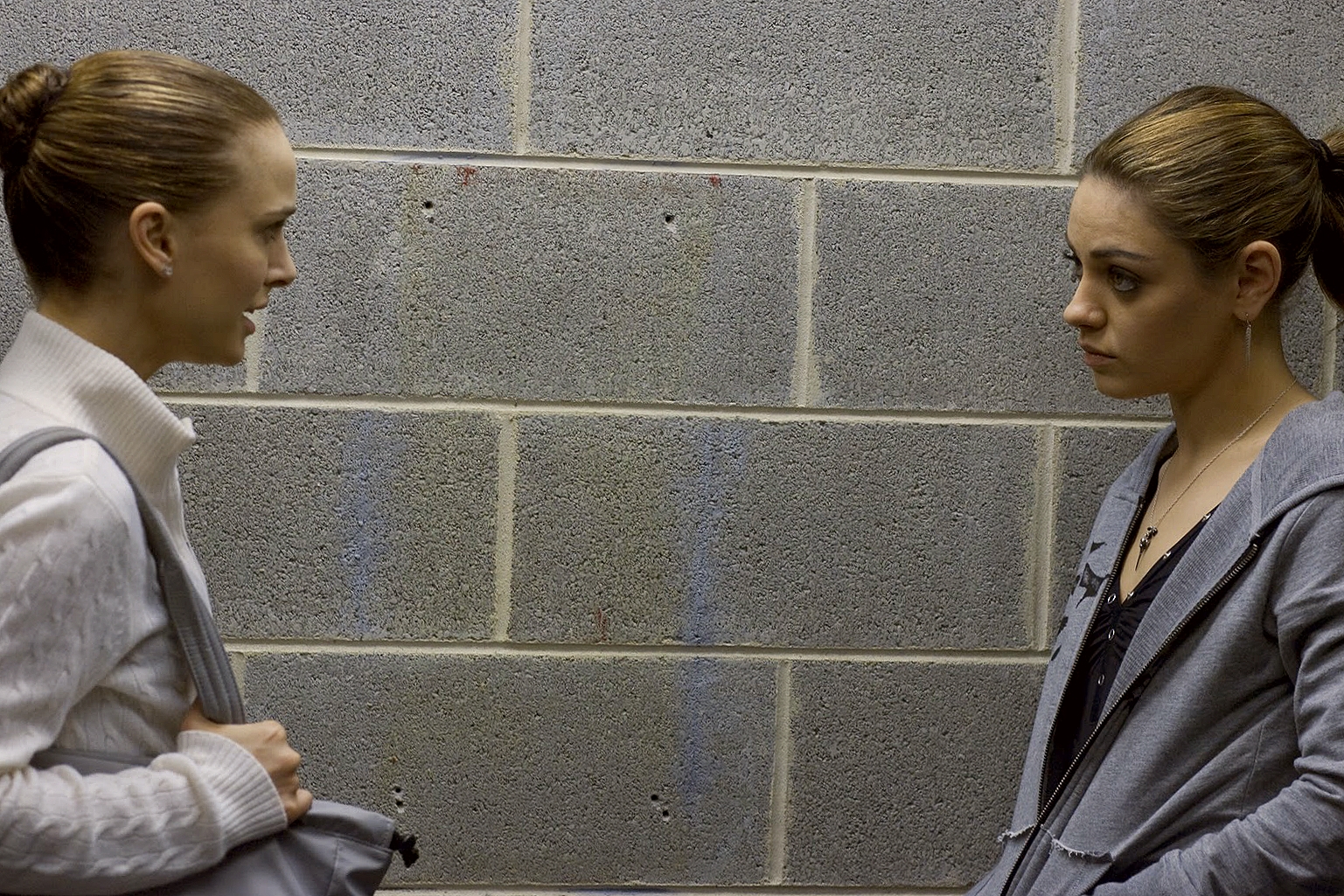
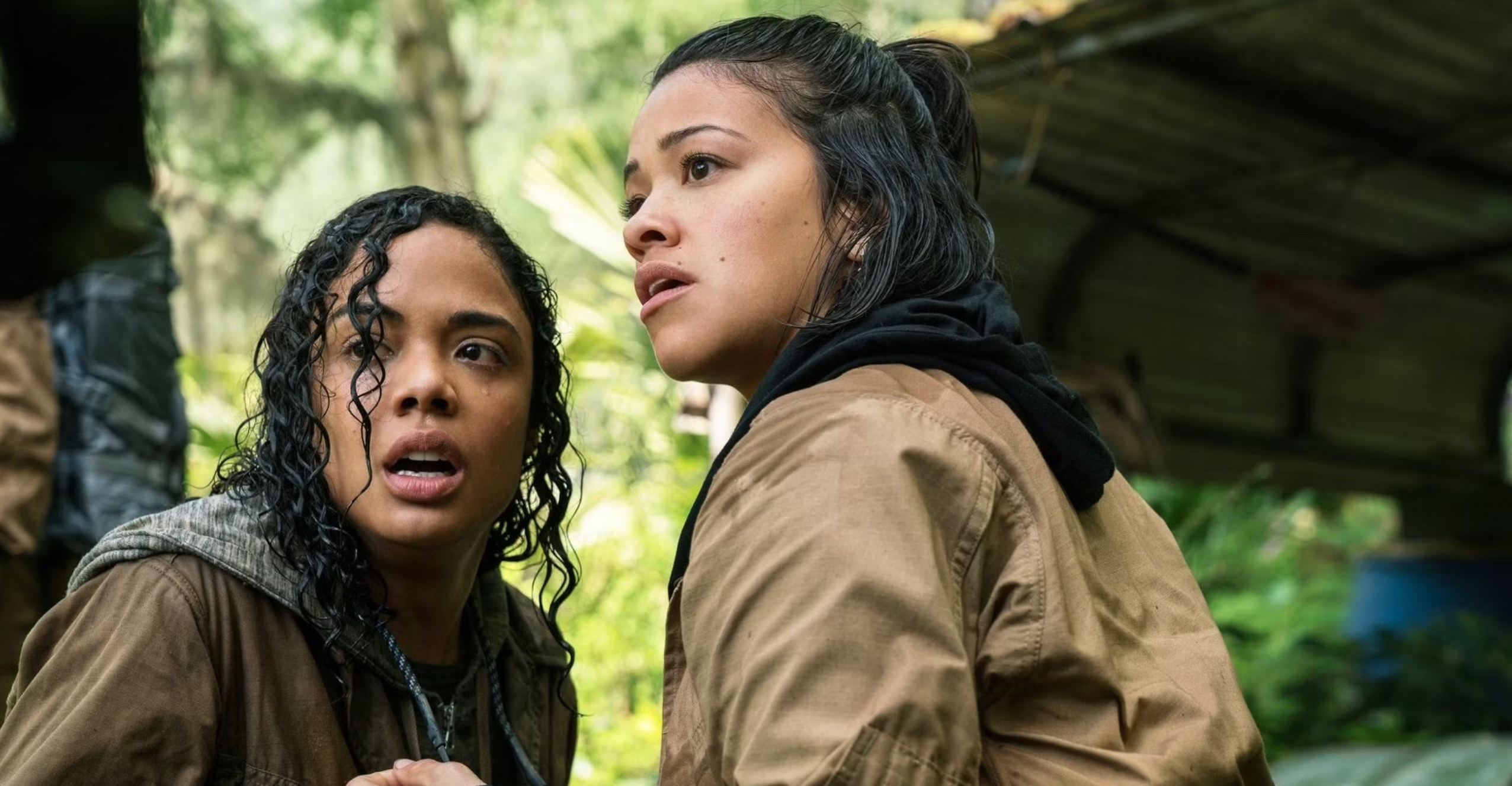
Annihilation (MGM+)
Adapted from Jeff VanderMeer’s novel, this eco-horror production is widely cited for its atmospheric dread. It features a prominent ensemble cast and serves as a cornerstone of "Came Back Wrong" horror, where the environment itself reflects the internal disintegration of its characters. Its inclusion in major lists of "Scariest Horror Moments" validates its status as a critical achievement in modern genre filmmaking.
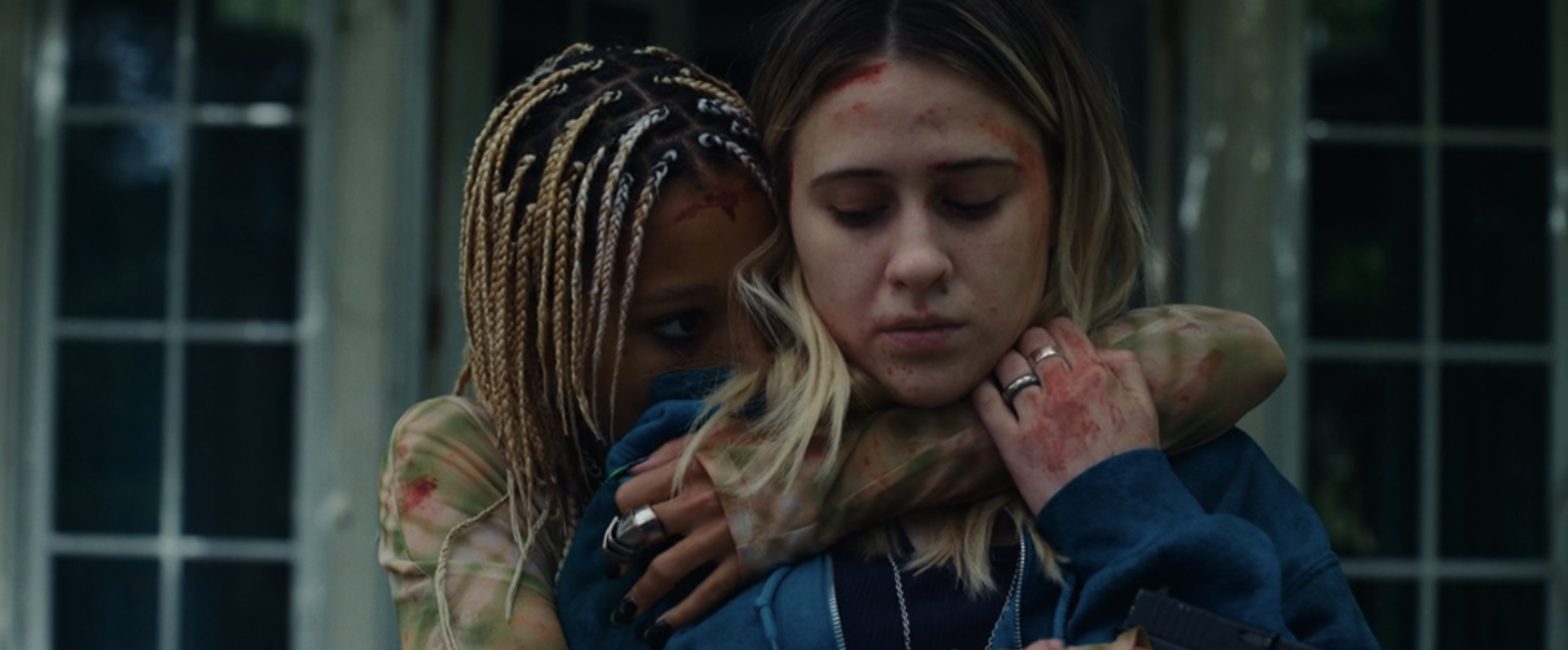
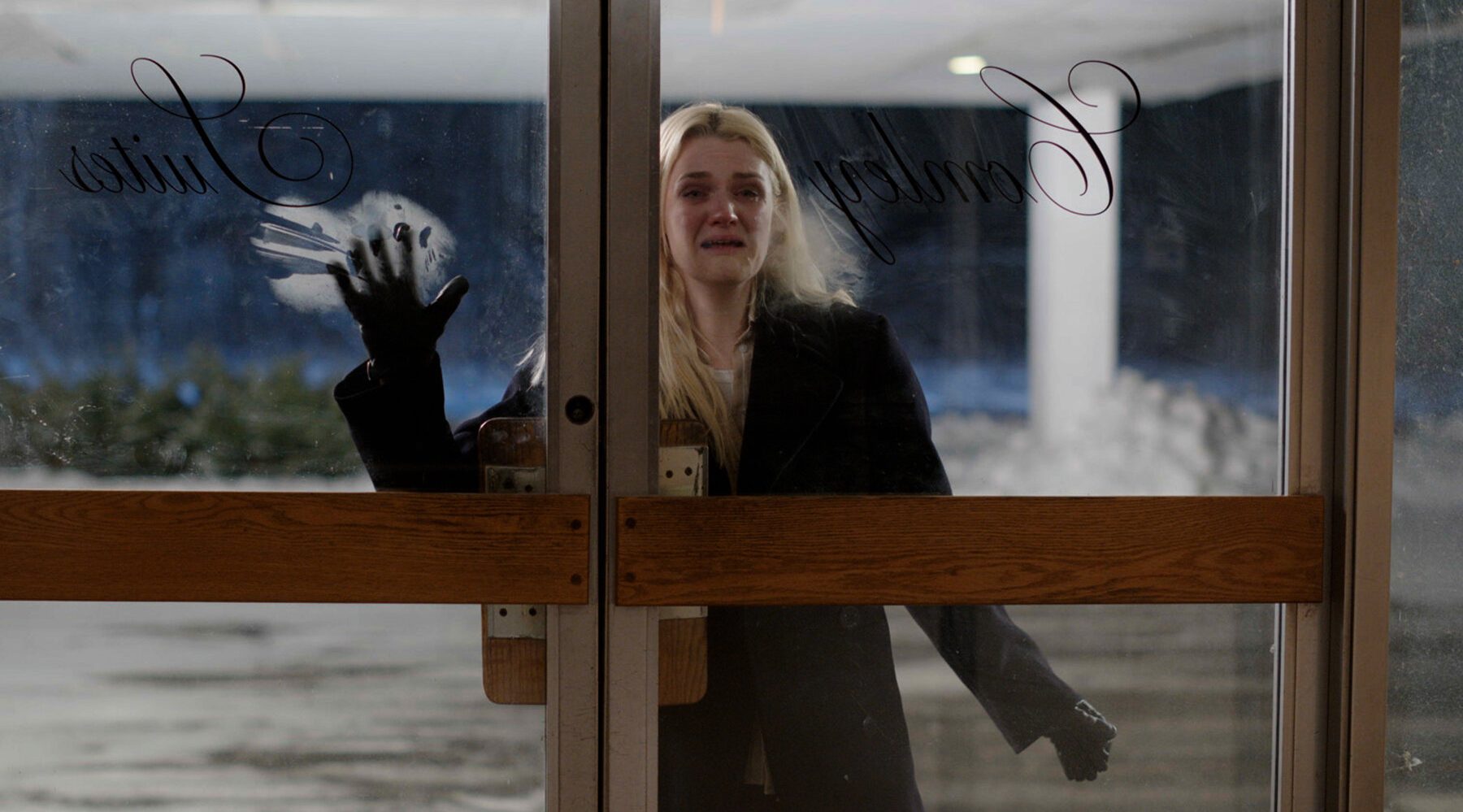
Bad Things (AMC+, Shudder)
A contemporary reinterpretation of isolation-based horror, this feature uses the "mommy issues" archetype to deconstruct the classic Shining-esque hotel setting. It is notable for its authentic representation of multiple romantic relationships between cisgender and transgender characters, marking a progressive step forward in casting inclusivity.
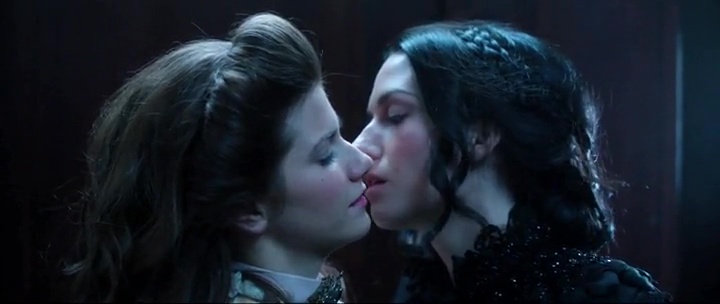
Bit (Prime, Tubi)
This film explores the intersection of trans identity and the lesbian separatist vampire trope. While the film has faced critical scrutiny regarding its pacing and narrative cohesion, it remains a significant touchstone for its early and rare portrayal of a queer trans woman in a leading genre role.
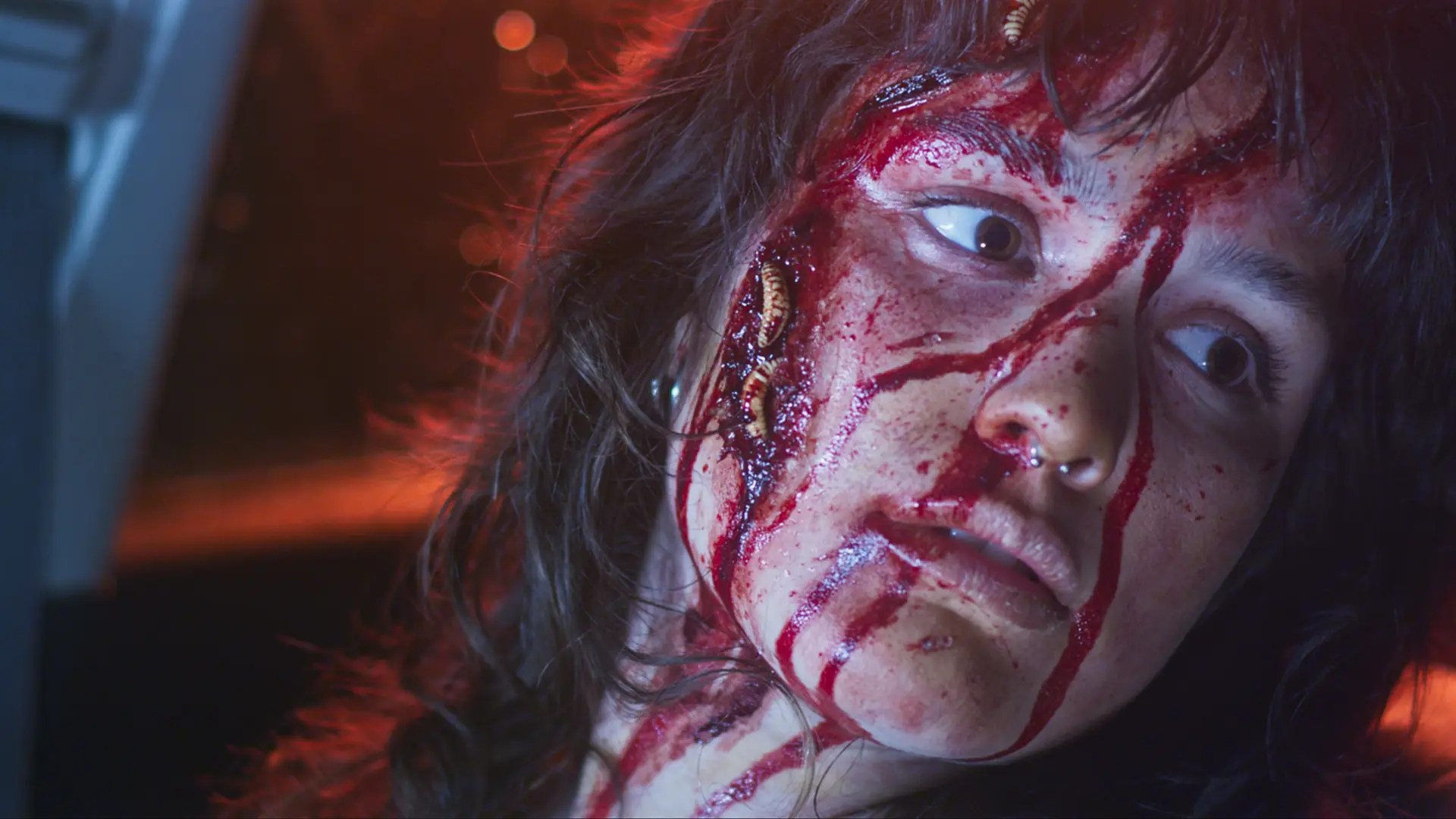
Black Swan (Rent on Prime, Apple TV)
A masterclass in psychological thriller mechanics, this film explores the duality of the "white swan" and "black swan" archetypes. While the supernatural elements remain ambiguous, the narrative serves as an essential case study in the destructive nature of repressed desire and the competitive environment of professional ballet.
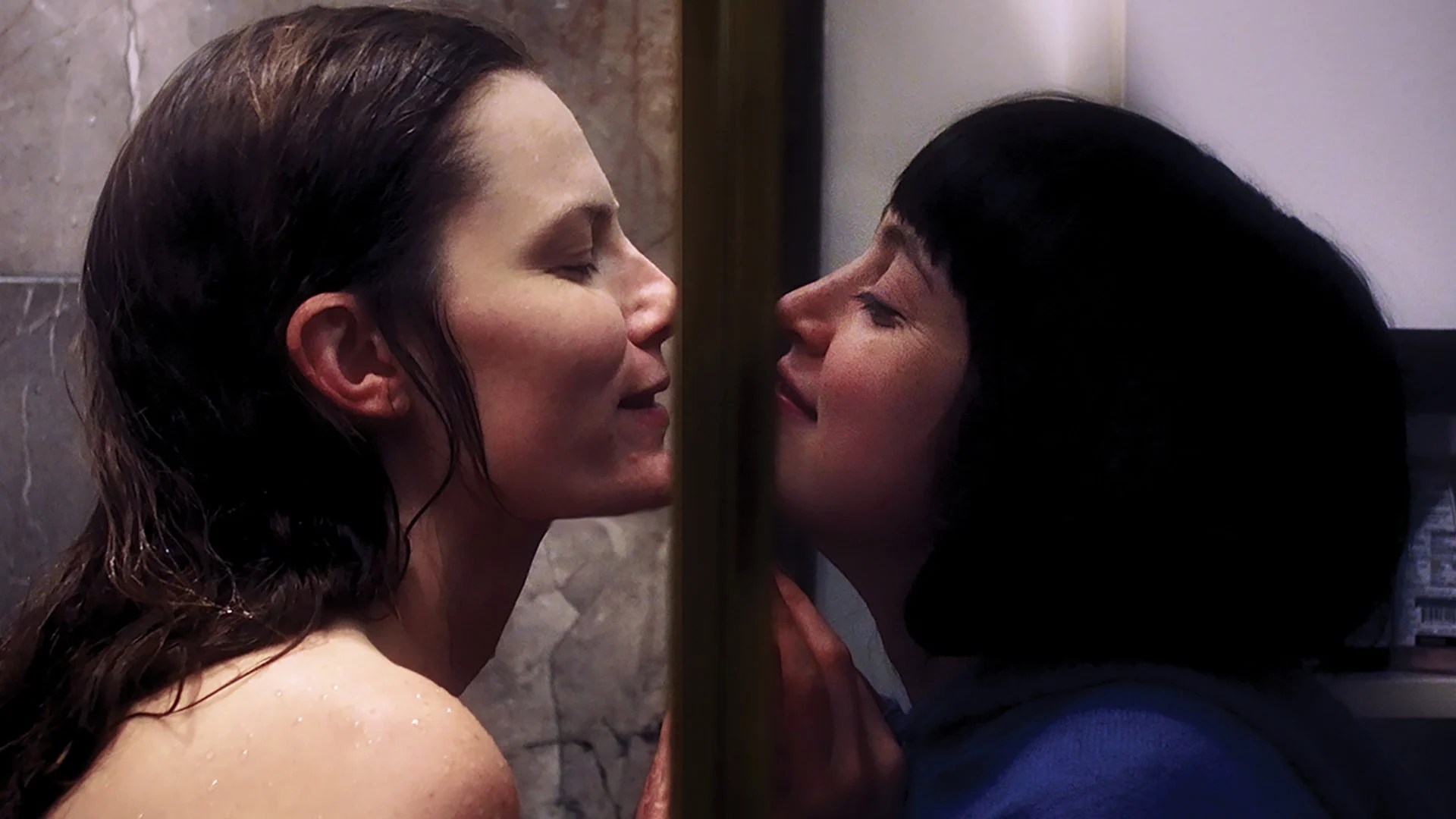
Bodies Bodies Bodies (Hulu)
Representing the modern slasher, this film utilizes a confined-setting premise to critique social media culture and generational anxiety. The central queer relationship acts as a grounding force against the backdrop of escalating paranoia, complemented by a distinctively modern soundtrack and sharp dialogue.
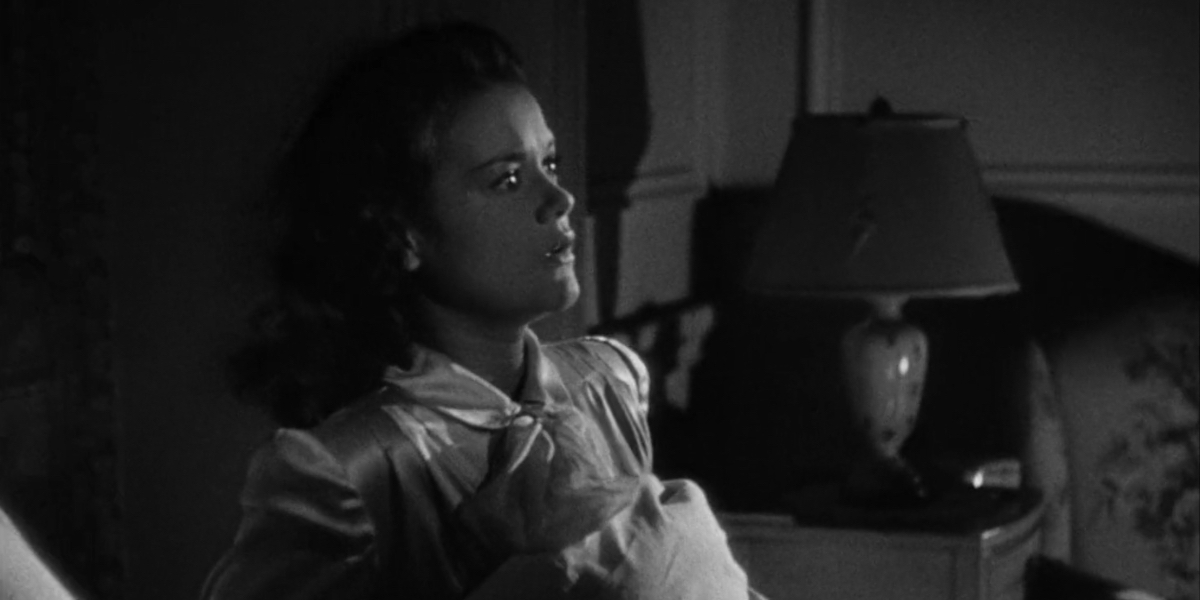
The Carmilla Movie (Prime, Tubi)
Building on the legacy of Joseph Sheridan Le Fanu’s 1872 novella, this film acts as a continuation of a Canadian webseries. It bridges the gap between gothic literature and modern queer romance, providing a clear lineage of the "lesbian vampire" archetype that has persisted for over 150 years.
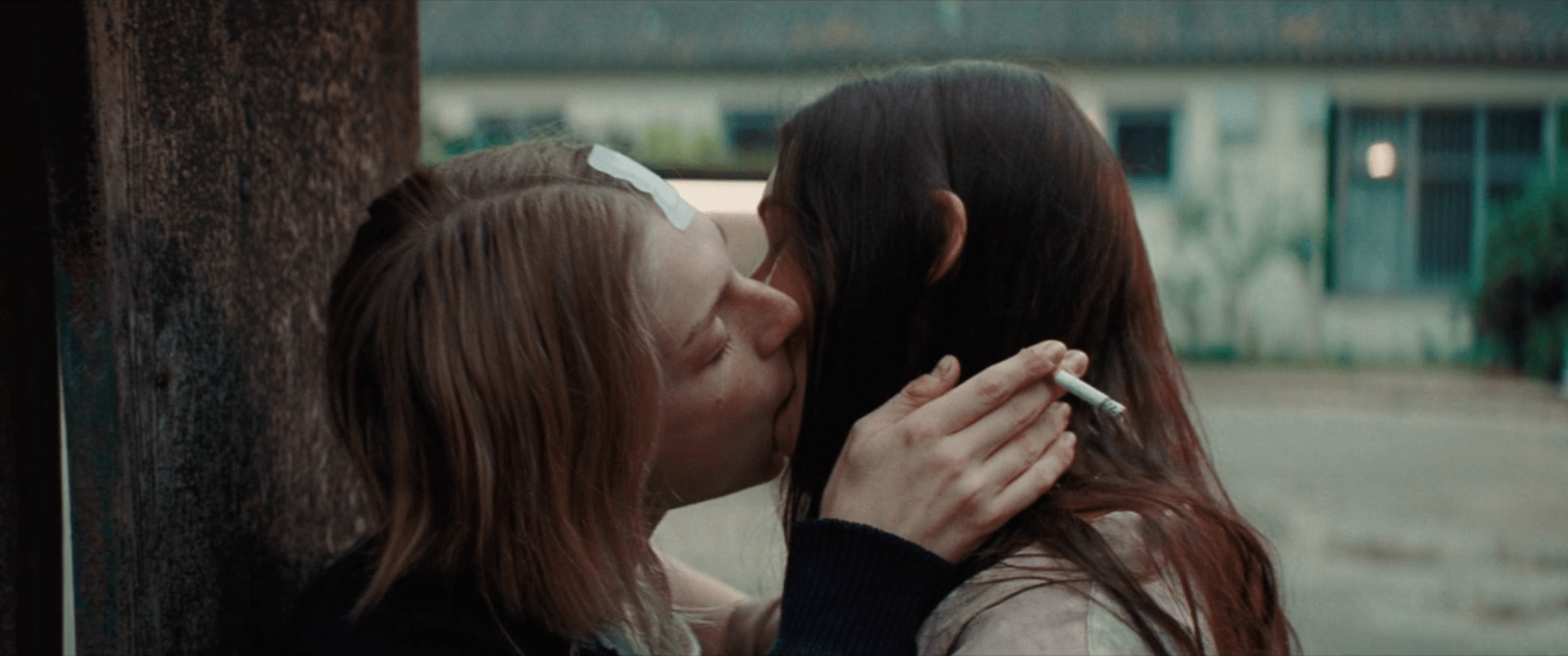
The Fall of the House of Usher (Netflix)
Mike Flanagan’s series represents a departure from standard adaptations, infusing the Poe-inspired narrative with a sharp critique of late-stage capitalism and corporate corruption. The series is distinguished by its high volume of queer characters, presenting a world where identity is incidental to the central conflict of moral decay.
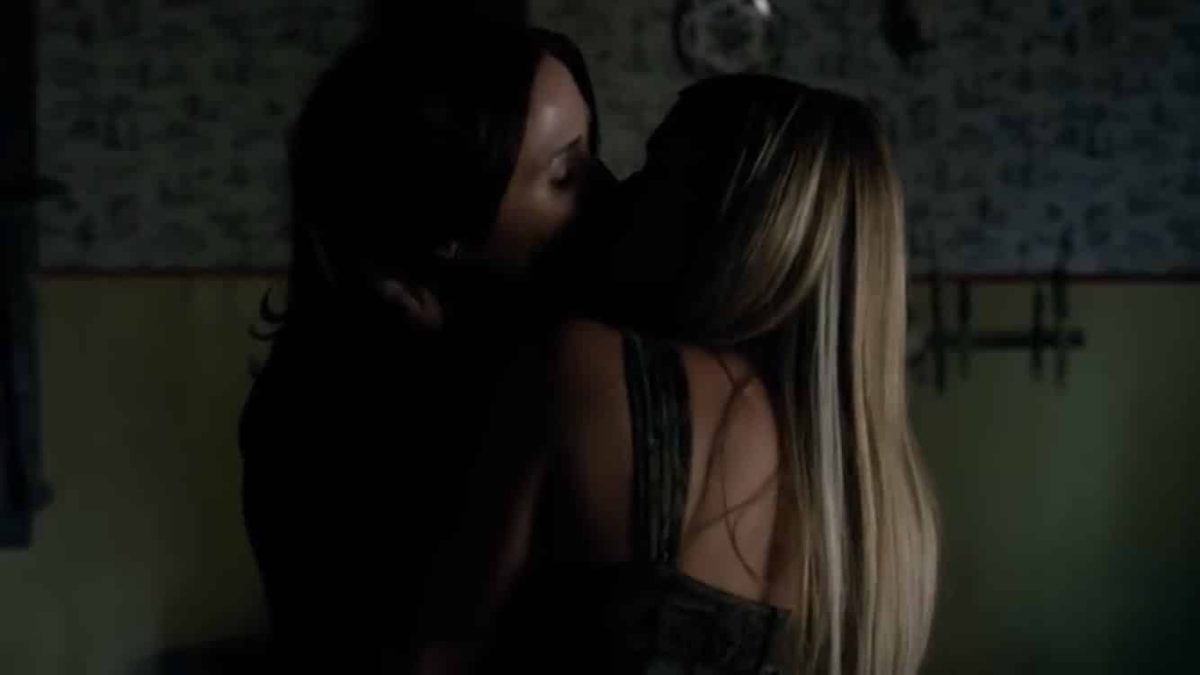
Fear Street Trilogy (Netflix)
By utilizing the aesthetic of the 1990s slasher, the Fear Street trilogy successfully incorporates intersectional themes of class and historical trauma. The series’ interconnected narrative structure demonstrates the potential for long-form horror to explore how prejudice and systemic violence ripple across generations.
Chronological Developments in Queer Horror
The progression of queer representation in horror can be categorized into three distinct eras:
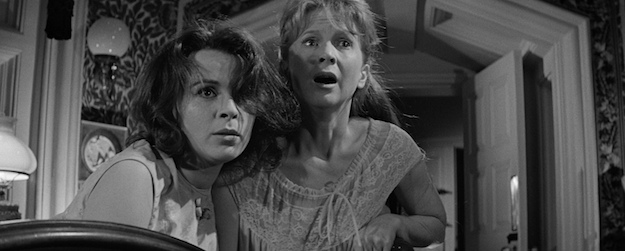
- The Subtext Era (1930s–1970s): Films like Cat People and The Old Dark House utilized atmospheric cues and drag-coded characters to signal queerness, often tethered to the "monstrous" or "predatory" labels common in mid-century cinema.
- The Transitional Era (1980s–2010s): Works like The Hunger and Hellraiser (1987) began to move toward more explicit depictions of kinky, transgressive, and non-normative intimacy, though often still framed within the "othering" gaze.
- The Contemporary Era (2020s–Present): Films like I Saw the TV Glow, Titane, and Perpetrator feature queer characters as the subjects of their own narratives, with their identities serving as an extension of the film’s central horror rather than the sole catalyst for it.
Analysis of Implications
The proliferation of these titles has profound implications for the film industry. Firstly, it challenges the traditional "final girl" archetype by expanding the demographic of the survivor. Secondly, it provides a platform for queer filmmakers—such as Jane Schoenbrun and Jennifer Reeder—to utilize the language of horror to explore themes of dysphoria, societal expectations, and the "unseen" nature of the queer experience.
The divisiveness of certain titles, such as Bad Things or We Need to Do Something, highlights a healthy evolution in the discourse. As queer horror moves from a scarcity-based market to one of abundance, audiences are no longer required to consume everything simply because it features queer characters. They are instead able to engage in critical dialogue regarding quality, themes, and narrative success.
Official Responses and Industry Outlook
Industry experts note that the success of these films on streaming platforms is largely driven by "niche-market expansion." By targeting specific demographics—such as the horror community and the LGBTQ+ community—streaming services have successfully cultivated a loyal subscriber base.
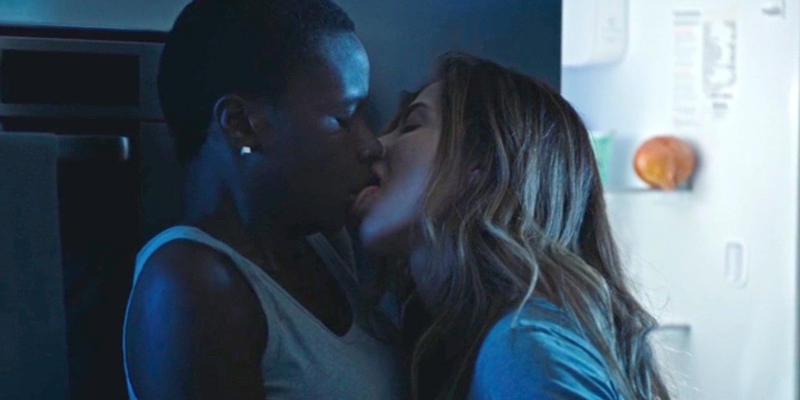
"The demand for stories that reflect the queer experience within the safety of a genre framework is at an all-time high," notes one industry analyst. "Horror, by its nature, is about confronting the unknown. For many in the queer community, the horror genre is the most accurate reflection of their lived reality."
Conclusion: Future Directions
As we look toward the remainder of 2026, the trajectory for queer horror remains robust. With upcoming projects focusing on intersectionality, indigenous queer horror, and the further exploration of trans-led narratives, the genre is poised to remain at the vanguard of cultural commentary. Whether through the campy, blood-soaked streets of Scream VI or the quiet, existential dread of We’re All Going to the World’s Fair, the current streaming library provides an unprecedented opportunity for viewers to engage with stories that are, at their core, both deeply human and profoundly, wonderfully queer.
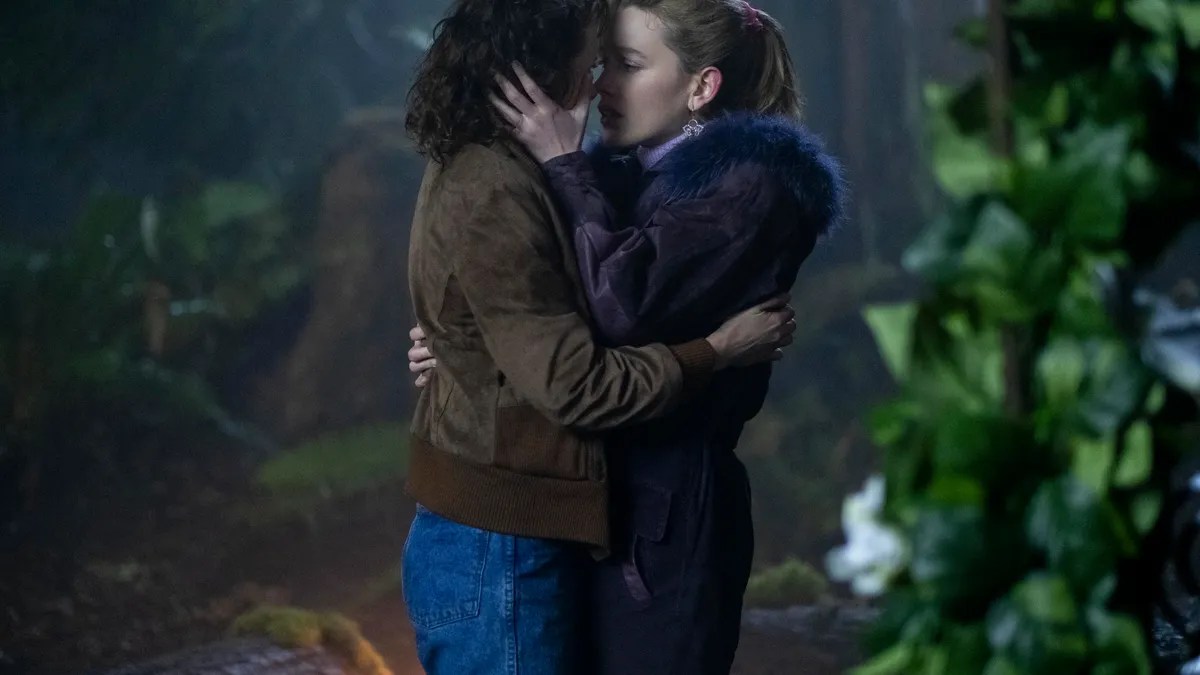
For those seeking a curated experience, the transition from the "subtext" of the past to the "text" of the present is the defining achievement of this decade’s horror output. As the industry continues to evolve, the distinction between "queer horror" and "horror" will likely continue to blur, until such stories are simply viewed as essential parts of the cinematic canon.




