
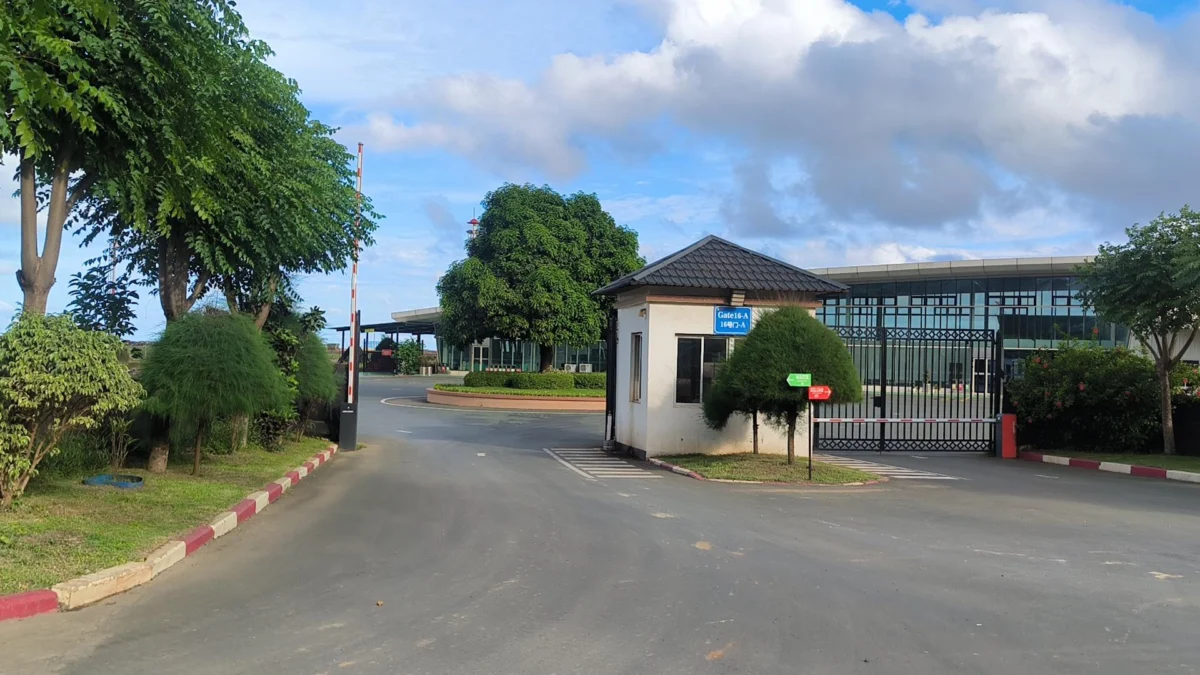
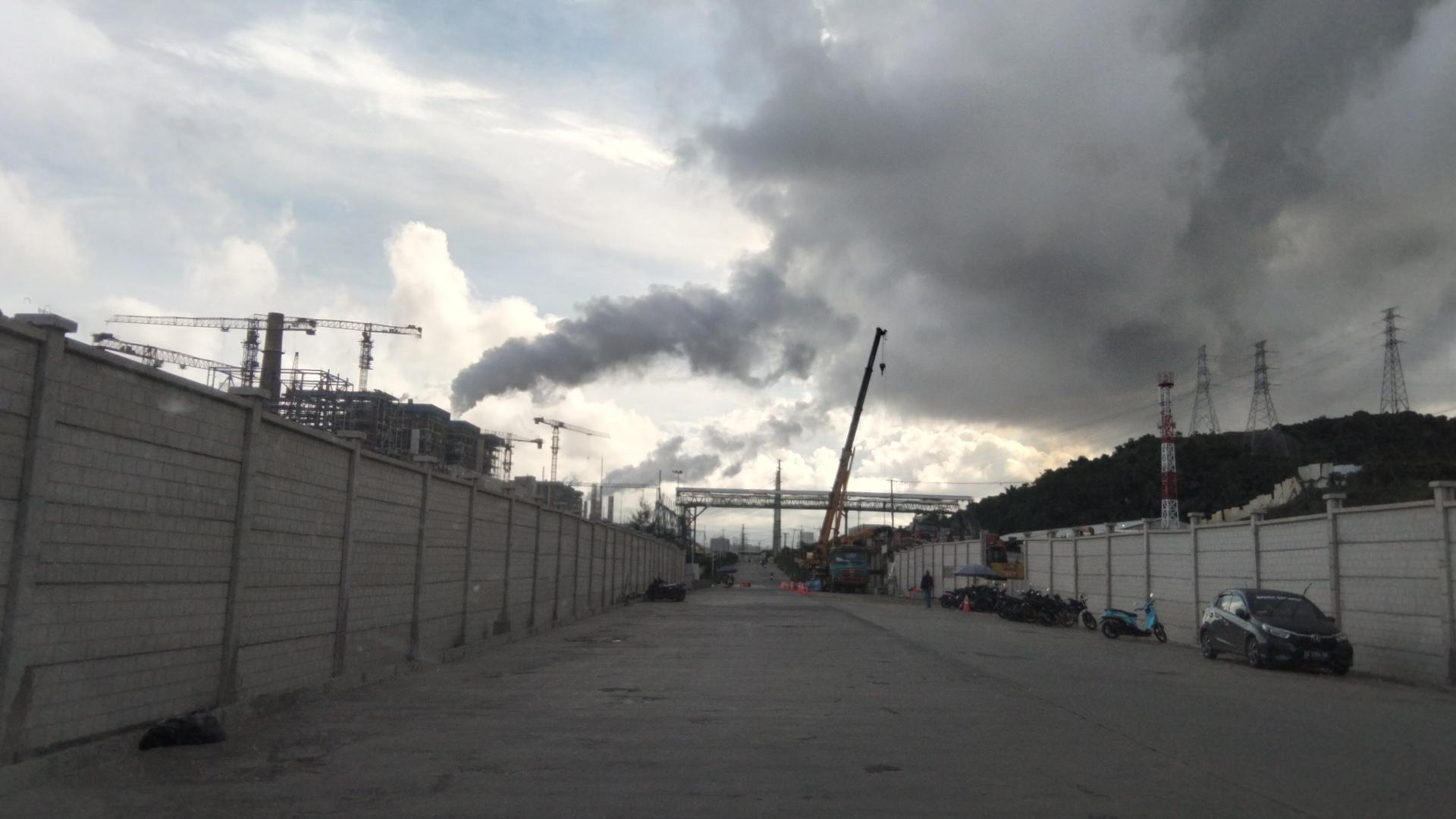
The rapid transformation of Indonesia into a global powerhouse for electric vehicle battery components has reshaped landscapes and local economies across the archipelago. Nowhere is this industrial shift more visible than in Central Halmahera Regency, North Maluku Province. Driven by surging international demand for nickel, the region has attracted billions of dollars in foreign investment, drawing massive industrial complexes such as the Indonesia Weda Bay Industrial Park (IWIP) in the North Weda district. For many young job seekers from across the Maluku Islands and North Sulawesi, the sprawling industrial hub represents a rare beacon of economic stability, promising steady employment and regular paychecks.
However, behind the gleaming statistics of export growth and foreign direct investment lies a complex human and environmental reality. Interviews with former laborers, local transport workers, and regional observers reveal a demanding ecosystem defined by high living costs, strict surveillance, occupational safety risks, and significant environmental degradation. As the mining frontier continues to expand deeper into customary lands and vulnerable villages like Sagea Kiya, the true cost of the nickel boom is increasingly being borne by the workers on the front lines and the local communities whose traditional livelihoods are being uprooted.
The Human Toll: Recruitment, Demanding Labor, and High Turnover
The labor market within Central Halmahera’s nickel operations thrives on a continuous pipeline of young, economically vulnerable workers. With higher education opportunities and formal employment scarce in neighboring provinces like Maluku and North Sulawesi, many high school graduates forgo further schooling to enter the mining sector. They arrive in North Weda seeking the means to support their families, pay off debts, or fund short-term financial goals such as building a home.
Mirna, a young woman from Ambon who spent nearly two years working at an IWIP-operated nickel processing facility before resigning, described an industrial environment engineered for maximum output and minimal downtime. Despite drawing a monthly salary of approximately six million Indonesian Rupiah—an amount that appears substantial in local terms—she found that soaring inflation inside the mining zone quickly eroded her earnings.
Furthermore, wage structures within the complex heavily penalize any interruption in attendance. Compensation is calculated strictly on a day-to-day basis; workers who fall ill or fail to log mandatory overtime see immediate deductions in their take-home pay. This creates a powerful financial deterrent against taking sick leave, pushing laborers to work through physical pain and exhaustion. The relentless production schedule does not pause for weekends or public holidays, with male employees particularly susceptible to being drafted for continuous duty during national rest days. Consequently, employee burnout is high, fueling a relentless recruitment cycle where departing workers are immediately replaced by fresh arrivals from the steady stream of job seekers.
Strict Control and Surveillance Inside the Industrial Complex
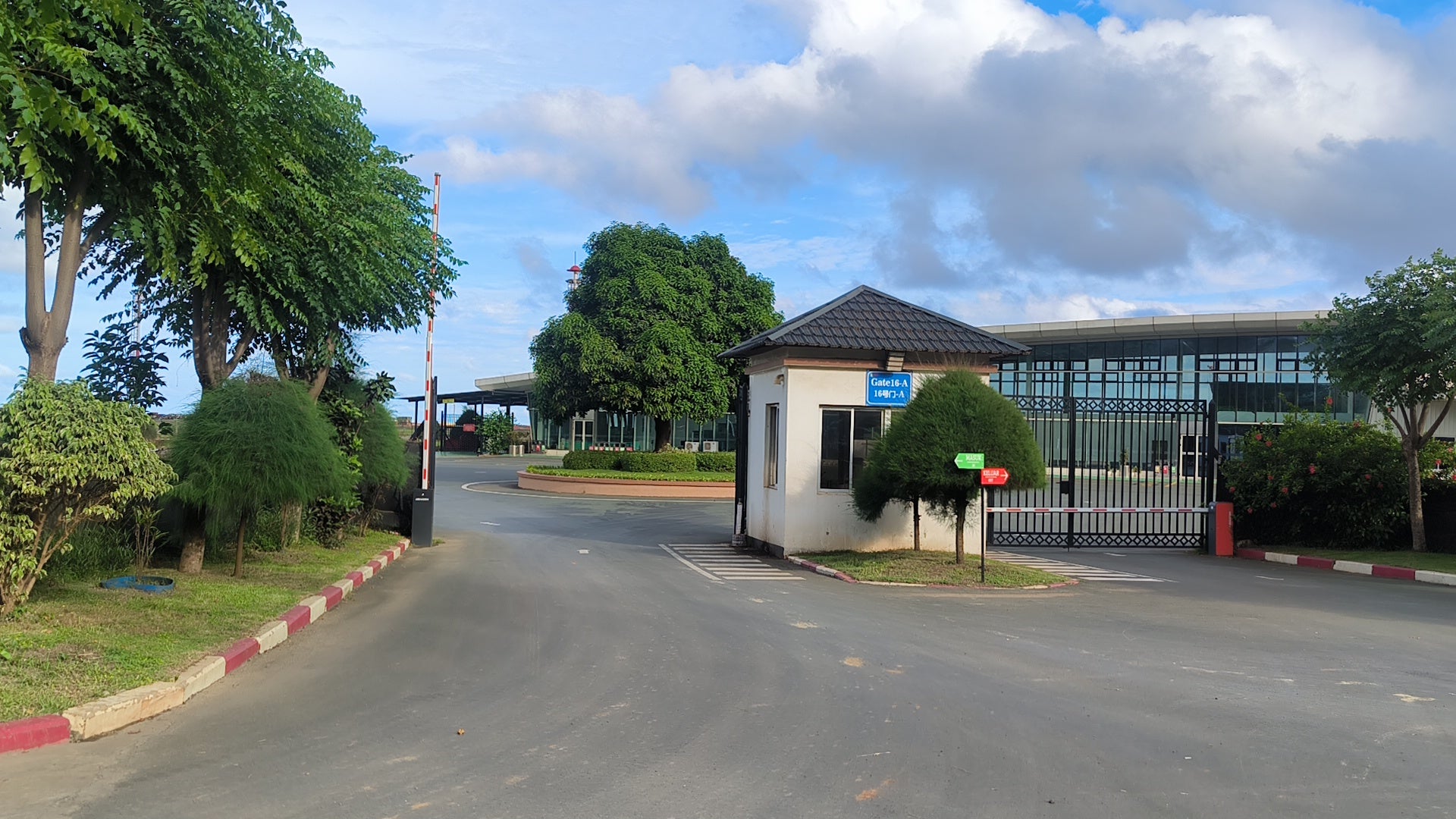
The physical infrastructure of the mining concessions is matched by an equally rigorous administrative and security apparatus. Inside the massive industrial parks, worker movements are subjected to intense surveillance, utilizing security personnel, perimeter checkpoints, and drone monitoring. Company regulations strictly govern social interactions and off-hours behavior, prohibiting employees from hosting visitors or meeting outsiders without prior administrative clearance. Even immediate family members face severe restrictions on entering company-managed housing and operational zones.
This heavy-handed institutional control extends to documentation. To navigate employment requirements, many workers from outside North Maluku report maintaining dual identities, acquiring local identification cards specifically for regional employment while retaining their original hometown documents. Internal infractions—ranging from minor attendance discrepancies to failure to adhere to strict safety protocols—are met with formal disciplinary warnings and salary penalties, cultivating an atmosphere of constant compliance and apprehension among the workforce.
Occupational Hazards and Workplace Safety
The physical dangers inherent in large-scale nickel smelting and mineral processing present a daily threat to laborers. Workers are continuously exposed to heavy machinery, caustic industrial chemicals, extreme heat, and dense airborne particulate matter. Welders and fabrication crews frequently suffer from acute eye trauma due to intense ultraviolet exposure from their equipment. While personal protective equipment (PPE) is mandated, enforcement often feels reactive rather than preventative. According to former employees, formal safety meetings and briefings are frequently convened only after workplace accidents have already occurred—sometimes multiple times within a single week.
The severity of these incidents ranges from debilitating exhaustion to fatal accidents. Accounts from within the facilities describe devastating occurrences, such as workers falling into deep industrial piping or collapsing from systemic fatigue. While management typically provides financial compensation and manages the logistical repatriation of deceased local workers, allegations persist that foreign laborers who suffer fatal accidents are occasionally buried directly within company-controlled grounds rather than being returned to their home countries.
Living Conditions, Housing Pressures, and Health Impacts
Although industrial operators provide basic infrastructure such as communal dormitories, mess halls, and rudimentary medical clinics, the standard of living often falls short of workers’ expectations. On-site dining facilities are frequently criticized for providing monotonous, low-nutrition meals designed purely for caloric sustenance rather than health or enjoyment.
For workers who choose or are forced to live outside company housing, the financial strain is magnified. Rental units in nearby settlements command prices upwards of 1.5 million Rupiah per month, frequently offering substandard amenities, shared sanitary facilities, compromised water quality, and chronic electricity shortages. Married workers face particularly acute challenges, as the compounding costs of rent, food, and transport quickly outstrip basic wages, leading many to voluntarily terminate their contracts and return to their home islands.
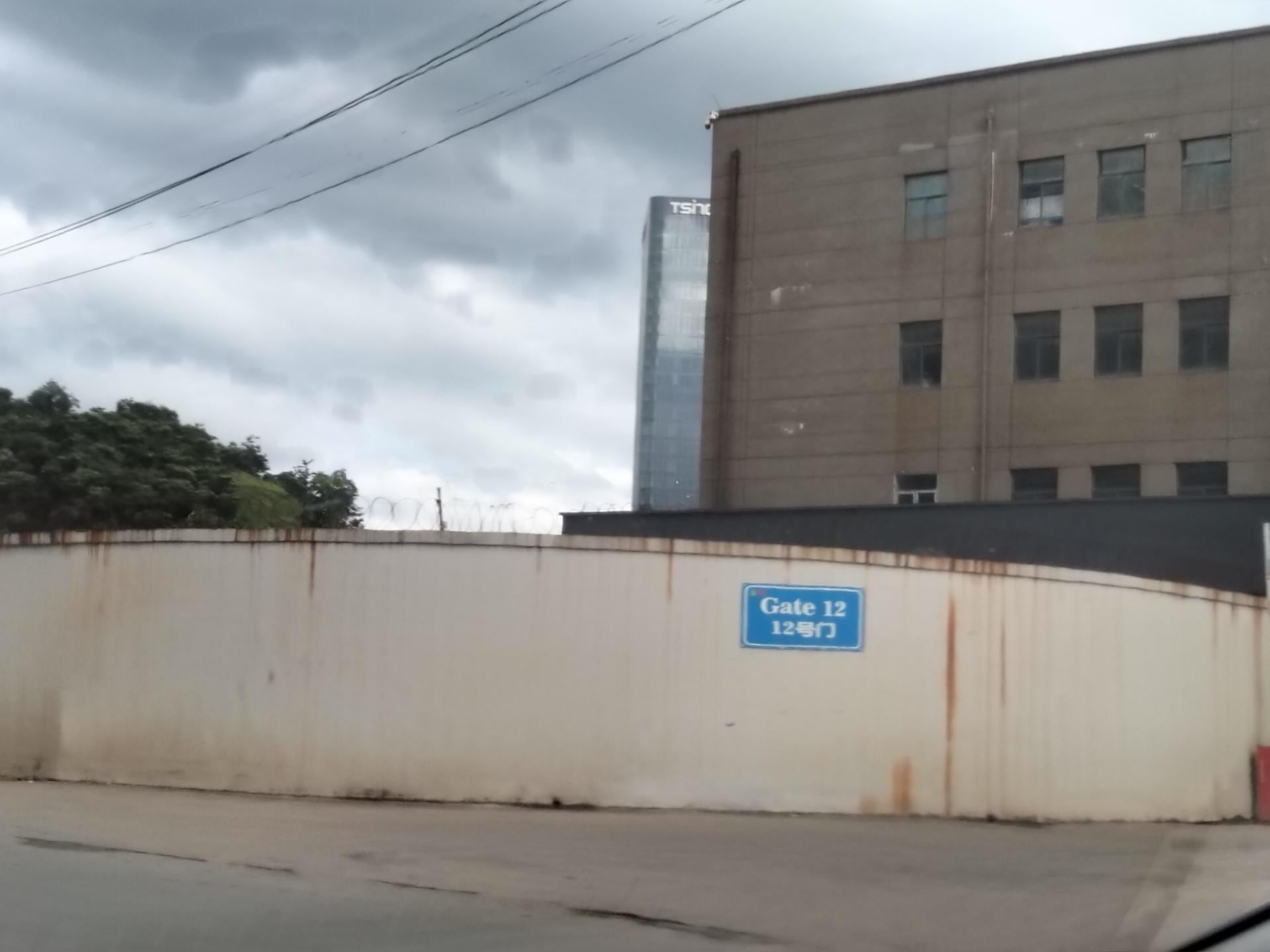
The physical toll of these combined stressors is significant. Former workers report high incidences of stress-induced illnesses, gastrointestinal disorders, and severe respiratory complications. Access to the national health insurance scheme (BPJS) provides a formal safety net, but monthly contributions are directly deducted from workers’ salaries, adding another layer of financial friction to an already precarious existence.
Environmental Degradation in Sagea Kiya and Surrounding Villages
Beyond the factory gates, the ecological footprint of the nickel boom is reshaping the natural and social landscape of Central Halmahera. Communities in Lelilef and surrounding areas contend with heavy dust pollution settling over homes and vegetation, while coastal zones experience sedimentation and industrial runoff.
Sagea Kiya Village, historically renowned for its pristine natural attractions, including subterranean cave systems and clear waterfalls, has experienced profound environmental alterations. Local residents and former workers report that hydrological systems have been disrupted, leading to cloudy, foul-smelling well water that is no longer safe for daily consumption. Consequently, many villagers have been forced to rely entirely on bottled water for drinking and cooking, highlighting a stark disparity between the wealth generated by the extraction industry and the deteriorating quality of life for indigenous and local populations.
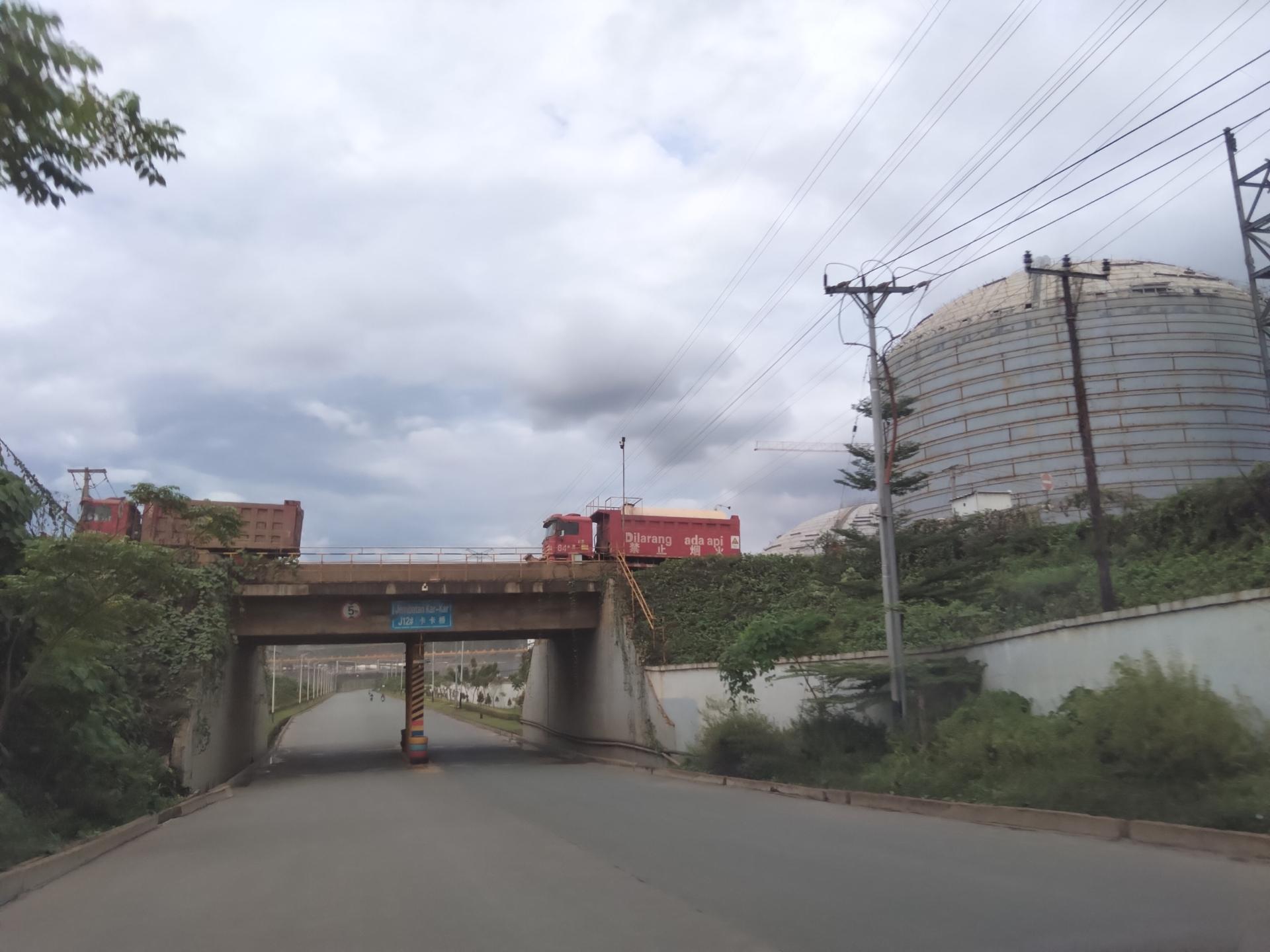
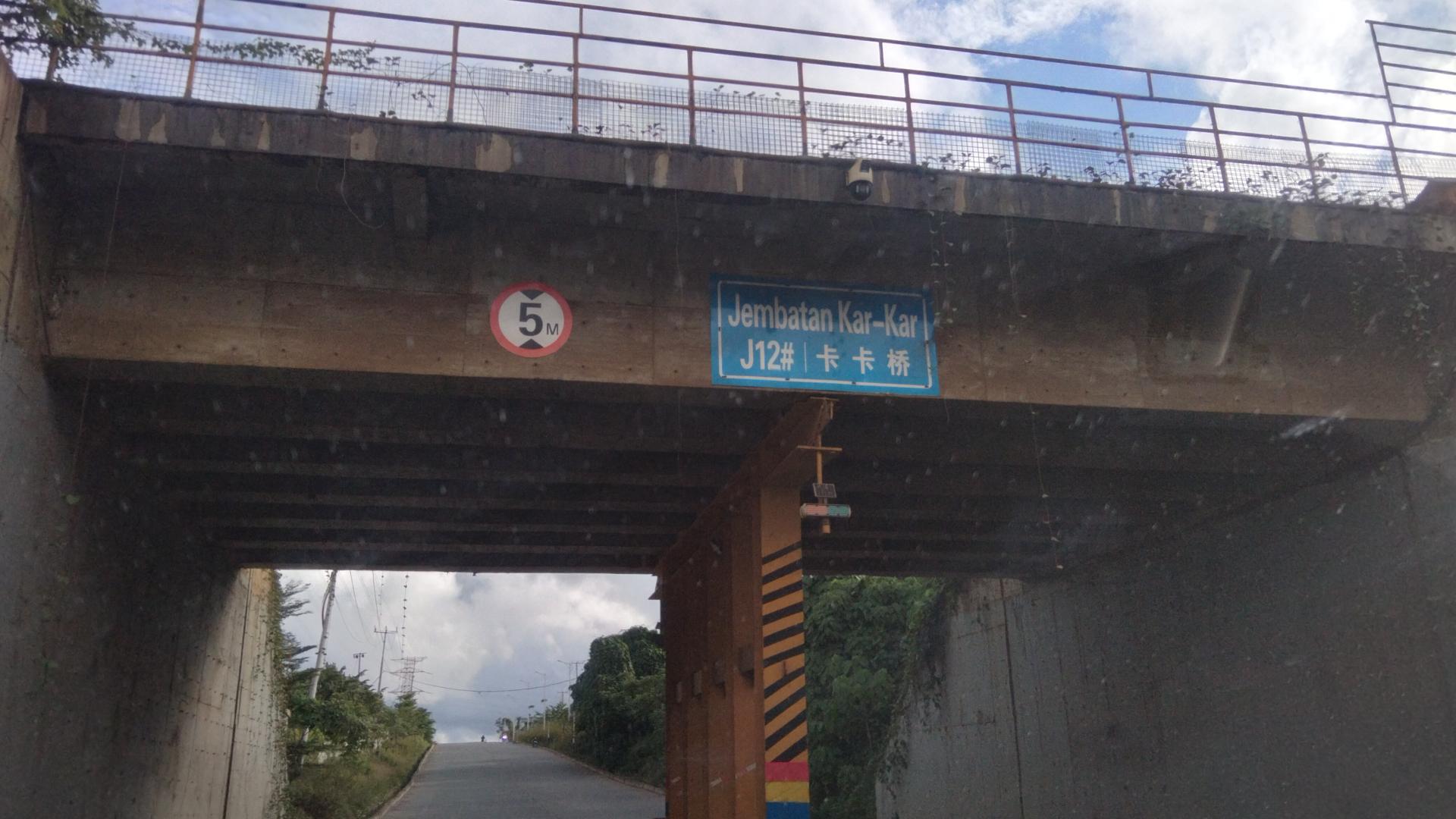
The expansion of concessions toward East Halmahera has further accelerated land conversion. Within these restricted zones, photography and video recording are strictly prohibited, and the pervasive presence of foreign signage, linguistic markers, and imported technical infrastructure underscores the heavy reliance on foreign capital and technology in shaping North Maluku’s industrial future.
Broader Implications of the Extractive Boom
The situation in Central Halmahera reflects the complex trade-offs defining Indonesia’s rapid industrialization. While the nickel sector has successfully propelled the nation into the global supply chain for green energy technologies and generated substantial macroeconomic growth, the micro-level realities for laborers and host communities demand rigorous scrutiny.
The reliance on a transient, high-turnover workforce, coupled with persistent safety concerns, restrictive labor environments, and localized environmental degradation, underscores the urgent need for enhanced regulatory oversight. Ensuring fair wages, transparent occupational safety standards, robust environmental protections, and meaningful engagement with local communities remains a critical challenge for policymakers, corporate stakeholders, and civil society as Indonesia navigates its ambitious economic future.




