
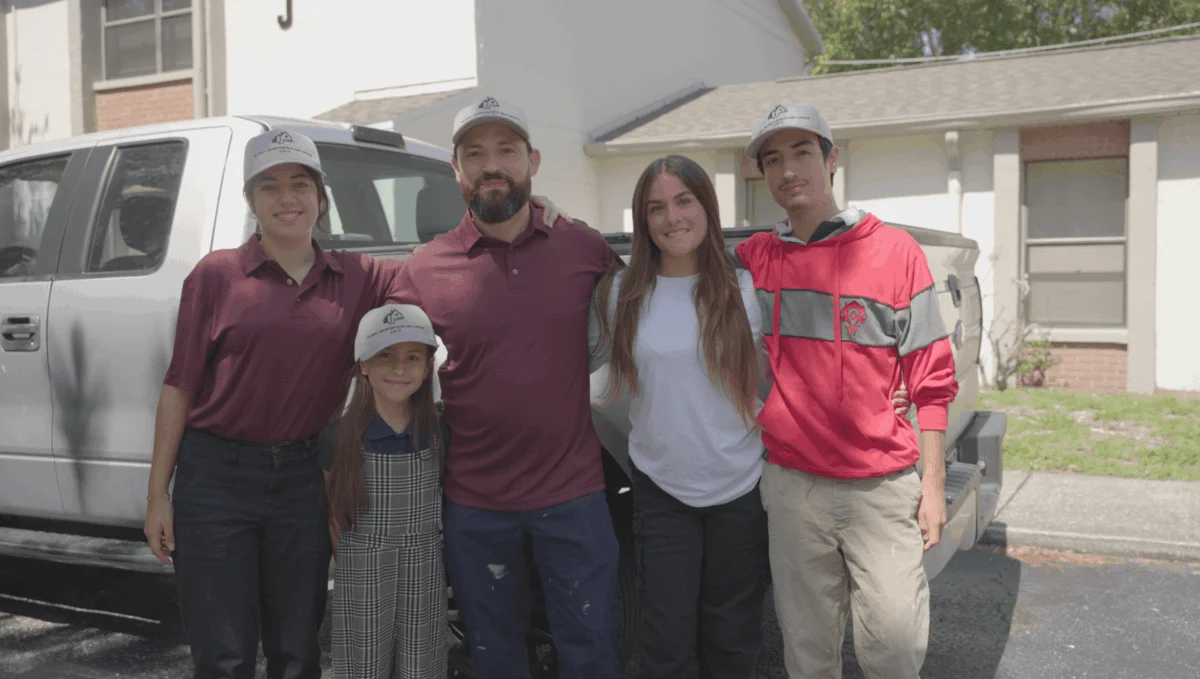
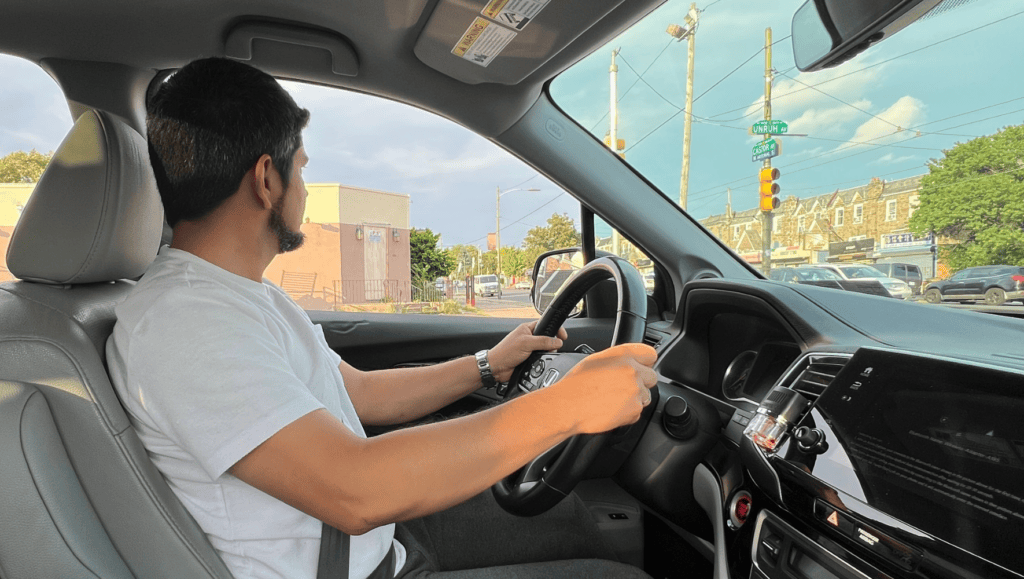
When Pedro’s young daughter first climbed into the family’s new car in Philadelphia, she described it as a “spaceship,” a moment of childlike wonder that masked the profound socioeconomic shift her family had just achieved. For her father, a Venezuelan refugee who arrived in the United States in 2024, the vehicle represented far more than a mode of transportation; it was a critical milestone in the transition from initial survival to long-term stability. While the standard narrative of refugee resettlement often emphasizes the immediate months following arrival—securing housing, learning the language, and navigating basic logistics—the reality of integration is a multi-year, complex process that requires sustained, targeted support systems.
The transition from the initial resettlement phase to true economic and social integration remains one of the most significant hurdles for the thousands of displaced individuals arriving in the U.S. annually. Organizations like HIAS have identified that the "first mile" of resettlement, while essential for preventing homelessness and immediate hunger, is merely the foundation. Real-world success stories, such as those of Pedro and another participant named Maryam, underscore that true empowerment comes from programs that bridge the gap between emergency assistance and long-term autonomy.
A Chronology of Integration: From Arrival to Independence
The trajectory of a refugee’s life in the U.S. typically follows a phased timeline. Upon entry, the federal government and various non-governmental organizations (NGOs) provide immediate aid. This includes initial placement, temporary housing, and orientation services. However, the data suggests that these initial resources are often exhausted within the first six to 12 months.
By the second year, the focus shifts toward "secondary integration"—the period where individuals must navigate the complexities of the American financial, legal, and educational systems on their own. For many, this is where the risk of stagnation or economic instability is highest.
In the case of Pedro, the 2024–2026 timeline illustrates this progression:
- 2024: Arrival from Venezuela. Initial focus on securing basic needs, learning the local geography, and entering the labor market.
- 2025: Entry into the HIAS Individual Development Account (IDA) program. Participation in financial literacy training, credit-building workshops, and specialized vehicle procurement guidance.
- 2026: Acquisition of a personal vehicle, enabling access to higher-quality employment and the potential for small-business development in electrical repair.
This timeline highlights that the most impactful support is often provided not at the moment of landing, but in the months and years that follow, when the "newness" of the country has worn off and the weight of daily responsibility settles in.
The Economic Multiplier Effect of Mobility
The challenge of transportation in American cities, particularly those with aging public transit infrastructure, serves as a major barrier to economic mobility. For refugees residing in Philadelphia, the reliance on bus transfers can turn a 10-minute drive into a 90-minute ordeal. This "time tax" disproportionately affects low-income workers, forcing them to choose between reliability and the cost of ride-sharing services.
HIAS’s IDA program addresses this by utilizing a matched-savings model. Participants like Pedro save a set amount—in his case, $6,000—which is then matched by the organization to provide a total of $12,000 for a significant investment. This is not a handout; it is a structured financial instrument designed to teach fiscal responsibility. Participants undergo rigorous training: comparing insurance policies, vetting vehicle quality, avoiding predatory lending, and understanding the legal obligations of car ownership in a new state.
The economic implications are clear. According to the Bureau of Labor Statistics, access to reliable private transportation is one of the strongest predictors of long-term job retention and wage growth for immigrants. By removing the barrier of inefficient transportation, refugees are able to pivot from survival-level employment to career-track opportunities. Pedro’s own trajectory—moving from general labor to specialized electrical manufacturing and electronics repair—is a direct result of this increased mobility.
Analyzing the Shift: Why Long-Term Support Matters
Public policy analysis in the migration sector has increasingly shifted toward "durable solutions." While the 1980 Refugee Act established the core framework for resettlement, the reality of the 21st-century global displacement crisis—characterized by longer periods of exile and more complex legal pathways—requires a more nuanced approach.
The "long-term" philosophy of organizations like HIAS is rooted in the understanding that refugees arrive with high levels of human capital but often lack "social capital"—the networks and institutional knowledge required to navigate the U.S. system. For Maryam, another program participant, the journey involved moving from a state of total dependence on social services to one where she now acts as a mentor for other newcomers.
This transformation—from beneficiary to contributor—is the ultimate metric of successful integration. When refugees can translate their skills into sustainable income, they contribute to the tax base, stabilize their families, and participate more fully in their local communities.
Official Responses and Institutional Perspectives
While non-profits lead the way in these micro-level interventions, there is a growing call among stakeholders for federal and state governments to integrate these successful models into broader resettlement policy. Experts from the Migration Policy Institute have frequently noted that the "graduation" of a refugee from government assistance should be viewed as a midpoint rather than an end.
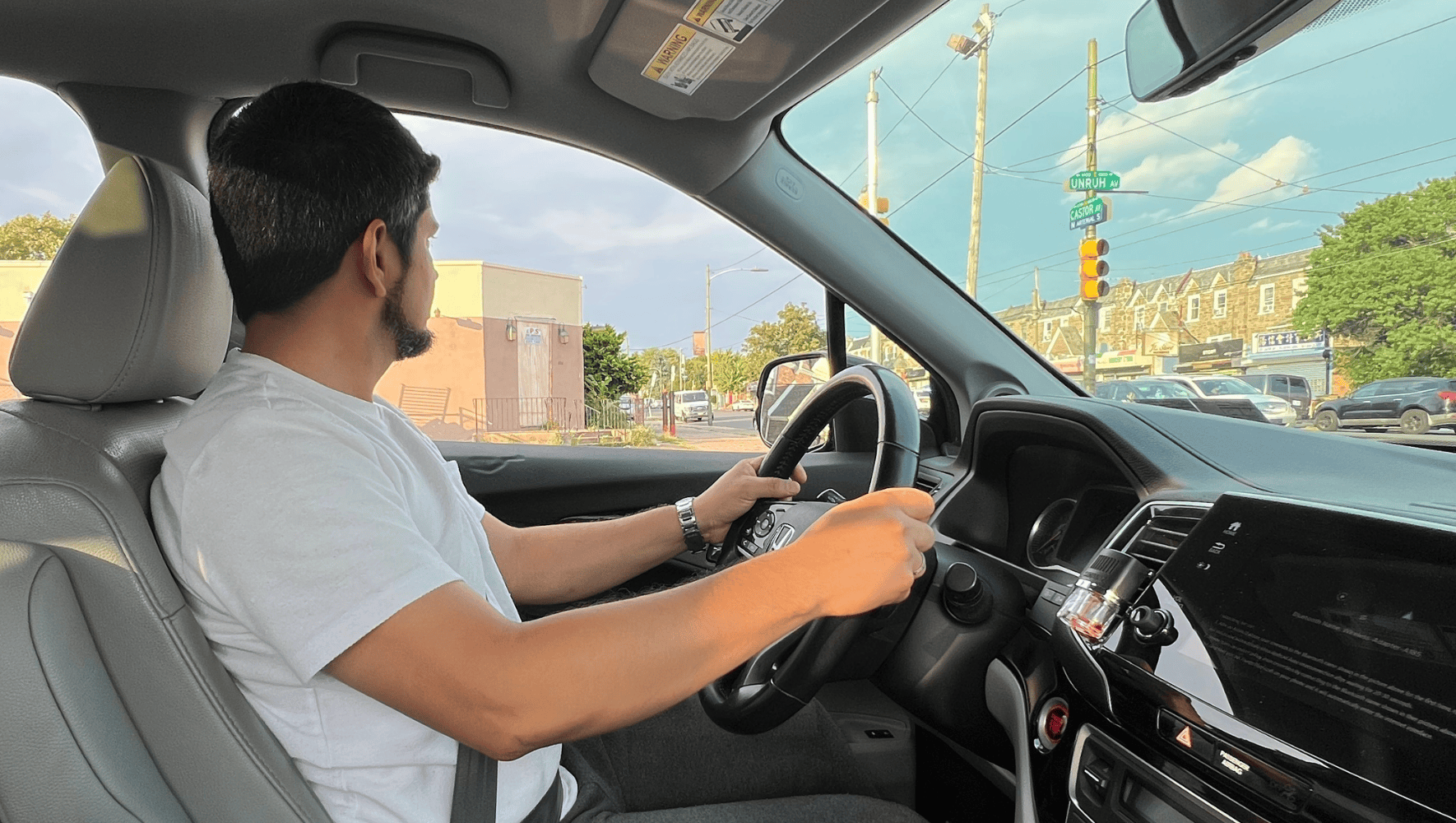
The sentiment expressed by Pedro—that the support he received helped him "grow as a person"—is a common thread in qualitative research regarding resettlement. It is not merely the financial injection that matters, but the psychological shift from feeling like an outsider to feeling like a stakeholder in one’s community. "First thing to do is be respectful," Pedro noted, emphasizing that integration is a two-way street that requires the refugee to engage with the neighborhood as a neighbor, not just a transient resident.
Broader Impact: The Future of Refugee Resettlement
The broader implications of these programs extend far beyond the individual stories of the participants. As the U.S. continues to manage the integration of diverse populations, the success of these long-term programs provides a blueprint for local governments looking to revitalize their workforce.
Furthermore, the legal assistance provided alongside economic programs is equally vital. By helping families like Pedro’s navigate the green card application process, these organizations reduce the anxiety associated with legal uncertainty. When a family feels secure in their immigration status, they are significantly more likely to invest in their own education, purchase homes, and start businesses, thereby accelerating their economic contribution to the country.
A Continuing Journey
The evidence suggests that the most effective way to help refugees is to invest in their capacity to help themselves. By providing the tools for financial management, transportation, and legal stability, organizations are essentially building the infrastructure for a more resilient and integrated society.
As of September 2026, the success of the HIAS model serves as a compelling case study. It demonstrates that when support is extended beyond the initial landing, the result is not only a faster transition to independence but a higher quality of life for the refugees and a more stable, productive community for the country at large. As Maryam aptly put it, the process of rebuilding is a long journey, but one that becomes navigable when the right people and the right systems are in place to support the path forward.
The story of the "spaceship" car is, in essence, a story of the American Dream in the 21st century: a combination of individual drive, institutional support, and the fundamental belief that with the right tools, one can build a life from the ground up, mile by mile.




