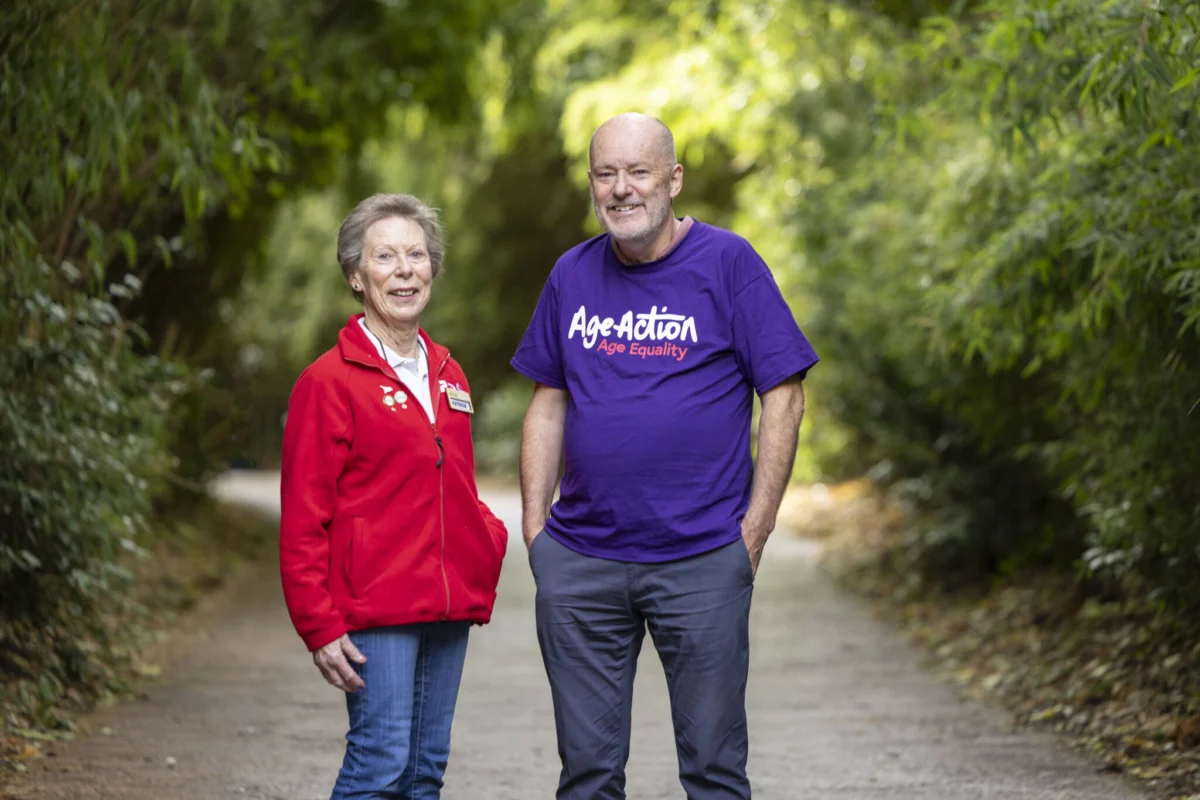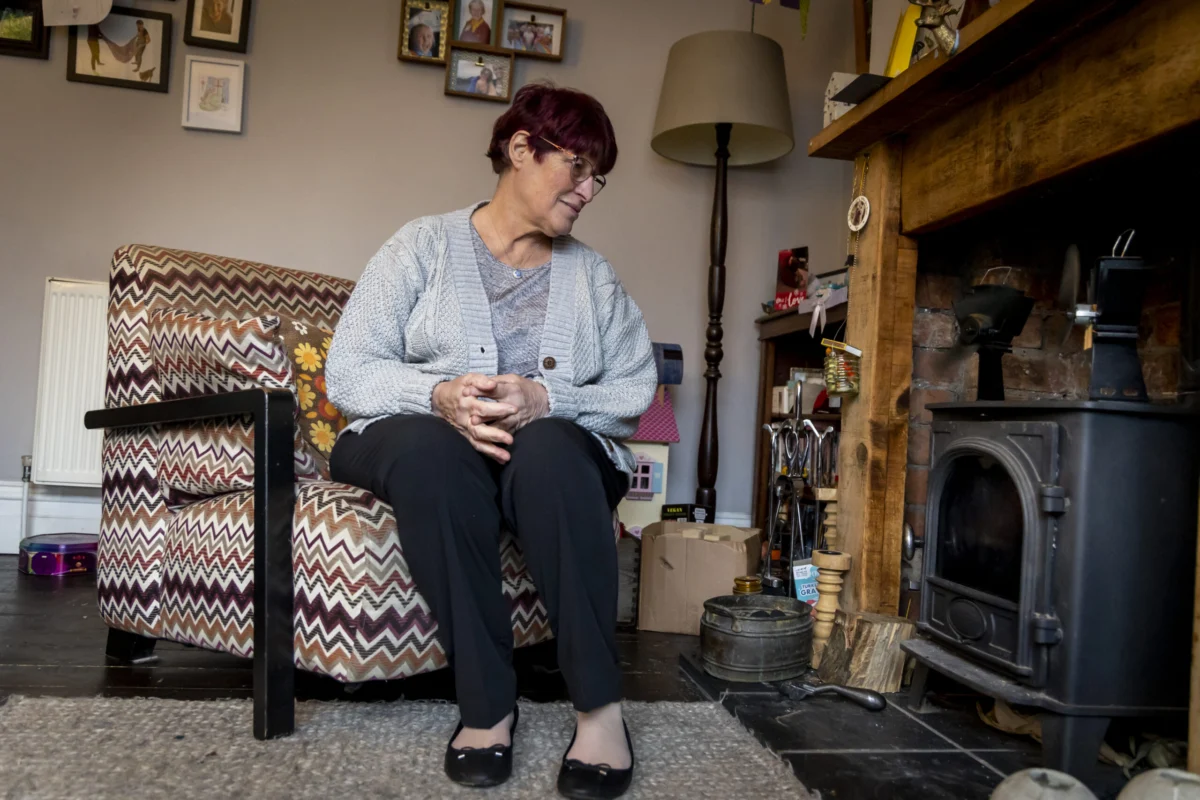
The release of the Irish Government’s Budget 2026 has ignited a significant debate regarding the fiscal security of the nation’s aging population. Following the official announcement, the advocacy group Age Action issued a sharp critique, characterizing the budgetary provisions as a profound missed opportunity that leaves over 860,000 citizens aged 65 and older vulnerable to inflationary pressures and rising living costs. While the government emphasized a move away from the "one-off" cost-of-living payments that characterized recent fiscal packages, Age Action argues that the permanent, structural supports promised as a replacement have failed to materialize for the most economically vulnerable.
The Fiscal Context: A Shift in Budgetary Strategy
Budget 2026 marked a pivotal shift in Irish fiscal policy. For the preceding three years, the government utilized surplus tax revenues to provide "one-off" cost-of-living payments, aimed at insulating households from the volatility caused by global energy price spikes and the post-pandemic supply chain crisis. As inflation began to stabilize, Ministers Jack Chambers and Paschal Donohoe signaled a pivot toward long-term, structural investments.
However, for advocacy groups representing the elderly, this transition has been perceived as premature. The core grievance from Age Action is that while the inflation rate has decelerated, the absolute price levels for essential goods—particularly energy and groceries—remain at historically high levels. By withdrawing the temporary supports without implementing substantive, long-term increases to base pension rates, the government has created a "cliff edge" effect for those living on fixed incomes.
Chronology of the Budgetary Dialogue
The tension leading up to the Budget 2026 announcement can be traced back to early 2025, when Age Action began its pre-budget submissions.
- August 2025: Age Action formally publishes its "Budget 2026 Submission," calling for a structural reform of the State Pension and the introduction of an "Energy Guarantee" for older citizens.
- September 2025: High-level meetings take place between Age Action representatives and the Department of Finance, led by Ministers Chambers and Donohoe. During these sessions, the advocacy group highlighted the widening gap between the State Pension rate and the cost of living.
- October 2025: Budget 2026 is delivered to the Dáil. It includes a €10 weekly increase in the State Pension but declines to adopt the Energy Guarantee or move the pension toward the 34% wage-replacement benchmark recommended by the Pensions Commission.
- Post-Budget 2025/2026: Reaction from the advocacy sector is immediate, with Age Action declaring the measures insufficient to meet the rising demands of an aging demographic.
Analysis of Pension Adequacy and Wage Benchmarking
A central pillar of the debate surrounding Budget 2026 is the benchmark established by the Pensions Commission. The Commission, established to ensure the long-term sustainability and adequacy of the Irish pension system, previously recommended that the State Pension should be indexed to 34% of average hourly earnings.
As of late 2025, the State Pension remained significantly below this target. While the €10 weekly increase is intended to provide some relief, economists note that this adjustment barely covers the cumulative impact of three years of sustained high inflation. Without a formalized mechanism to bridge the gap to the 34% benchmark, the real-term purchasing power of pensioners continues to erode.
Advocates argue that this failure to benchmark is not merely a technical oversight but a policy failure that forces a large segment of the population into "hidden poverty." While older people may appear to have stable incomes compared to those in the labor market, their fixed nature makes them uniquely susceptible to fluctuations in the cost of energy and essential healthcare services.
The Energy Crisis and the Vulnerability of Housing Stock
Beyond direct income support, the most contentious element of the budget is the modest €5 increase to the Fuel Allowance. Age Action has labeled this increase "an inadequate substitute" for the structural reform they proposed.
The rationale for the Energy Guarantee—the core proposal from Age Action—was based on the specific demographic reality of Ireland’s older population. Census data indicates that older people are disproportionately represented in the "old housing stock" category. These properties, often built before modern energy efficiency regulations were introduced, suffer from poor insulation, drafty windows, and outdated heating systems.
Because older citizens spend more time at home, they face a higher "energy burden" than the general population. Data from the Sustainable Energy Authority of Ireland (SEAI) suggests that older homes require up to 40% more energy to maintain the same thermal comfort as a modern, BER-rated property. By providing a flat-rate increase to the Fuel Allowance rather than a needs-based, efficiency-linked Energy Guarantee, the government has essentially ignored the structural disadvantage faced by those in poorly insulated homes.
Furthermore, statistics indicate that fewer than 3 in 10 State Pension recipients currently qualify for the Fuel Allowance. This means that a significant majority of the elderly population receives no targeted support for their heating bills, despite being on a fixed income that is insufficient to cover the capital costs of retrofitting their homes.
Official Government Stance and Economic Rationale
In defending the budget, government officials have emphasized the importance of fiscal discipline. Minister Paschal Donohoe has maintained that the economy must be prepared for potential external shocks, and that the return to "business as usual" regarding social welfare payments is necessary to avoid overheating the economy.
Government spokespeople have pointed to the expansion of other social supports, such as the increase in medical card eligibility and the continuation of the GP visit card scheme, as evidence of their commitment to older citizens. From the government’s perspective, these indirect supports, combined with the €10 pension increase, represent a balanced approach that respects the current fiscal envelope.
However, independent fiscal analysts have noted that while the state balance sheet is healthy, the "cost of living" crisis has left a structural scar on household finances. By choosing to prioritize tax cuts for the broader workforce over targeted, permanent increases for the most vulnerable, the government has signaled a preference for economic stimulation over wealth redistribution for the elderly.
Broader Societal Implications and Future Outlook
The disappointment expressed by Age Action reflects a growing sentiment among civil society organizations that the needs of an aging Ireland are being sidelined by short-term political calculations. With the population of those aged 65 and older projected to grow significantly over the next two decades, the current strategy of incremental, discretionary adjustments is viewed as unsustainable.
If the government does not address the structural disparity in pension rates and the specific energy needs of the elderly, the implications could be severe. Health experts warn that "cold-related illnesses" and the associated strain on the public health system are directly linked to the inability of older people to adequately heat their homes. When pensioners are forced to choose between fuel and food, the resulting health crises create a long-term cost for the state that far exceeds the initial expenditure required for a targeted energy support scheme.
Moreover, the perception that the government has "forgotten" the 860,000 people aged 65 and over carries political weight. As the demographic weight of the older population increases, their influence at the ballot box is likely to grow. Future budgets will inevitably face pressure to move away from the reactive, temporary measures of the past and toward a more integrated, long-term policy framework for aging.
Conclusion
Budget 2026 serves as a case study in the tension between fiscal consolidation and the social contract. For the government, it was a necessary return to economic normalcy. For Age Action and its constituents, it was a missed opportunity to entrench the protections necessary for a dignified retirement. As the dust settles on the budgetary process, the conversation will likely shift toward the necessity of institutionalized, structural reform that accounts for the reality of inflation and the specific, high-cost environments inhabited by the elderly. Without a pivot toward such policies, the disconnect between government policy and the lived experience of Ireland’s aging population is set to widen in the years to come.