May 13, 2026
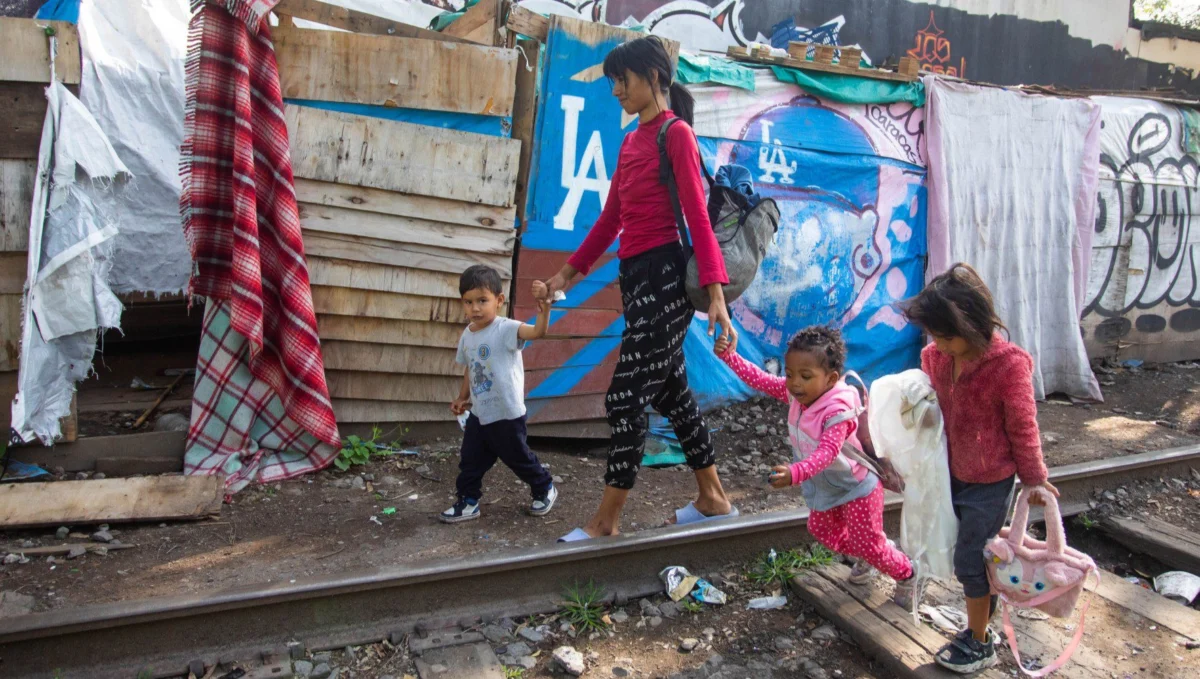
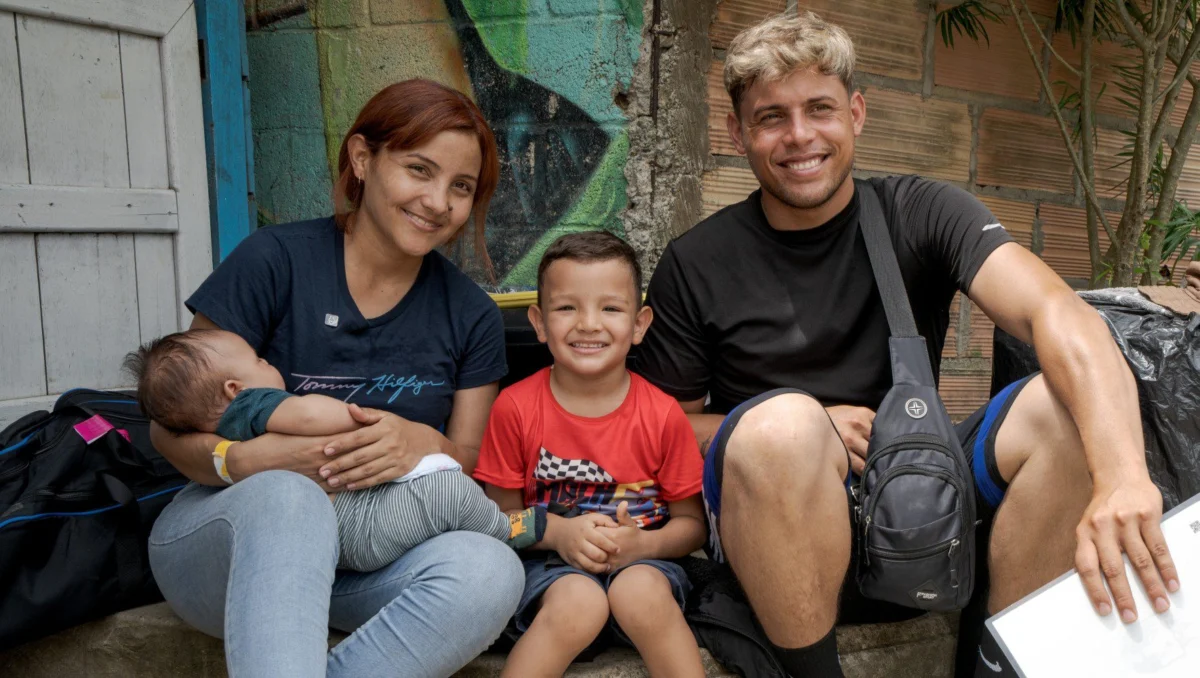
Historically viewed as a transit country for those seeking asylum in the United States, Mexico has increasingly become a final destination for individuals and families fleeing violence, conflict, and persecution. Since 2021, Mexico has emerged as one of the leading nations globally in receiving asylum applications. The country now hosts a significant population of over 780,000 displaced individuals, a figure encompassing refugees, asylum seekers, stateless persons, and internally displaced Mexicans. This evolving demographic reality presents multifaceted challenges for the Mexican government, a robust network of civil society organizations, and frontline responders. The primary drivers for displacement into Mexico include pervasive gang violence, armed conflict, the escalating impacts of climate change, and harrowing experiences of domestic and sexual violence. Notably, refugees, migrants, and internally displaced persons concentrated in Mexico’s northern border cities are exposed to alarmingly high rates of violence, including kidnapping, human trafficking, and various forms of exploitation, with women and girls bearing a disproportionate burden of this vulnerability. HIAS has been actively engaged in advocating for the rights and well-being of refugees and asylum seekers in Mexico since 2019, working to understand and address the complex realities they face.
The Evolving Profile of Displaced Populations in Mexico
The origins of individuals seeking refuge in Mexico are diverse, reflecting a complex web of regional instability and global crises. A significant portion hails from other Latin American nations, with Honduras, Venezuela, Haiti, El Salvador, and Cuba consistently ranking among the top countries of origin. However, the refugee and asylum seeker population in Mexico is far from monolithic. Thousands of displaced individuals also originate from countries much further afield, including Afghanistan, China, and India, underscoring Mexico’s role as a destination for a global diaspora. Reports indicate that displaced people from over 100 different countries currently reside within Mexico.
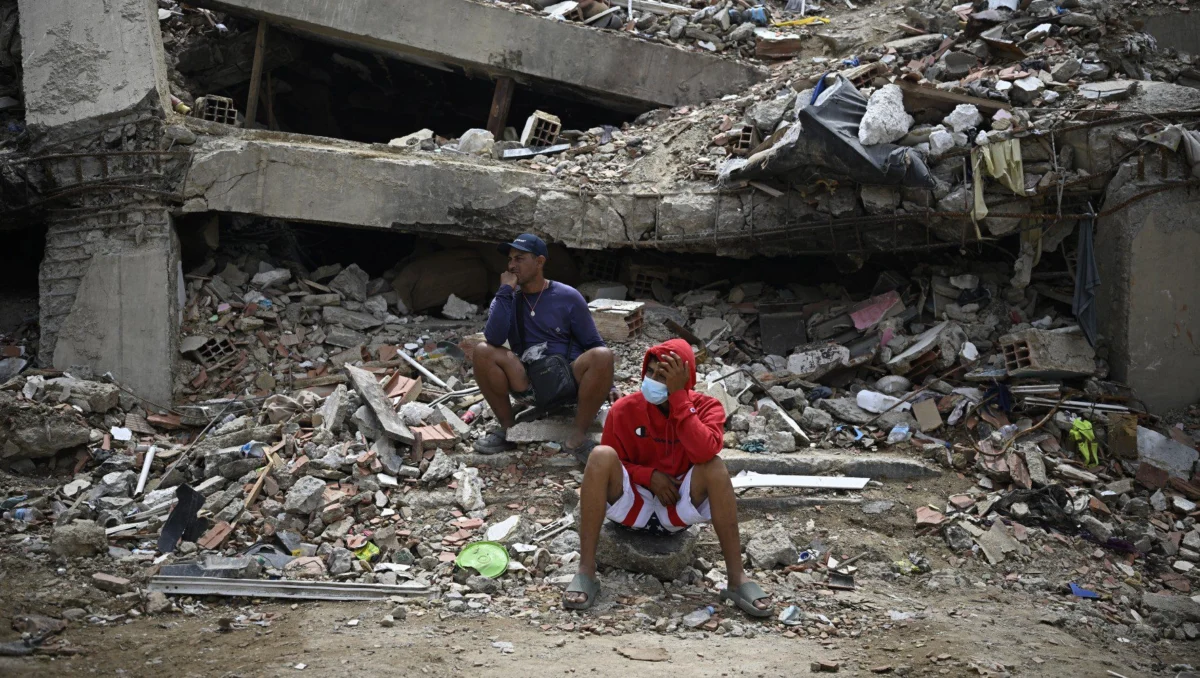
The driving forces behind this displacement are stark. An overwhelming 85% of individuals transiting through Mexico cite violence as the primary reason for their flight. This encompasses a broad spectrum of threats, from the pervasive influence of criminal gangs and the devastating impact of armed conflict to the deeply personal trauma of domestic and sexual violence. Beyond those seeking international protection, Mexico is also grappling with a substantial internal displacement crisis. More than 260,000 Mexicans are displaced within their own country, in urgent need of humanitarian assistance. The majority of these internally displaced persons are fleeing the brutal realities of criminal violence linked to drug trafficking routes. However, the threat of climate change and the increasing frequency and intensity of natural disasters are also significant contributors to internal displacement within Mexico.
Mexico’s Legal Framework and the Growing Humanitarian Strain
Mexico possesses a robust legal framework designed to facilitate the integration of refugees and asylum seekers into society. This framework is supported by policies aimed at promoting employment opportunities and a private sector generally willing to hire displaced individuals, enabling many to rebuild their lives successfully. For many years, substantial humanitarian aid played a crucial role, allowing organizations like UNHCR and its partners, including HIAS, to assist the Mexican government in processing asylum claims and providing essential shelter and support services to refugees and asylum seekers.
However, recent years have witnessed a significant reduction in humanitarian aid, placing immense strain on the existing refugee and asylum systems. These drastic cuts have exacerbated existing challenges. Delays in the issuance of humanitarian visas, a critical pathway to formal employment and access to basic services, have become more pronounced, consequently increasing protection risks for displaced populations. The available resources are increasingly stretched thin, and humanitarian organizations are finding themselves overwhelmed by the sheer volume of need. Across the country, displaced individuals face significant barriers to accessing essential services, vital programs, and the necessary mechanisms to assert and exercise their fundamental rights. This situation creates a precarious existence for many, leaving them vulnerable to exploitation and further marginalization.
The Impact of Shifting U.S. Immigration Policies
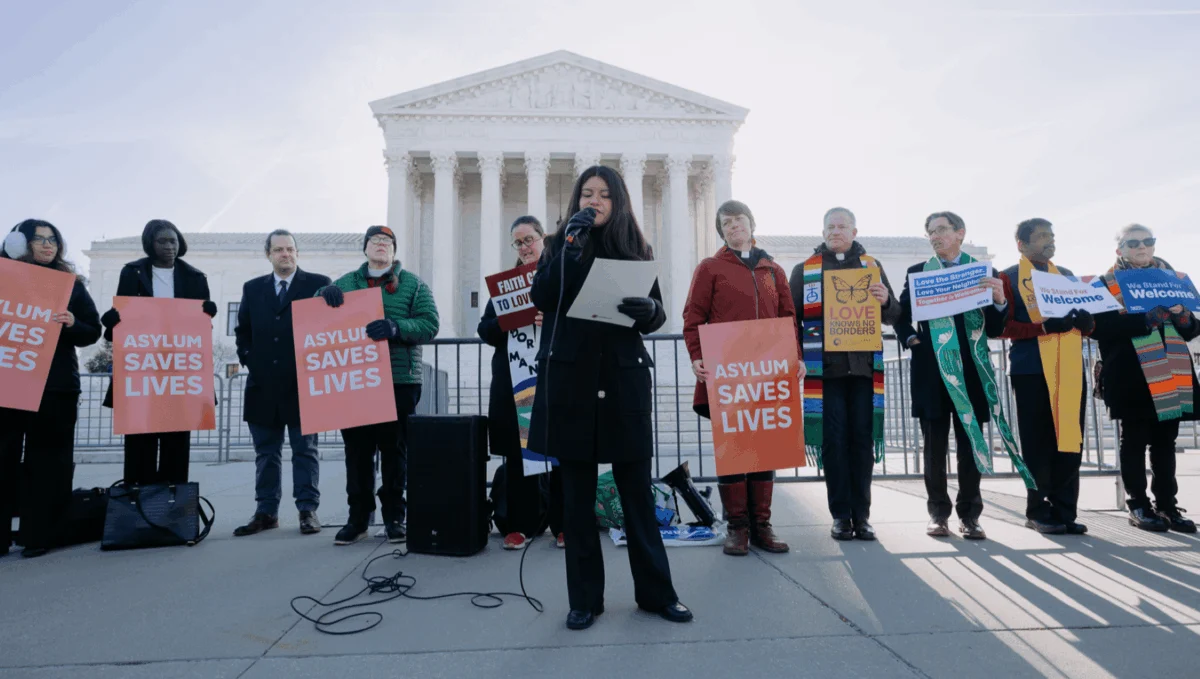
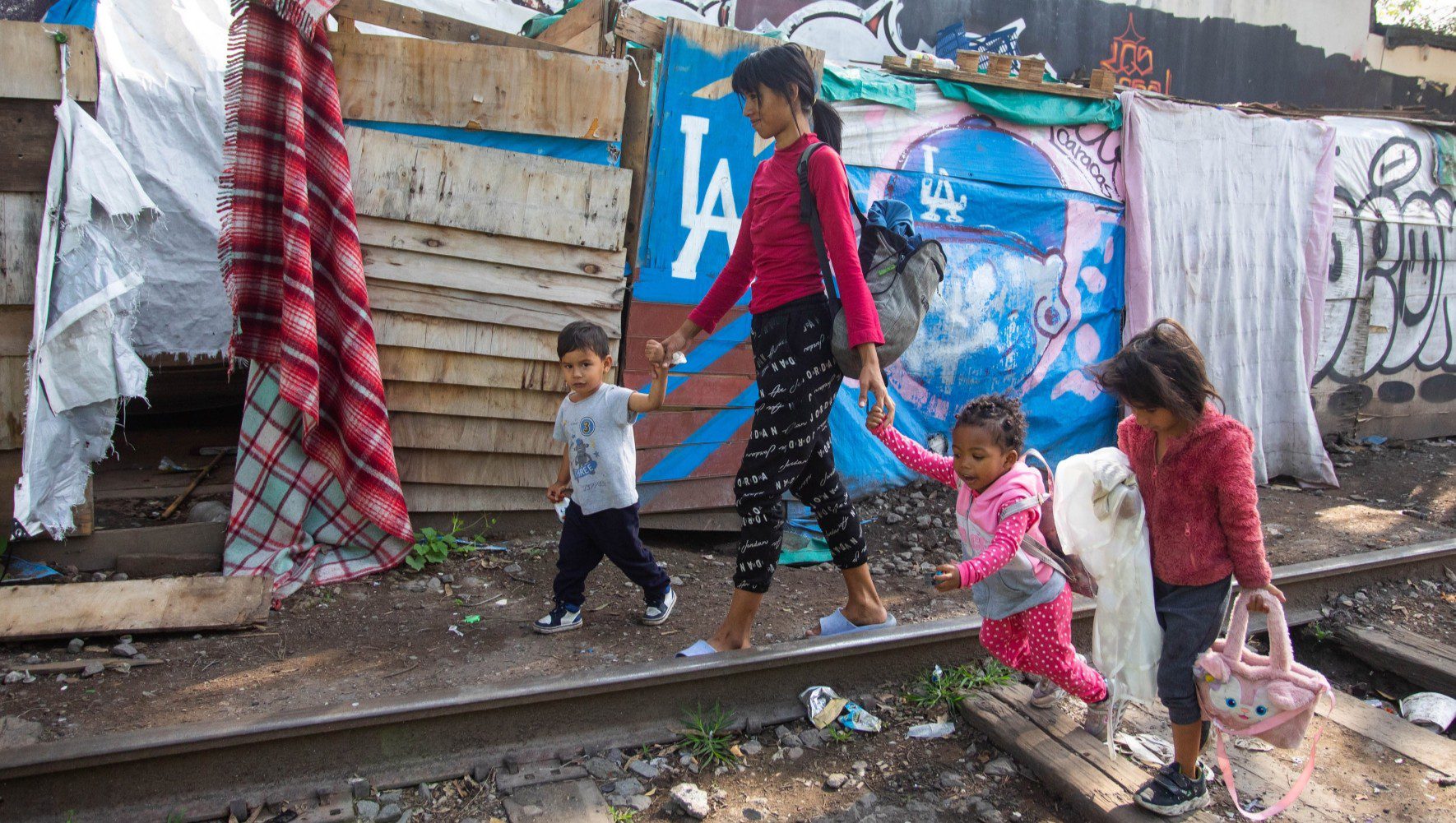
A significant geopolitical and humanitarian shift is underway across Latin America, marked by an increasing number of individuals moving southwards, a phenomenon often described as "reverse migration." This trend is largely attributed to increasingly restrictive U.S. immigration policies, which have curtailed asylum and regularization options for those attempting to reach the United States. The consequences for Mexico have been profound, creating a more dire and complex humanitarian situation.
Recent changes in U.S. policy, coupled with the diminishing availability of asylum and regularization pathways within Mexico itself, have left a growing number of displaced people stranded in a prolonged state of legal uncertainty. Without legal status, families are exposed to heightened risks of violence, exploitation, discrimination, and are often forced into precarious and unsafe informal labor markets to survive.
These policy shifts have also exerted considerable pressure on Mexico’s asylum system. The Comisión Mexicana de Ayuda a Refugiados (COMAR), the national asylum commission, frequently finds itself overwhelmed and under-resourced, struggling to cope with the escalating number of applications. In addition to those already displaced and stranded in Mexico due to U.S. asylum restrictions, the United States continues to deport thousands of third-country nationals to Mexico. These individuals, who may have been in the U.S. legally awaiting asylum proceedings, are now finding themselves in a country with which they may have no ties and where avenues for protection are severely limited, given the strain on Mexico’s asylum system. This situation raises significant concerns about the protection of vulnerable populations and the adherence to international refugee law principles.
HIAS’s Commitment to Supporting Displaced Communities in Mexico
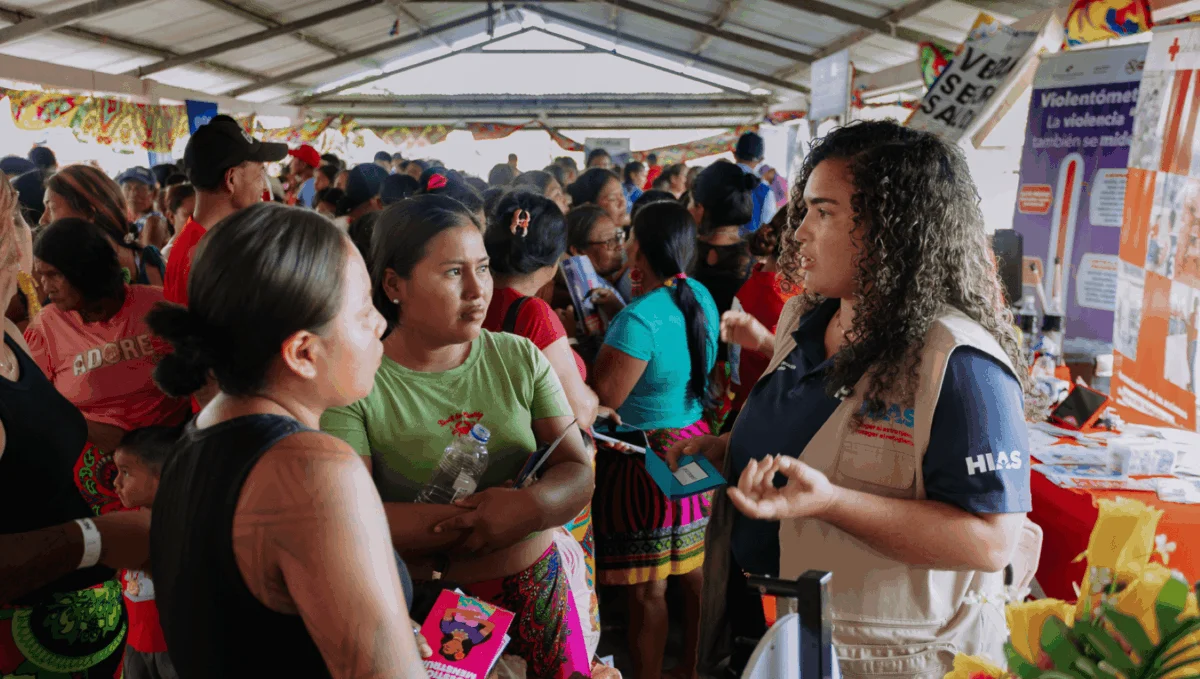
For over seven years, HIAS Mexico has been a steadfast advocate and provider of essential support to displaced individuals seeking to rebuild their lives in safety and dignity. The organization’s work encompasses a range of critical interventions, including providing crucial mental health care, offering vital legal assistance, and implementing programs focused on the prevention and response to gender-based violence, with a particular emphasis on protecting women and girls.
Currently, HIAS Mexico is actively engaged in advocating for fair and humane refugee and asylum policies at both national and regional levels. This advocacy work involves engaging with national and international authorities, fostering strategic alliances with civil society organizations, and generating evidence-based research to drive the implementation of equitable and compassionate solutions. The ultimate goal is to ensure comprehensive protection, facilitate access to essential services, and uphold the fundamental human rights of all displaced persons.
In a significant collaborative effort, HIAS is partnering with Columbia University and El Colegio de la Frontera Norte (COLEF) on a research project. This initiative aims to deepen the understanding of the psychosocial impacts of forced migration and violence on refugee and migrant populations. By generating robust evidence, the project seeks to strengthen mental health and psychosocial support programs and inform the development of more sensitive and effective protection strategies within humanitarian contexts. This commitment underscores HIAS’s dedication to addressing the complex and evolving needs of displaced people in Mexico and advocating for durable solutions that uphold human dignity and rights.
The challenges faced by refugees and asylum seekers in Mexico are multifaceted and demand a sustained, coordinated, and compassionate response. As migration patterns continue to shift and policy landscapes evolve, the need for organizations like HIAS, working on the ground and advocating for systemic change, remains more critical than ever. The situation highlights the interconnectedness of regional policies and the profound impact they have on the lives of vulnerable individuals and families seeking safety and a better future.