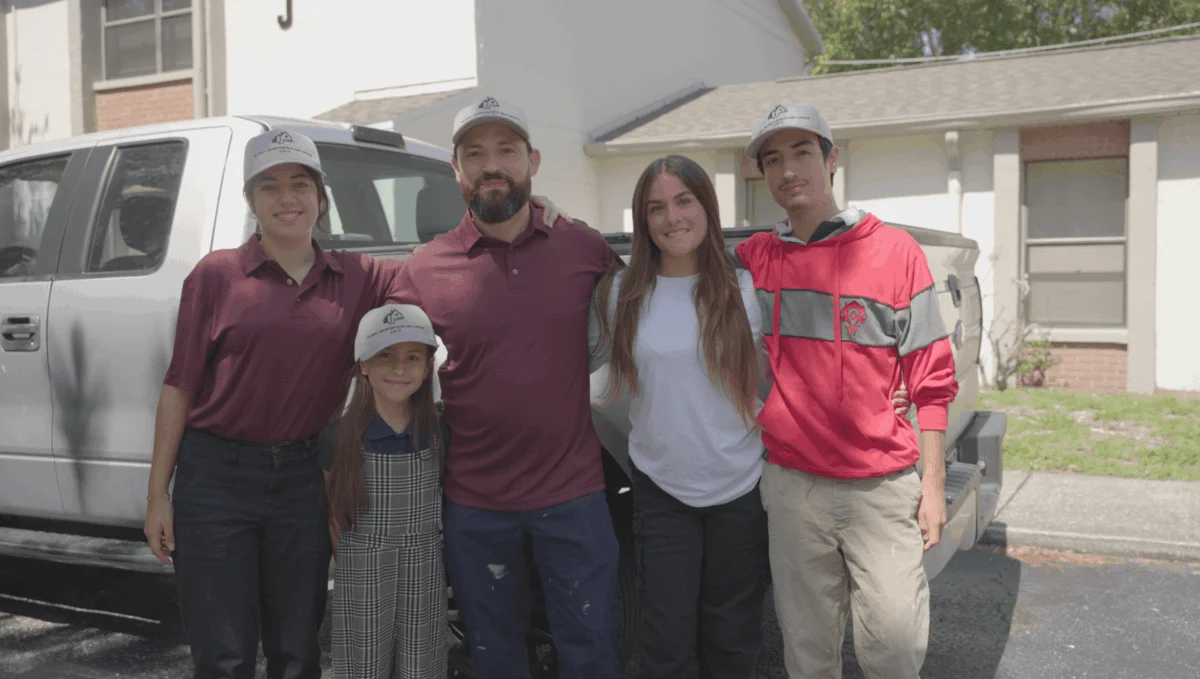
The model of community sponsorship represents a fundamental shift in how the United States approaches the integration of refugees, moving away from purely institutional support toward a grassroots, neighbor-to-neighbor framework. Rooted in a tradition of humanitarian aid that dates back to the late 19th century, this approach has gained significant momentum in the 2020s as a vital mechanism for addressing the social and economic isolation often experienced by those fleeing persecution. By pairing local volunteers with newly arrived families, organizations like HIAS are successfully humanizing the complex and often daunting process of American resettlement.
A Historical Mandate for Welcome
The concept of community sponsorship is not a modern invention but a revival of an ancient mandate. When HIAS was established over 140 years ago, it was designed to serve as a lifeline for Jewish immigrants fleeing violence in Eastern Europe. Today, that legacy is being reimagined for a global era of displacement. The resurgence of this model in the 2020s was catalyzed by two major global crises: the 2021 U.S. withdrawal from Afghanistan and the subsequent humanitarian fallout from the 2022 Russian invasion of Ukraine.
In 2021, the evacuation of nearly 80,000 Afghans created an "all-hands-on-deck" scenario that strained existing infrastructure. Government resources alone could not provide the granular, daily support required for thousands of families to integrate simultaneously. This gap allowed community sponsorship to evolve from a niche practice into a primary tool for resettlement agencies. By 2024, the collaborative efforts between professional resettlement agencies and private citizen groups had created a blueprint for sustainable integration that emphasizes emotional stability as much as financial security.
Navigating the "Start from Zero" Reality
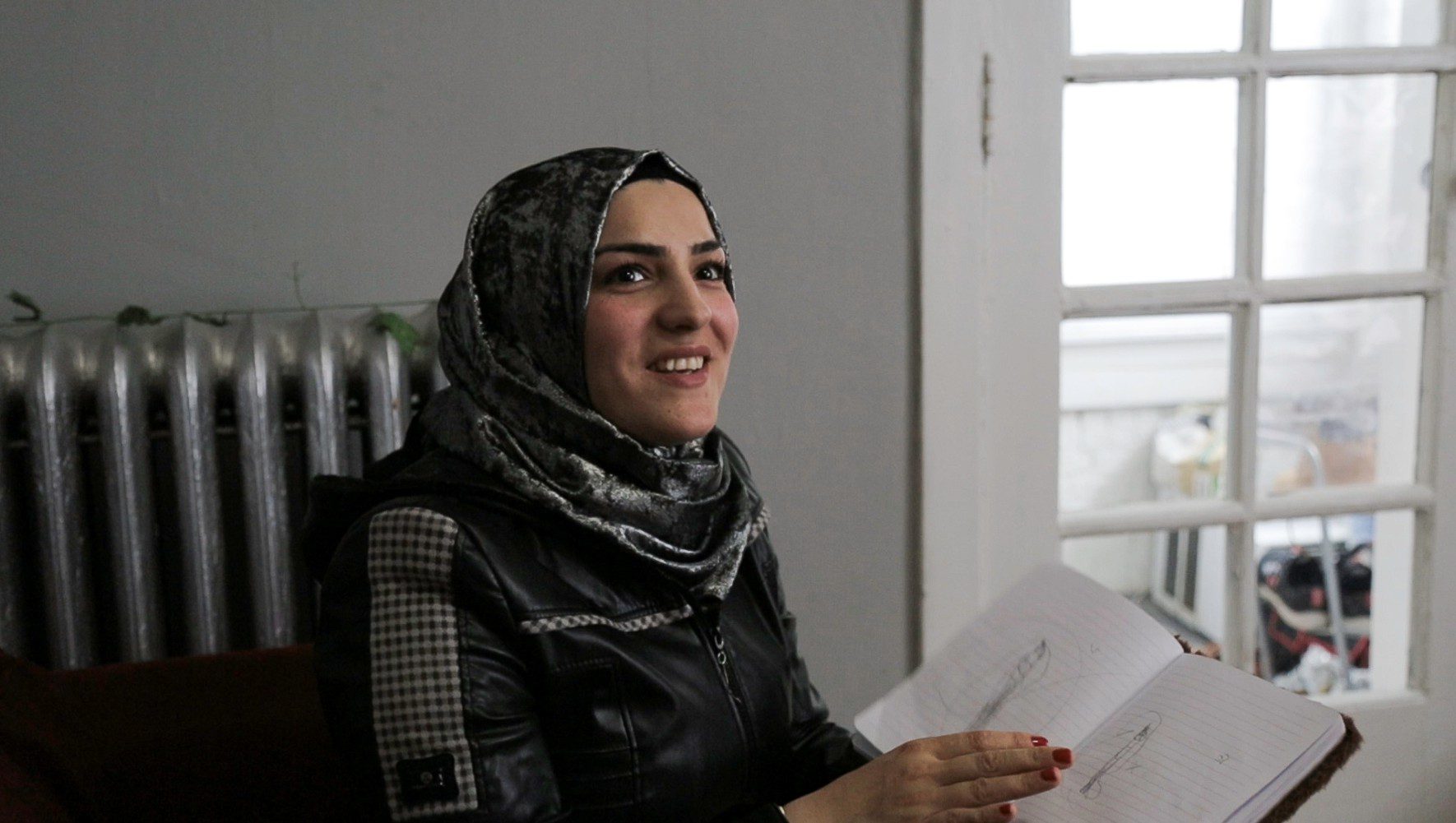
For refugees like Alaa and Hussam, a Syrian couple who spent over a decade in Turkey after being displaced by war, the transition to American life was not merely a logistical challenge; it was an existential one. After arriving in Chicago, the couple faced the reality of starting from scratch. Their journey illustrates the "psychological instability" that often haunts displaced persons—a state of being that persists even after physical safety is achieved.
Their integration was facilitated by a volunteer group organized through JCFS Chicago. Tom, a volunteer who drew inspiration from his family’s long history of involvement with HIAS, emphasized that the goal of sponsorship is to provide support based on the refugees’ needs, not the volunteers’ assumptions. By assisting with school enrollments, banking, and employment, these volunteers acted as cultural navigators. As Hussam noted, the presence of a consistent, supportive figure transformed his outlook on integration from one of fear to one of active participation.
Chronology of the Modern Sponsorship Era
The trajectory of community sponsorship between 2021 and 2025 highlights a period of intense civic engagement followed by significant political volatility:
- August 2021: The collapse of the Afghan government leads to a rapid evacuation, necessitating a massive mobilization of civilian support networks in the U.S.
- February 2022: The escalation of the conflict in Ukraine triggers a global refugee crisis, further galvanizing local sponsorship groups across the United States.
- 2023–2024: The peak of the community sponsorship revival, characterized by formalized training programs and increased collaboration between NGOs and the federal government.
- 2025: A change in federal administration leads to a significant reduction in the U.S. Refugee Admissions Program, creating a new, more restrictive environment for prospective refugees.
Data-Driven Outcomes of Community Integration
Research supported by the Walder Foundation and other advocacy groups indicates that families with dedicated community sponsors navigate bureaucratic processes—such as securing employment, obtaining identification, and accessing healthcare—significantly faster than those who rely solely on government-contracted case managers.
In a case study involving Omid, an Afghan refugee resettled in California, the role of volunteers proved critical during a medical crisis. When Omid’s mother was diagnosed with cancer and required surgery at a distant facility, the logistical burden was immense. The presence of a volunteer who drove long distances to accompany the family provided more than just transportation; it offered emotional continuity. Omid reported that the experience allowed him to feel he was "not in a foreign country," a testament to the power of social capital in mitigating the trauma of displacement.
The Role of Faith and Civic Values
For many volunteers, the drive to participate in sponsorship is rooted in moral and religious traditions. The concept of the "mitzvah"—the Jewish commandment to care for the stranger—is frequently cited by volunteers as a primary motivation. This is not merely a charitable endeavor but a commitment to an active citizenship that transcends political lines.
Debbie, a volunteer with JFS Metrowest in Massachusetts, captures the sentiment shared by many in the network: "When my children and grandchildren ask, ‘what did you do when you saw people in pain and people escaping?’ I want to be able to say I took action." This perspective reflects a broader, long-term commitment to human rights that persists even when government policy becomes more exclusionary.
Implications of Policy Shifts
The 2025 administrative shift in Washington, which saw a drastic reduction in refugee admissions, has fundamentally altered the landscape of humanitarian work. While the "door to welcome" has been partially closed at the federal level, the infrastructure built over the previous four years remains active. Resettlement agencies are now focusing on two fronts: continuing to support the families who arrived before the policy shift and maintaining the volunteer networks that have proven so effective.
The challenge for the future is to ensure that the "muscle memory" of community sponsorship is not lost during periods of low admissions. Experts argue that these networks serve as a form of "social insurance." By maintaining relationships with community-based groups like Commonpoint, JCFS Chicago, and JFCS East Bay, the resettlement sector remains prepared to mobilize quickly should national policy shift back toward a more open stance on humanitarian migration.
Analysis: Beyond Financial Support
The success of the sponsorship model lies in its ability to bridge the gap between "service delivery" and "community building." Traditional government-funded resettlement is often time-bound and outcome-oriented, focusing on immediate metrics like employment placement. Community sponsorship, conversely, is relationship-oriented.
Professional case managers, such as Amal from JCFS Chicago, observe that the distinction is visible in the speed of assimilation. Families with sponsors are less prone to the "social isolation and loneliness" that often plague newcomers. The sponsor provides an informal, non-judgmental environment where refugees can practice language skills, ask questions about social norms, and build a sense of belonging. This qualitative improvement in the resettlement experience is arguably as important as the quantitative support provided by financial grants.
Looking Toward the Future
As Alaa and Hussam look to their future in Chicago—saving for a home, working as a translator, and raising their children—the impact of their sponsorship is clear. The relationship has transitioned from a service-recipient model to one of genuine friendship. Importantly, the couple now expresses a desire to "return the favor" by becoming sponsors themselves.
This cycle of support is the ultimate goal of the sponsorship model: to turn newcomers into contributors who are deeply woven into the fabric of their new communities. While the political environment may fluctuate, the grassroots network of volunteers across the U.S. demonstrates that the desire to welcome the stranger remains a powerful, durable force in American life. For the families involved, the support of a neighbor is not just a temporary aid package; it is a permanent anchor in a new land.
The ongoing partnership between HIAS and its network of local partners continues to provide a vital service, ensuring that even in a climate of restricted access, those who have found safety are given every opportunity to thrive. Through the dedication of thousands of volunteers, the legacy of welcome is being preserved, one family at a time.