As the Jewish community approaches the High Holiday season of 5787, the intersection of ancient theological tradition and contemporary geopolitical volatility has prompted a profound reassessment of the concept of tikkun olam, or the repair of the world. With the global landscape characterized by an erosion of international human rights norms and a resurgence of nativist rhetoric, HIAS and other advocacy groups are grappling with how to maintain a commitment to refugee protection when the political climate has shifted toward isolationism. This period of introspection, marked by the lead-up to Rosh Hashanah, serves as a focal point for organizations like HIAS to address the widening gap between the aspiration of universal inclusion and the current reality of restrictive border policies.
A Changing Global Landscape: The Erosion of the Post-War Consensus
The current humanitarian climate stands in stark contrast to the post-World War II order, which was fundamentally predicated on the universal protection of refugees and the sanctity of human rights. For decades, the international community operated under the assumption that the trajectory of modern society favored openness, integration, and the legal safeguarding of vulnerable populations. However, recent trends suggest a sharp departure from these principles.
Data from the United Nations High Commissioner for Refugees (UNHCR) indicates that global displacement figures have continued to climb, reaching historic highs. Simultaneously, numerous democratic nations have implemented policies that tighten asylum eligibility and increase reliance on detention. This trend toward xenophobic nativism—the privileging of native-born citizens over immigrants and the explicit rejection of international humanitarian obligations—has created a volatile environment for global migration policy. The mainstreaming of antisemitism and the rise of authoritarian impulses further complicate this environment, as marginalized groups often find their rights curtailed in tandem with the erosion of democratic institutions.
The Evolution of Tikkun Olam in a Modern Context
The theological concept of tikkun olam, once rooted in a belief that divine intervention would perfect a fractured world, has undergone a radical transformation in the modern era. Historically, the Aleinu prayer, a cornerstone of the Rosh Hashanah liturgy, placed the burden of world-repair squarely on the divine. Over centuries, particularly through the influence of 16th-century Lurianic Kabbalah, the concept shifted to include human participation in the process of fixing a broken world.
In contemporary Jewish social justice discourse, tikkun olam has evolved into a call for proactive civic engagement. Theologically, this shift is often grounded in the Talmudic principle of "lo bashamayim hee"—the law is not in heaven—which implies that the responsibility for justice resides with human beings on earth. Critics of this modern interpretation argue that it represents a departure from traditional liturgical intent. However, proponents contend that the flexibility of the concept is its greatest strength, allowing it to remain relevant in an era where progress is no longer viewed as an inevitable historical certainty. The current crisis facing refugees and asylum seekers serves as a contemporary test of this commitment, demanding a form of "spiritual chutzpah" that persists even when the path toward justice is obscured by political obstruction.
Chronology of U.S. Immigration and Refugee Policy (2020–2026)
The shift in the United States’ approach to immigration has been a gradual, yet consistent, departure from the post-war welcome.
- 2020–2021: The COVID-19 pandemic triggered the implementation of Title 42, an emergency health order used to expel asylum seekers at the U.S.-Mexico border without standard legal processing. While originally framed as a temporary public health measure, it set a precedent for rapid, summary removal.
- 2022–2024: Legislative efforts to reform the U.S. asylum system faced significant gridlock, leading to a reliance on executive actions. During this window, the administration saw an increase in the use of detention facilities and a reduction in the capacity for legal representation for those crossing the border.
- 2025: The introduction of more stringent vetting procedures and the widespread use of expedited removal protocols created a "legal chaos" that overwhelmed non-profit service providers. Organizations like HIAS reported that the uncertainty surrounding legal status left families in a state of perpetual limbo.
- 2026: As the nation enters the 5787 Jewish calendar year, the normalization of these restrictive policies has forced advocacy groups to pivot their strategies. The focus has moved from policy advocacy to direct crisis intervention, as the infrastructure for supporting refugees has been stretched to its limit.
Impact on Refugee Communities and Civil Society
The consequences of these systemic changes are not merely administrative; they are deeply human. Families who once followed established pathways to legal status now find themselves subject to sudden deportation orders. This volatility destroys the foundational trust necessary for integration, as refugees and asylum seekers remain in a state of perpetual fear regarding the durability of their safety.
Legal experts warn that the erosion of due process—specifically the removal of hearings and the restriction of legal counsel—undermines the fundamental integrity of the American immigration system. Rebuilding this faith will likely require a multi-generational effort. Beyond the legal technicalities, the trauma inflicted on displaced persons as a result of these shifts creates long-term challenges for social cohesion. When a government abruptly abandons the promise of welcome, it necessitates a massive mobilization of non-governmental organizations to fill the void, placing an immense strain on resources and volunteer capacity.
The Role of Advocacy and Institutional Responses
HIAS, as the world’s oldest refugee organization, has maintained a consistent stance throughout these legislative shifts. By providing legal aid, community support, and advocacy, the organization emphasizes that the obligation to protect the stranger is a core tenet of the Jewish tradition, independent of the political party in power.
In reaction to the closing of borders, various faith-based organizations have intensified their local efforts. Many synagogues and community centers have transformed into hubs for "welcome," providing shelter, food, and navigating the complex legal landscape for those caught in the current system. These grassroots initiatives serve as a critical buffer against the broader political trend of isolationism. The institutional response has shifted toward a model of "resilient advocacy," which acknowledges that the work of justice is not a sprint, but a sustained, long-term commitment that does not rely on the temporary success of political cycles.
Fact-Based Implications for the Future
The current political climate suggests that the challenges facing refugees in the United States will persist well into the next decade. Analysts point to several key implications:
- Legal Backlog: Even if current policies were reversed tomorrow, the backlog in immigration courts would take years to clear, leaving thousands of cases unresolved.
- Resource Allocation: Non-profit agencies are currently operating at a deficit due to the overwhelming number of people requiring assistance, leading to a need for increased private philanthropic support.
- Civic Engagement: The necessity for civic action has expanded. Participation in legislative advocacy, community sponsorship, and public awareness campaigns is now viewed by activists as essential for maintaining the infrastructure of human rights.
- Cultural Shift: There is a growing disconnect between public sentiment regarding immigration and the restrictive policies implemented by the government. The ability of advocacy groups to bridge this gap will determine the success of future policy reform.
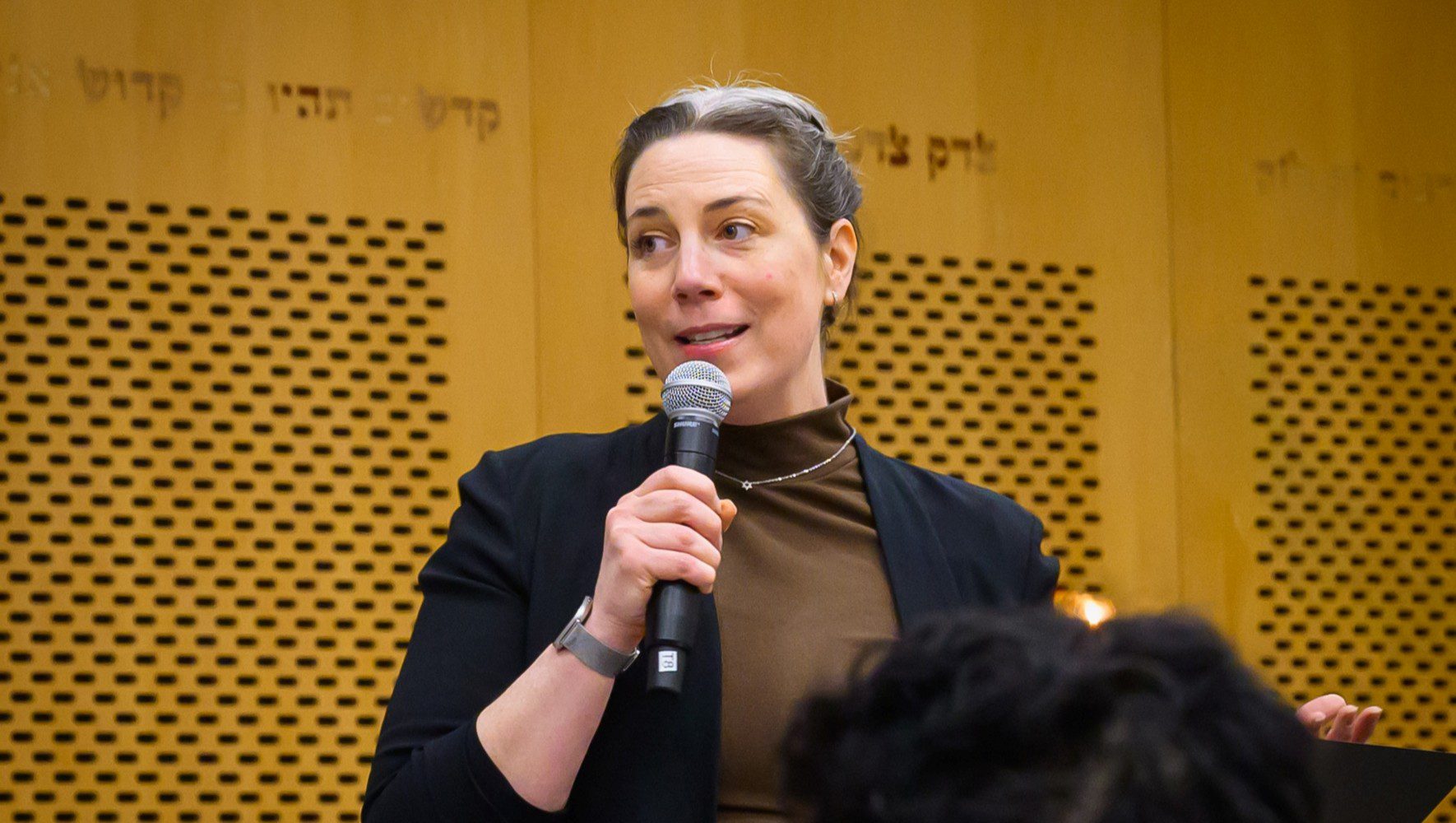
As the High Holidays approach, the message from advocates is one of endurance. The call to action is framed not as a pursuit of immediate victory, but as a commitment to the ongoing work of justice. For those engaged in the refugee movement, the "spiritual chutzpah" mentioned by leaders like Sarah Bassin represents a rejection of cynicism. It is a recognition that the moral obligation to welcome the stranger remains constant, even when the institutional mechanisms of society have failed to uphold that standard.
The transition into the new year of 5787 offers an opportunity for a collective recalibration. While the technical, legal, and systemic barriers to refugee protection are formidable, the historical perspective offered by religious traditions provides a framework for perseverance. By mining the depth of these traditions, organizations aim to build a vision of the future that is grounded in the reality of current suffering but driven by the unwavering pursuit of human dignity. For the immigrant and the refugee, this sustained effort remains the primary point of hope in a world that is increasingly turning away from those seeking safety.