The Equal Justice Initiative’s (EJI) Freedom Monument Sculpture Park in Montgomery, Alabama, has been distinguished by Travel + Leisure as an essential American experience, earning a coveted spot on its "America’s Best 50" list. This prestigious recognition positions the 17-acre park as one of 50 standout spaces across the nation recommended for exploration in celebration of America’s 250th birthday, a milestone set for 2026. The premier global travel magazine, known for its discerning curation of destinations and experiences, selected one pivotal site in each state to guide visitors through the rich and complex tapestry of the United States as it approaches its Semiquincentennial.
A National Beacon in Alabama
Travel + Leisure‘s endorsement highlights the Freedom Monument Sculpture Park as Alabama’s singular representative on this landmark list. Situated prominently on the banks of the Alabama River in downtown Montgomery, the park officially opened its doors to the public in 2024. However, its significance was foreshadowed by Travel + Leisure itself, which offered a preview of the ambitious project, characterizing it as "a tribute to America’s enslaved people." This early recognition underscored the park’s profound mission even before its full unveiling.
The magazine’s latest edition elaborates on the park’s immersive design, stating, "Throughout the park, powerful artworks, artifacts, and narratives confront the legacy of slavery while honoring those who endured it." This description underscores the multi-faceted approach EJI has taken to memorialization, blending artistic expression with historical documentation. Furthermore, the site’s commitment to a holistic understanding of history extends to acknowledging "deeper Indigenous history, including Muscogee connections to the land," recognizing the layered past of the region long before the advent of the transatlantic slave trade. This inclusion speaks to a broader movement within historical preservation to acknowledge all foundational narratives that have shaped the American landscape.
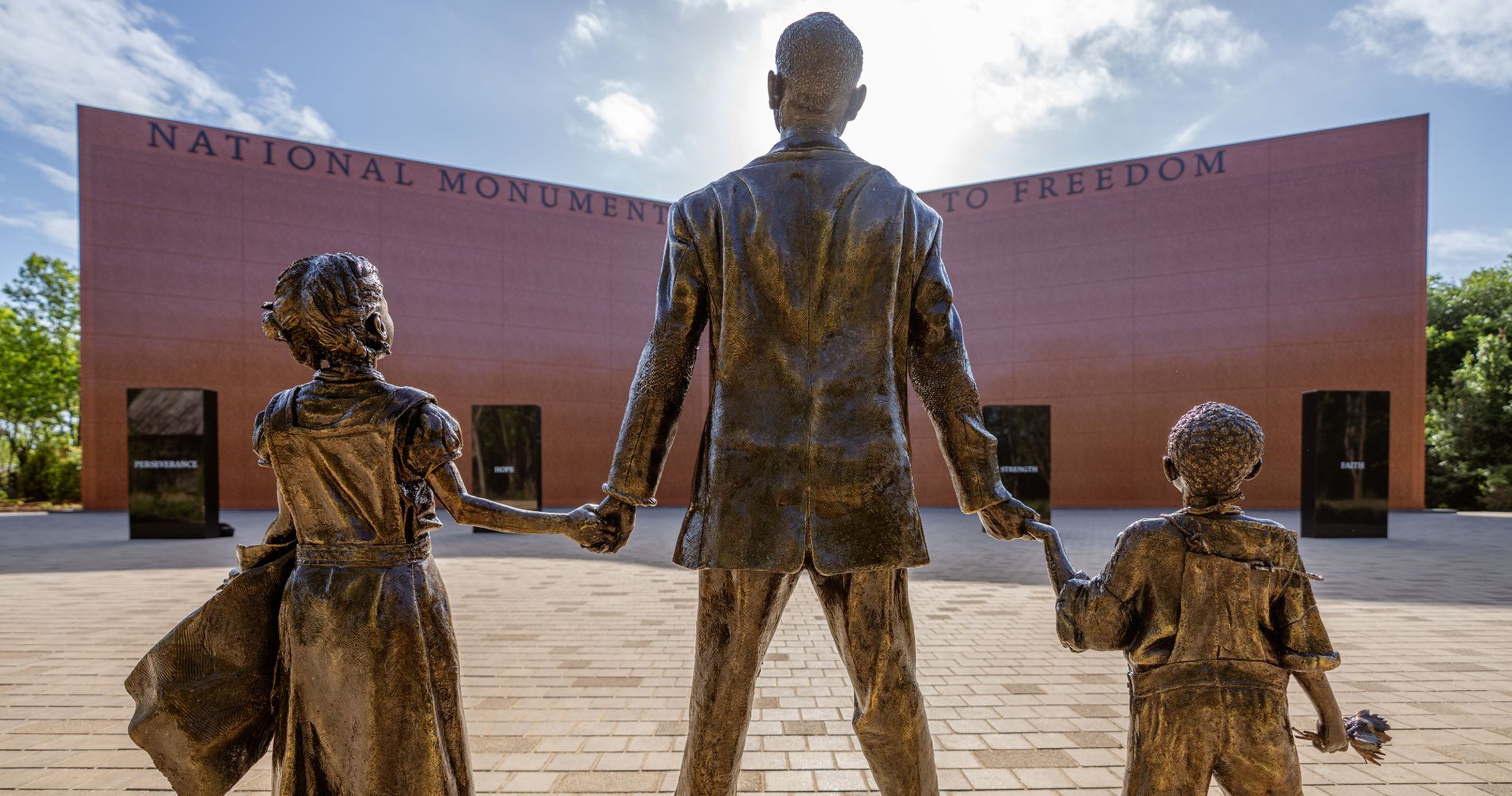
The National Monument to Freedom: A Core of Remembrance
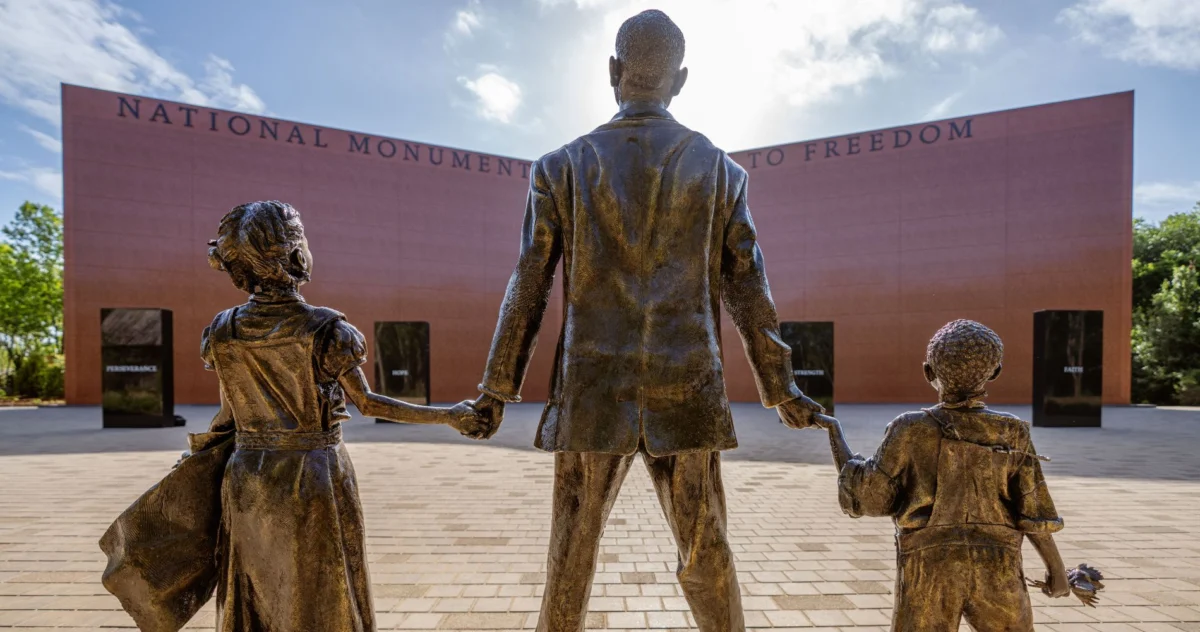
At the heart of the Freedom Monument Sculpture Park stands the National Monument to Freedom, a colossal and deeply resonant structure. As Travel + Leisure observes, this monument "honors four million formerly enslaved people, with nearly 120,000 surnames from the 1870 census engraved on its walls." The sheer scale of the names—a tangible representation of lives historically rendered invisible—serves as a powerful testament to the resilience and enduring spirit of those who survived the brutal institution of slavery.
The 1870 census holds particular historical significance. It marked the first federal census conducted after the Civil War and the official end of slavery with the ratification of the 13th Amendment in 1865. For formerly enslaved people, this census provided the inaugural opportunity to legally register their chosen family names, a fundamental act of self-determination and an assertion of newfound liberty. Prior to this, many had been identified only by first names, often dictated by enslavers, or by property designations. The act of choosing and registering a surname was a profound expression of hope, an embrace of identity, and a foundational step in establishing familial lineages that had been systematically disrupted for generations.
These engraved names on the National Monument to Freedom are not merely historical records; they represent millions of Black families today, connecting contemporary individuals directly to their ancestors. The park leverages innovative technology to enhance this personal connection. Visitors are provided with tablets or can use their own phones to search for family names directly on the monument, allowing for a deeply personal and interactive experience. The ability to physically reach out and touch these names transforms an abstract historical concept into a tangible, emotional encounter. Beyond the monument, the visitor center offers further opportunities for genealogical exploration, with kiosks providing access to EJI’s extensive census database, enabling guests to delve into their family histories in greater detail.
The Vision of the Equal Justice Initiative

The highly acclaimed Freedom Monument Sculpture Park is one of four "Legacy Sites" meticulously developed by the Equal Justice Initiative. Founded in 1989 by Bryan Stevenson, a renowned public interest lawyer and advocate for racial justice, EJI is dedicated to ending mass incarceration and excessive punishment in the United States, challenging racial and economic injustice, and protecting basic human rights for the most vulnerable people in American society. Recognizing that a comprehensive understanding of contemporary issues requires confronting historical injustices, EJI embarked on a profound mission to create spaces that illuminate the nation’s difficult past.
The Legacy Sites are designed to deepen visitors’ understanding of American history, particularly the legacy of slavery, racial terror lynching, and segregation. The other sites include:
- The National Memorial for Peace and Justice: Opened in 2018, this solemn memorial is dedicated to the victims of racial terror lynchings in the United States. Its monumental design features over 800 steel monuments, each representing a county where a racial terror lynching took place, engraved with the names of victims.
- The Legacy Museum: From Enslavement to Mass Incarceration: Also opened in 2018, this museum explores the journey of African Americans from slavery to the present day, drawing direct lines between the nation’s history of racial inequality and contemporary issues of mass incarceration and criminal justice reform.
- Reflections from the National Memorial for Peace and Justice: An interpretive space that complements the memorial and museum, providing further context and educational resources.
At these Legacy Sites, EJI employs first-person narratives, cutting-edge technology, and world-class art to craft powerfully immersive experiences. Crucially, these sites are often located in the very places where historical events transpired, grounding the narratives in authentic geographical and emotional contexts. This approach ensures that history is not merely recounted but felt and understood on a deeply personal level.
Historical Context and Educational Imperative
The establishment and recognition of the Freedom Monument Sculpture Park come at a critical juncture in American history. As the nation prepares for its 250th anniversary, there is a growing imperative to acknowledge and reckon with all facets of its past, including the enduring legacy of slavery and systemic racism. For too long, the narrative of American exceptionalism has often sidelined or sanitized the brutal realities of chattel slavery and its profound impact on generations of Black Americans. Sites like the Freedom Monument Sculpture Park offer a necessary counter-narrative, inviting visitors to engage with the truth of history in a way that fosters empathy, understanding, and a commitment to justice.
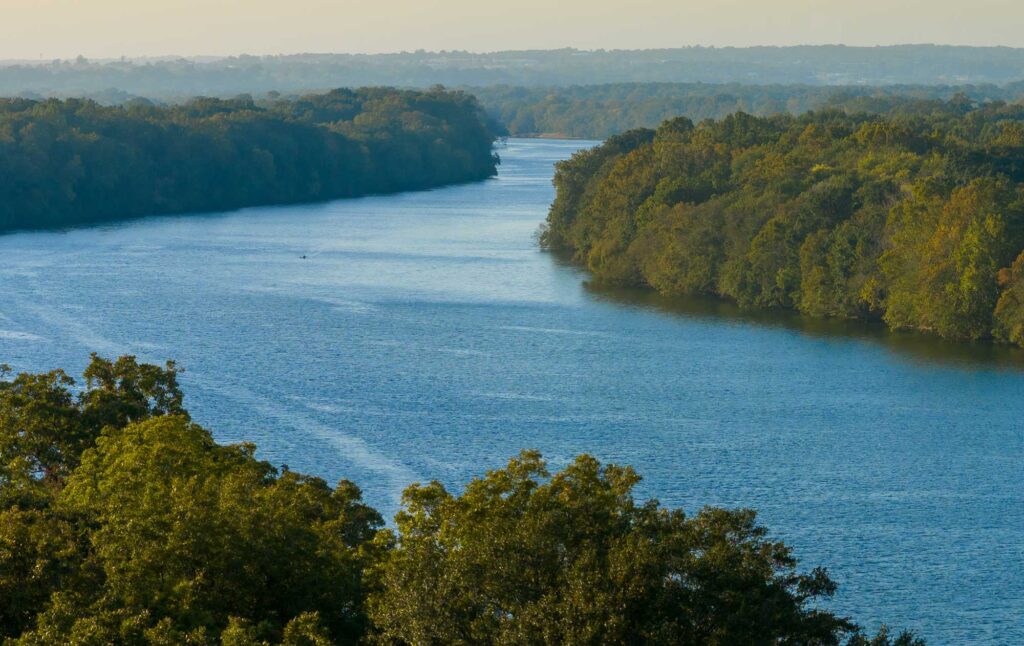
Montgomery, Alabama, itself holds immense historical weight, serving as both the first capital of the Confederacy and a pivotal battleground of the Civil Rights Movement. The city’s layered history makes it an ideal location for EJI’s Legacy Sites, providing a backdrop against which the complexities of American racial history can be explored. The park’s location on the Alabama River, a major waterway for the domestic slave trade, further emphasizes the historical context, connecting the physical space to the vast human suffering it memorializes.
The park’s inclusion of Indigenous history, particularly the Muscogee (Creek) Nation’s connection to the land, adds another vital layer of historical truth. Before European colonization and the forced removal of Indigenous peoples, the area now known as Montgomery was part of the traditional lands of the Muscogee people. Acknowledging this history broadens the scope of remembrance, recognizing that the land itself bears witness to multiple layers of displacement, injustice, and resilience.
Art as a Catalyst for Reflection
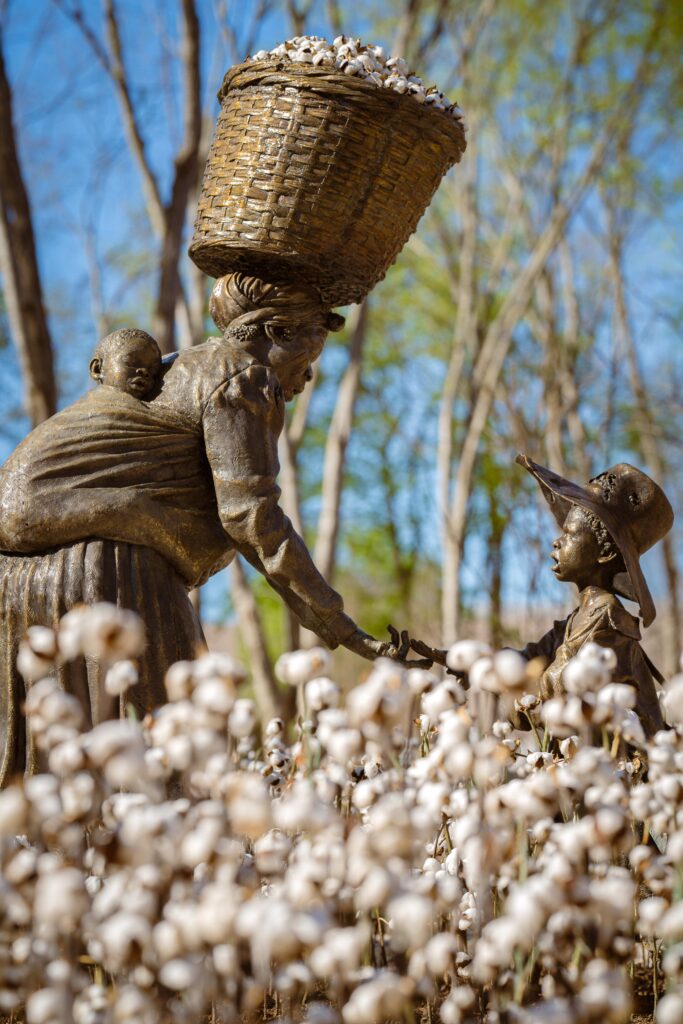
The artworks curated within the Freedom Monument Sculpture Park play a crucial role in animating this unforgettable journey through American history. Pieces like Kwame Akoto-Bamfo’s Mama, I Hurt My Hand and Vinnie Bagwell’s Waiting for Auction are not merely decorative but serve as poignant visual narratives that evoke the emotional and physical toll of slavery. These sculptures, alongside other installations, guide visitors through the experience of enslavement, resistance, and the eventual pursuit of freedom. By presenting world-class art in conversation with historical artifacts and narratives, the park creates an experience that is both intellectually stimulating and deeply emotionally resonant. The aesthetic power of the art complements the historical data, making the stories more accessible and impactful for a diverse audience.
Statements and Broader Implications
Bryan Stevenson, EJI director, articulated the profound purpose of the park: "Freedom Monument Sculpture Park is a special place for millions of people who want to reckon with the history of slavery and honor the lives of people who endured tremendous hardship but still found ways to love in the midst of sorrow." He emphasized the personal connection many visitors feel, stating, "Many of us are the heirs to that extraordinary perseverance and hope. There is a lot to learn at this site and we want everyone to experience it." Stevenson’s words highlight the park’s role not just as a memorial but as a source of inspiration and a call to action, fostering an understanding of intergenerational resilience.
The recognition by Travel + Leisure carries significant implications. For Montgomery and Alabama, it is expected to bolster cultural tourism, attracting a wider national and international audience to the state. This influx of visitors can stimulate local economies, creating jobs and supporting businesses in the hospitality sector. More importantly, it elevates the national discourse around racial justice and historical truth, positioning Alabama as a crucial destination for understanding the American story. Industry experts note that inclusion on such a prestigious list often leads to a substantial increase in visitor numbers, driving economic impact and raising the profile of the destination. Local tourism officials and city leaders are likely to leverage this recognition to promote Montgomery as a premier heritage tourism destination, emphasizing its unique offerings in civil rights and African American history.
Beyond tourism, the designation reinforces the critical importance of memorializing difficult histories. It sends a message that confronting the past, however uncomfortable, is essential for national healing and progress. The park’s innovative use of technology and art in conjunction with historical data sets a new standard for how museums and memorials can engage with complex narratives, making history relevant and accessible to contemporary audiences.
A Legacy for the Next 250 Years
As the United States looks ahead to its 250th anniversary, the Freedom Monument Sculpture Park stands as a vital reminder that the pursuit of liberty and justice is an ongoing journey. Its presence on Travel + Leisure‘s "America’s Best 50" list is not merely an accolade but a testament to its profound significance in shaping a more complete and accurate understanding of American identity. By honoring the lives of the enslaved, acknowledging Indigenous history, and fostering a space for reflection and education, the park ensures that the lessons of the past are not forgotten but actively engaged with, guiding the nation toward a more just and equitable future. It is a place where history breathes, where names speak, and where the enduring human spirit of perseverance and hope continues to inspire.