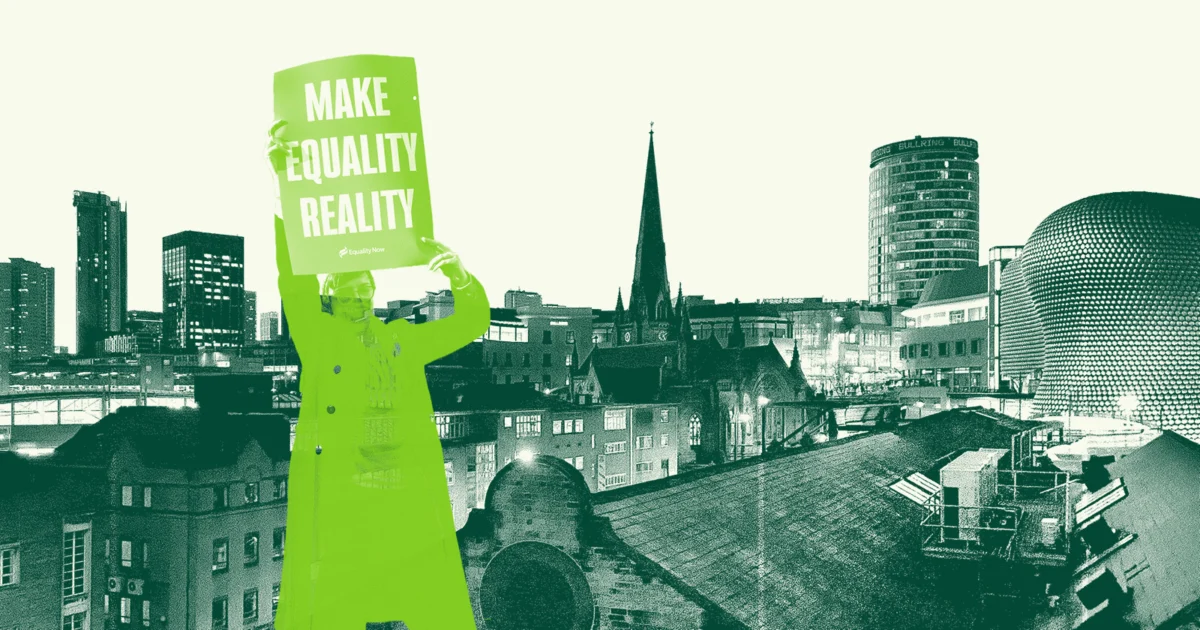
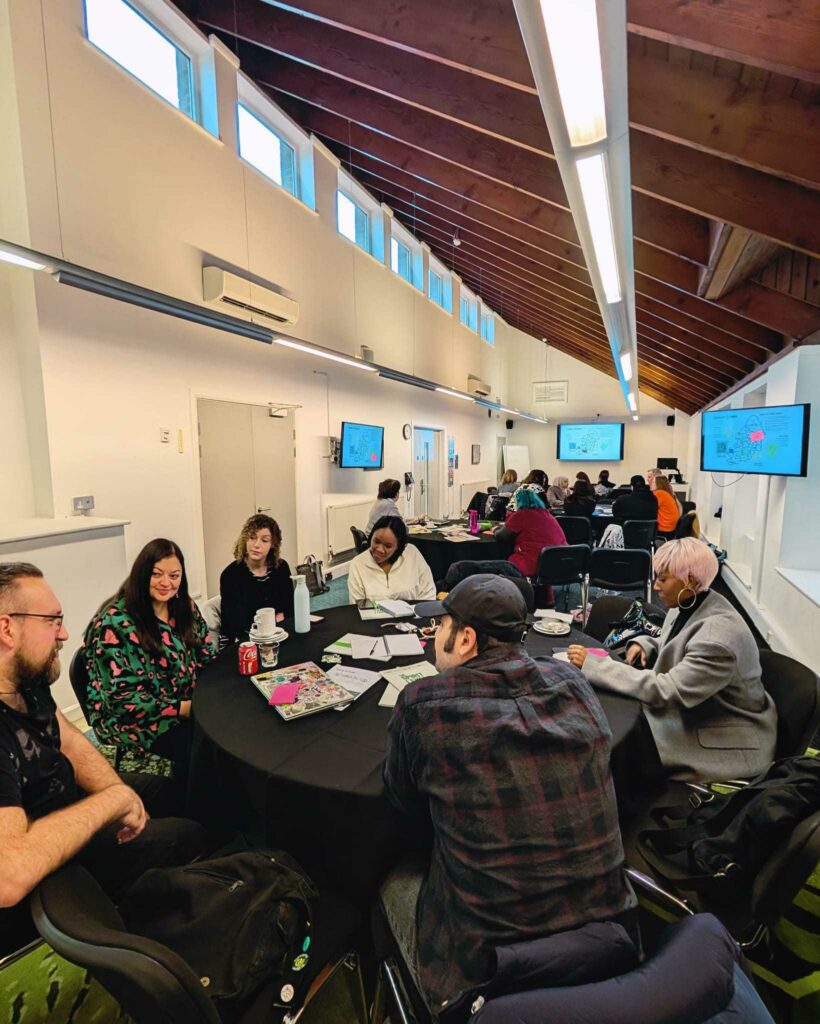
On January 29, 2026, the Midlands Arts Centre (MAC) in Birmingham served as the focal point for a significant civic engagement event aimed at addressing the widening gap in cultural and recreational accessibility within the city. Organized by The Equality Trust, the workshop and film screening, titled "Re-imagine a Better Brum," brought together a diverse assembly of activists, academics, community leaders, and residents. The primary objective was to confront the systemic barriers created by socio-economic inequality and to formulate a collective vision for a more inclusive urban environment. Led by Charlie McNeill, the Senior Project Officer for Socio-Economic Duty (SED) at The Equality Trust, the event utilized grassroots storytelling and expert testimony to highlight the precarious state of Birmingham’s cultural infrastructure.

The gathering occurred against a backdrop of unprecedented financial strain for the city. Over the past several years, Birmingham has faced a confluence of economic pressures, including significant local government funding reductions and the broader national cost-of-living crisis. These factors have disproportionately affected the city’s arts and leisure sectors, leading to the closure of community hubs and the curtailment of public programming. The workshop sought to move beyond a mere critique of these conditions, instead challenging attendees to conceptualize a Birmingham where access to the arts is treated as a fundamental right rather than a luxury reserved for the affluent.
The Socio-Economic Landscape of Birmingham
To understand the urgency of the "Re-imagine a Better Brum" initiative, one must examine the statistical reality of inequality in the West Midlands. According to recent data from the Office for National Statistics (ONS) and various local government reports, Birmingham remains one of the most socio-economically divided cities in the United Kingdom. As of 2025, nearly 40% of children in the city were living in relative poverty after housing costs, a figure significantly higher than the national average. This economic hardship translates directly into cultural exclusion.
The "participation gap" in the arts has widened as household budgets are squeezed by inflation and rising energy costs. Data suggests that individuals from lower socio-economic backgrounds are 50% less likely to attend ticketed cultural events than those in the highest income deciles. Furthermore, the local government’s financial instability—marked by the Section 114 notice issued by Birmingham City Council in late 2023—resulted in a series of "austerity-plus" measures. These included a proposed 100% cut to arts funding over a two-year period, threatening the survival of world-class institutions and grassroots organizations alike. The loss of these spaces does more than limit entertainment; it erodes the "social glue" that maintains community cohesion in a diverse metropolitan area.
Conversations of Change: A Film-Led Inquiry
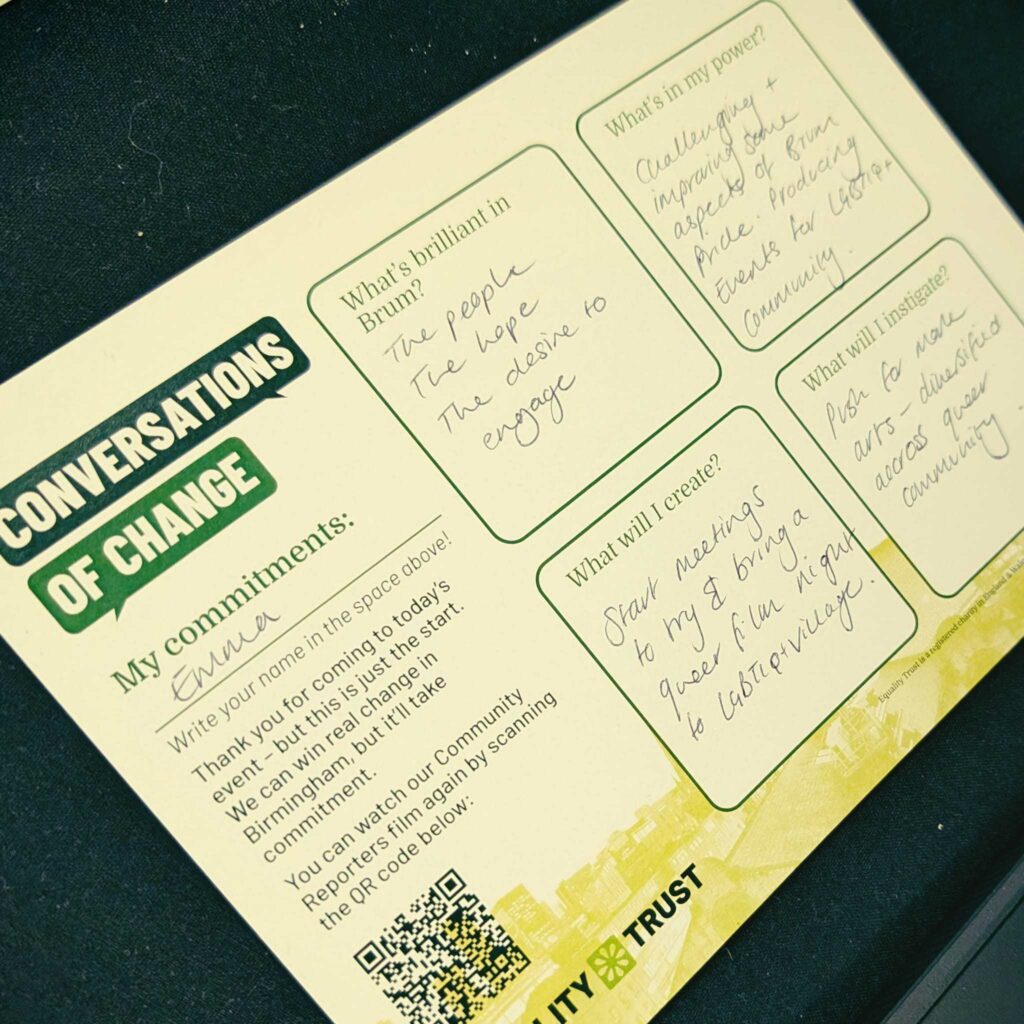
The centerpiece of the event was the screening of "Conversations of Change: Access to arts, culture, entertainment and recreation in Birmingham." The film was the culmination of months of investigative work by three Community Reporters: Alev, Arash, and Jennifer. Under the auspices of The Equality Trust, these reporters were tasked with documenting the lived experiences of Brummies navigating a "broken system."
The film features a series of poignant interviews with residents who described how the closure of local libraries, youth centers, and affordable music venues has impacted their quality of life. For many, these venues were the only accessible spaces for social interaction and creative expression. The narrative arc of the film emphasizes that when a city loses its cultural spaces, it loses its ability to foster empathy and understanding across different social strata. The stories collected by Alev, Arash, and Jennifer provided the empirical basis for the subsequent workshop discussions, grounding abstract economic theories in the harsh realities of daily life in the city.
Expert Perspectives on Urban Preservation and Cultural Rights
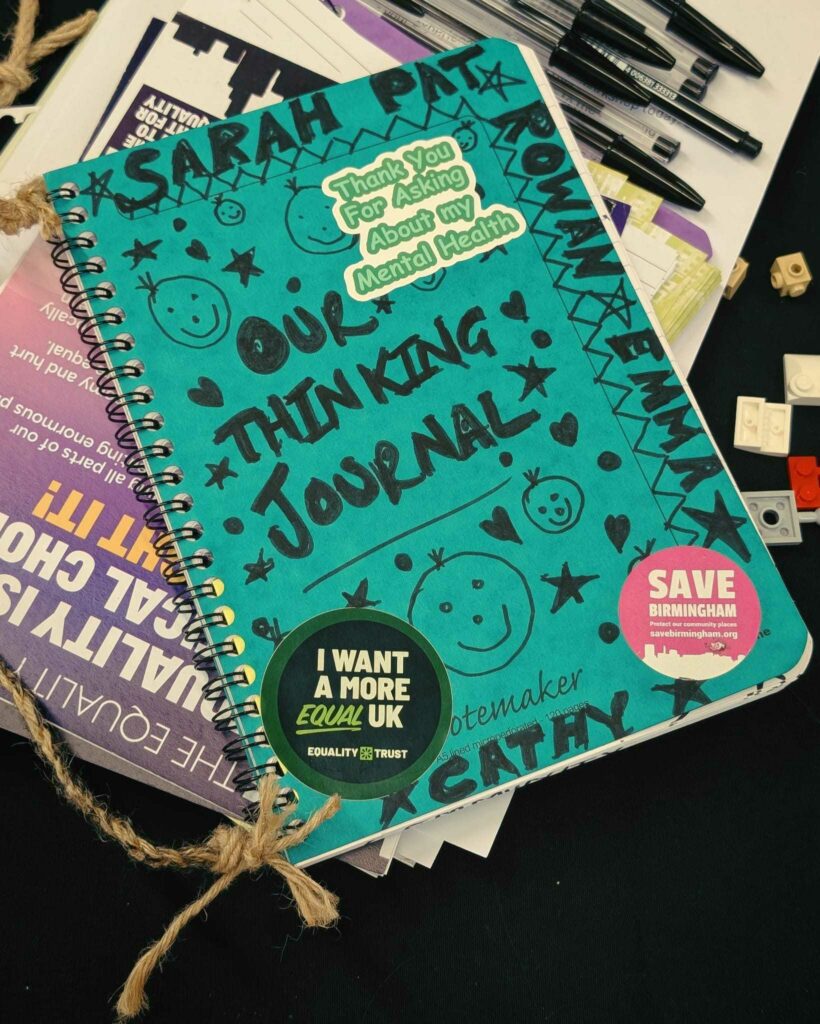
The event featured a panel of speakers who provided academic and practical context to the issues raised in the film. Kathy Hopkin, representing the "Save Birmingham" campaign, spoke extensively about the importance of protecting community assets. Save Birmingham has been at the forefront of the struggle to prevent the sell-off of public buildings and spaces, arguing that once these assets are privatized, they are effectively lost to the community forever. Hopkin emphasized that the preservation of physical spaces is a prerequisite for any meaningful cultural revival.
Dr. Pat Rozbicka from Aston University provided a scholarly perspective on the health of the city’s music ecosystem. As a lead researcher on the Birmingham Live Music Project, Dr. Rozbicka has tracked the decline of small-to-medium-sized venues. Her research highlights that these venues are not only economic drivers but also vital "incubators" for local talent. The loss of such spaces creates a "cultural desert" that discourages young people from pursuing creative careers and diminishes the city’s overall attractiveness.
Ian Francis, the director of the Flatpack Festival, discussed the challenges of maintaining a vibrant film and arts festival in a climate of dwindling subsidies. Flatpack has long been recognized for its innovative use of non-traditional spaces, bringing cinema to neighborhoods that lack formal theaters. Francis argued that while innovation is necessary, it cannot entirely compensate for the lack of stable, long-term public investment in the arts.
The Workshop: Identifying Barriers and Constructing Solutions
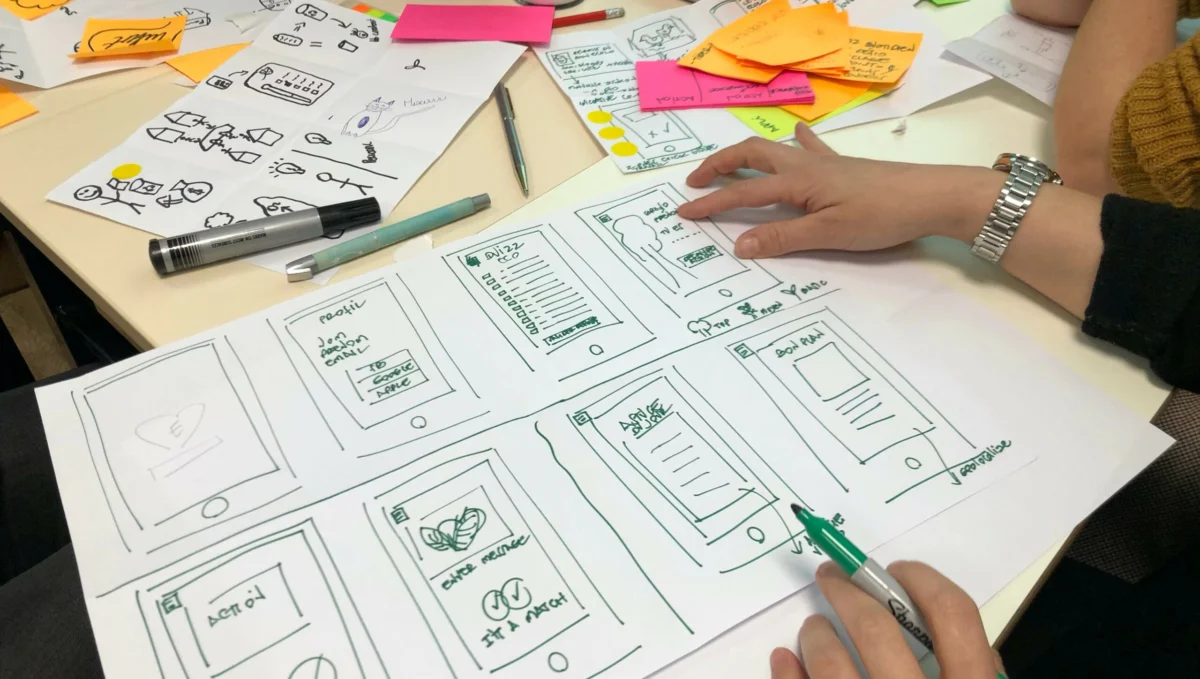
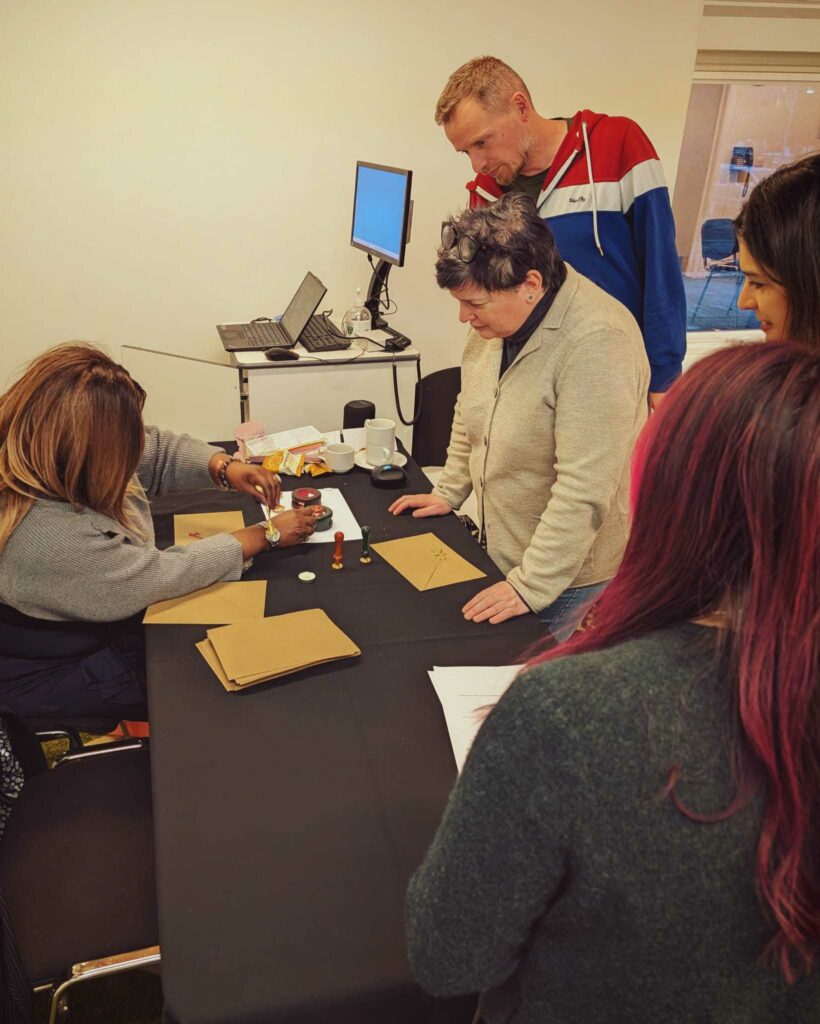
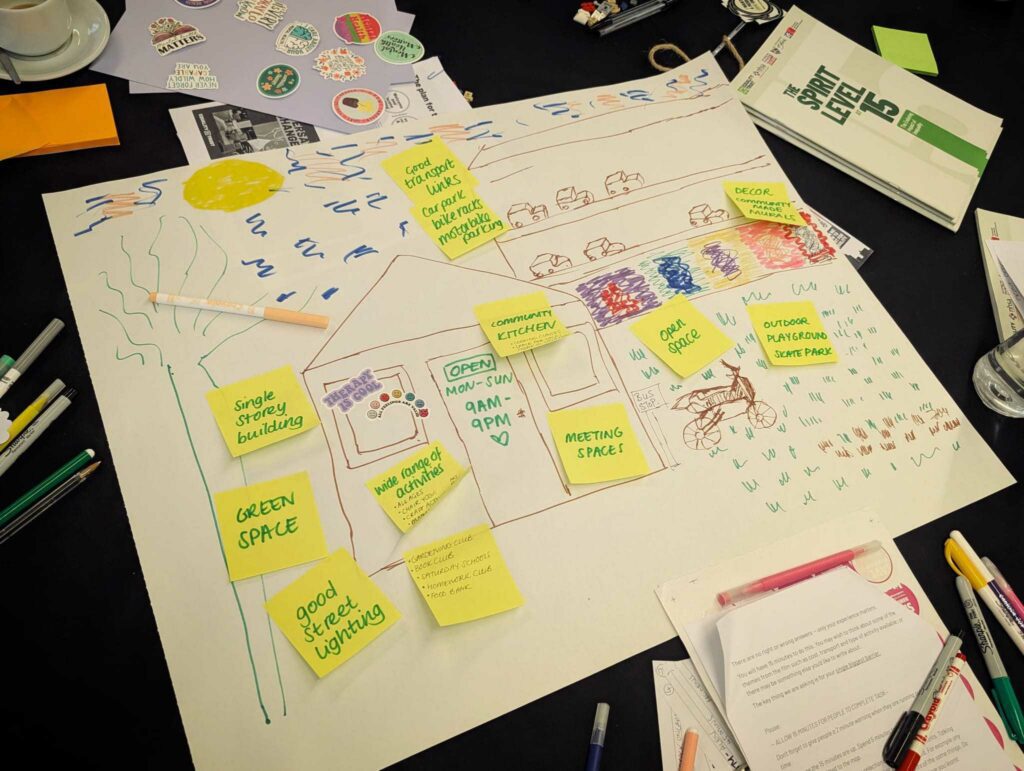
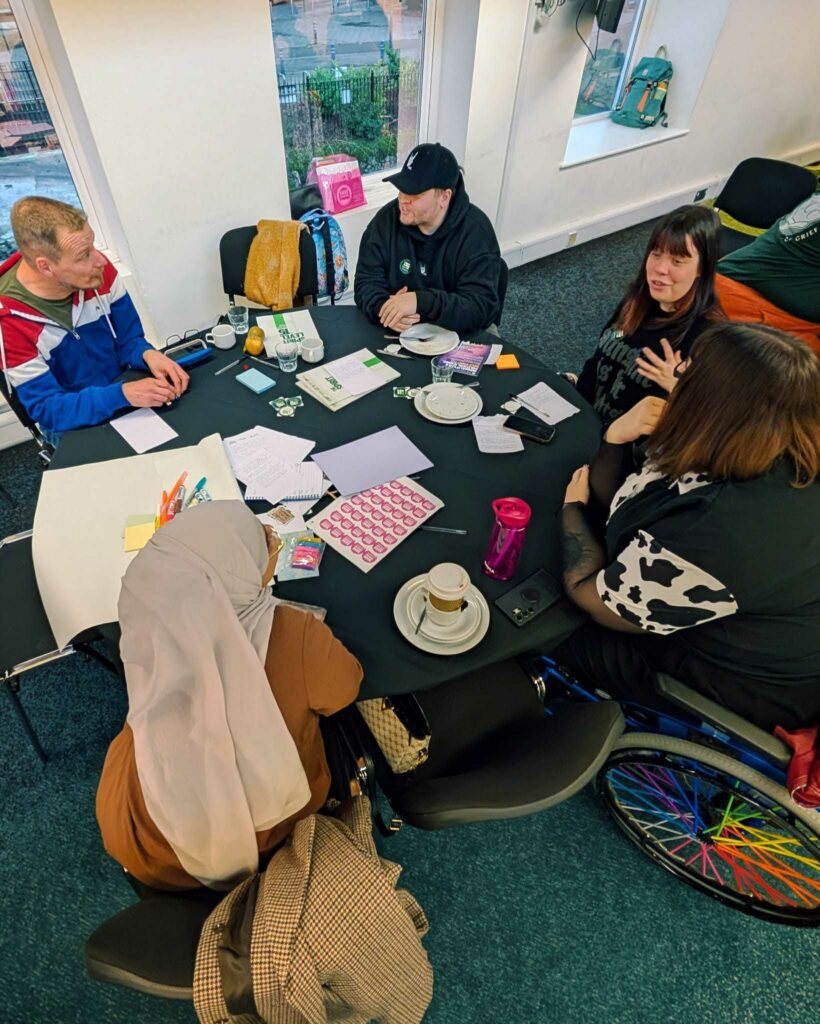
Following the film screening and panel presentations, attendees participated in a series of structured workshop exercises. These sessions were designed to elicit specific feedback on the barriers to cultural participation. Participants identified several recurring themes:
- Transportation Costs: Many residents noted that even "free" events are inaccessible due to the high cost and unreliability of public transport from the city’s outer wards to the city center.
- Digital Exclusion: As more arts programming moves online or requires digital ticketing, those without reliable internet access or high-level digital literacy find themselves further marginalized.
- The "Hidden" Costs of Culture: Beyond ticket prices, the cost of childcare, refreshments, and appropriate clothing can act as a psychological and financial barrier to entering formal arts spaces like theaters or galleries.
- Representation and Belonging: Several participants expressed a feeling that mainstream cultural institutions do not reflect their heritage or experiences, leading to a sense of alienation.
In the second half of the workshop, the focus shifted to "re-imagining" the city. Groups were tasked with proposing radical yet actionable changes. Ideas ranged from the implementation of a "Cultural Citizen’s Wage" to ensure artists can afford to live in the city, to the transformation of vacant high-street retail units into "Micro-Arts Hubs" managed by local residents. There was a strong consensus that the "Socio-Economic Duty" (Section 1 of the Equality Act 2010)—which requires public bodies to consider how their decisions can reduce the inequalities associated with socio-economic disadvantage—must be more rigorously enforced at the local level.
Institutional Support and Future Directions
The "Re-imagine a Better Brum" project is part of a broader "Economic Justice" place-based program funded by the Barrow Cadbury Trust. This initiative recognizes that economic inequality is not just about income, but about the unequal distribution of power, resources, and opportunities. By funding projects like the Community Reporters program, the Barrow Cadbury Trust aims to empower local voices to influence policy-making processes.
The Equality Trust has indicated that the findings from the Birmingham workshop and the "Conversations of Change" film will be compiled into a formal report. This document will be presented to local policymakers and stakeholders as part of an ongoing advocacy effort to ensure that the arts and culture are prioritized in future urban development plans. The organization argues that a "better Brum" is only possible if the city’s recovery strategy addresses the root causes of socio-economic disparity.
Implications for the Future of Birmingham
The January 29th event served as a reminder that Birmingham’s identity is inextricably linked to its cultural output. From its industrial heritage to its status as a pioneer of the British bhangra and heavy metal scenes, the city has historically been a place where diverse influences collide to create something new. However, the current economic trajectory threatens to stifle this creativity.
The success of the workshop lies in its ability to bridge the gap between different sectors of society. By bringing together university researchers, festival directors, and community activists, The Equality Trust has fostered a coalition that is better equipped to challenge the narrative of inevitable decline. The "re-imagined" Birmingham envisioned by the participants is a city that recognizes culture as a public good, essential for mental health, social integration, and civic pride.
As the city moves toward 2027 and beyond, the challenges remain formidable. The ongoing impact of the council’s financial crisis will likely necessitate difficult choices regarding public spending. However, the message from the Midlands Arts Centre was clear: any vision for Birmingham’s future that excludes the arts or ignores the realities of socio-economic inequality is a vision that fails the majority of its citizens. The work of the Community Reporters and the insights gained from the "Conversations of Change" project provide a roadmap for a more equitable city, one where every Brummie, regardless of their postcode or bank balance, has the opportunity to participate in the rich cultural life of their community.