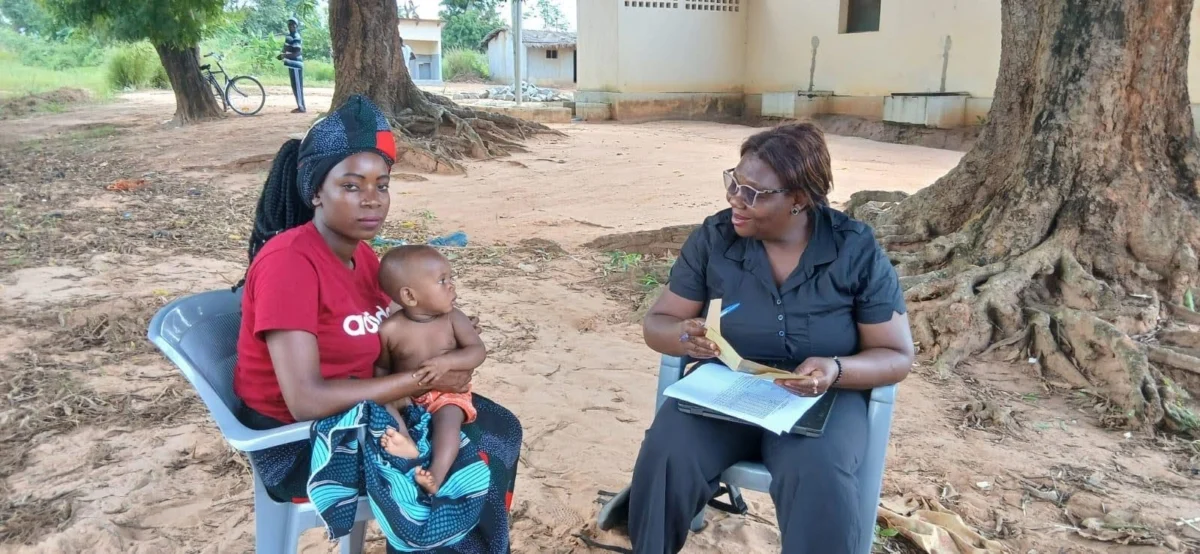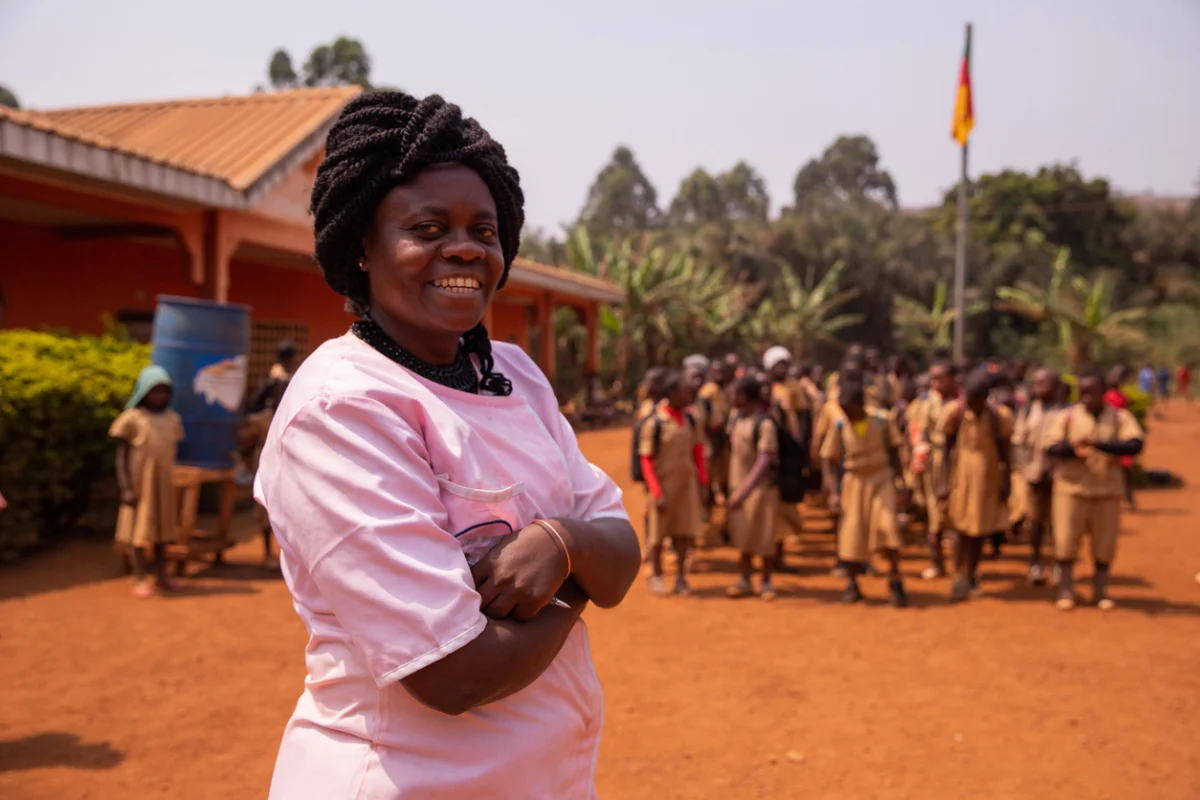
In the Devbhumi Dwarka District of Gujarat, India, a transformative shift in public health communication is unfolding as frontline health workers leverage generative artificial intelligence (GenAI) to bridge the gap between complex medical guidance and community understanding. World Education, an initiative of JSI, in collaboration with John Snow India Private Limited (JSIPL) and supported by Adobe, has launched a pilot program demonstrating how GenAI tools can empower local educators to create culturally resonant, high-impact health materials in real-time. By utilizing the AI-supported features within Adobe Express, these workers are transitioning from passive consumers of generic health posters to active creators of bespoke digital content tailored for families with varying literacy levels.
The Frontline Context: Challenges of the Anganwadi System
To understand the impact of this technological intervention, one must consider the vital role of the Anganwadi Worker (AWW) within the Indian healthcare ecosystem. Established in 1975 as part of the Integrated Child Development Services (ICDS) program, Anganwadi centers serve as the primary link between the government’s healthcare system and rural communities. There are approximately 1.4 million such workers across India, tasked with managing maternal and child health, nutrition education, and early childhood schooling.
In remote districts like Devbhumi Dwarka, these workers face significant logistical hurdles. Traditional health communication has long relied on centralized production cycles, where materials were designed by external agencies in distant urban centers. This process was often characterized by high costs and long lead times, resulting in materials that were frequently outdated or culturally disconnected from the local Gujarati context. Furthermore, the reliance on text-heavy brochures presented a barrier in regions where literacy rates vary significantly, and where visual storytelling is the most effective medium for behavioral change.
The digital landscape of rural India has also shifted. While high-speed internet remains inconsistent in remote pockets, the "WhatsApp economy" has flourished. Most rural families now possess smartphones and use messaging apps as their primary source of information. The challenge for health workers was not a lack of a delivery platform, but a lack of engaging, localized content to share on those platforms.
A New Paradigm: From Centralized Design to Local Creation
The partnership between World Education and JSIPL sought to address these systemic inefficiencies by introducing GenAI as a tool for "augmentation" rather than "automation." The project focused on training district-level staff and frontline teams to use Adobe Express, a platform integrated with Firefly, Adobe’s generative AI model. This allowed users to generate high-quality images and layouts based on simple text prompts, effectively removing the technical barriers of graphic design.
The implementation followed a "gradual release" instructional model. Initially, World Education specialists modeled the creation of health content. This transitioned into a co-design phase, where local staff and specialists worked together to refine messages. Finally, the program moved into an independent production phase, where local teams took full ownership of the creative process.
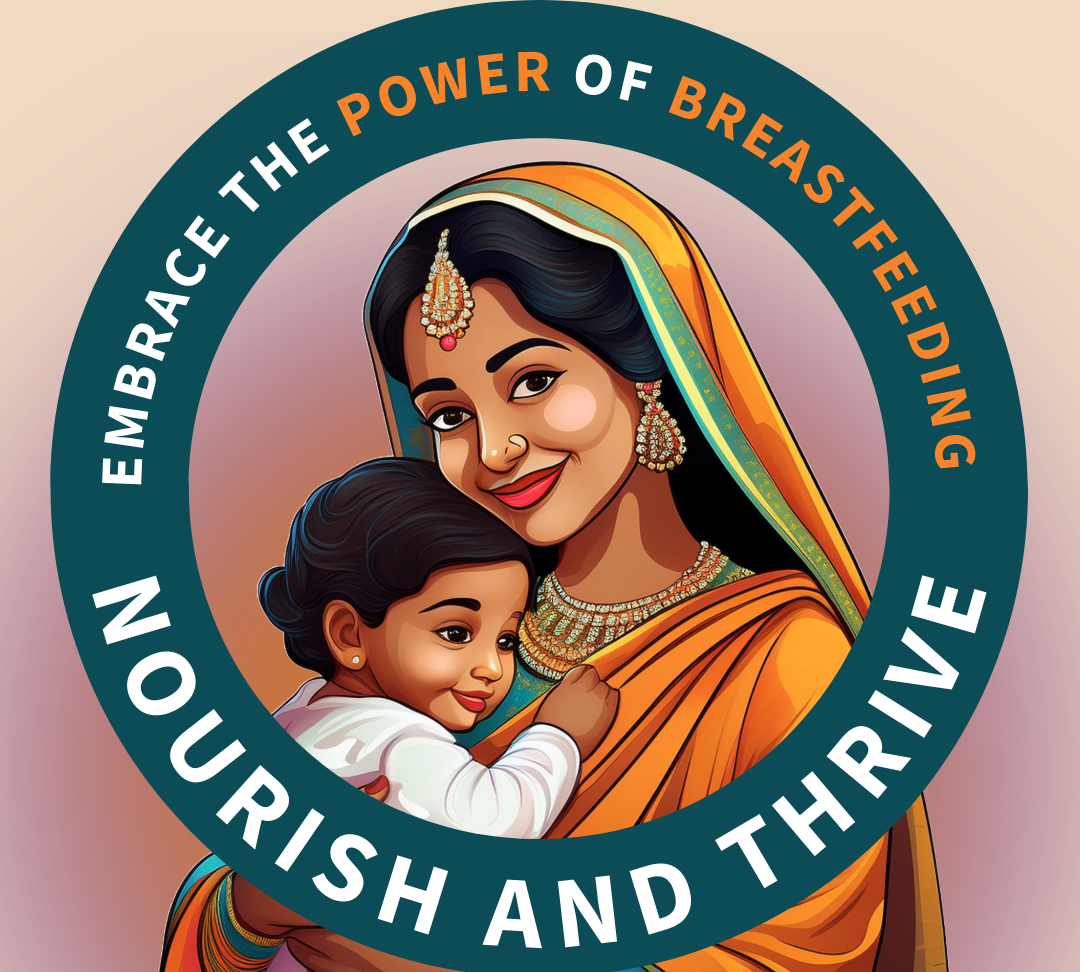
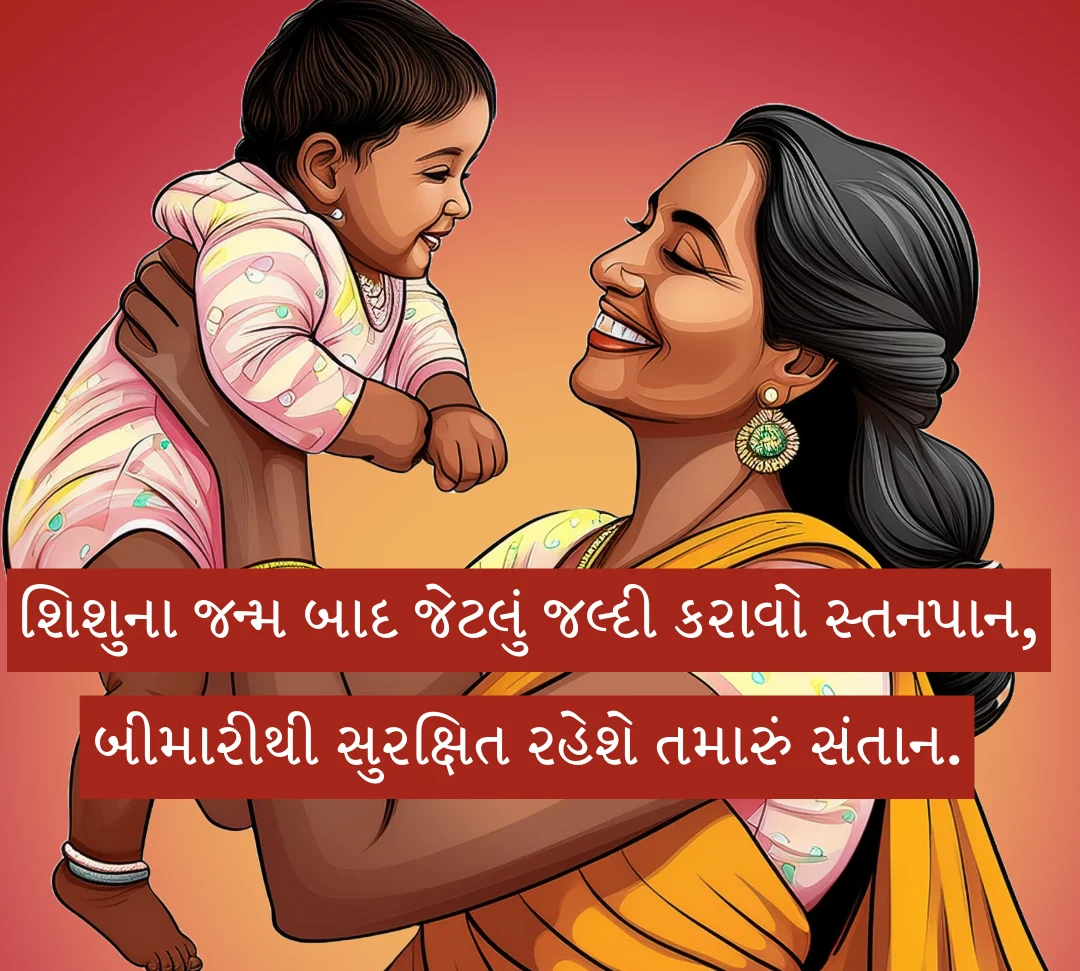
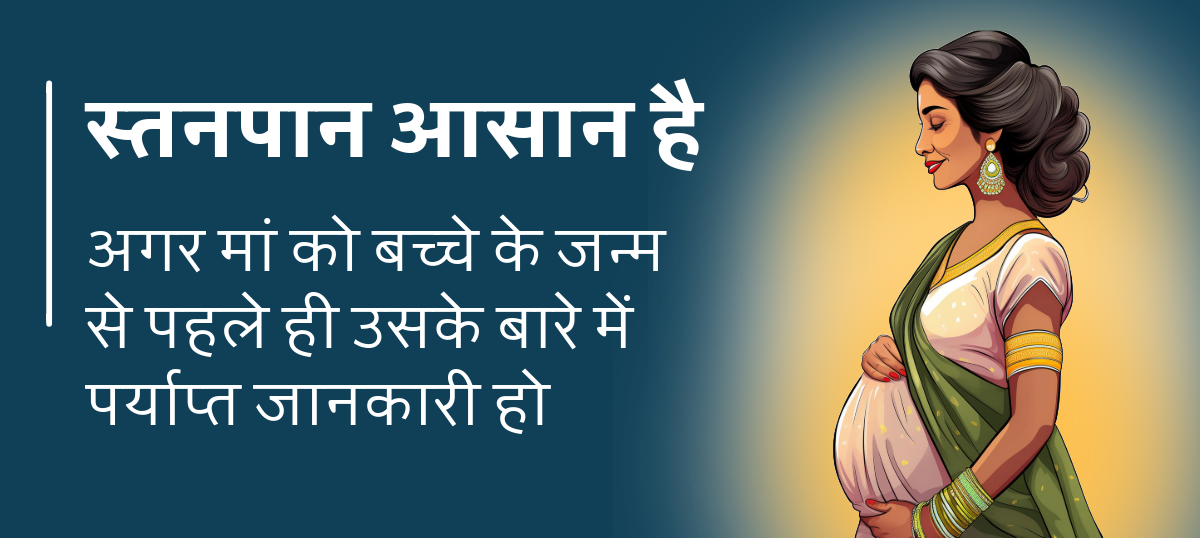
The introduction of GenAI proved particularly effective in solving the "blank page" problem. Instead of requiring formal design training, staff could use AI to generate templates and imagery that reflected the specific demographics of their district. For example, when initial drafts of health posters featured generic or Westernized imagery, staff used GenAI to generate visuals of women in local attire, such as saris and traditional Gujarati jewelry, set against familiar rural backdrops. This immediate adaptability ensured that the community saw themselves reflected in the health advice they received.
Technical Implementation and the Role of GenAI
The technical core of the project involved using GenAI to accelerate the iteration of visual job aids. In the context of public health, accuracy is paramount. The GenAI features were used to create posters, short-form videos, and GIFs focusing on critical topics such as newborn care, breastfeeding practices, and nutritional requirements for pregnant women.
One of the most significant advantages noted during the pilot was the speed of translation and localization. Content that previously required weeks of coordination with designers could now be updated in minutes. If a specific health message needed to be translated into the local Gujarati dialect or adjusted for a specific village’s cultural nuances, the local staff could perform these edits themselves.
Furthermore, the AI tools helped bridge the literacy gap. By generating vivid, step-by-step visual demonstrations—such as the correct way to hold a newborn or the diversity of foods required for a balanced diet—the workers could communicate life-saving information to mothers who might struggle with dense written instructions. During field testing, families reported a much higher engagement with these visual assets, which were easily shared and archived within family WhatsApp groups.
Supporting Data and Socio-Economic Implications
The necessity for such localized interventions is supported by national health data. According to the National Family Health Survey (NFHS-5), while India has made strides in maternal and child health, regional disparities remain. In Gujarat, the prevalence of anemia among women and the rates of childhood stunting continue to be areas of concern for public health officials. Effective communication is a recognized pillar in addressing these issues; however, the "one-size-fits-all" approach to health education has historically limited the efficacy of outreach programs.
The efficiency gains observed in the Devbhumi Dwarka pilot are notable. The traditional workflow for creating a district-wide health campaign typically involves:
- Content drafting by health experts.
- Procurement of design services.
- Multiple rounds of revisions and approvals.
- Printing and physical distribution.
This cycle can take three to six months. In contrast, the GenAI-supported model allows for a "real-time" response. When a specific health concern arises—such as a seasonal outbreak or a localized nutritional deficiency—AWWs can deploy visual content within days. Dr. Sanjay Kapur, Managing Director of JSIPL, emphasized the scalability of this approach, noting that the innovation could potentially be expanded to reach millions of Anganwadi Workers across the country, thereby impacting the lives of millions of mothers and children in a significantly shorter timeframe.
Stakeholder Reactions and Community Impact
The response from the field has been overwhelmingly positive, characterized by a sense of professional empowerment among the health workers. One district staff member, after gaining proficiency in the tool, took the initiative to train her colleagues, creating a ripple effect of digital literacy. This shift from being a recipient of information to being a content creator has fostered a greater sense of agency and pride in the frontline workforce.
Families in the district have also responded to the new format of communication. The use of GIFs and short videos has proven more "sticky" than traditional pamphlets. In a environment where digital "noise" is high, culturally relevant and visually appealing content stands out. Families noted that the visual nature of the AI-generated graphics made the information easier to discuss with family members, including those who may not have attended the health sessions in person.
Broader Implications for Global Development
The success of the Gujarat pilot offers a broader lesson for the global development community. For years, digital transformation in the Global South has often been framed as a top-down delivery of technology. This project suggests an alternative path: digital transformation built with and by the community.
The use of GenAI in this context challenges the narrative that AI is primarily a tool for high-resource environments or automation-led job displacement. Instead, it serves as a powerful equalizer, giving those with deep community knowledge but limited technical design skills the ability to produce professional-grade resources.
By keeping human expertise and community context at the center of the AI application, World Education and JSIPL have created a model for "responsible AI" in public health. The AI does not decide the health message; it merely provides the visual language to express it more effectively.
Conclusion and Future Outlook
As generative AI continues to evolve, its integration into frontline health services represents a significant frontier in public health. The work in Gujarat demonstrates that when technology is localized and placed in the hands of those who understand the community best, it can break down long-standing barriers to education and health equity.
The partnership between World Education, JSIPL, and Adobe highlights a scalable pathway for improving health outcomes through digital empowerment. As this model moves toward broader implementation, the focus will remain on sustaining the skills of local workers and ensuring that the content produced remains grounded in medical accuracy and cultural sensitivity. In the pursuit of the Sustainable Development Goals (SDGs), particularly those related to health and well-being (SDG 3) and quality education (SDG 4), the marriage of local expertise and advanced technology may prove to be one of the most effective tools for reaching the last mile.