The virtual corridors of digital activism and academic discourse converged on February 4, 2026, as Professor Kate Pickett officially launched her highly anticipated new book, The Good Society. Hosted in collaboration with the progressive advocacy group Compass, the online event served as a focal point for contemporary discussions regarding economic disparity, social cohesion, and the structural reforms necessary to foster a more equitable global environment. The launch attracted an audience of over 500 participants, including policy analysts, activists, and members of the public, signaling a sustained interest in the themes of social justice that have defined Pickett’s career for nearly two decades.
The event featured a panel of prominent figures in British public life, including Baroness Ruth Lister, a renowned academic and member of the House of Lords; George Monbiot, the environmental activist and columnist; and Caroline Lucas, the former leader of the Green Party. This "all-star" guest list reflected the interdisciplinary nature of Pickett’s work, which bridges the gaps between epidemiology, economics, and political science. The discussion centered on the practical applications of the theories presented in The Good Society, moving beyond the diagnosis of societal ills toward the implementation of scalable solutions.
Chronology of Academic and Advocacy Milestones
To understand the significance of the 2026 launch of The Good Society, it is essential to trace the chronological development of Professor Pickett’s influence on the global stage. Her work has long been synonymous with the study of the social determinants of health and the corrosive effects of income inequality.
In 2009, Pickett, alongside Professor Richard Wilkinson, published The Spirit Level: Why More Equal Societies Almost Always Do Better. This seminal work provided a data-driven foundation for the argument that high levels of inequality are linked to a wide array of social problems, from reduced life expectancy and higher infant mortality to increased rates of imprisonment and lower levels of social trust. The book became a global bestseller and fundamentally shifted the debate on wealth distribution from a purely moral concern to a public health imperative.
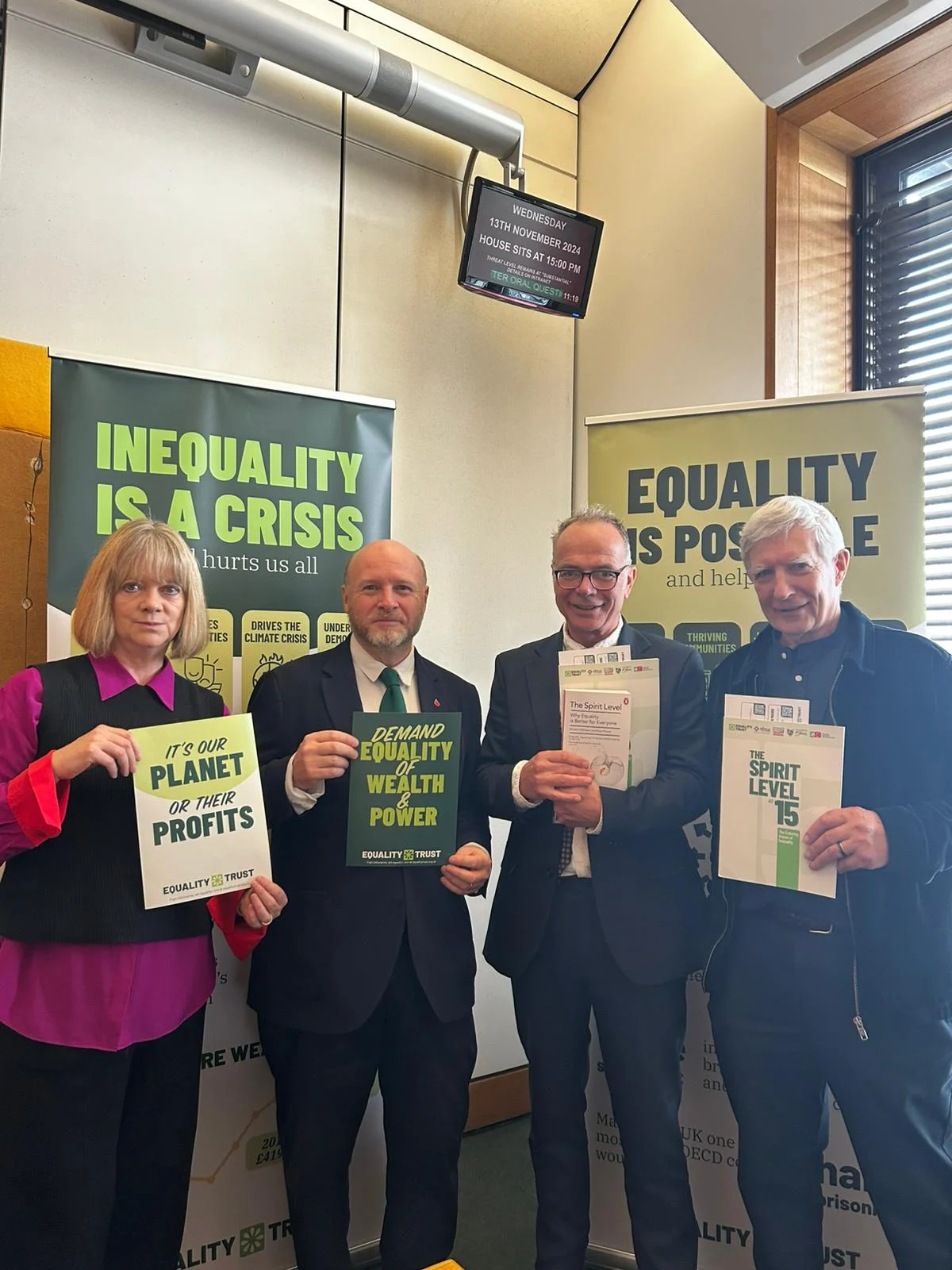
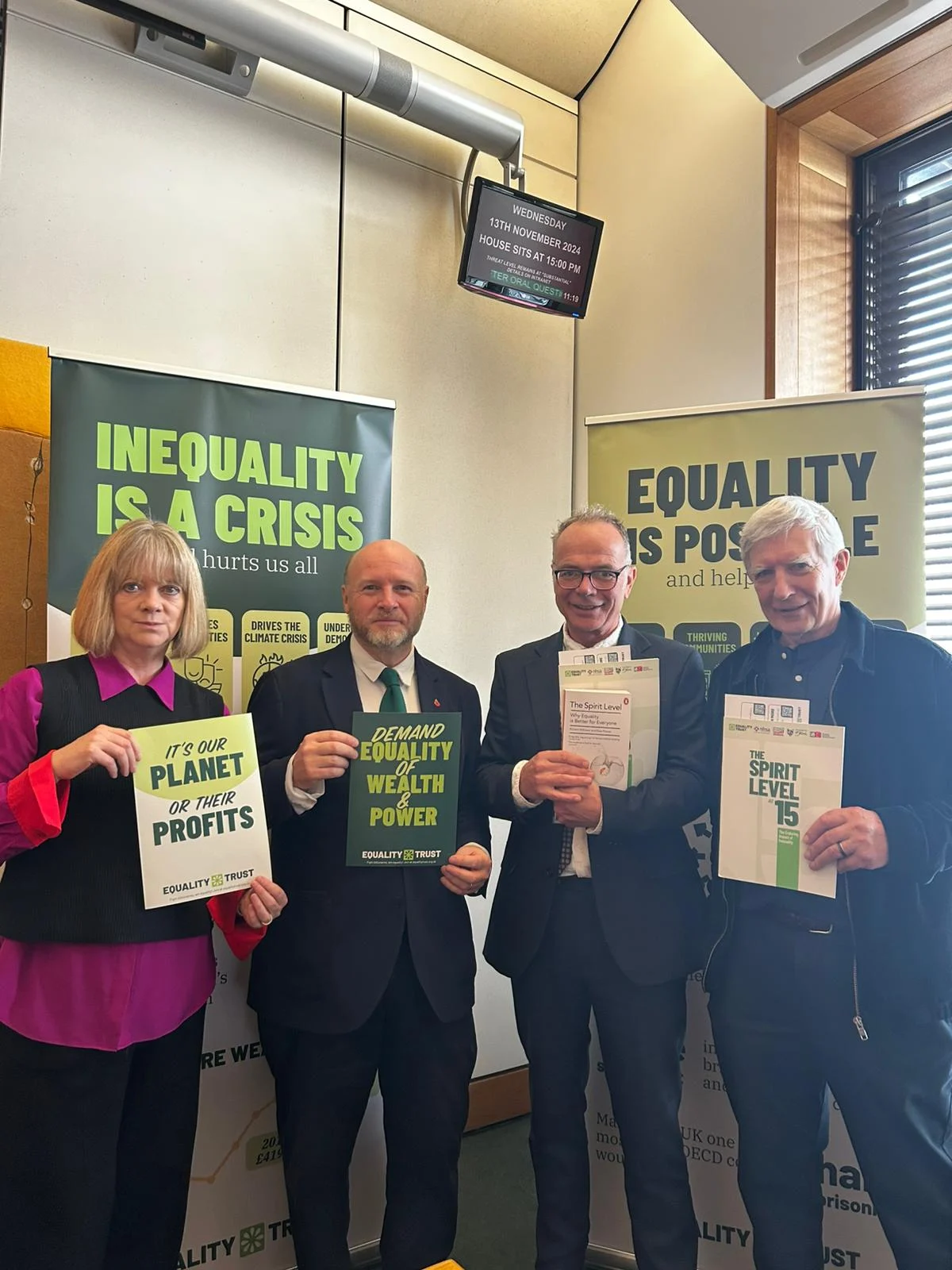
Following the success of The Spirit Level, Pickett co-founded The Equality Trust in 2009. The organization was established to advocate for the reduction of social and economic inequality in the United Kingdom through evidence-based policy changes. Over the subsequent 17 years, The Equality Trust has acted as a bridge between academic research and legislative action, campaigning for pay transparency, progressive taxation, and improved public services.
In 2018, Pickett and Wilkinson followed up with The Inner Level, which explored the psychological impact of inequality, focusing on how social hierarchy influences mental health and individual well-being. The 2026 publication of The Good Society represents the third major pillar in this intellectual journey, shifting the focus from the "why" and the "how" of inequality to a comprehensive vision of what a reformed society could actually look like in practice.
Core Themes of The Good Society
The Good Society departs from the purely analytical framework of Pickett’s previous works to offer a blueprint for systemic change. During the launch event, Pickett emphasized that the book was written in response to a growing sense of "crisis fatigue" among the public. The narrative seeks to replace the prevailing sense of inevitability regarding social decline with a rigorous, evidence-based optimism.
The book identifies several key areas for reform:
- Economic Democracy: Transitioning from shareholder-led corporations to employee-owned models and cooperatives to ensure that wealth generated by labor is more equitably distributed.
- Environmental Sustainability: Aligning social equity with ecological limits, arguing that a more equal society is better equipped to handle the collective sacrifices required by the climate transition.
- Universal Basic Services: Moving beyond the concept of Universal Basic Income (UBI) to emphasize the provision of essential services—such as transport, internet access, and healthcare—as a fundamental right.
- Pre-distributive Policy: Implementing structural changes to the market that prevent inequality from arising in the first place, rather than relying solely on post-tax redistribution.
Supporting Data on Global and National Inequality
The launch of The Good Society comes at a time when statistical data underscores the urgency of Pickett’s message. According to reports from the World Inequality Lab and Oxfam released in the mid-2020s, the gap between the wealthiest 1% and the bottom 50% of the global population has continued to widen despite various international interventions.
In the United Kingdom, data from the Office for National Statistics (ONS) leading up to 2026 indicates that wealth inequality remains a persistent challenge. The Gini coefficient, a standard measure of income inequality where 0 represents perfect equality and 100 represents perfect inequality, has fluctuated around the 34–35 mark for several years, placing the UK among the more unequal developed nations in Europe. Furthermore, the "wealth-to-income" ratio has reached historic highs, meaning that inherited wealth and asset appreciation are increasingly more significant than earned wages in determining a person’s financial standing.
The Good Society utilizes this data to argue that the "trickle-down" economic theories of the late 20th century have failed to deliver on their promises of broad-based prosperity. Pickett’s research highlights that in countries with lower Gini coefficients, such as those in Scandinavia, social mobility is significantly higher, and the "social gradient" in health and education is less steep.
Panelist Contributions and Perspectives
During the virtual launch, the invited guests provided diverse perspectives on how to translate Pickett’s research into political and social movements.
Baroness Ruth Lister, a long-time advocate for poverty reduction, focused on the concept of "citizenship" and "dignity." She argued that The Good Society provides a necessary framework for recognizing that poverty is not just a lack of resources, but a denial of the ability to participate fully in the democratic life of a nation. Lister’s contribution emphasized the need for policy-making that treats recipients of social support with agency and respect.
George Monbiot addressed the intersection of inequality and the environmental crisis. He noted that the highest-income individuals are responsible for a disproportionate share of carbon emissions, yet the poorest populations often bear the brunt of environmental degradation. Monbiot praised Pickett’s work for articulating how reducing the "status competition" inherent in unequal societies can lead to lower consumption patterns and a more sustainable relationship with the planet.
Caroline Lucas spoke to the political feasibility of the book’s recommendations. She highlighted the growing "Green-Social" consensus in European politics, where the transition to a low-carbon economy is seen as an opportunity to restructure the labor market and improve public health. Lucas suggested that The Good Society would serve as a vital resource for legislators looking to craft "well-being budgets" that prioritize social outcomes over traditional GDP growth metrics.
Broader Implications for Policy and Public Discourse
The release of The Good Society is expected to have a significant impact on the policy platforms of various political parties as they prepare for upcoming electoral cycles. By providing a coherent vision of an alternative social model, Pickett’s work challenges the "There Is No Alternative" (TINA) mantra that has dominated economic policy for decades.
Analysis of the book suggests that its impact will be felt in three primary areas:
1. The Measurement of National Success
There is an increasing movement among international organizations, including the OECD and the WHO, to move "Beyond GDP." The Good Society reinforces this movement by providing a metric-based argument for evaluating a country’s success based on the health, happiness, and equality of its citizens.
2. Labor Market Reform
The book’s focus on economic democracy aligns with recent trends toward "Community Wealth Building." This approach, popularized in places like Preston in the UK and Cleveland in the US, encourages local institutions (hospitals, universities) to spend their budgets within the local economy and support worker-owned businesses.
3. Social Cohesion and Trust
Perhaps the most profound implication of Pickett’s work is its focus on the "social fabric." In an era of political polarization, The Good Society argues that inequality is the primary driver of social fragmentation. By reducing the distance between the top and the bottom of the social hierarchy, Pickett posits that societies can rebuild the trust necessary to solve collective problems, such as pandemics and climate change.
Official Responses and Reception
While the launch event was celebratory, the ideas presented in The Good Society are likely to face scrutiny from proponents of traditional market-led economic models. Critics often argue that aggressive redistribution and high levels of public spending can stifle innovation and lead to capital flight.
However, the response from the academic community has been largely positive. Early reviews from sociologists and economists suggest that Pickett has successfully synthesized a vast array of data into a readable and actionable manifesto. The Equality Trust released a statement following the launch, noting: "Professor Pickett has once again provided the intellectual ammunition needed for those of us fighting for a fairer world. The Good Society is not just a book; it is a call to action that we intend to carry into our campaigning work throughout 2026 and beyond."
As the recording of the event continues to circulate online, reaching an even wider audience than the initial 500 attendees, the themes of The Good Society are set to remain at the forefront of the global conversation on how to build a resilient and equitable future. The work stands as a testament to the power of evidence-based advocacy in the pursuit of social change.