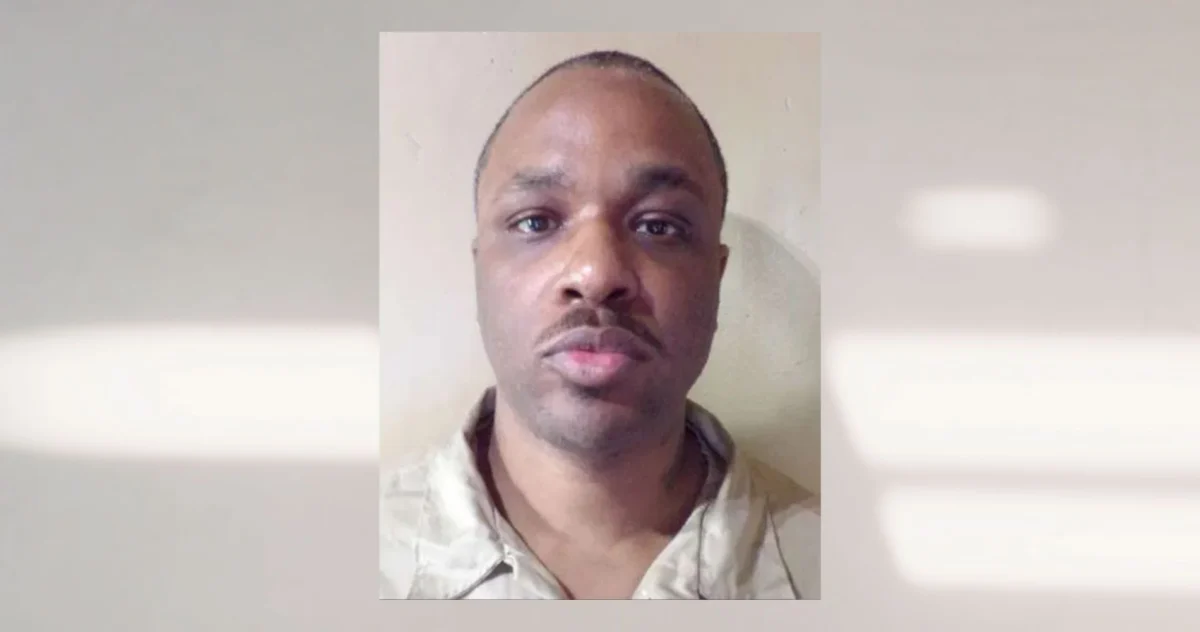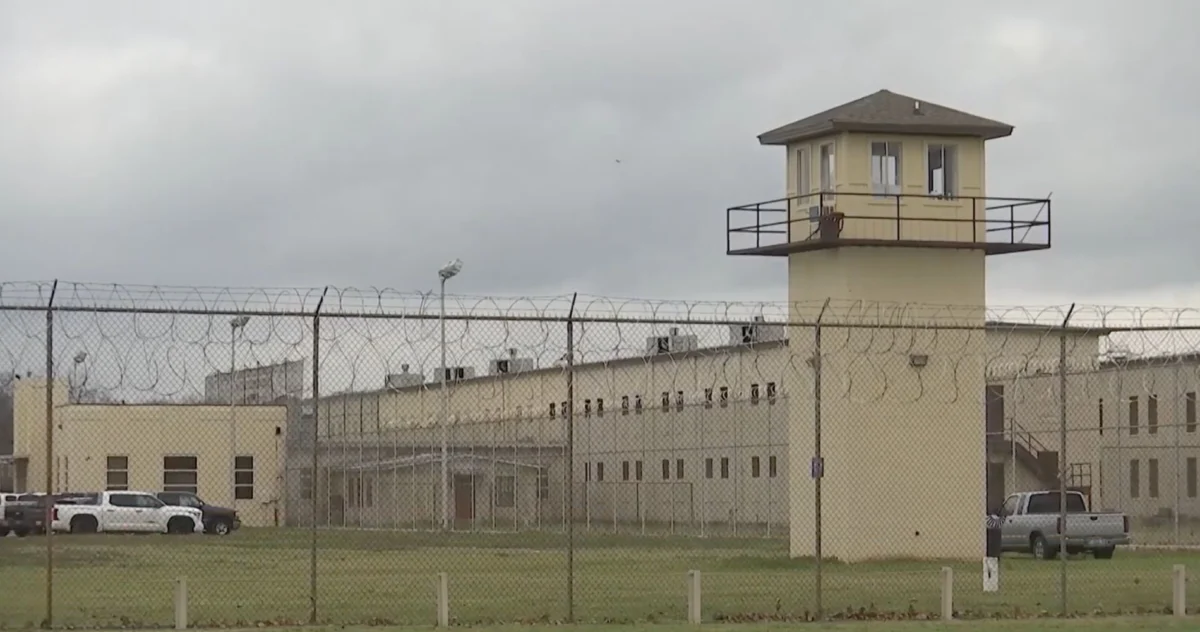
The death of Cason Helms, 41, at the Elmore Correctional Facility in central Alabama on Sunday has brought renewed and urgent attention to the escalating crisis within the state’s correctional system. Helms reportedly succumbed to injuries sustained during a brutal beating by a group of other incarcerated men, according to multiple reports received by the Equal Justice Initiative (EJI). This tragic incident marks the ninth homicide within Alabama prisons in as many months, a grim statistic that underscores a pervasive pattern of violence and systemic failures. Alarmingly, Elmore Correctional Facility alone has been the site of five of these recent fatalities, highlighting its particular notoriety as a hotspot of unconstitutional conditions and dangerous instability.
A Tragic Escalation at Elmore
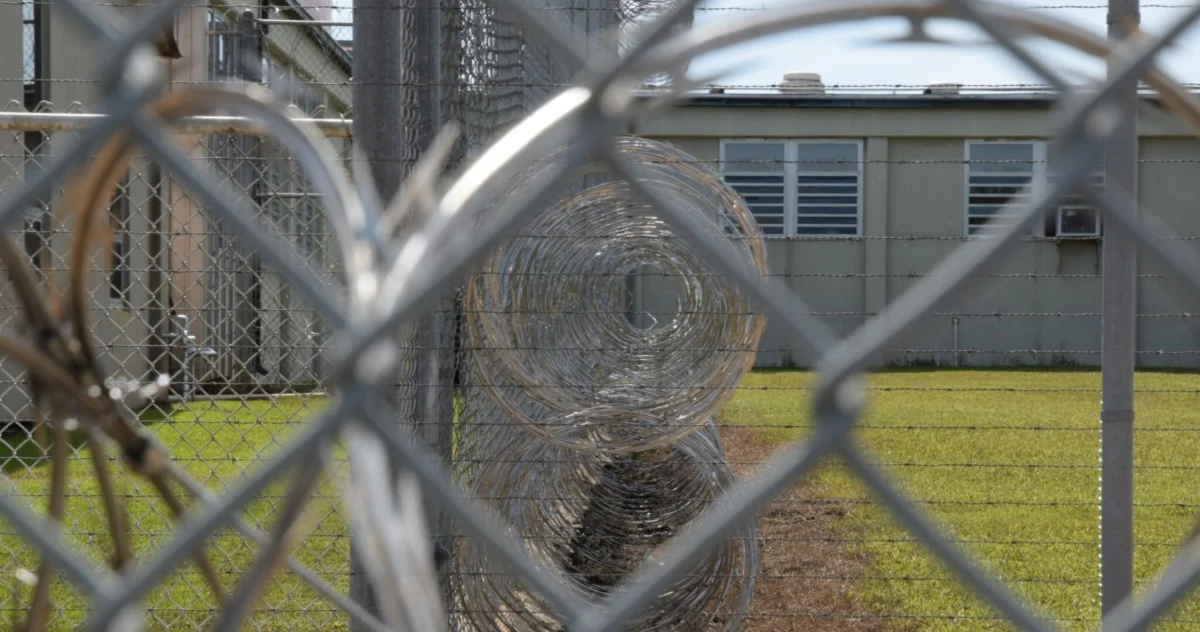
Cason Helms’ death adds a harrowing chapter to Elmore’s already troubled history. The facility, located near Wetumpka, has become a focal point of federal scrutiny and inmate advocacy groups due to its chronic inability to maintain safety and order. Helms’ reported beating death is the latest in a series of violent incidents that have plagued Elmore. Just months prior, on October 30, Mikheal Gilliam died after being stabbed four days earlier. On December 9, Eric Sanders was beaten to death in a dormitory, a stark precursor to the circumstances surrounding Helms’ demise. The violence escalated further on January 15, when Damon Calhoun and Londell Nunn Jr. were both stabbed to death on a single day. These five deaths in quick succession—Gilliam, Sanders, Calhoun, Nunn Jr., and now Helms—paint a chilling picture of an environment where life is cheap and safety is a distant hope.
The EJI, a Montgomery-based human rights organization, has been a leading voice in documenting the profound dangers within Alabama’s prisons. Their researchers have meticulously compiled records of more than 100 homicides of incarcerated individuals inside Alabama’s prisons since 2019. This extensive documentation reveals not just isolated incidents but a deeply entrenched pattern of lethal violence that has persisted despite repeated warnings and intervention efforts from federal authorities. The sheer volume of these deaths positions Alabama’s correctional system as one of the most perilous in the nation, with Elmore Correctional Facility frequently at the epicenter of this crisis.
The Anatomy of Violence: Elmore’s Deep-Seated Issues
The violence at Elmore, and indeed across Alabama’s correctional landscape, is not random; it is the product of systemic failures and a deeply entrenched culture of disorder. Investigations by the EJI and others have consistently identified several key contributing factors. Foremost among these is the prevalence of an underground economy thriving on drugs, weapons, and other contraband. This illicit trade often sees items brought into facilities by staff members, creating a pervasive network of extortion and debt. Within this environment, violence is not merely a consequence but a tool—frequently employed to enforce debts, assert dominance, or settle disputes.
Compounding this volatile dynamic is a severe lack of adequate officer supervision. Understaffing, high turnover rates, and insufficient training contribute to a diminished correctional presence, allowing dangerous situations to fester and escalate without timely intervention. The EJI’s investigations into Elmore specifically have uncovered a longstanding pattern of serious violence that includes not only conflicts between incarcerated individuals but also fatal beatings executed or instigated by correctional officers themselves. This blurring of lines between those meant to ensure safety and those perpetrating harm further erodes any semblance of order or justice within the facility.
Statistical data starkly illustrates the worsening conditions at Elmore. Assaults within the facility more than doubled between 2021 and 2025. Even more alarming, the prison’s homicide rate from 2023 to 2025 was more than 20 times the national average homicide rate in state prisons. These figures are not mere abstractions; they represent a tangible and horrifying increase in the daily threat to life and limb faced by those incarcerated within Elmore’s walls. The constant threat of violence, coupled with the systemic factors enabling it, creates an environment antithetical to rehabilitation and, more fundamentally, to basic human safety.
Federal Scrutiny and State Defiance: A Timeline of Warnings and Lawsuits
The crisis in Alabama’s prisons is not a recent development. The federal government has been aware of and has actively intervened in the state’s correctional issues for years. In 2019, the U.S. Department of Justice (DOJ) delivered a scathing notification to state officials and the Alabama Department of Corrections (ADOC), explicitly stating that conditions within the state’s prisons for men were unconstitutional. The DOJ’s findings pointed directly to the ADOC’s "inability to control the flow of contraband into and within the prisons, including illegal drugs and weapons; and ineffective prison management and training" as key factors contributing to an "unconstitutionally high level of violence." This notification served as a clear and unambiguous warning, providing the state with an opportunity to voluntarily address the identified constitutional violations.
Despite this explicit warning and the threat of legal action, violence in Alabama’s prisons continued its upward trajectory. The state’s failure to enact meaningful reforms compelled the Justice Department to escalate its intervention. In December 2020, the DOJ filed a lawsuit against the State of Alabama and the ADOC to compel improvements to the safety and conditions of its prisons. A subsequent court filing in 2021 by federal prosecutors reiterated the gravity of the situation, stating that since the initial 2019 notification, "prisoners at Alabama’s Prisons for Men have continued daily to endure a high risk of death, physical violence, and sexual abuse at the hands of other prisoners." The DOJ’s determination was clear: Alabama’s failure to comply voluntarily with constitutional requirements had made "judicial action necessary to remedy the violations of law identified and to vindicate the rights of the individuals incarcerated in Alabama’s prisons for men."
This federal lawsuit, ongoing for several years, seeks to force the state to implement comprehensive reforms to ensure the safety and constitutional rights of its incarcerated population. However, rather than allocating substantial resources to address the root causes of the violence—such as increasing staffing, improving training, curbing contraband, and enhancing mental health services—the ADOC has opted for a different strategy. Since the lawsuit was filed, the department has spent millions of dollars on lawyers to defend its unconstitutional practices in court. This financial outlay, critics argue, represents a misdirection of taxpayer funds that could otherwise be used to directly improve the living and working conditions within the state’s beleaguered prison system.
The Unfolding Legal Battle and Its Costs
The legal battle between the DOJ and the State of Alabama is complex and far-reaching. It delves into every aspect of prison operations, from staffing levels and training protocols to healthcare, mental health services, and the management of incarcerated populations. The state’s defense typically centers on claims of progress, resource constraints, and the inherent difficulties of managing large correctional facilities. However, the continuous stream of homicides and severe assaults, particularly those at Elmore, directly contradicts any assertions of substantial improvement.
The financial cost of this protracted legal fight is significant. Millions spent on legal fees divert funds that could be used for tangible reforms, such as hiring more correctional officers, increasing their pay, providing better training, or investing in infrastructure improvements that enhance safety and security. Beyond the monetary cost, there is an immense human cost. The families of victims like Cason Helms, Mikheal Gilliam, Eric Sanders, Damon Calhoun, and Londell Nunn Jr. are left to grapple with profound grief and the agonizing knowledge that their loved ones died in state custody, often under circumstances that suggest negligence or outright failure by the system.
Beyond the Walls: Implications for Justice and Reform
The implications of the crisis in Alabama’s prisons extend far beyond the facility walls. It raises fundamental questions about justice, human rights, and the role of the state in protecting those in its care. The Eighth Amendment of the U.S. Constitution prohibits cruel and unusual punishment, a standard that federal courts have repeatedly found Alabama’s prison conditions to violate. The state’s continued inability to meet these constitutional mandates not only invites ongoing federal intervention but also tarnishes its reputation and undermines public trust in its justice system.
Prison reform advocates and human rights organizations, including the EJI, continue to call for comprehensive, systemic change. They argue that incremental adjustments are insufficient to address problems of this magnitude. What is required, they contend, is a fundamental re-evaluation of prison management, staffing models, accountability mechanisms, and a renewed commitment to the safety and rehabilitation of incarcerated individuals. The death of Cason Helms serves as a stark reminder that without such fundamental changes, the tragic cycle of violence and death within Alabama’s prisons is destined to continue, with devastating consequences for inmates, staff, and the broader community. The eyes of the nation remain on Alabama as the federal lawsuit progresses, waiting to see if judicial action can finally compel the necessary reforms to end this deadly crisis.