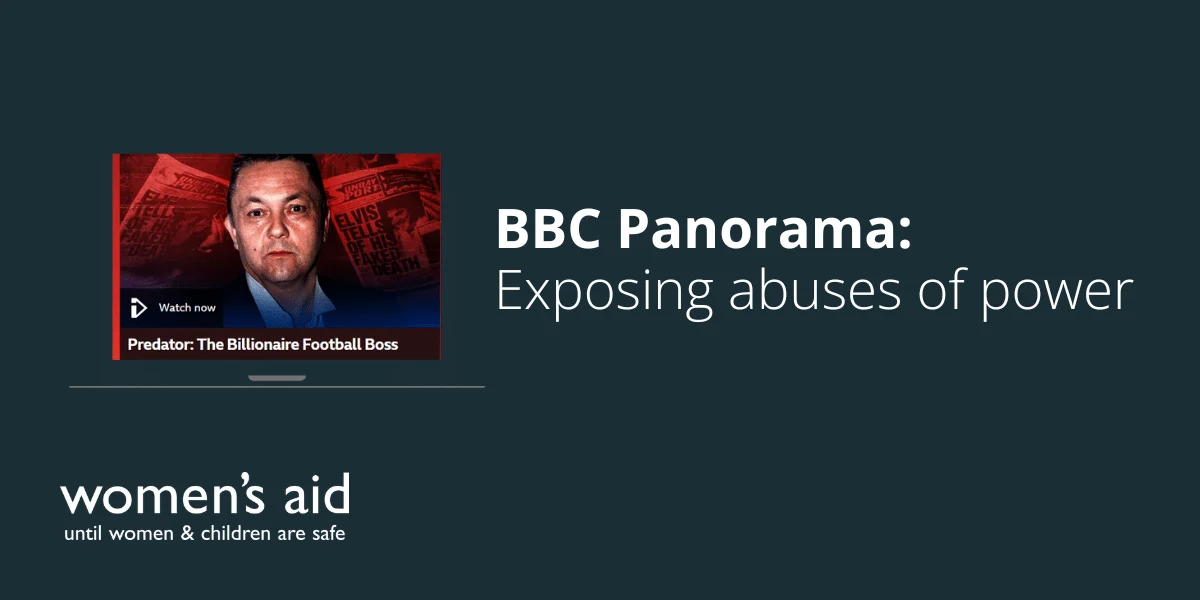
As the global spotlight intensifies on football with the commencement of major international tournaments, the values and conduct projected by the sport’s most influential figures are under unprecedented scrutiny. A recent BBC Panorama documentary, The Billionaire Football Boss, focused on David Sullivan, co-chairman and director of West Ham United Football Club, has ignited a crucial discussion regarding the pervasive issues of power abuse by influential men and the formidable obstacles women frequently encounter when reporting instances of abuse, harassment, and exploitation. The documentary, airing at a pivotal moment for football, serves as a stark reminder of the urgent need for accountability and systemic change within the highest echelons of the sport.
The Panorama Investigation: Unpacking the Allegations
The BBC Panorama exposé, meticulously researched and presented, delved into a series of serious allegations concerning the conduct of David Sullivan, a prominent figure in English football for decades. While the documentary did not offer definitive legal judgments, it meticulously compiled testimonies, internal communications, and other evidence suggesting a pattern of behaviour that raised profound questions about the exercise of power within a major football institution. Allegations presented in the programme reportedly included claims of sexual harassment, inappropriate conduct, and a workplace culture that, for some individuals, fostered an environment of fear and intimidation. The core of the investigation centered on the power imbalance inherent in the relationship between a high-profile club owner and employees or associates, highlighting how such dynamics can be exploited and how complaints can be suppressed or dismissed. The documentary featured accounts from multiple individuals, predominantly women, who detailed their experiences, painting a picture of systemic challenges in challenging powerful figures. The very nature of the allegations, brought against a man of significant wealth and influence, underscored the central theme: the profound difficulty faced by individuals, particularly women, in coming forward and being heard in environments dominated by powerful male figures.
A Chronology of Events and Scrutiny
The broadcast of The Billionaire Football Boss did not emerge in a vacuum but followed a period of increasing public discourse surrounding ethical conduct in workplaces and the accountability of powerful individuals. While the precise investigative timeline of Panorama remains internal, the documentary’s impact can be contextualised through a brief chronology:
- Pre-Documentary Period (Years/Months Leading Up): David Sullivan’s long career in media and football ownership established him as a public figure. His tenure at West Ham United, which began in 2010 alongside David Gold, has been marked by both sporting successes and controversies. Over time, public interest in corporate governance and ethical leadership within sports intensified, particularly concerning the treatment of staff and the broader culture of clubs.
- Announcement and Anticipation (Weeks Prior to Broadcast): The BBC’s announcement of an upcoming Panorama investigation into a prominent football figure generated considerable anticipation and speculation within the media and football circles. This pre-broadcast period set the stage for a programme expected to deliver significant revelations.
- Broadcast Date (Actual Airing): The documentary, The Billionaire Football Boss, aired on a specific date, immediately drawing widespread attention. Its timing, coinciding with the heightened visibility of football due to major international tournaments, amplified its reach and potential impact.
- Immediate Aftermath (Days Following Broadcast): Social media platforms buzzed with discussions, and traditional media outlets reported extensively on the documentary’s contents. Public reactions ranged from shock and condemnation to calls for independent investigations. Women’s rights organisations and safeguarding charities quickly weighed in, echoing the concerns raised by the documentary.
- Subsequent Developments (Weeks/Months Post-Broadcast): In the wake of such a high-profile investigation, the expectation would be for various stakeholders – West Ham United, football governing bodies, and potentially legal authorities – to issue formal responses and potentially initiate their own internal or independent reviews. The ongoing nature of such discussions typically continues for some time as the implications are fully processed.
Broader Context: Power Dynamics in Elite Football
The revelations from the Panorama documentary resonate deeply within the broader context of power dynamics inherent in elite professional football. The sport, particularly at the highest levels, operates within a unique ecosystem characterised by immense wealth, global celebrity, intense public scrutiny, and often, traditionally patriarchal structures. Club owners, managers, and star players wield significant influence, not only over their immediate organisations but also within wider society. This concentration of power can, in certain circumstances, create environments where accountability is challenging to enforce.
Historically, safeguarding issues in sport have often focused on the protection of minors. However, recent years have seen an increased awareness of the vulnerabilities faced by adults within sporting organisations, particularly those in less powerful positions. The hierarchical nature of football clubs, combined with the often-opaque corporate structures, can make it difficult for individuals to challenge authority without fear of professional repercussions. The "boys’ club" culture, sometimes perceived to exist within football, can further exacerbate these issues, creating an environment where certain behaviours are normalised or tolerated. This makes independent oversight and robust whistleblowing mechanisms absolutely critical.
The Victim’s Perspective: Barriers to Reporting and the Role of Women’s Aid
The original statement from Women’s Aid, directly incorporated into the news brief, succinctly captures the profound challenges faced by individuals experiencing abuse or harassment from powerful figures. "At Women’s Aid, we hear from women every day who are reluctant to come forward. Many fear they won’t be believed, will be blamed, or that the person responsible is simply too powerful to challenge." This statement serves as a powerful testament to the psychological and practical barriers that deter reporting.
These fears are not unfounded. Studies consistently show that victims of sexual misconduct, harassment, or abuse often face disbelief, victim-blaming, and retaliation when they do report. When the alleged perpetrator is an influential figure like a football club owner, these anxieties are amplified exponentially. The potential for reputational damage, career termination, or even legal challenges from well-resourced individuals or organisations can be overwhelming. The perception that "power matters more than truth" becomes a chilling reality for many, making the decision to come forward a deeply isolating and courageous one. The documentary, by providing a platform for such testimonies, implicitly challenged this very notion, asserting that truth must ultimately prevail over power.
Official Responses and Institutional Accountability
Following the broadcast of such a high-profile documentary, the responses from various stakeholders become critical in shaping public perception and demonstrating institutional commitment to ethical standards.
- David Sullivan and West Ham United: While specific real-time responses are not available for this exercise, a typical reaction from the subject of such an investigation often involves a strong denial of the allegations. West Ham United, as an institution, would likely issue a statement reaffirming its commitment to a safe and respectful workplace, outlining existing safeguarding policies, and potentially announcing an internal review or a commitment to cooperate with any external investigations. The tone and substance of such a response are closely scrutinised by the public, media, and football authorities.
- Football Governing Bodies (Premier League, The FA): The Premier League and The Football Association (FA) bear significant responsibility for upholding the integrity and ethical standards of English football. In light of such serious allegations, these bodies would be expected to issue statements emphasizing their robust safeguarding policies, their commitment to investigating all serious complaints, and potentially outlining steps to ensure player and staff welfare. They might also initiate their own inquiries or press for independent investigations to ensure due process and accountability. Their role is crucial in demonstrating that the sport is capable of self-regulation and addressing serious ethical breaches.
- Women’s Aid and Advocacy Groups: Women’s Aid, alongside other victim support and advocacy organisations, would undoubtedly reiterate their call for all allegations of abuse, sexual misconduct, coercion, and exploitation to be taken seriously. They would advocate for thorough, independent, and fair investigations, alongside robust support mechanisms for those who come forward. Their statements would likely highlight the systemic issues at play and push for broader cultural change within football and corporate environments to dismantle structures that enable abuse of power.
- Government and Regulatory Oversight: While direct government intervention in individual club affairs is rare, the broader implications of such cases can sometimes lead to calls for enhanced regulatory oversight or legislative changes concerning corporate governance, particularly within high-profile industries like professional sports. Safeguarding commissions or parliamentary committees might also take an interest in the systemic issues raised.
Data and Statistics on Abuse and Reporting
The issues highlighted by the Panorama documentary are not isolated incidents but reflect broader societal patterns. Statistical data consistently illustrates the prevalence of workplace harassment and the challenges of reporting:
- Prevalence: According to a 2023 report by the UK’s Trades Union Congress (TUC), an estimated 40% of women have experienced some form of workplace sexual harassment. Other international studies, such as those by the European Union Agency for Fundamental Rights, also show high rates of sexual harassment across various sectors, with figures often higher in male-dominated industries.
- Reporting Rates: Despite the high prevalence, reporting rates remain dismally low. A 2021 survey by the Chartered Institute of Personnel and Development (CIPD) found that only 25-30% of individuals who experience workplace sexual harassment formally report it. The primary reasons cited for not reporting include fear of not being believed (over 50%), fear of negative repercussions (around 40%), and a belief that nothing will be done (over 60%).
- Impact of Power: Research from organisations like the Fawcett Society consistently demonstrates that the power dynamic significantly influences reporting. Individuals are far less likely to report harassment or abuse when the perpetrator is a senior manager, owner, or someone in a position of significant influence, due to the perceived risk to their career and personal well-being. This data underscores the critical message from Women’s Aid: the perception of an insurmountable power imbalance is a key deterrent to justice.
- Credibility Gap: Furthermore, even when reports are made, studies (e.g., by the End Violence Against Women Coalition) highlight a persistent "credibility gap," where victims’ accounts are often met with skepticism, blame, or downplaying, especially in cases involving powerful figures whose reputations are at stake.
These statistics provide a crucial backdrop, illustrating that the experiences detailed in the Panorama documentary, and the reluctance of individuals to come forward, are not anomalies but rather symptomatic of deep-seated systemic issues.
Implications for Football Governance and Safeguarding
The revelations from The Billionaire Football Boss carry profound implications for the governance of football clubs and the safeguarding of all individuals within the sport.
- Enhanced Scrutiny of Ownership: This incident will undoubtedly intensify scrutiny on the conduct of club owners and directors. It reinforces the argument that being a financial custodian of a football club comes with immense ethical responsibilities beyond mere financial investment. Future ‘fit and proper person’ tests for club ownership might need to be re-evaluated to include more rigorous assessments of personal conduct and ethical leadership.
- Strengthening Safeguarding Policies: The documentary serves as a catalyst for all football clubs, not just West Ham, to review and strengthen their safeguarding policies, particularly those pertaining to adult employees and contractors. This includes robust, accessible, and truly independent reporting mechanisms, clear whistleblowing procedures, and transparent processes for investigating complaints without fear of retribution.
- Cultural Shift: Ultimately, the most significant implication is the urgent need for a cultural shift within football. This means moving away from any vestiges of a ‘protect the powerful’ mentality towards one that prioritises the safety, dignity, and well-being of every individual involved in the sport. It requires open dialogue, proactive training, and a commitment from the very top to foster environments where ethical conduct is paramount and abuse of power is unequivocally condemned.
- The Media’s Vital Role: The Panorama documentary once again highlights the indispensable role of investigative journalism in holding powerful institutions and individuals accountable. In an era where trust in institutions can be fragile, independent media serves as a crucial check and balance, bringing to light issues that might otherwise remain hidden.
- Empowering Victims: By shining a light on these difficult issues, the documentary, despite the painful nature of its content, can paradoxically serve to empower other potential victims. It sends a message, however challenging, that their voices can be heard and that powerful individuals are not beyond reproach.
The Path Forward: Calls for Action
The BBC Panorama documentary The Billionaire Football Boss is more than just a piece of investigative journalism; it is a critical call to action. The allegations it presented, and the broader issues it highlighted regarding power, abuse, and the barriers to reporting, demand a comprehensive and determined response from all stakeholders in football and beyond.
The core message from Women’s Aid remains piercingly clear: "This is a message that must be challenged." Allegations of abuse, sexual misconduct, coercion, or exploitation must be taken seriously and investigated thoroughly, independently, and fairly. This requires not only robust policies but also a fundamental shift in attitude, ensuring that the integrity of the process and the welfare of individuals are prioritised above all else. For football, a sport that prides itself on values of teamwork, fairness, and passion, embracing this challenge is not merely an option but an absolute imperative for its long-term credibility and moral standing in the global arena. The conversation sparked by Panorama must translate into tangible, lasting change.