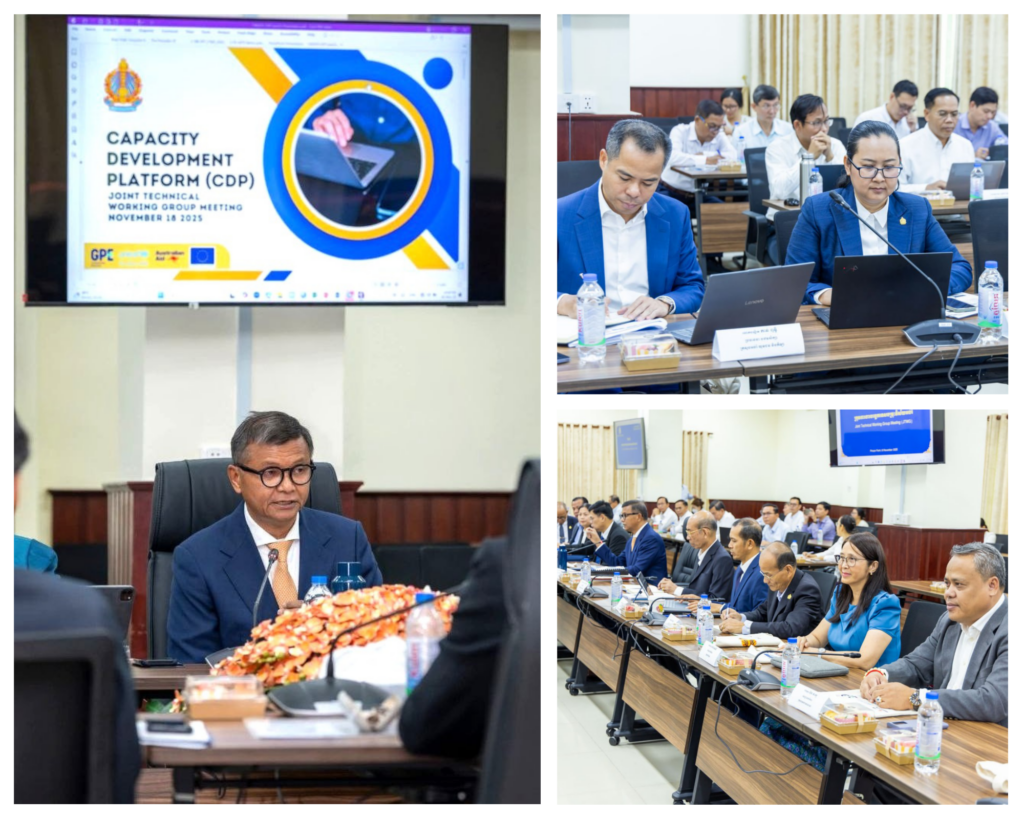
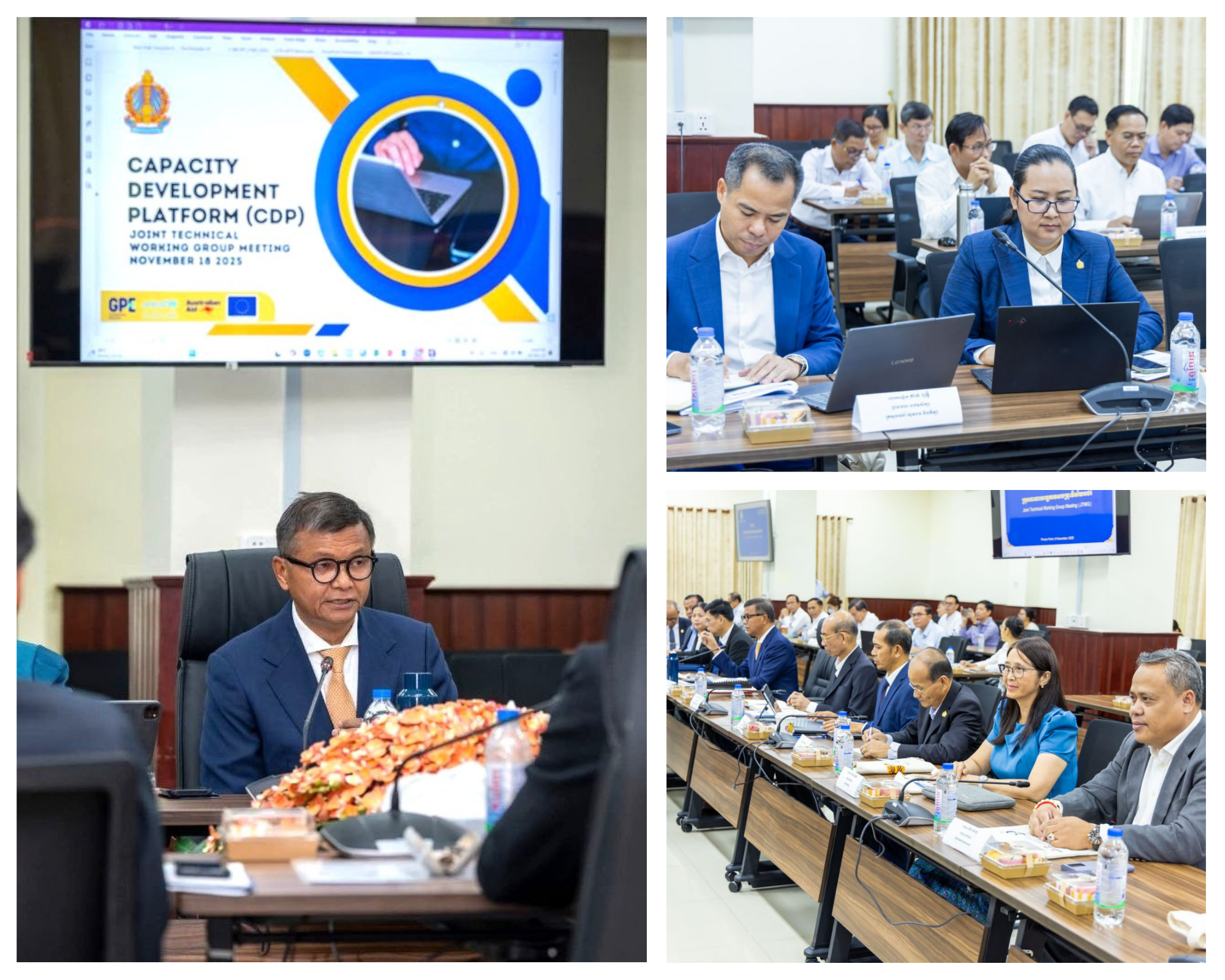
The Ministry of Education, Youth, and Sport (MoEYS) of the Kingdom of Cambodia, in a landmark collaboration with UNICEF and World Education, officially inaugurated the Capacity Development Platform (CDP) in November 2025, signaling a decisive shift toward a modernized, digitally-integrated pedagogical landscape. This initiative, co-designed by World Education—an initiative of JSI—serves as a centralized digital ecosystem specifically engineered to provide the nation’s teaching workforce with equitable access to professional development, accredited certifications, and advanced qualification upgrades. Supported by a robust consortium of international donors, including the Global Partnership for Education (GPE), the European Union (EU), and the Australian Department of Foreign Affairs and Trade (DFAT), the CDP represents the culmination of a multi-year effort to harmonize technology with the practical realities of Cambodia’s educational infrastructure.
The launch of the CDP comes at a critical juncture for Cambodia, as the nation seeks to align its human capital development with the goals of the Education Strategic Plan (ESP) and the broader Vision 2030. By digitizing teacher training, MoEYS aims to bridge the gap between urban and rural educational standards, ensuring that educators in the most remote provinces have the same opportunities for career advancement and skill acquisition as those in the capital, Phnom Penh.
A Human-Centered Approach to Digital Transformation
The architectural philosophy behind the CDP was guided by a "human-centered" design, a methodology championed by World Education to ensure that technological interventions are both usable and sustainable. Recognizing that the digital divide remains a significant barrier in Southeast Asia, the development team prioritized accessibility over high-end technical requirements. The platform was specifically optimized for low-bandwidth environments, acknowledging that many rural teachers rely on mobile data and may face inconsistent connectivity.
Furthermore, the interface was built with a "smartphone-first" mentality. In Cambodia, mobile device penetration far exceeds that of desktop computers or laptops among the general population, including the teaching workforce. By ensuring that the CDP is intuitive and responsive on mobile devices, MoEYS and its partners have lowered the barrier to entry for tens of thousands of educators. This design choice reflects a pragmatic understanding that for a digital platform to be successful, it must meet users where they are, rather than demanding they adapt to unfamiliar or inaccessible hardware.
Chronology of Development and Implementation
The rollout of the CDP was the result of a meticulously planned timeline that involved deep cross-sectoral collaboration and iterative testing.
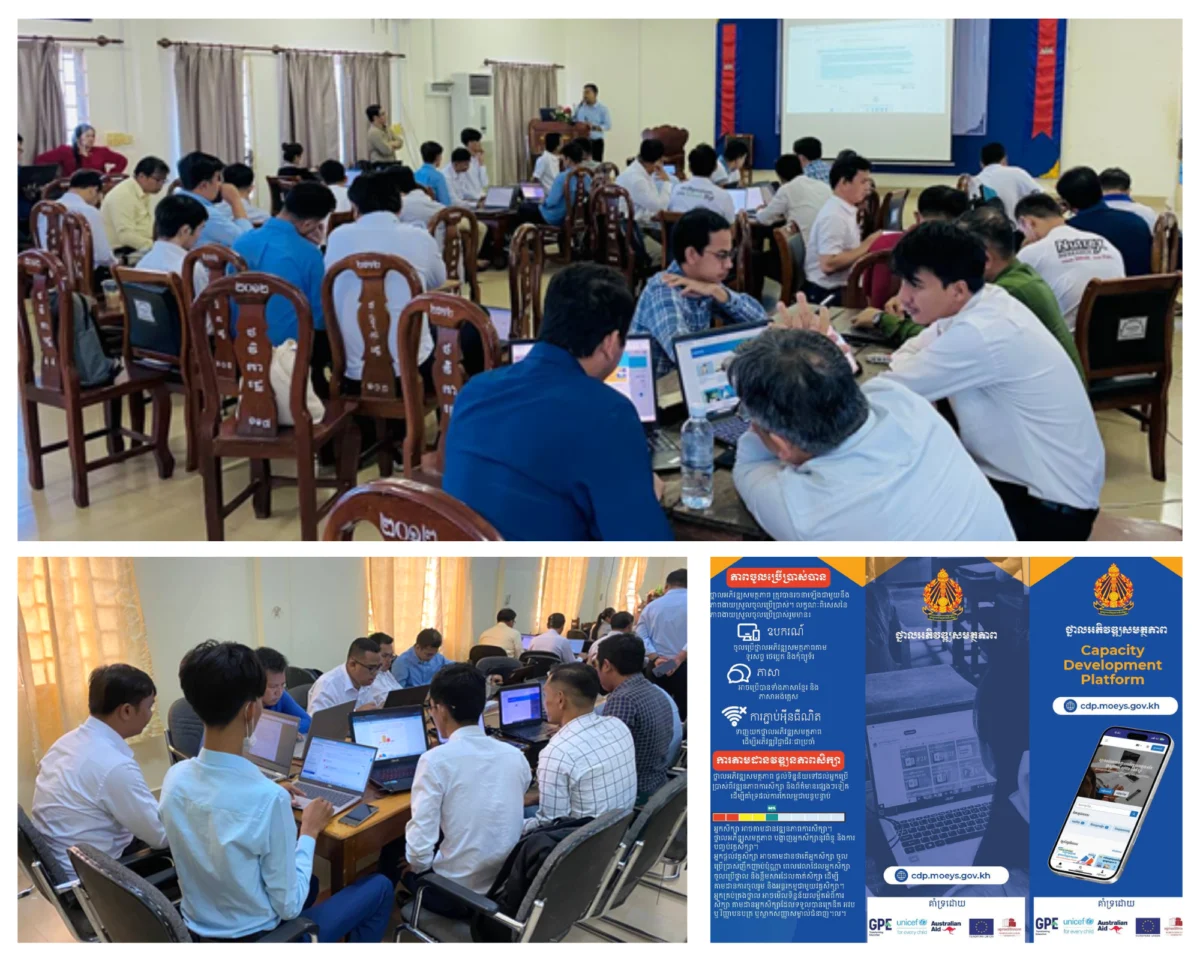
In the early months of 2025, World Education and MoEYS conducted extensive diagnostic assessments to identify the specific needs of different educator cohorts, from primary school teachers to specialized ICT instructors. This was followed by a series of high-level capacity-building workshops held in May 2025. These workshops, which took place on May 5–6 and May 19–20, brought together MoEYS staff and veteran educators to refine the platform’s curriculum and user interface. These sessions were instrumental in ensuring that the digital tools provided were not merely theoretical but were grounded in the daily classroom experiences of Cambodian teachers.
By the third quarter of 2025, the platform entered a pilot phase, allowing for technical troubleshooting and the establishment of a dedicated government governance group. This group was tasked with overseeing the long-term management of the system, ensuring that the CDP would not remain a "project-based" tool but would become a permanent fixture of the national education system.
The official launch in November 2025 marked the transition from development to national scale. Following the launch, World Education began a structured transition of technical ownership to the MoEYS Department of Digital Transformation. This phase included specialized training in cybersecurity, server management, and data privacy, empowering the Cambodian government to maintain and expand the platform independently of external consultants.
Strategic Integration and Institutional Governance
One of the most significant features of the CDP is its integration into existing national career progression systems. Unlike previous ad-hoc training programs, the credits earned through the CDP are directly linked to the official MoEYS professional development framework. This means that as teachers complete modules in early grade reading, mathematics, or digital literacy, their progress is recorded in a centralized database that informs their eligibility for promotions and salary increments.
This institutional linkage provides a powerful incentive for adoption. By making the platform a prerequisite for career advancement, the government has ensured that the CDP is viewed as an essential professional tool rather than an optional extracurricular activity. The governance structure also includes a feedback loop where the Department of Digital Transformation can monitor enrollment trends and identify areas where additional content development is required.
Statistical Impact and Early Adoption Rates
The scale of the CDP’s impact became evident within just months of its operational launch. Current data indicates that more than 44,000 users have registered on the platform, representing a significant portion of Cambodia’s public school teaching force. Of these registered users, over 23,000 educators have already enrolled in at least one accredited course, demonstrating a high level of demand for digital learning opportunities.
The course catalog is expanding to meet this demand. Initial offerings focused on foundational skills, such as early grade reading—a priority area for the MoEYS and its international partners to improve literacy rates in primary education. However, the portfolio has quickly diversified to include Information and Communication Technology (ICT) for teaching and learning. This course, in particular, has seen high engagement as teachers seek to integrate digital tools and even basic artificial intelligence (AI) into their lesson planning to foster more participatory classroom environments.
Official Responses and Stakeholder Perspectives
The launch event was attended by high-ranking government officials and representatives from the international diplomatic and development communities. H.E. Dr. Hang Chuon Naron, Deputy Prime Minister and Minister of MoEYS, emphasized the transformative potential of the platform. He noted that by digitizing teacher training, the Ministry is not only improving the efficiency of the education system but is also empowering educators with the "tools, knowledge, and support they need to inspire learning and improve outcomes."
His sentiments were echoed by educators on the front lines. Mrs. Proeut Sanh, a primary school teacher from Kralanh District in Siem Reap Province, highlighted the practical benefits of the ICT course. She observed that the skills gained through the CDP allowed her to utilize digital tools to make her students more active participants in their own education, a shift from traditional rote learning methods.
International partners have also lauded the project as a model for sustainable development. Representatives from the EU and DFAT noted that the CDP aligns with global efforts to promote digital inclusion and high-quality education (SDG 4). By pooling resources from the GPE and other donors, the project demonstrates how coordinated international aid can support national-led initiatives that have the potential for long-term systemic change.
Broader Implications for Cambodia’s Education Sector
The implications of the CDP extend far beyond the immediate convenience of online training. This platform represents a fundamental shift in how the Cambodian state views the professional life of a teacher. It acknowledges that in a rapidly changing global economy, a teacher’s education does not end at the training college; it is a lifelong process that requires ongoing support and resources.
Furthermore, the CDP serves as a repository for high-quality, standardized pedagogical content. In the past, teacher training was often fragmented, with different NGOs and agencies providing varying levels of instruction across different provinces. The CDP centralizes this content, ensuring that a teacher in a remote mountainous region of Ratanakiri receives the same high-quality instruction as a teacher in a well-funded school in the capital.
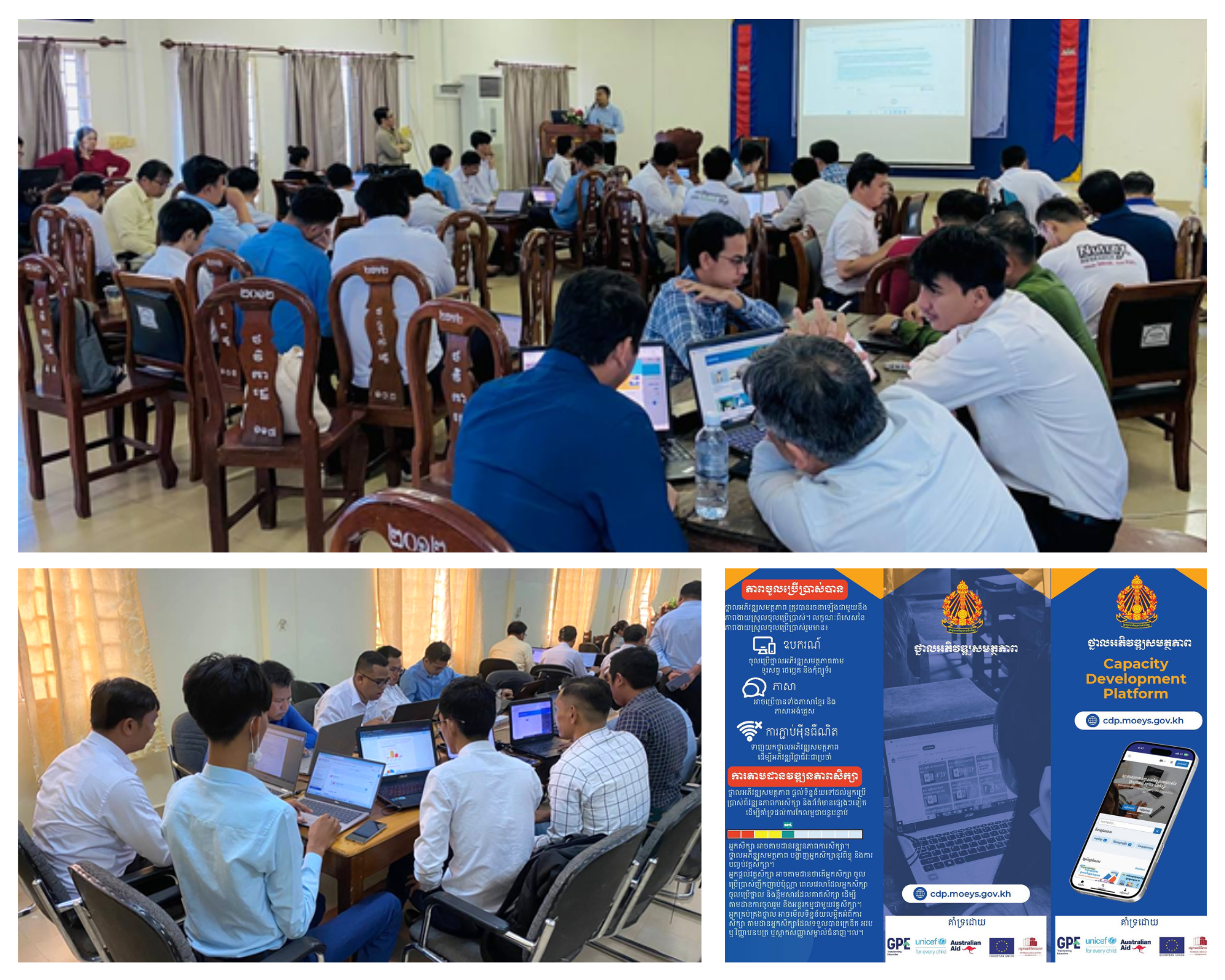
The transition to a blended learning model—combining online modules on the CDP with periodic in-person workshops—also offers a more cost-effective way to scale professional development. It reduces the need for teachers to travel long distances for training, which often results in classroom absences and high logistical costs for the Ministry.
Future Outlook: Scaling and Mandatory Standards
Looking ahead, World Education and MoEYS are already working on the next phase of the CDP’s evolution. Currently, teams are developing new modules designed to help teachers meet mandatory national standards as part of a comprehensive in-service teacher qualification upgrading program. These standards are intended to professionalize the workforce further and ensure that all educators possess a baseline of digital and pedagogical competency.
As the platform matures, there are plans to integrate more advanced features, such as peer-to-peer learning forums, digital mentoring, and real-time data analytics to track student outcomes in relation to teacher training. The success of the CDP in Cambodia provides a blueprint for other developing nations seeking to modernize their education systems through human-centered digital transformation.
The Capacity Development Platform is more than just a website or an app; it is a digital infrastructure project that builds the "soft" assets of the nation—its people. By investing in the professional growth of its teachers, Cambodia is making a long-term investment in the quality of its education system and, by extension, the future of its youth. The collaboration between MoEYS, UNICEF, World Education, and the international donor community stands as a testament to what can be achieved when technology is applied with a deep understanding of local context and a commitment to institutional sustainability.