The vibrant tapestry of Latin American Indigenous cultures is being rewoven by a new generation of artists who are leveraging their creative expression as powerful tools of resistance. Across Argentina and Chile, young Indigenous individuals, supported by Cultural Survival’s Indigenous Youth Scholarship Program, are transforming traditional and contemporary art forms into potent platforms for advocacy, cultural preservation, and the assertion of their identities against the enduring legacies of colonialism. Their work not only illuminates the critical issues facing their communities but also celebrates their unique worldviews, demonstrating a profound connection to ancestral heritage as a source of strength and resilience.
The Art of Resistance: A Legacy of Indigenous Expression
Art has historically served as a crucial medium for Indigenous communities to articulate their experiences, maintain cultural continuity, and challenge oppressive forces. From the Omaguaca Nation in Argentina to the Mapuche Peoples in Chile, contemporary Indigenous youth are actively continuing this tradition. Their artistic endeavors are not mere aesthetic pursuits; they are deeply rooted in lived experiences, ancestral connections, and a conscious effort to counteract the ongoing impacts of colonial structures that continue to marginalize and harm Indigenous populations. These artists are actively reclaiming narratives, fostering visibility for marginalized identities, and advocating for the protection of their lands and cultures through their compelling visual and performance art.
Poleo Calipso Painemal Castillo (Mapuche): Weaving Identity and Ancestral Knowledge
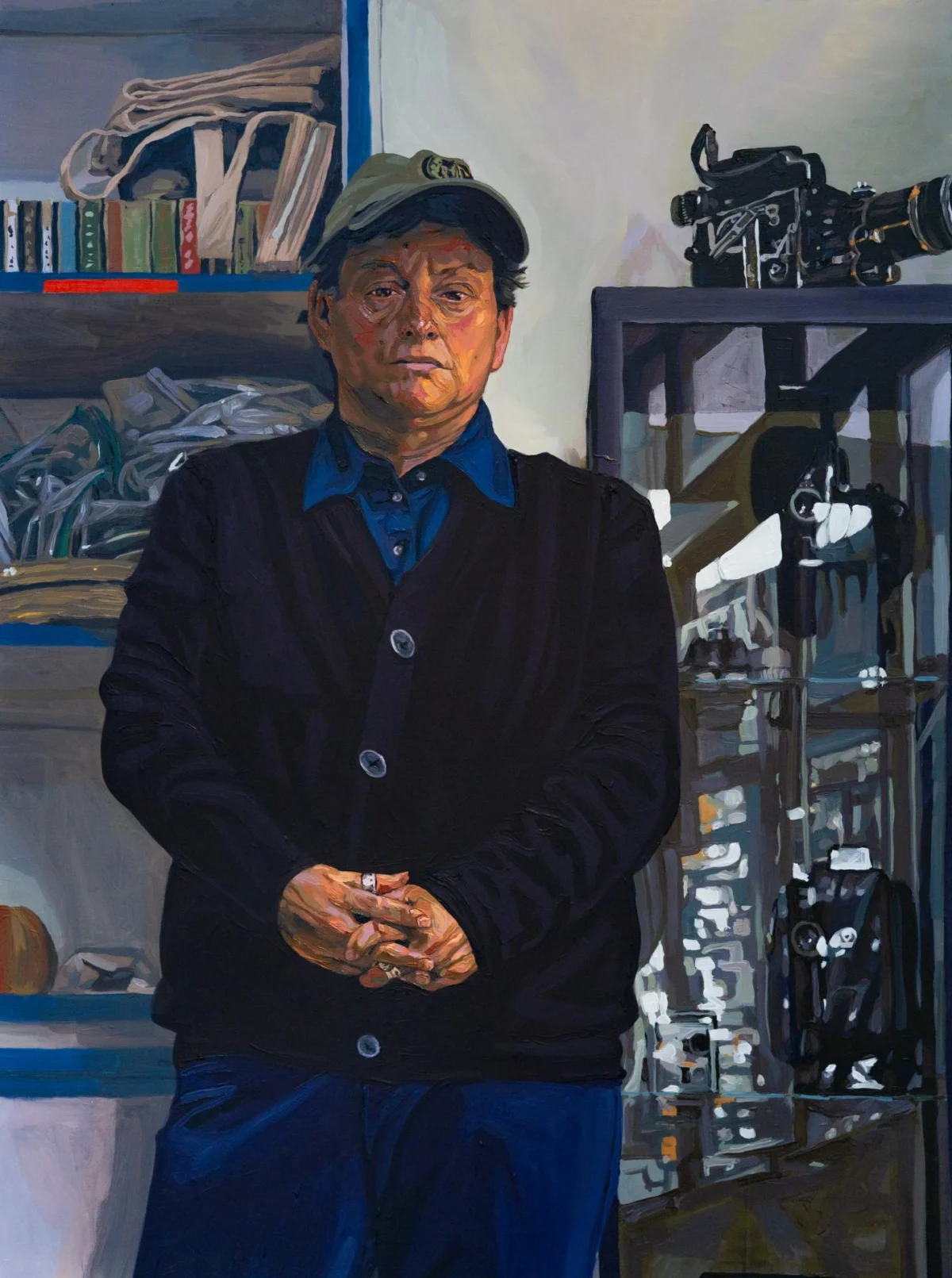
Poleo Calipso Painemal Castillo, a travesti artist hailing from the Mapuche Nation in Chile, embodies this spirit of artistic resistance. Born in Temuko and a member of the Ramón Painemal lof in Coihue Painemal, Poleo’s artistic practice is a dynamic fusion of portraiture, painting, muralism, and illustration, employing a diverse palette of water-based enamel, oil paint, and digital media. Their artistic journey, initiated over fourteen years ago through self-taught exploration of graffiti and street muralism, has profoundly shaped a distinct visual language and a rigorous artistic research methodology. This commitment to artistic exploration has led to exhibitions in esteemed institutions such as the Chilean Museum of Pre-Columbian Art, GAM, Matucana 100, the University of Chile’s Main Campus, the German Embassy, and Espacio 218. Beyond their visual art, Poleo has also established a significant presence as a curator and cultural organizer, further amplifying their impact.
Poleo’s work is characterized by the powerful intersection of their Mapuche and travesti identities. Through an autobiographical, community-based, and territorial lens, they explore the multifaceted experiences of Indigenous travesti, transgender, and nonbinary individuals. Central to their artistic process is ñtxam, an ancestral Mapuche practice that facilitates conversation and the transmission of oral knowledge. This tradition serves as the foundation upon which Poleo constructs narratives that are subsequently translated into visual masterpieces. Their artistic approach is a direct response to the enduring realities of colonialism, a force that has systematically eroded territories, languages, traditions, and knowledge systems. This historical dispossession has also deeply impacted the recognition and acceptance of Indigenous gender-diverse individuals, fostering environments of exclusion and perpetuating cycles of violence that persist to this day.
Addressing Historical Invisibility: A Chronology of Poleo’s Project
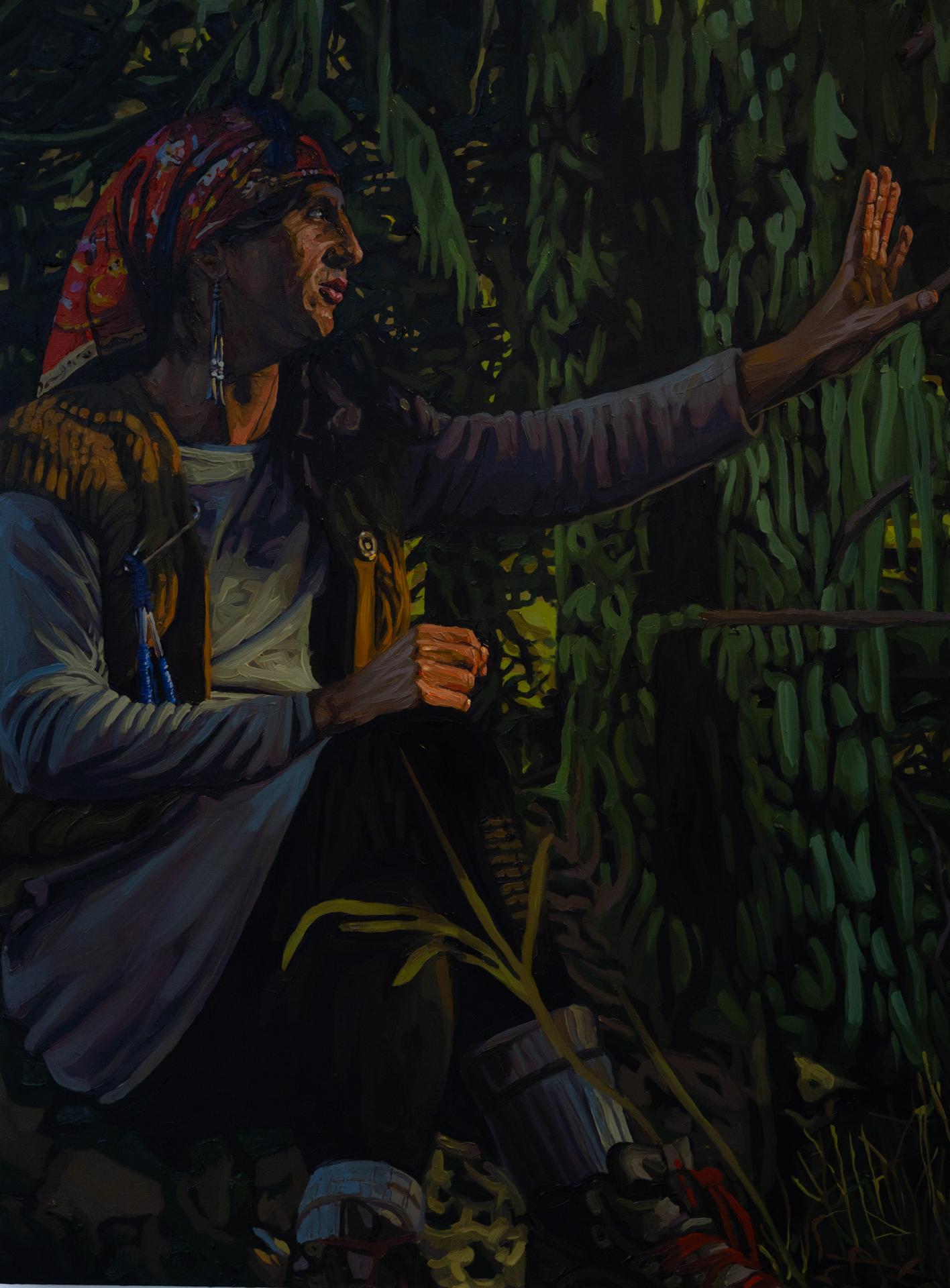
Driven by a commitment to counteract this pervasive invisibility, Poleo embarked on a significant project aimed at documenting the experiences of Indigenous gender-diverse individuals and preserving their memories and worldviews.
-
Phase One: Rural Engagements (Specific Date Range Unspecified, assumed recent past)
- Poleo traveled extensively throughout the rural areas of Ngulumapu, engaging directly with individuals in their homes.
- Utilizing the ñtxam methodology, deep conversations were held to explore each person’s relationship with their communities, territories, and their unique ways of understanding and navigating the world.
- During these encounters, Poleo created live portraits, captured audiovisual recordings, and conducted interviews. A notable focus was placed on exploring participants’ connections with their grandmothers, recognizing them as vital carriers of ancestral knowledge.
- Photographs taken during these meetings served as foundational references for the subsequent creation of artworks in Poleo’s studio.
-
Phase Two: Urban Explorations (Specific Date Range Unspecified, following Phase One)
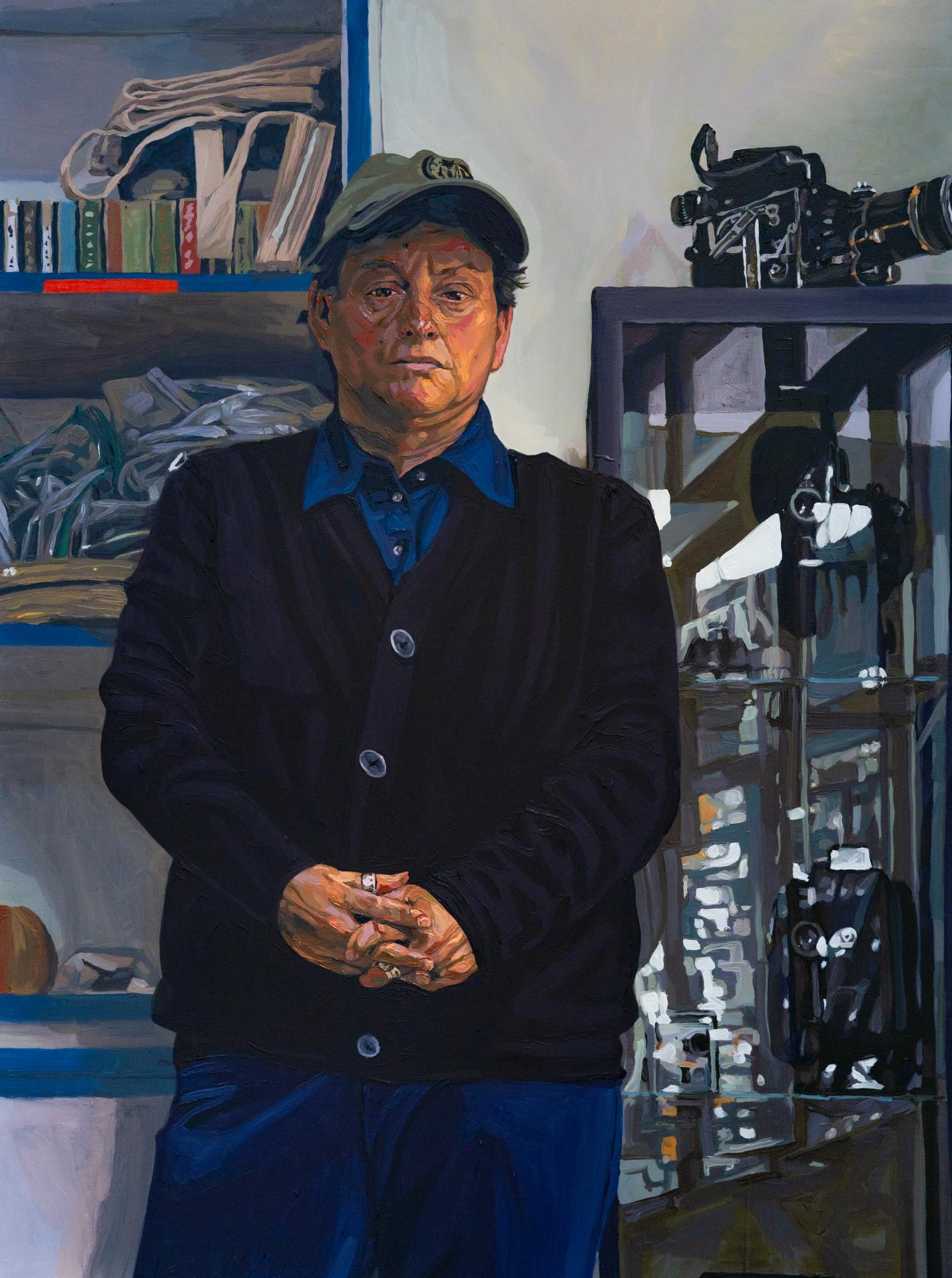
- The research expanded to urban centers such as Santiago and Arica.
- In these cities, Poleo focused on portraying Indigenous and Afro-descendant gender-diverse individuals residing in urban contexts.
- The ñtxam practice continued to be the central methodology, facilitating an understanding of their life journeys and personal experiences.
- The individuals portrayed represented a diverse spectrum of professions and leadership roles, including singers, lawyers, performers, makeup artists, Indigenous leaders, painters, educators, researchers, scientists, dancers, and security guards. This diversity underscored the multifaceted presence of Indigenous gender-diverse people in contemporary society.
The culmination of this extensive research and artistic endeavor is a profound collection of portraits, narratives, and audiovisual records. This body of work effectively places ancestral gender diversity firmly in the present, actively challenging the colonial narratives that have historically erased such experiences. More than a mere exhibition of artworks, Poleo’s project functions as a living archive, a dynamic repository that strengthens representation, fosters respect for Indigenous gender and sexual diversity, and powerfully demonstrates that Indigenous knowledge, memories, and identities are not static relics of the past but are continuously being created and transformed across both rural territories and burgeoning urban landscapes. The project’s implications extend to fostering intergenerational dialogue and providing crucial validation for Indigenous gender-diverse individuals who have historically faced marginalization.
Quillay Méndez (Omaguaca): Defending Territory and Identity Through Performance
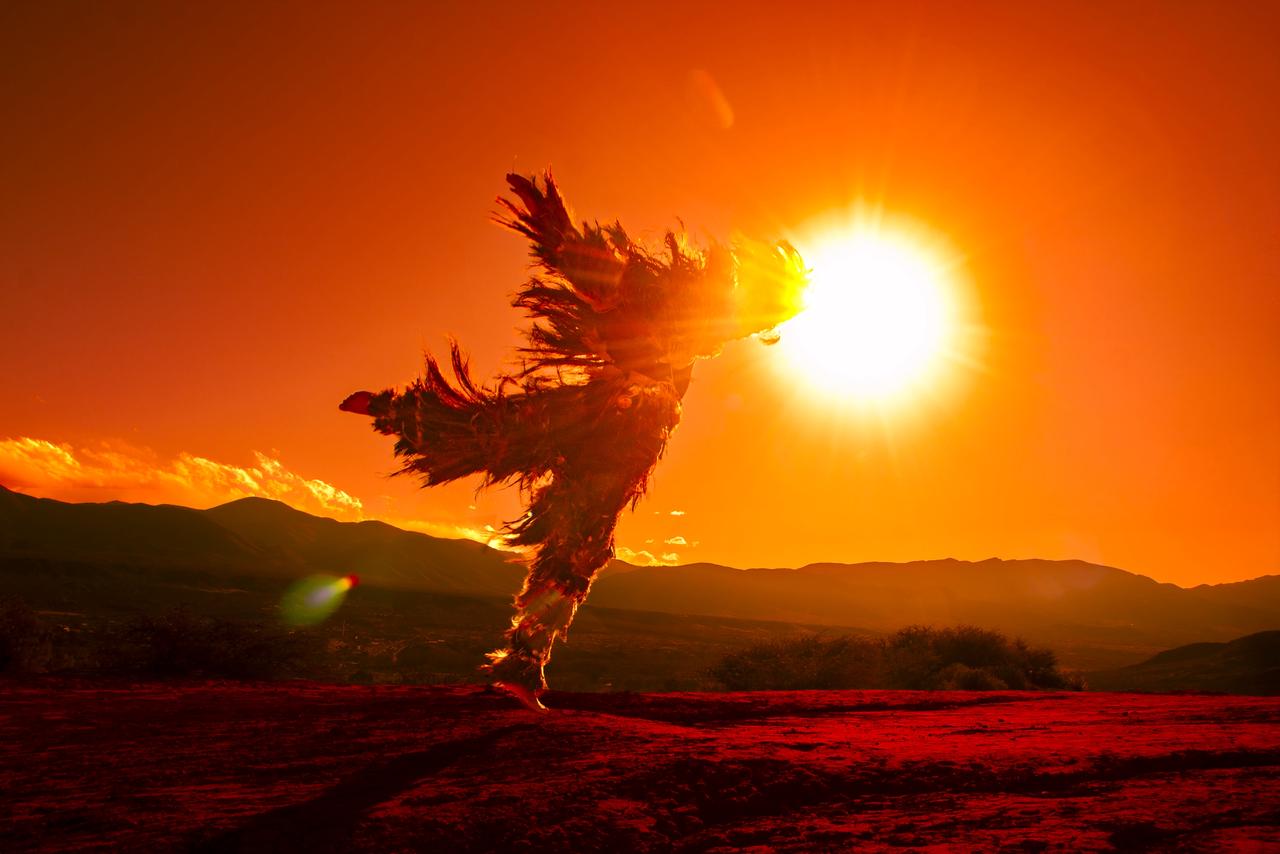
From the Omaguaca Nation in Argentina, Quillay Méndez emerges as a formidable travesti dancer, performer, and researcher. Born in Humahuaca, Jujuy, Quillay’s artistic practice is a profound exploration of the intricate intersections of territory, ancestral memory, race, gender, and performance. Their work creates vital spaces where Indigenous knowledge systems converge with contemporary forms of expression. As a coplera, a traditional folk singer, Quillay channels the potent strength, resonant voice, and ancestral songs inherited from their grandmothers, skillfully transforming these age-old traditions into potent new narratives of resistance and cultural continuity. Through their multifaceted artistic and activist endeavors, Quillay champions the rights of travesti, transgender, and 2SLGBTQ+ communities, advocating for an Afro-Indigenous trans revolution that actively dismantles colonial and patriarchal structures while simultaneously bolstering Indigenous voices and the critical defense of their ancestral territories.
Context of Struggle: Lithium Extraction and Territorial Defense
The Omaguaca Nation, like many Indigenous communities in the region, has a long and resilient history of resisting the pervasive impacts of colonialism and extractive economic systems, steadfastly preserving its unique identity, deeply ingrained traditions, and its profound spiritual connection to its ancestral lands. However, the Puna and Quebrada regions of Jujuy, the ancestral homelands of the Omaguaca Nation and numerous other Indigenous communities, are currently facing escalating threats. The relentless expansion of large-scale mining projects, driven by the lucrative extraction of minerals such as lithium, poses a significant danger to these fragile ecosystems and the cultural integrity of the region.
Timeline of Escalating Threats:
- Historical Context: Centuries of colonial influence and resource exploitation have impacted Indigenous territories.
- Recent Decades: Increased global demand for minerals, particularly lithium for battery technology, has intensified mining operations in the region.
- Current Period: Over 40 Indigenous communities in the region are actively engaged in defending their territorial rights. They are confronting policies and constitutional reforms that demonstrably favor mining expansion. Crucially, these policies often fail to guarantee the recognition of Indigenous autonomy or to establish meaningful processes for consultation and participation.
- Ongoing Impacts: These ongoing struggles highlight the persistent and devastating effects of resource extraction. This not only jeopardizes the delicate balance of ecosystems and the health of community members but also perpetuates historical patterns of dispossession, displacement, and exclusion that have characterized Indigenous experiences for generations.
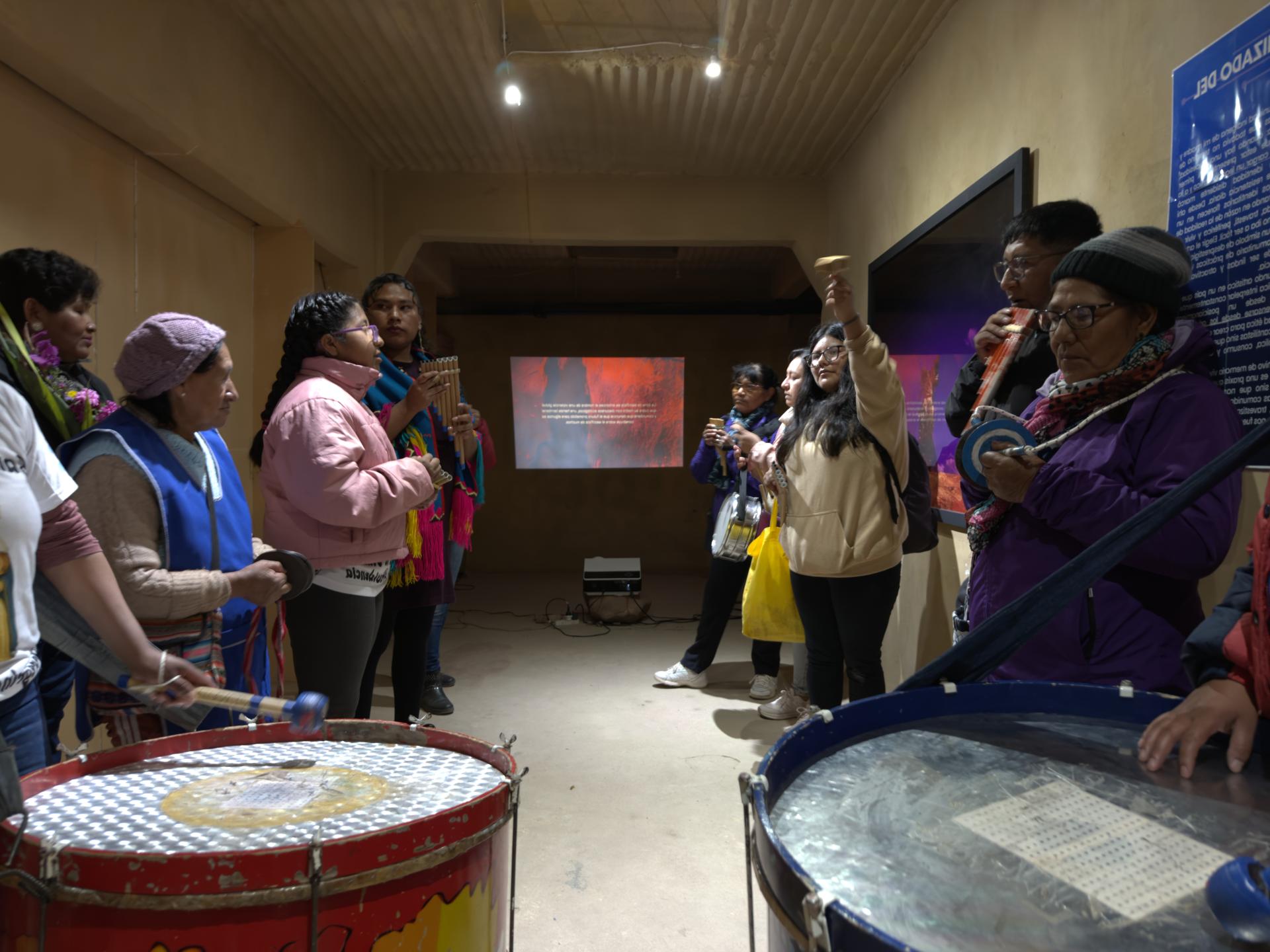
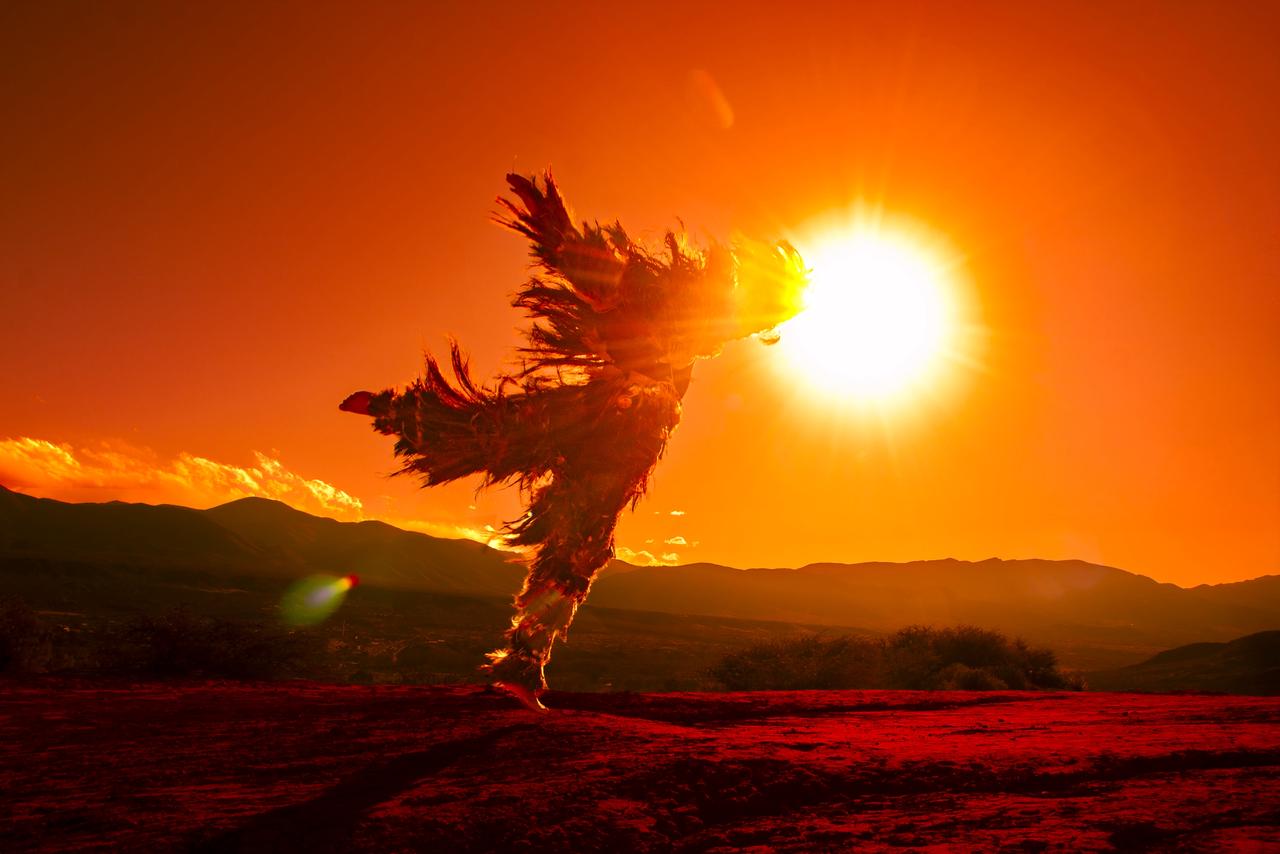
In direct response to the profound invisibility faced by Indigenous communities impacted by intensive lithium extraction in northern Argentina, Quillay conceptualized and brought to life "Suri Lithium." This powerful audiovisual performance directly confronts the devastating social and environmental consequences of mining operations and the systematic dehumanization of Indigenous demands. Through the potent medium of art and performance, "Suri Lithium" boldly reclaims Indigenous identities, shining a spotlight on ancestral knowledge, cherished traditions, and deeply held worldviews. The performance also serves as a crucial catalyst for critical reflection on the exploitative practices surrounding natural resource extraction, framing it as a contemporary manifestation of colonialism. This innovative project artfully constructs a vital dialogue between the pressing struggles of the present day and the enduring echoes of ancestral memories, powerfully illustrating how art can be transformed into an indispensable tool for resistance, education, and the unwavering defense of Indigenous territories.
Collaborative Creation and Broader Impact
The development of "Suri Lithium" was guided by a commitment to inclusivity and collaboration, bringing together a diverse group of individuals. This included local educators, members of Indigenous and Afro-descendant communities, and individuals from the 2SLGBTQ+ community. This collaborative approach reflects Quillay’s deep-seated commitment to fostering collective spaces where a multitude of experiences and diverse forms of knowledge can coexist and flourish. By strategically centering the voices of those who are directly affected by the relentless expansion of extractive industries, the performance actively challenges the dominant, often exclusionary, narratives that have historically marginalized Indigenous perspectives in critical discussions surrounding development, territorial rights, and the sustainable management of natural resources.
Through "Suri Lithium," Quillay has ingeniously crafted an accessible and impactful artistic tool. This performance can be readily shared with educational institutions, various organizations, and within Indigenous territories themselves. Its purpose is to continuously raise awareness, reinforce cultural resistance, and cultivate critical dialogue. Quillay’s work elevates performance to the status of a living practice, one that embodies memory and transformation. It masterfully bridges the gap between ancient ancestral knowledge and the complex realities of contemporary struggles, thereby reaffirming the enduring presence, remarkable resilience, and the inherent sovereignty of both Indigenous communities and gender-diverse peoples. The project’s implications are far-reaching, potentially influencing policy discussions, fostering greater understanding among the general public, and empowering other Indigenous communities to utilize artistic expression for advocacy and self-determination.