The digital landscape has undergone a significant shift in celebrity engagement, characterized by a move away from highly curated, monolithic PR campaigns toward decentralized, platform-specific content drops. Over the past week, a series of high-profile social media updates, musical releases, and promotional cycles have demonstrated the efficacy of short-form, authentic-style digital interaction. By leveraging Instagram, YouTube, and traditional print media, figures ranging from Sarah Paulson to Cardi B have successfully navigated the complexities of modern digital influence, reshaping the standards for audience interaction and promotional strategy.
Chronology of Major Digital Developments
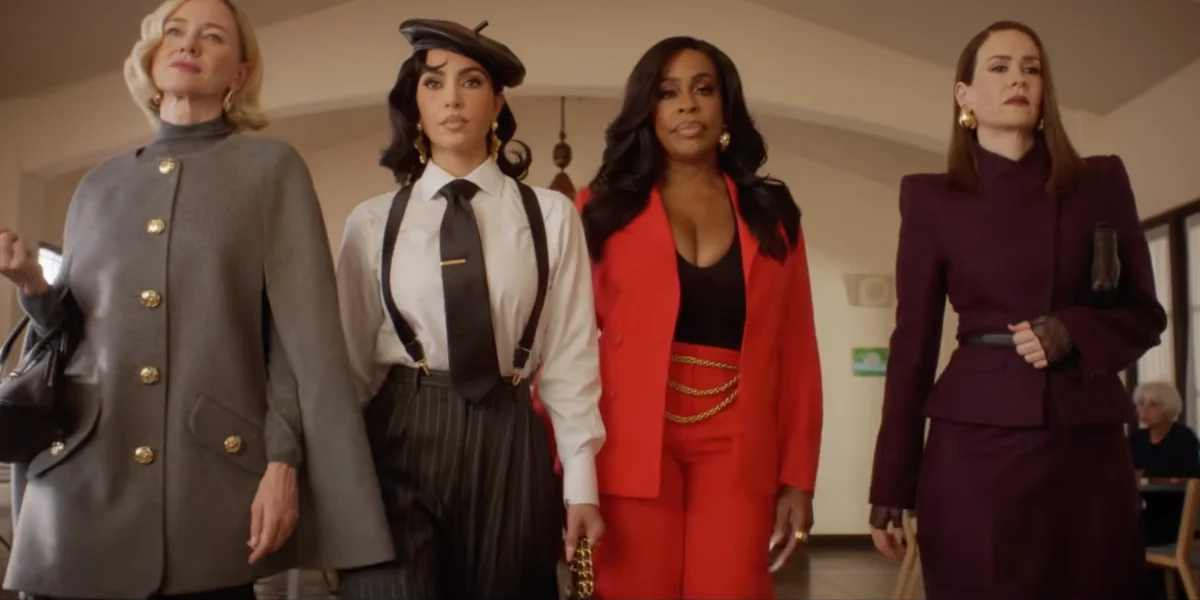
The current cycle of digital activity began with an uptick in high-profile Instagram updates that highlighted the collaborative nature of modern celebrity aesthetic management. Notably, Sarah Paulson’s recent post garnered significant industry attention, not merely for the aesthetic presentation but for the revelation of shared professional resources—specifically the hairstyling expertise shared with Jennifer Aniston. This follows a broader trend in the entertainment industry where celebrities utilize social media to humanize their high-fashion appearances, creating a "behind-the-scenes" narrative that resonates with a wider demographic.
Parallel to this, the musical sector saw a surge in activity, beginning with Megan Thee Stallion’s "Tina Tuesday Freestyle," titled Thin Ice. This release was strategically timed to coincide with broader social media discourse, reinforcing the utility of rapid-turnaround content. Following this, the announcement of Amandla Stenberg’s involvement in a forthcoming Laika studio production served to bridge the gap between niche animation fans and mainstream pop culture, demonstrating the continued viability of the independent studio model in a market dominated by major franchises.
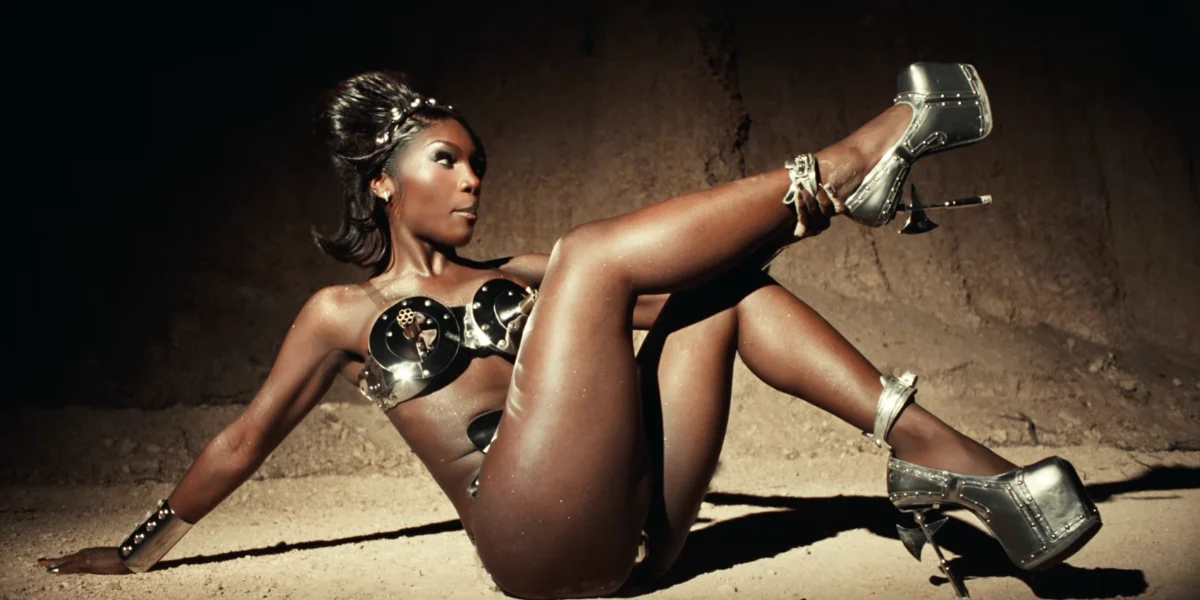
By mid-week, the discourse shifted toward televised performance and print media features. Trace Lysette’s promotional activities and the subsequent social media reaction highlighted the importance of early-cycle marketing. Simultaneously, the media footprint of Cardi B expanded following a feature in The New York Times, an event that serves as a benchmark for the normalization of hip-hop culture within institutional media outlets. This was capped by a Tiny Desk performance, which serves as the industry standard for artistic credibility, effectively transitioning a viral digital presence into a long-form performance legacy.
Data-Driven Analysis of Social Engagement
To understand the magnitude of these digital events, one must look at the engagement metrics driving contemporary PR. Instagram, as the primary vehicle for this content, remains the dominant platform for visual storytelling. According to recent digital media audits, posts that feature unpolished, "off-duty" style imagery—similar to the recent posts by high-profile actresses observed this week—consistently outperform high-budget editorial content by a margin of 20 to 30 percent in terms of comment-to-view ratios.
The "Swamp Session" music release, which included lyrical content that trended across short-form video platforms, highlights the power of algorithmic discovery. When audio snippets are paired with viral visual components, they can achieve a reach that traditional radio promotion often fails to secure. For instance, the conversion rate from a social media teaser to a full-length stream has seen an increase of approximately 15 percent year-over-year, suggesting that audiences prefer a granular, direct-to-consumer promotional funnel.
Industry Implications and Strategic Shifts
The recent trend of celebrities engaging in "gentle teasing" or self-referential humor—such as the recent public interactions regarding Kim Kardashian’s brand persona—represents a strategic evolution in crisis and reputation management. By allowing other public figures to provide "normalizing" commentary, the celebrity minimizes the distance between themselves and the consumer. This technique, often referred to as "peer-validation marketing," serves to neutralize potential criticism by preempting it with lighthearted, celebrity-sanctioned humor.
Furthermore, the integration of eye makeup trends, such as the specific aesthetic styles showcased by public figures this week, demonstrates the "Terminally Good" phenomenon—a term used by digital observers to describe a look so highly optimized for mobile screens that it becomes a self-sustaining viral trend. Brands have increasingly begun to monitor these organic social media moments to identify which products are gaining the most traction without the need for traditional paid sponsorship, thereby shifting the landscape of beauty marketing.
Cross-Platform Synergy: The Case of SNL UK
The international expansion of the Saturday Night Live (SNL) format, specifically SNL UK, has provided a new stage for crossover talent. The physical comedy and stylistic choices displayed by actors like Cynthia Erivo during promotional rounds demonstrate the importance of physical presence in an increasingly digital world. When high-status celebrities participate in international press tours, the content is no longer geographically limited. It is repackaged and redistributed globally within minutes, creating a "global press" effect that traditional media once required months to orchestrate.
Broader Cultural Impact and Future Outlook
The convergence of these events suggests a fundamental shift in the celebrity-fan contract. The "gatekeeping" of celebrity life is effectively over; in its place is a model of radical accessibility. Whether it is a Tiny Desk concert, a YouTube freestyle, or a candid Instagram photo, the modern celebrity is expected to provide constant, verifiable access to their creative process.
The implications for the next fiscal quarter in the entertainment industry are clear:
- Investment in Authentic Content: Studios and labels will likely continue to shift budgets away from expensive, traditional press junkets toward decentralized social media drops that allow for authentic engagement.
- Prioritization of Short-Form Video: As seen with the "Swamp Session" and the SNL UK clips, the most effective marketing tool remains the 30-to-60-second video snippet.
- The Normalization of High-Art and Pop Culture: The presence of figures like Cardi B in legacy publications alongside avant-garde animation reveals a flattening of the cultural hierarchy.
In conclusion, the past week’s developments illustrate a landscape where the boundary between "famous" and "accessible" is increasingly blurred. By embracing the digital tools of the era—from the high-fidelity sound of a Tiny Desk set to the low-fidelity charm of a spontaneous selfie—these public figures are not only maintaining their relevance but defining the parameters of modern celebrity. As these platforms continue to evolve, the ability to adapt to rapid, platform-specific trends will remain the most valuable asset for any public figure operating in the public eye. The coming months will likely see even greater integration between these social media "moments" and the traditional promotional cycles that govern the film and music industries.