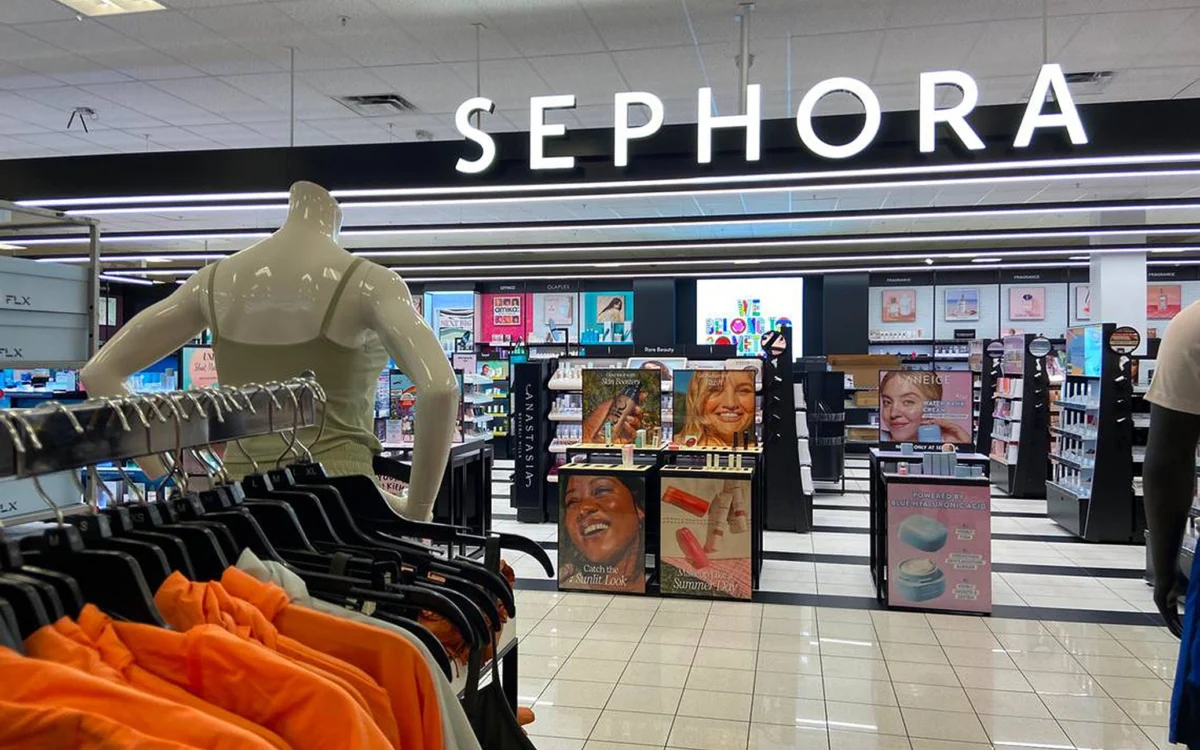
Sephora, a global beauty retail giant, has announced a significant expansion of its commitment to inclusivity by introducing "quiet hours" across all its stores worldwide. This initiative aims to create a more welcoming and accessible shopping environment for neurodivergent individuals and those with sensory sensitivities. The move, which follows a successful pilot program, represents a proactive step by the beauty industry to acknowledge and cater to a broader spectrum of consumer needs, setting a precedent for other retailers.
A Shift Towards Sensory-Inclusive Retail
The introduction of quiet hours at Sephora involves intentionally reducing sensory stimuli within stores during designated periods. This typically includes lowering music volume, dimming bright lights, and minimizing visual distractions on digital displays. The goal is to provide a calmer, more predictable shopping experience for individuals who may find typical retail environments overwhelming due to sensory processing differences. This approach is rooted in the understanding that for many, sensory overload can be a significant barrier to engaging in everyday activities, including shopping for personal care items.
The decision to implement this policy globally is a direct response to feedback gathered from the neurodiversity community and internal employee resource groups. Sephora collaborated with specialized agencies, including Open Inclusion, known for its expertise in disability inclusion consulting, and Purposeful Futures, a business consulting firm. This collaborative approach underscores a commitment to ensuring that the initiative is not only well-intentioned but also effective and authentically addresses the needs of the target demographic.
Deborah Yeh, Global Chief Marketing Officer at Sephora, articulated the company’s vision: "With quiet hours at Sephora, we provide a beautifully calm atmosphere where clients feel welcome, allowing them to shop at their own pace, find and purchase the products they love. Quiet hours at Sephora is one meaningful step in our ongoing commitment to building more welcoming environments for our employees, consumers and communities." This statement highlights the dual benefit of the initiative: enhancing the customer experience while reinforcing Sephora’s broader corporate social responsibility goals.
The Genesis of the Initiative: From Pilot to Global Rollout
The global implementation of quiet hours at Sephora is the culmination of a carefully orchestrated pilot program. This trial phase, conducted across 32 stores in eight distinct markets, provided invaluable data and insights into the operational and customer impact of sensory-friendly hours. The success of this pilot demonstrated the viability and positive reception of the concept, paving the way for its widespread adoption.
The timeline leading to this global announcement indicates a strategic and phased approach:
- Initial Consultation and Research: Sephora engaged with disability inclusion experts and internal employee groups to understand the challenges faced by neurodivergent shoppers and employees. This phase likely involved extensive dialogue, surveys, and possibly observational studies.
- Pilot Program Design and Execution: Based on the initial research, a structured pilot program was developed. This involved selecting diverse store locations to gather varied market feedback and operational data.
- Data Analysis and Refinement: The results from the pilot program were meticulously analyzed. This likely included customer feedback, sales data, and operational efficiency metrics. Based on this analysis, adjustments were made to optimize the quiet hours protocol.
- Global Expansion Planning: With a refined model and proven success, Sephora initiated the planning for a worldwide rollout, coordinating with international teams to ensure consistent implementation across its vast store network.
- Global Launch Announcement: The formal announcement of the global quiet hours initiative marks the official commencement of this inclusive retail strategy.
Christine Hemphill of Open Inclusion emphasized the significance of this collaborative effort, stating, "By listening directly to neurodivergent and sensory-sensitive beauty customers across five countries, we uncovered clear opportunities to rethink what more inclusive beauty retail spaces look, sound and feel like. This is the future of retail." This sentiment suggests that Sephora’s initiative is not merely a response to current trends but a forward-thinking move that anticipates evolving consumer expectations and market demands for greater inclusivity.
Broader Context: The Rise of Sensory-Friendly Practices
Sephora’s move positions it as a leader in the beauty retail sector by being the first to introduce quiet hours on a global scale. However, the concept of sensory-friendly or quiet hours is not new and has been gaining traction across various industries. This trend reflects a growing societal awareness of neurodiversity and the need for accommodations that support individuals with disabilities.
- Retail Sector: Major retailers like Walmart have made sensory-friendly hours a permanent fixture in their operations. Walmart offers two hours of reduced sensory stimulation daily at all its locations, providing a consistent opportunity for individuals to shop in a less overwhelming environment. This widespread adoption by a large-scale retailer signals a significant shift in how mainstream businesses perceive and address sensory needs.
- Entertainment and Hospitality: The entertainment industry has also embraced this concept. Amusement parks and family entertainment centers, such as Chuck E. Cheese and Sesame Place, have introduced "low sensory days" or special programming to accommodate guests with sensory sensitivities. These events often feature modified lighting, reduced noise levels, and controlled crowd sizes, creating a more comfortable experience.
- Educational Institutions: While not directly related to retail, the growing implementation of sensory rooms and strategies in schools highlights a broader societal recognition of sensory needs, particularly among children. This awareness is increasingly translating into consumer-facing businesses seeking to replicate these supportive environments.
The increasing prevalence of these initiatives suggests a growing understanding that inclusivity extends beyond physical accessibility to encompass sensory and cognitive considerations. For businesses, adopting such practices can lead to several benefits, including enhanced brand reputation, increased customer loyalty, and access to a previously underserved market segment.
Supporting Data and the Neurodiversity Market
The neurodiversity market, encompassing individuals with conditions such as autism, ADHD, dyslexia, and others, represents a significant and often overlooked consumer demographic. While precise figures for spending by neurodivergent individuals can be challenging to isolate, estimates suggest a substantial economic impact.
- Prevalence: According to the Centers for Disease Control and Prevention (CDC), approximately 1 in 36 children in the United States are identified with autism spectrum disorder (ASD). ADHD is also highly prevalent, affecting an estimated 6.1 million children and 3.6 million adults in the U.S. These figures represent a considerable portion of the population.
- Consumer Behavior: Neurodivergent individuals often seek out businesses that demonstrate a commitment to accessibility and understanding. When a brand aligns with these values, it can foster strong brand loyalty. Furthermore, families and friends of neurodivergent individuals are also likely to support businesses that cater to their loved ones’ needs.
- Economic Impact: While direct spending data is limited, the broader disability market, which includes neurodivergent individuals, is estimated to have trillions of dollars in disposable income globally. Companies that actively engage with this market stand to gain a significant competitive advantage.
Sephora’s proactive approach to accommodating neurodivergent shoppers aligns with the growing trend of businesses recognizing the economic and social imperative of inclusivity. By making its stores more accessible, Sephora is not only demonstrating social responsibility but also tapping into a market that values understanding and accommodation.
Analysis of Implications
Sephora’s global quiet hours initiative carries significant implications for both the company and the broader retail landscape:
For Sephora:
- Enhanced Brand Image and Loyalty: By demonstrating a tangible commitment to inclusivity, Sephora can solidify its reputation as a socially conscious and customer-centric brand. This can lead to increased customer loyalty among neurodivergent individuals and their allies, as well as attract new customers who prioritize ethical business practices.
- Competitive Differentiation: As the first beauty retailer to implement this on a global scale, Sephora sets itself apart from competitors. This move could pressure other beauty brands and retailers to follow suit, potentially driving a wider industry shift towards sensory inclusivity.
- Employee Benefits: The initiative also benefits Sephora’s employees. Creating a calmer work environment can reduce stress and improve the overall well-being and productivity of staff, particularly those who may also be neurodivergent or sensitive to sensory stimuli. This can contribute to lower employee turnover and a more positive workplace culture.
- Operational Insights: The global rollout will provide Sephora with extensive data on how quiet hours impact sales, customer engagement, and operational efficiency across diverse markets and cultural contexts. This data can inform future inclusive strategies and operational adjustments.
For the Broader Retail Industry:
- Industry Standard Setting: Sephora’s move could elevate sensory inclusivity from a niche consideration to a mainstream expectation within the retail sector. This could catalyze other businesses to adopt similar practices to remain competitive and relevant.
- Increased Consumer Expectations: As more consumers become aware of sensory-friendly options, their expectations for accessibility and accommodation will likely rise across all retail environments. This could lead to a broader push for universal design principles in retail spaces.
- Economic Opportunities: The initiative highlights the economic potential of the neurodiversity market. Businesses that proactively address the needs of this demographic may unlock new revenue streams and market segments.
- Shift in Retail Design: The success of quiet hours might influence future retail store design, encouraging architects and designers to incorporate elements that promote sensory well-being, such as adjustable lighting, acoustic considerations, and designated quiet zones.
Conclusion
Sephora’s global quiet hours initiative is a landmark development in the ongoing effort to create more inclusive retail environments. By actively listening to the neurodiversity community and collaborating with experts, the beauty giant has taken a significant step towards removing barriers and fostering a sense of belonging for a diverse customer base. This forward-thinking approach not only enhances the shopping experience for neurodivergent individuals but also signals a broader industry shift towards a more understanding and accommodating future for retail. As other businesses observe the positive impact of such initiatives, the trend towards sensory inclusivity is poised to become an integral part of the modern retail landscape, demonstrating that thoughtful design and genuine empathy can drive both social good and business success.