The global fashion landscape has entered a period of heightened activity as major metropolitan centers host seasonal collections, drawing significant attention from the entertainment industry. This biannual circuit—comprising New York, London, Milan, and Paris—serves as the primary platform for luxury houses to unveil their latest creative directions. Recent social media documentation from prominent figures highlights a deepening integration between mainstream celebrities and the runway, shifting the traditional dynamic of the front row to active participation in brand identity and runway presentation.
The Evolution of the Front Row and Runway Participation
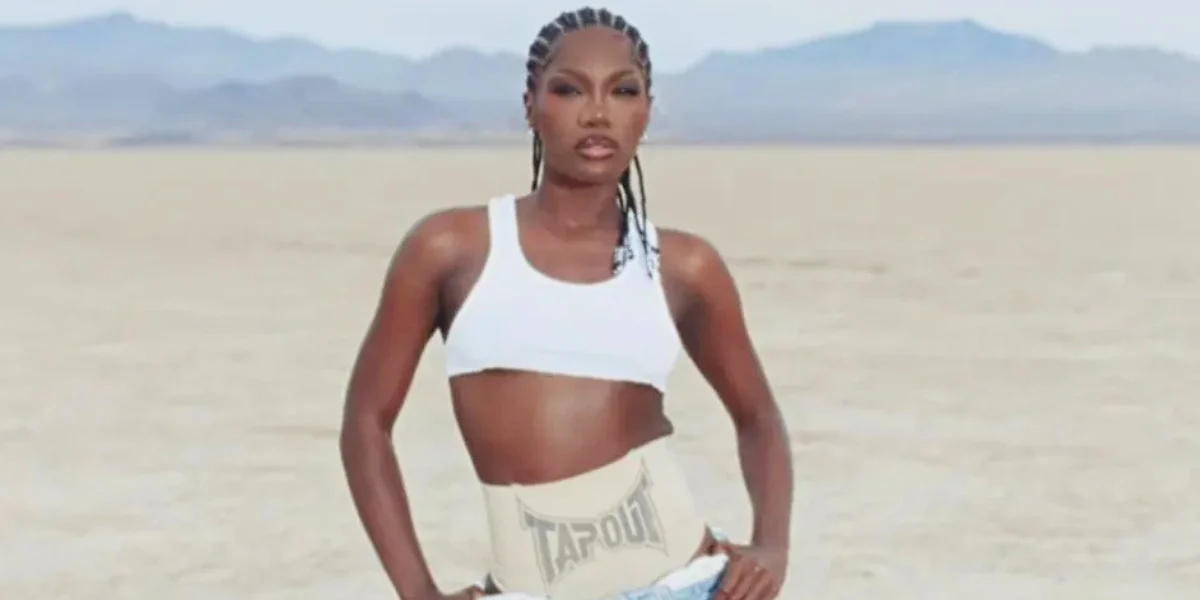
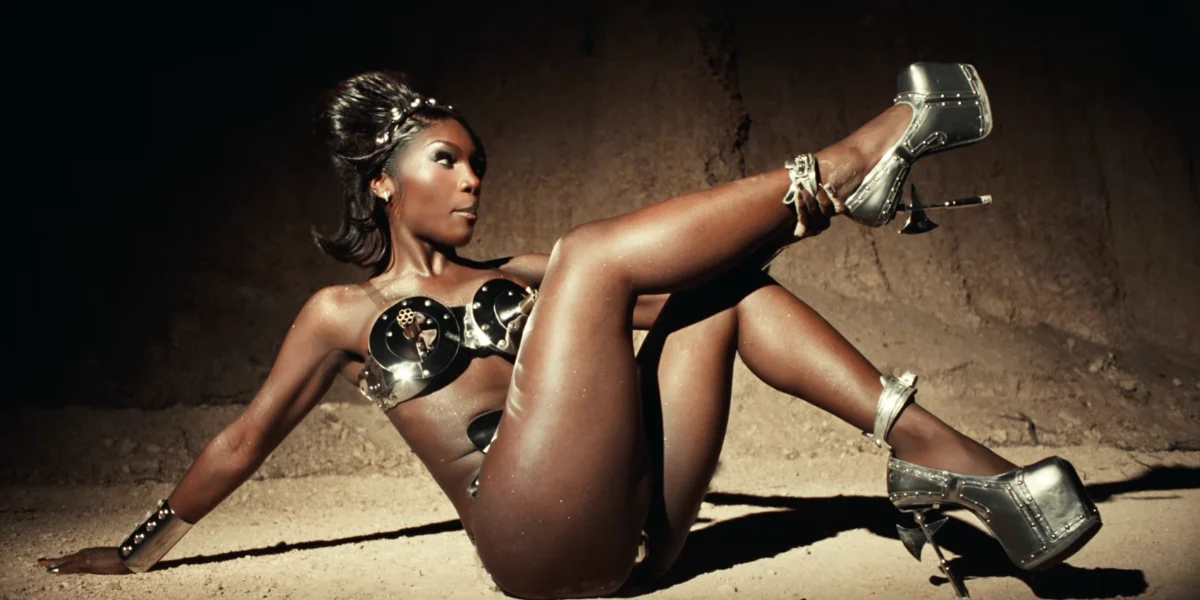
Historically, the front row at fashion weeks was reserved for high-profile editors, buyers, and a select few muses. In the current media landscape, however, the role of the celebrity has shifted from passive observer to key brand ambassador. Figures such as Hannah Einbinder and Janelle Monáe have utilized their platforms to provide real-time commentary and behind-the-scenes access to major shows, including Givenchy.
This trend reflects a broader strategic pivot by luxury conglomerates. According to recent data from Launchmetrics, the media impact value (MIV) generated by celebrity attendees often exceeds that of traditional advertising campaigns. By embedding stars like Monáe into the narrative of a show, brands secure immediate, high-engagement digital reach. This shift is not merely performative; it is a calculated effort to align heritage luxury brands with contemporary pop culture icons to ensure relevance among younger demographics who prioritize social proof over legacy marketing.
Chronology of Recent High-Profile Appearances
The past week has seen a rapid succession of public appearances that underscore this transition:
- Early Week: Media coverage began with celebrity arrivals at key venues, characterized by high-fashion styling that signaled the start of the seasonal festivities.
- Mid-Week: The focus shifted toward specific runway appearances. Observers noted that the threshold for celebrities moving from "invited guest" to "runway model" has become increasingly permeable. This suggests that brands are leveraging their talent pool to generate "viral moments" that drive news cycles beyond the fashion industry press.
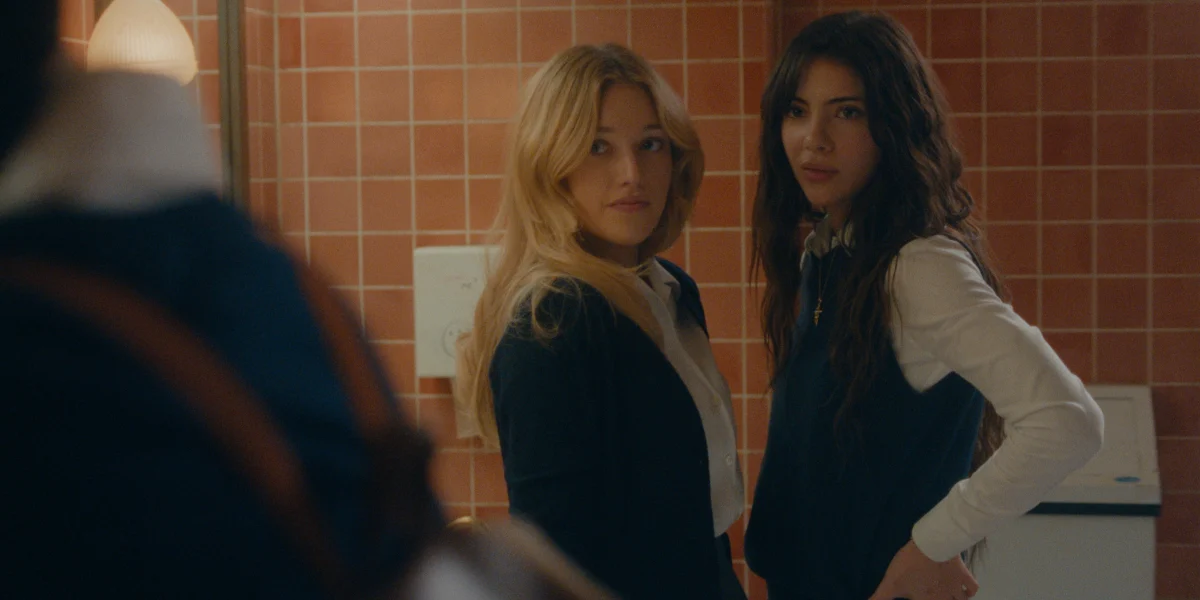
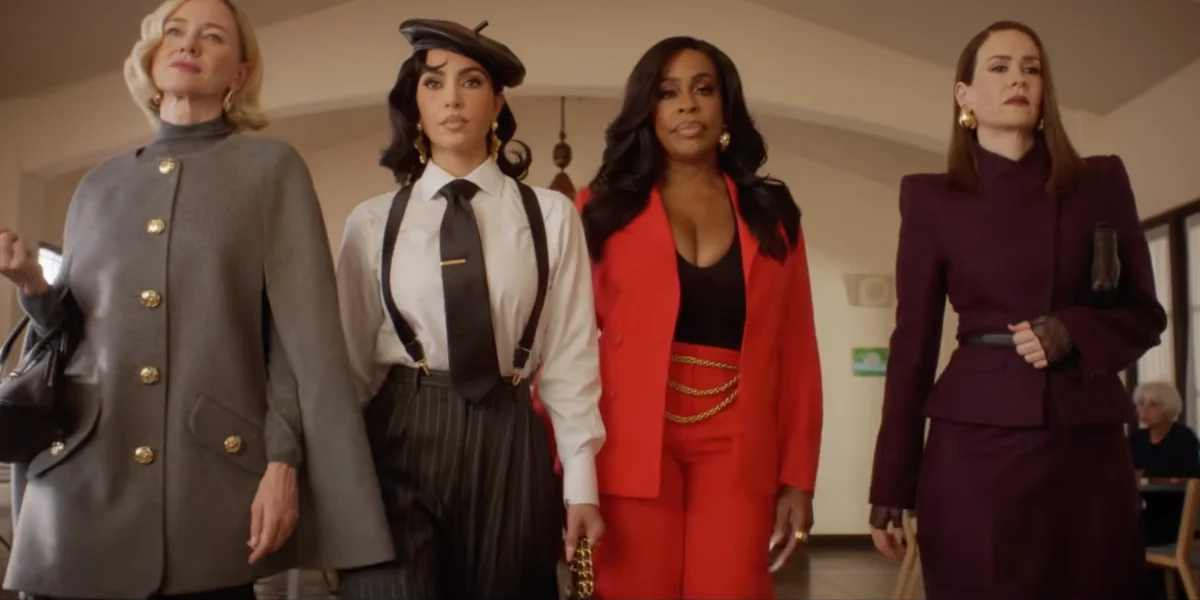
- Late Week: The focus shifted toward television and media project announcements, including the promotion of the upcoming season of All’s Fair. The inclusion of diverse casting, specifically the integration of drag performers, signals a broader industry move toward inclusive casting as a commercial strategy.
The Commercial Strategy Behind All’s Fair
The announcement regarding the continuation of the television production All’s Fair offers a case study in modern entertainment marketing. By leveraging the existing social media followings of its cast and integrating well-known figures from the drag performance circuit, the production team has successfully managed to sustain public interest.
Fact-based analysis suggests that this strategy is designed to mitigate the risks associated with modern episodic television. By diversifying the cast to include performance artists with pre-existing, highly loyal fan bases, the production secures a "built-in" audience, reducing the reliance on traditional marketing spend. The inclusion of drag performers—who are increasingly becoming central to mainstream fashion and media narratives—indicates that the production is catering to an audience that values intersectional representation.
Analysis of Trend Cycles and Public Perception
While the industry maintains a high pace, the reception of these trends varies significantly across digital platforms. The discourse surrounding personal aesthetics—such as the critique of specific hair styling choices observed on social media—highlights the volatile nature of celebrity image management.
When public figures transition from standard grooming to experimental styling, it often serves as a point of contention for followers. For brands, this level of scrutiny is a double-edged sword. While it drives engagement numbers—metrics that brands report to shareholders—it also introduces a degree of unpredictability. A celebrity’s aesthetic choice can be perceived as either a trend-setting moment or a misstep, depending on the current climate of online discourse.
Broader Implications for the Fashion Industry
The integration of celebrities into the core of fashion week serves as a critical revenue driver. A 2023 report from the Boston Consulting Group noted that luxury brands are increasingly prioritizing "experiential marketing" to combat a cooling luxury market. By transforming fashion shows into media spectacles featuring high-profile personalities, brands provide the necessary "content" for a digital-first audience.
This strategy, however, raises questions regarding the sustainability of the current model. As fashion weeks become increasingly focused on social media visibility rather than exclusively on design innovation, the industry faces the challenge of balancing commercial necessity with creative integrity. The presence of performers at these shows is no longer incidental; it is central to the business model of the 21st-century runway.
Official Responses and Industry Outlook
While official representatives for the luxury houses involved have remained focused on the aesthetic merits of the new collections, the underlying subtext is clear: the convergence of entertainment and fashion is now permanent. The ability of a show to generate buzz on platforms like Instagram and TikTok is now a key performance indicator for creative directors and marketing executives alike.
As the season progresses, analysts expect to see an increase in similar collaborations. The reliance on cross-media promotion—where an actor’s television project is highlighted alongside their presence at a fashion show—creates a recursive feedback loop. This loop keeps the talent in the public consciousness, keeps the brand in the digital conversation, and provides the audience with a continuous stream of curated content.
Conclusion: The Future of Celebrity-Brand Synergy
The recent events at various fashion week showcases confirm that the line between spectator and participant has all but vanished. The industry’s shift toward utilizing celebrity social capital as a proxy for brand value is a testament to the changing habits of global consumers.
Looking forward, the success of these ventures will likely depend on the authenticity of these partnerships. As audiences become more adept at identifying manufactured hype, brands that prioritize long-term relationships with talent—rather than short-term viral placements—may find more consistent success. For now, the integration of television, drag performance, and high fashion serves as the blueprint for how major brands intend to maintain their market position in an increasingly crowded and noisy digital landscape. The season’s events represent not just a change in style, but a fundamental shift in how cultural relevance is manufactured, measured, and monetized in the contemporary economy.