The Child’s Play franchise stands as a singular anomaly in the landscape of American horror cinema, defined by a thematic evolution that mirrors broader shifts in cultural discourse regarding identity, bodily autonomy, and the critique of consumerist power structures. Since the debut of the original film in 1988, the series has maintained a consistent creative core through the sustained involvement of screenwriter Don Mancini, who has served as the architect of the franchise’s narrative arc for over three decades. This continuity has allowed the series to transition from a straightforward 1980s slasher premise into a sophisticated, camp-inflected exploration of queer identity and social marginalization.
A Chronology of the Chucky Franchise
The franchise began in 1988 with the release of Child’s Play, directed by Tom Holland. The film centered on the concept of a "Good Guy" doll possessed by the spirit of a serial killer, a premise that tapped into late-80s anxieties surrounding mass-produced consumer goods and the fragility of parental oversight. Over the following thirty-six years, the series expanded significantly:
- 1988: Child’s Play introduces the world to Charles Lee Ray and his transition into the Chucky doll.
- 1990: Child’s Play 2 shifts the focus to the institutional failures of the foster care system.
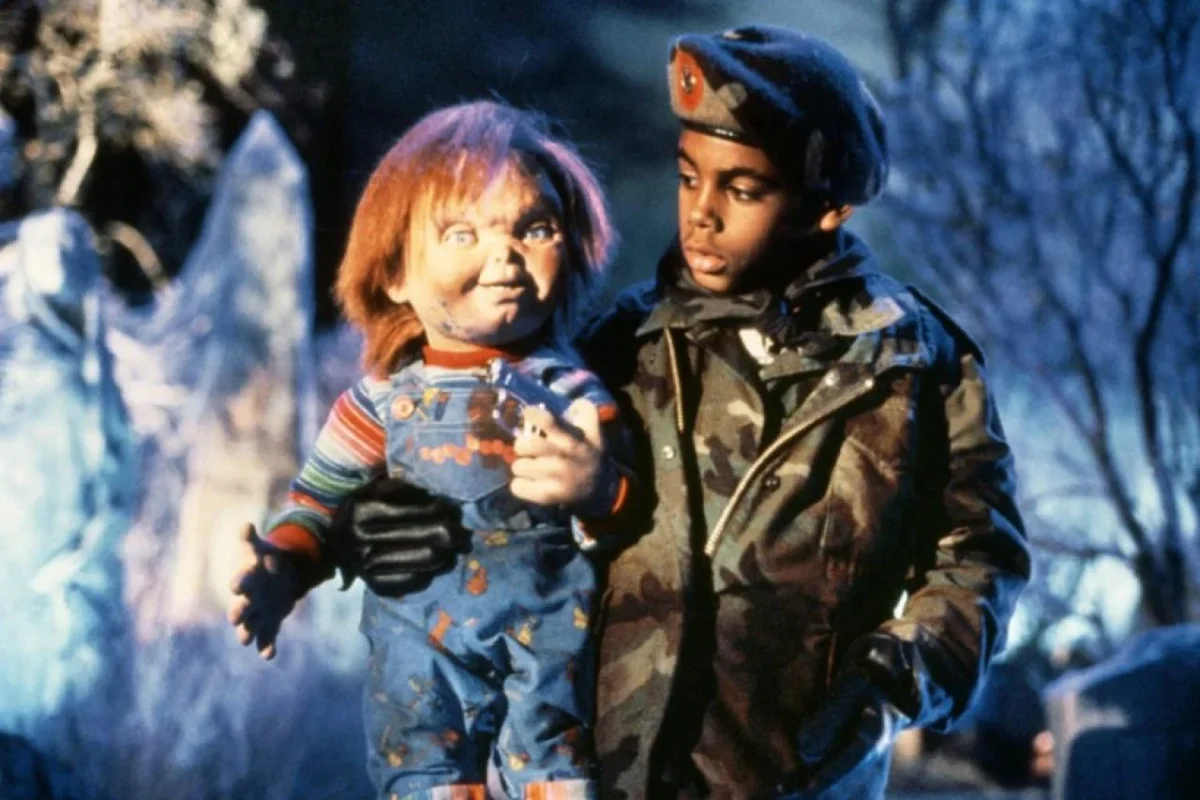
- 1991: Child’s Play 3 moves the setting to a military academy, exploring themes of hyper-masculinity and institutional conformity.
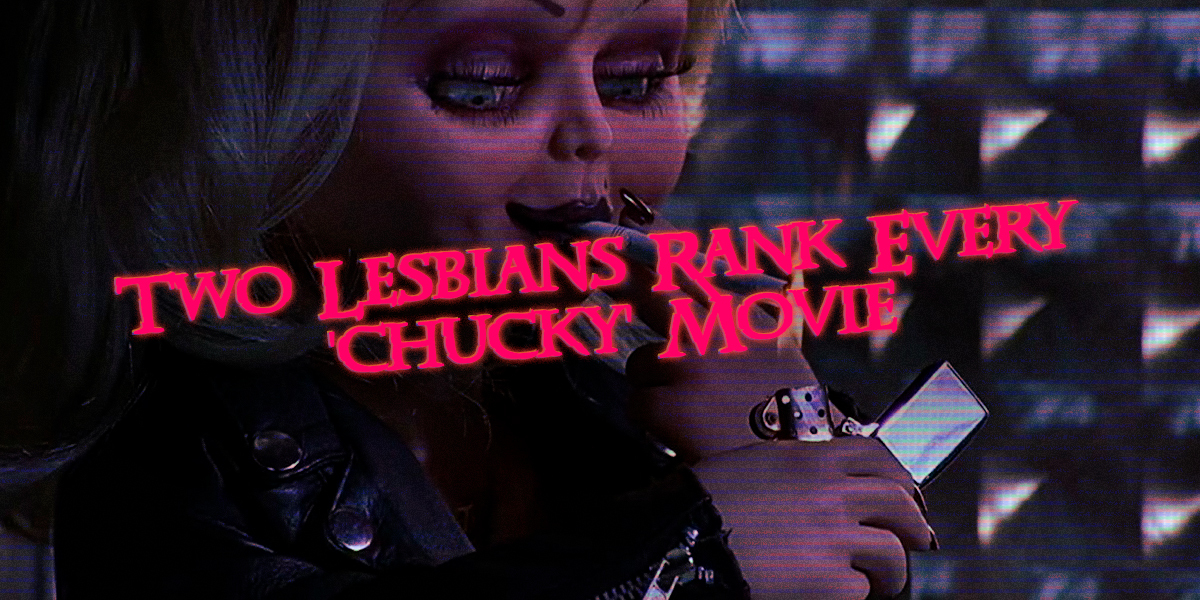
- 1998: Bride of Chucky marks a pivotal tonal shift, introducing Jennifer Tilly as Tiffany Valentine and leaning heavily into self-aware, genre-defying camp.
- 2004: Seed of Chucky pushes the franchise into meta-commentary, addressing themes of gender identity and non-traditional family structures.
- 2013: Curse of Chucky re-grounds the franchise, introducing Nica Pierce and focusing on the systemic gaslighting of individuals with disabilities.
- 2017: Cult of Chucky expands the psychological horror elements, utilizing a clinical setting to examine the weaponization of mental health narratives.
- 2019: A standalone remake of Child’s Play shifts the origin of the antagonist to an AI-driven smart toy, reflecting modern concerns regarding surveillance capitalism.
- 2021–2024: The Chucky television series further integrates the franchise’s legacy with modern queer narratives, solidifying its place as a cornerstone of LGBTQ+ horror.
Thematic Evolution and Social Commentary
The enduring relevance of the franchise is largely attributed to its willingness to confront uncomfortable cultural biases. While the superficial premise involves a murderous doll, the underlying conflict frequently centers on the lack of credibility afforded to marginalized groups. In the early entries, the narrative arc revolves around the inability of adults to listen to the testimony of children. As the series progressed, Mancini pivoted toward the experiences of disabled protagonists, specifically with the introduction of Nica Pierce (played by Fiona Dourif).
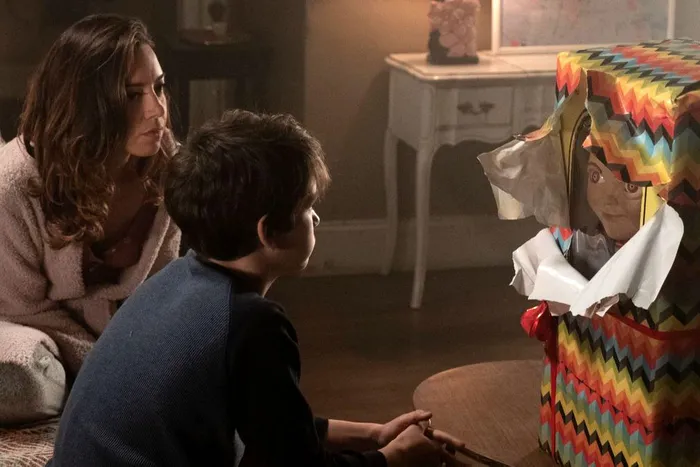
The depiction of Nica is a notable departure from traditional horror tropes; the films analyze how disabled individuals are frequently infantilized or labeled as mentally unstable when they attempt to report objective reality. This narrative strategy transforms the horror from a physical threat—the knife-wielding doll—into an existential threat: the terror of being systematically disbelieved by those in power. By grounding the "silliness" of a possessed doll in these very real-world sociological struggles, the series maintains a sharp, critical edge that elevates it above standard slasher fare.
The Impact of Jennifer Tilly and Meta-Horror
The inclusion of Jennifer Tilly in the 1998 installment, Bride of Chucky, served as the catalyst for the franchise’s successful pivot toward camp. Tilly’s performance as Tiffany Valentine provided a foil for the franchise’s titular villain, introducing a level of emotional depth and performative artifice that defined the series for the next quarter-century. This development effectively decoupled the franchise from the rigid, humorless tropes of the 1980s slasher genre.
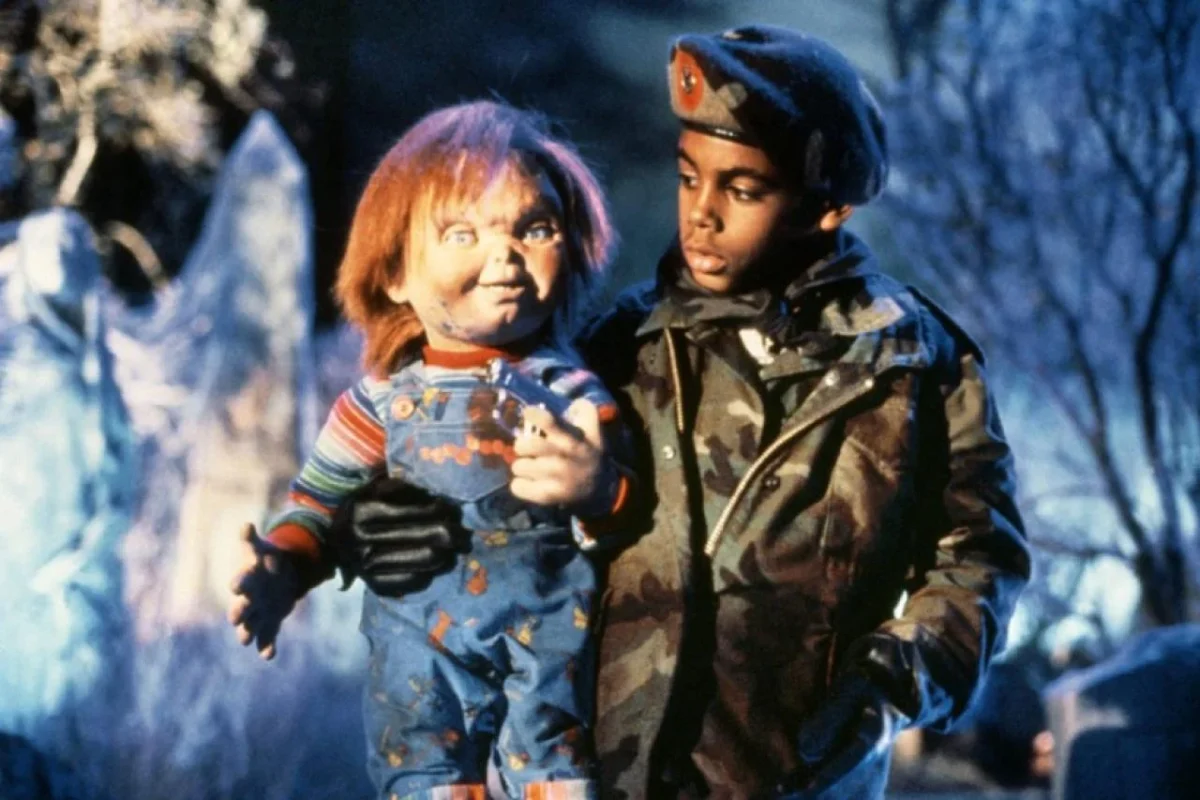
Analysis from genre historians suggests that this pivot was essential to the franchise’s longevity. By embracing the absurdity of its own premise, the series was able to comment on the nature of fandom, Hollywood production, and the performance of gender. The 2004 film, Seed of Chucky, is widely cited by critics as a landmark in this regard, specifically for its nuanced exploration of trans-identity through the character of Glen/Glenda. At a time when mainstream horror was largely reticent to engage with such topics, the film offered a sincere, albeit surreal, look at the struggle for self-actualization.
Critical Assessment of the Filmography
The franchise is rarely judged by the standard metrics of box-office performance alone; rather, it is evaluated by its internal consistency and its commitment to the "Chucky-verse" lore.

The 2019 Child’s Play remake, while technically proficient, occupies a lower tier for many enthusiasts due to its departure from the established Mancini-led canon. Its focus on the dangers of "smart home" technology and surveillance is intellectually sound, yet the film struggles with the "hero cop" trope, which critics argue undermines the critique of power structures inherent in the rest of the series.
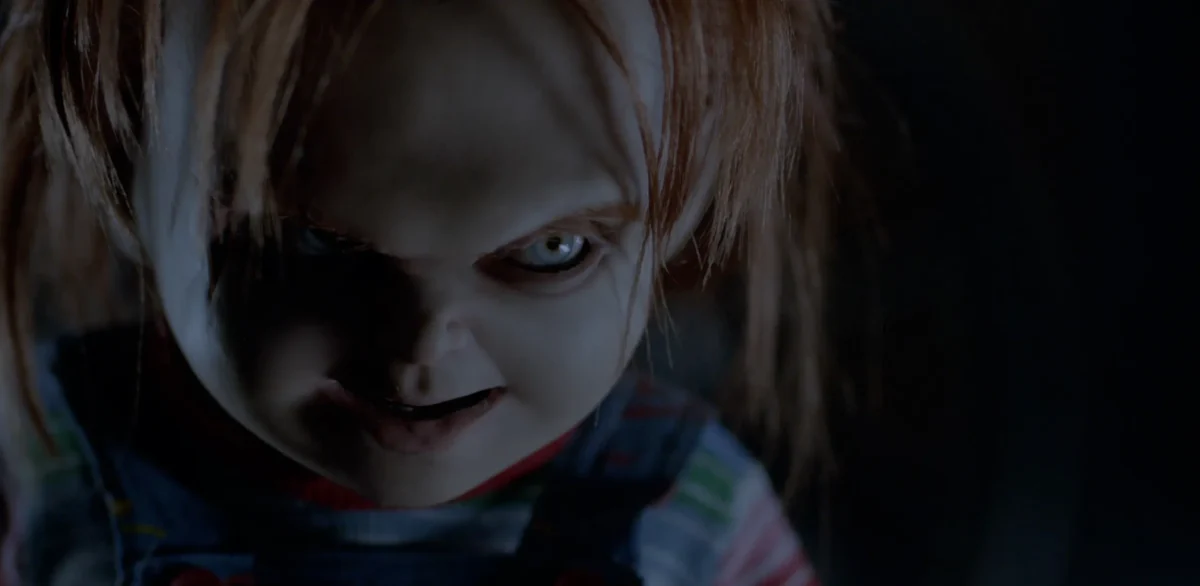
Conversely, films like 2017’s Cult of Chucky are frequently highlighted for their claustrophobic, psychological intensity. By moving the action to a psychiatric institution, the film creates a environment where the lines between delusion and reality are purposefully blurred. The film’s success is bolstered by the chemistry between Fiona Dourif and Jennifer Tilly, whose performances are seen as the emotional heartbeat of the later franchise.
Broader Implications and Legacy
The Chucky franchise functions as a bridge between the classic slasher era and the modern era of queer-coded horror. Its ability to pivot between different sub-genres—from the suspense-heavy psychological thriller to the meta-textual comedy—has allowed it to retain a diverse and multi-generational fanbase.
Industry analysts point to the longevity of Brad Dourif’s voice work as the primary tether for the series. Dourif’s performance has remained the constant, providing a vocal consistency that allows the tonal shifts to feel like an intentional evolution rather than a frantic attempt to remain relevant.
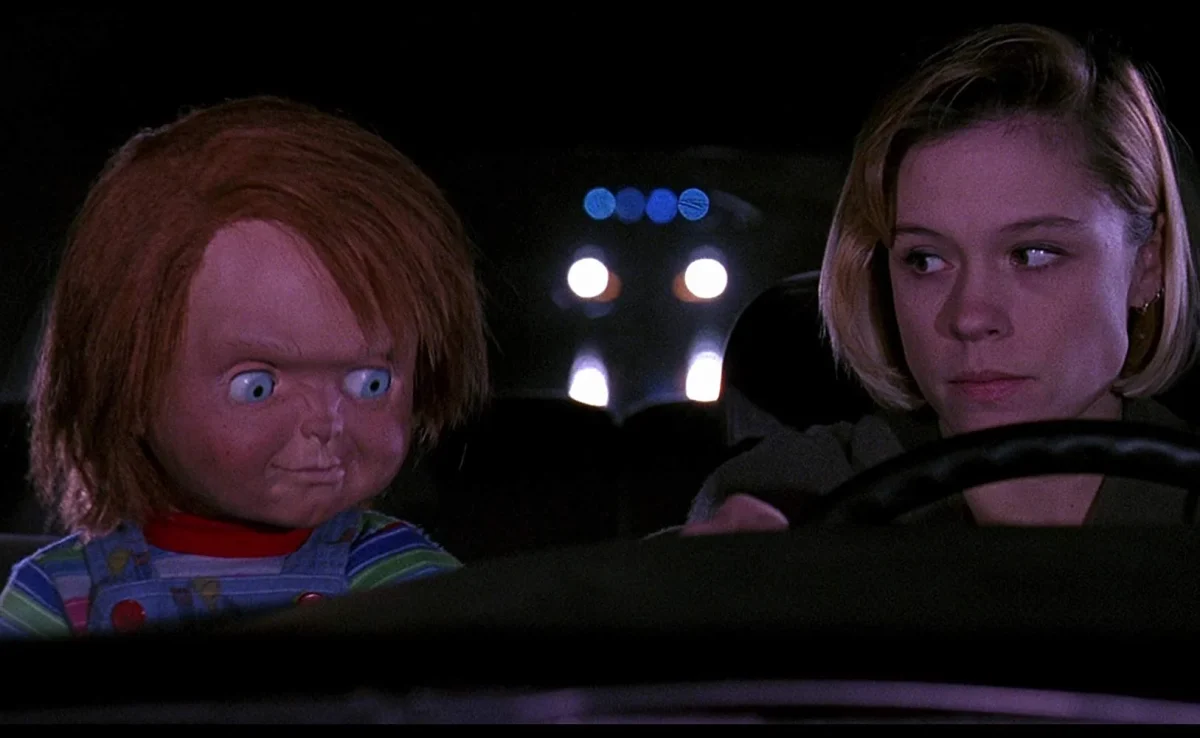
From an academic perspective, the series represents a successful attempt at "reclaiming" the horror genre for those who have historically been excluded from its central narratives. By centering the story on the "other"—whether that be the child, the queer individual, or the disabled woman—the franchise challenges the audience to question who is deemed "credible" and who is deemed "dangerous."
Ultimately, the Chucky franchise serves as a rare example of a long-running horror series that has managed to avoid stagnation by consistently challenging its own boundaries. Whether through the lens of 1980s consumerist satire or contemporary explorations of gender and autonomy, the series has proven that its titular character is as much a vessel for social critique as he is a purveyor of cinematic violence. As the franchise continues to influence new generations of filmmakers, its legacy is secured not merely by its scares, but by its refusal to ignore the complexities of the human (and doll-based) experience.