
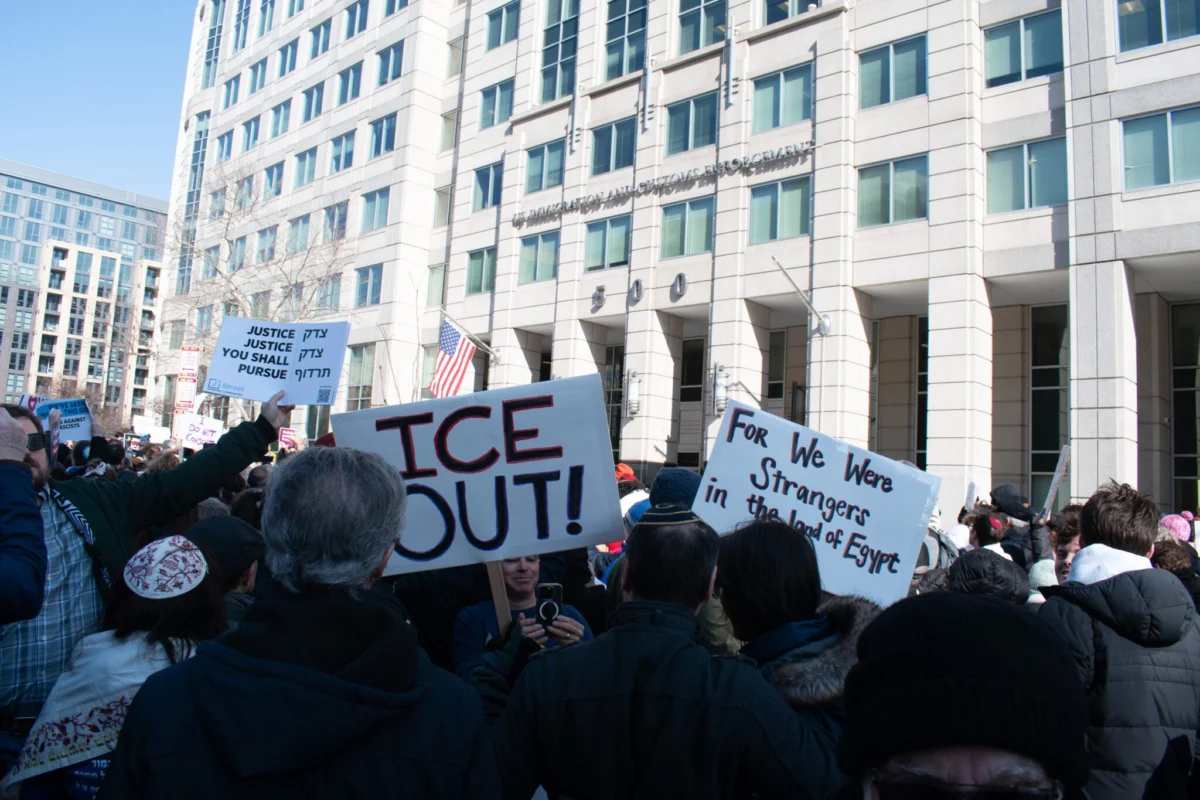
As the Jewish community approaches the High Holidays of 5787, the intersection of spiritual reflection and contemporary geopolitical crisis has become a focal point for organizations dedicated to humanitarian relief. HIAS, the world’s oldest refugee agency, is positioning this season of introspection as a call to action, urging a return to the foundational principles of advocacy and the protection of the displaced. This pivot comes at a time when international institutions, democratic norms, and human rights frameworks are facing unprecedented challenges from a resurgence of xenophobic nativism and authoritarian policy shifts.
The Current Global Humanitarian Landscape
The context for this year’s High Holidays is defined by a significant departure from the post-World War II consensus that once prioritized the universal right to asylum. According to data from the United Nations High Commissioner for Refugees (UNHCR), the number of forcibly displaced people worldwide has climbed to record highs, driven by protracted conflicts, climate-induced migration, and political instability.
In the United States, the administrative landscape has shifted toward restrictive immigration policies, including mass deportation initiatives and the systematic narrowing of asylum eligibility. Legal analysts note that the current environment is marked by "legal chaos," characterized by the stripping of temporary protections and the undermining of established due process. This has left thousands of families in a state of indefinite precariousness, forcing organizations like HIAS to pivot their operational focus from long-term integration to crisis management and emergency legal defense.
A Chronology of Refugee Advocacy and Policy Reversals
The recent history of refugee advocacy in the U.S. has been a cycle of mobilization and systemic obstruction.
- 2017-2021: The implementation of various executive orders restricting refugee admissions sparked a nationwide legal and grassroots response, led by faith-based organizations including HIAS.
- March 2026: During the eighth annual Refugee Shabbat, community leaders emphasized that the moral obligation to welcome the stranger remains independent of the prevailing political climate.
- September 2026: As Rosh Hashanah approaches, the discourse has shifted from policy advocacy to a deeper examination of the spiritual resilience required to sustain humanitarian commitments during periods of systemic regression.
The trajectory of these events underscores a critical reality: the legal infrastructure built over decades to protect vulnerable populations is being dismantled at an accelerated pace, requiring not just legislative strategy but a fundamental recalibration of civic and religious commitment.
Theological Evolution and the Call to Action
The concept of tikkun olam, or "repairing the world," has undergone a distinct evolution in Jewish thought. Traditionally, prayers such as the Aleinu focused on a divine mandate, delegating the perfection of the world to the Creator. However, the modern interpretation—specifically within the last century—has transformed this into a proactive, human-centric mission of social justice.
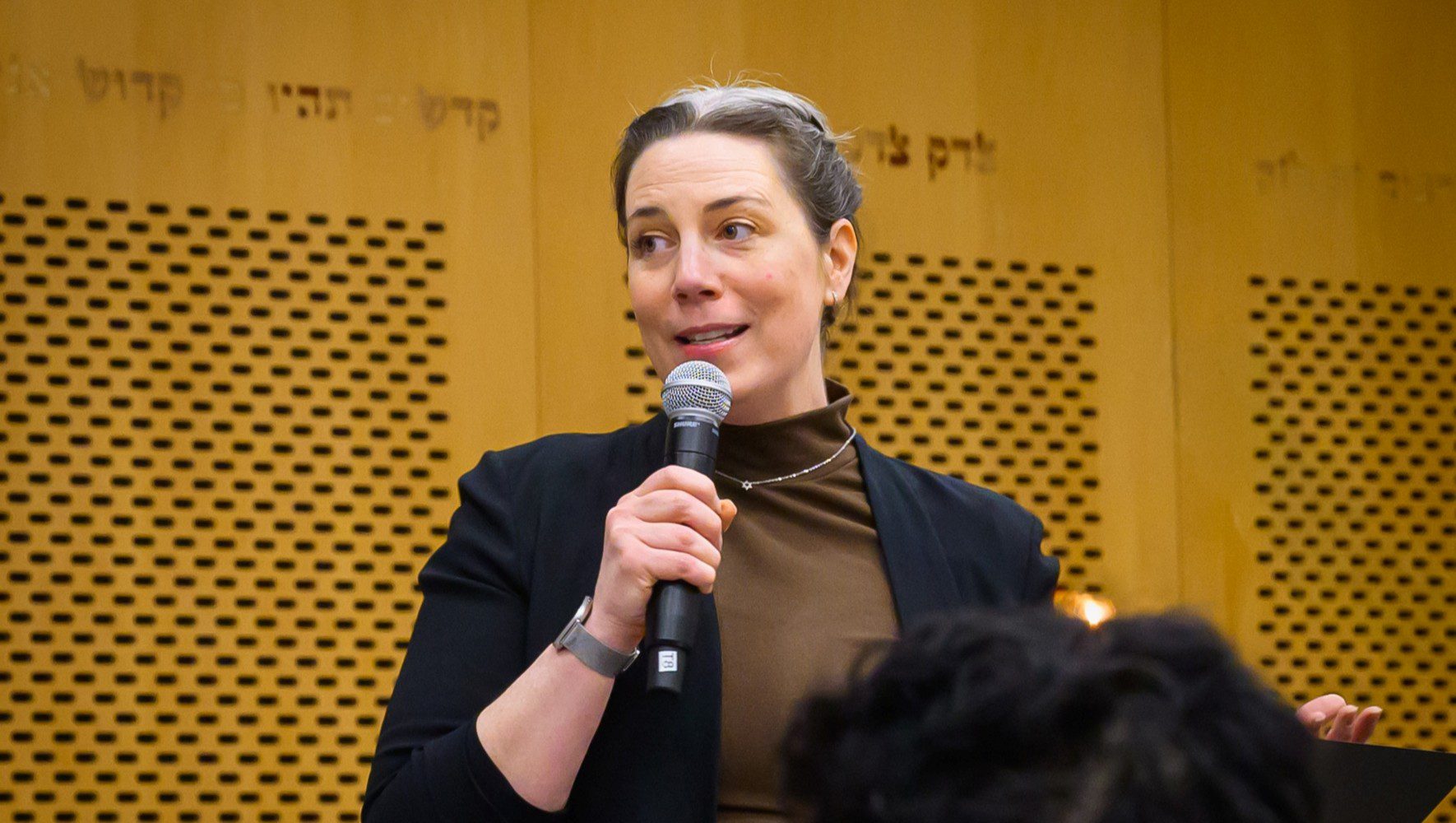
Rabbi Sarah Bassin, HIAS’s Rabbi-in-Residence, argues that this evolution is not a rejection of tradition, but an essential adaptation to a changing world. The theological premise that "the law is not in heaven"—a concept rooted in the Talmudic principle of lo bashamayim hee—serves as the cornerstone for modern advocacy. It asserts that the responsibility for justice lies squarely with human beings. This shift represents a transition from passive hope to active, often arduous, civil service. Critics of this interpretation often point to the "newness" of the social-action-focused definition, but proponents argue that stagnation is an unviable response to the current scale of human suffering.
Supporting Data: The Impact of Policy Shifts
The implications of current U.S. immigration policy are quantifiable. Beyond the immediate logistical hurdles, the erosion of due process has created a secondary crisis of trauma for asylum seekers.
- Legal Standing: Reports indicate that approximately 40% of asylum seekers who previously held clear pathways for residency have been subjected to sudden removal proceedings under new, more stringent criteria.
- Resource Allocation: Non-governmental organizations (NGOs) are reporting an increased strain on their legal aid budgets, with a 25% uptick in the demand for representation over the last fiscal year.
- Social Integration: The psychological impact on families—particularly children—is significant, with studies suggesting that the uncertainty of status acts as a primary stressor, often hindering long-term integration even for those who are eventually granted stay.
Institutional Responses and Strategic Shifts
In response to these developments, HIAS and other humanitarian agencies have restructured their advocacy efforts to focus on three key pillars: legal resilience, community education, and local-level policy advocacy.
"We are moving beyond the assumption that progress is inevitable," said a spokesperson for a coalition of faith-based refugee agencies. "We are operating under the reality that the institutions we once trusted to uphold human rights are currently in a state of flux. Our mission is to maintain the continuity of care regardless of the executive or legislative environment."
The strategy includes the development of regional "welcoming networks" that aim to provide localized support, effectively bypassing federal hurdles where possible. By leveraging local municipalities that prioritize immigrant integration, these organizations are creating decentralized pockets of safety that serve as a buffer against broader national policy shifts.
Implications for Democratic Institutions
The broader implications of this period extend beyond the refugee crisis. Political scientists have noted that the treatment of asylum seekers often serves as a "canary in the coal mine" for the health of a democratic society. The erosion of due process for one group frequently precedes a weakening of legal protections for the broader citizenry.
The mainstreaming of nativist rhetoric has also contributed to a decline in the social cohesion necessary for a robust democracy. When the fundamental dignity of the outsider is questioned, the foundational values of the society itself are called into question. Consequently, the work of organizations like HIAS is being reframed as a defense of democratic institutions as much as it is a humanitarian effort.
Conclusion: The Requirement of Spiritual Chutzpah
As the Jewish community enters the year 5787, the narrative surrounding the High Holidays has shifted toward the necessity of "spiritual chutzpah"—a term used by community leaders to describe the resilience required to pursue justice when the path is not yet clear.
The task of reversing the current trends in immigration policy is recognized as a multi-generational endeavor. Experts suggest that even with a policy reversal, the technical and legal backlog will take years to clear, while the restoration of public trust and the mitigation of psychological trauma will take much longer.
However, the consensus among those involved in this work is that the obligation to protect the vulnerable is not contingent upon immediate success or societal optimism. It is, rather, an existential requirement of the tradition. By grounding their efforts in a long-term historical perspective, organizations like HIAS are preparing for a sustained period of advocacy, aiming to ensure that the promise of a welcoming society is not lost to the current wave of political and social instability. The path forward, they suggest, requires a synthesis of ancient tradition and modern resilience, ensuring that the commitment to justice remains a central pillar of the community’s identity, regardless of the challenges posed by the external world.




