
The autonomous comarca of Gunayala stands as a preeminent global model of Indigenous self-governance, territorial defense, and cultural preservation within Abya Yala, the Indigenous term for the Americas. Long before international frameworks such as the United Nations Declaration on the Rights of Indigenous Peoples (UNDRIP) formally codified the principles of self-determination, the Guna Peoples maintained an intricate, functional system of self-organization, communal decision-making, and environmental stewardship. Today, this living model of autonomy continues to thrive across a dynamic landscape that bridges mainland tropical forests with a sprawling Caribbean archipelago, even as it confronts modern challenges ranging from development megaprojects to the escalating impacts of global climate change.
Geographical and Ecological Scope of Gunayala
The ancestral territory of Gunayala spans the Caribbean coast of Panama, extending eastward to the border of Colombia. Encompassing approximately 315 kilometers of coastline, the region is characterized by a rich mosaic of ecosystems, including dense mainland forests, winding rivers, expansive mangroves, and more than 400 small islands and islets where the majority of the Guna communities reside. Often described as seaside villages, these island settlements are intrinsically linked to the surrounding mountain ranges, coral reefs, and white-sand beaches.
For the Guna, this geography is far more than a physical habitat; it serves as a repository of collective memory, spirituality, and historical resistance. The territory supports 49 distinct communities, all interconnected through a centralized administrative and cultural framework. Traditional land and resource management practices, such as Nainu—a generational agricultural system rooted in a profound understanding of natural cycles and soil regeneration—demonstrate that Guna governance is inseparable from environmental conservation. This holistic approach has preserved high levels of biodiversity across the comarca, offering vital lessons for contemporary global conservation strategies.
Historical Foundations and the Dule Revolution of 1925
The autonomy exercised in Gunayala did not originate from state legislation, nor was it granted by the Republic of Panama. Instead, Guna self-governance pre-dates the formation of the modern Panamanian state, rooted in customary law and centuries of internal institutional development. However, the legal recognition of this autonomy was hard-won through pivotal historical resistance.
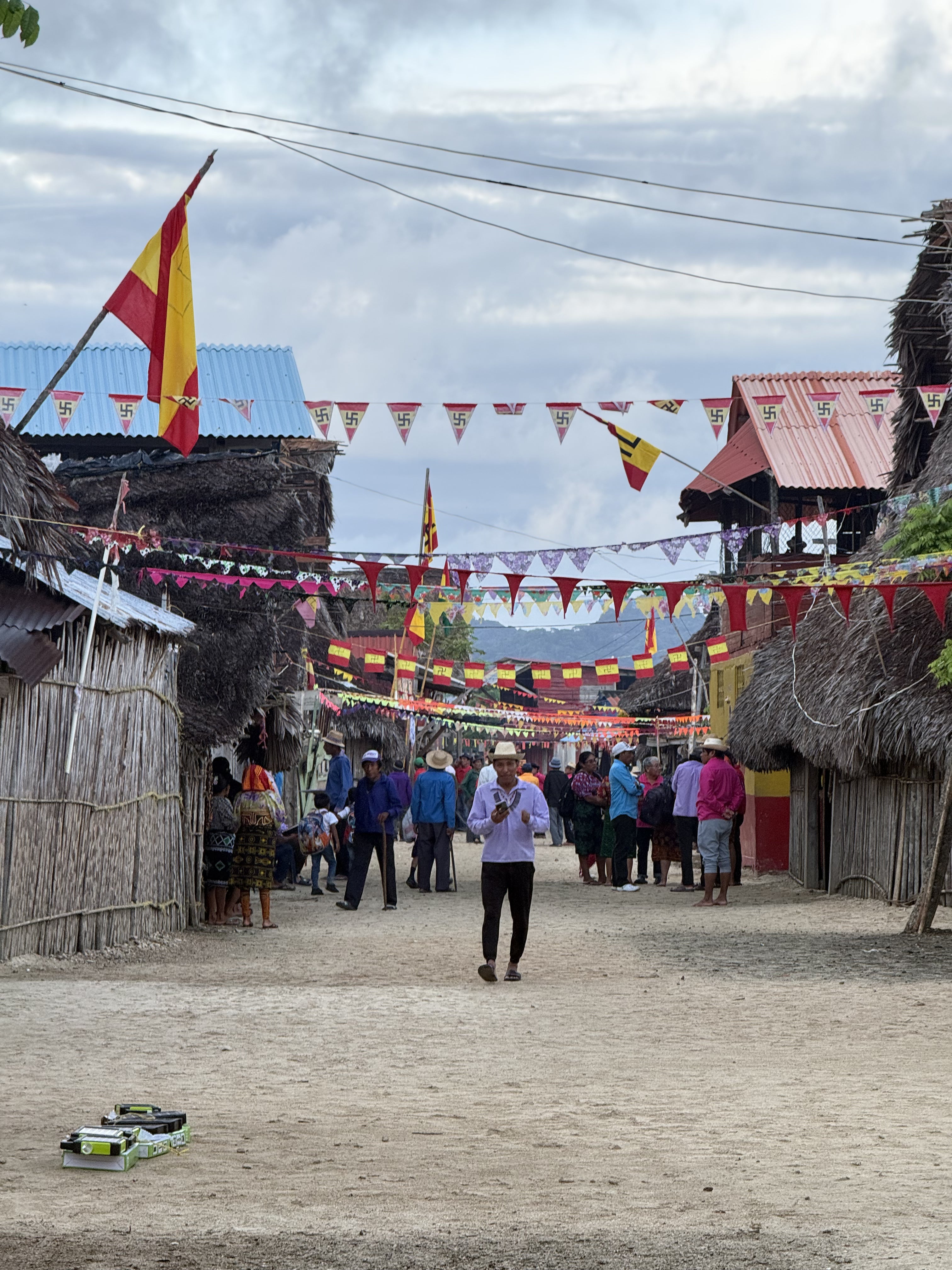
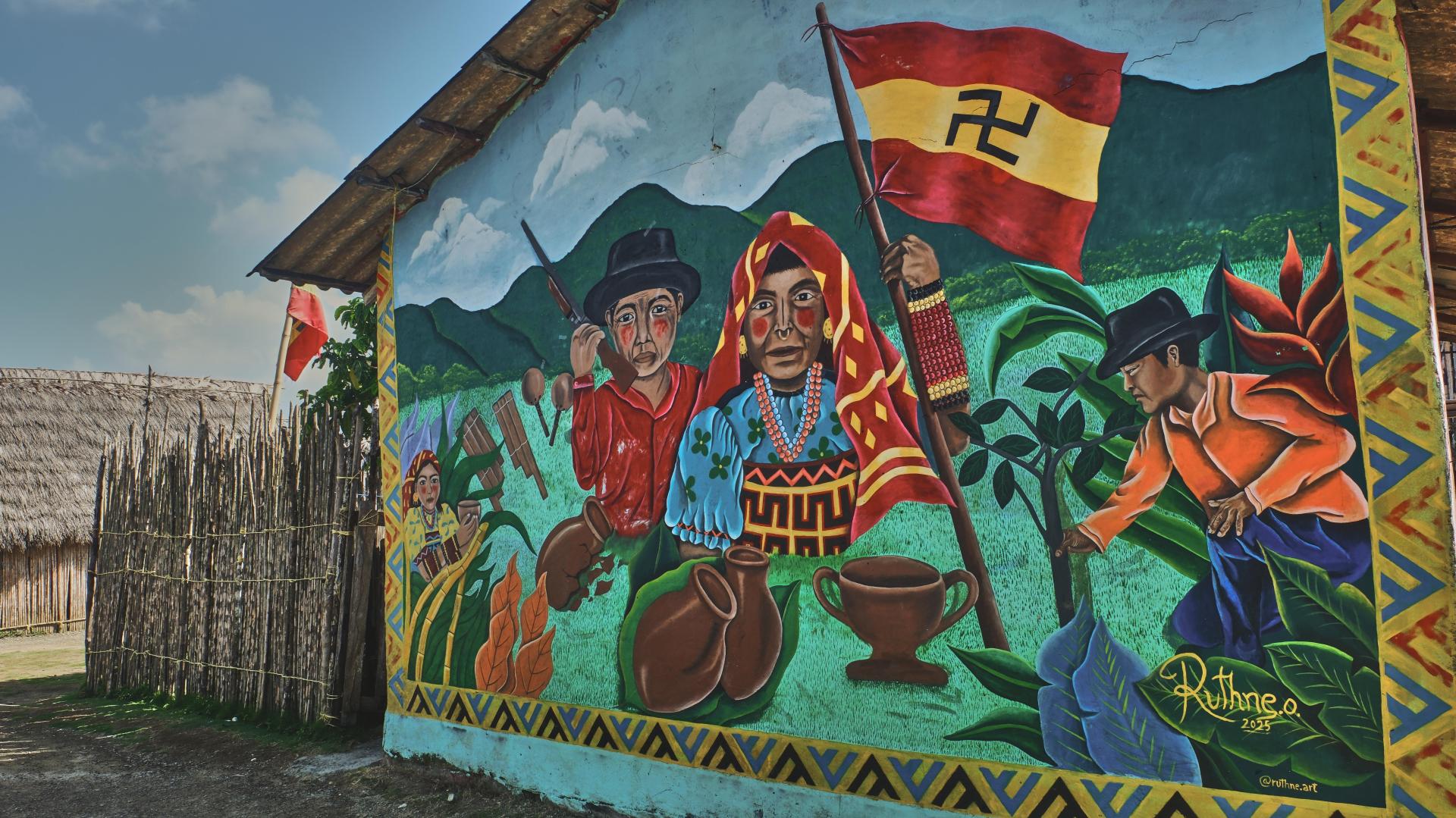
The defining moment in the modern defense of Guna sovereignty was the Dule Revolution of 1925. This decisive uprising erupted in response to aggressive assimilation policies enforced by the Panamanian government, which sought to forcefully "civilize" the Indigenous population, suppress cultural practices, and dismantle traditional authorities. At the time, the Guna already possessed an advanced civilization defined by robust legal norms, spiritual frameworks, and decentralized leadership. Rather than creating Guna autonomy, the Dule Revolution defended and reaffirmed it against state encroachment.
Following the armed conflict and subsequent peace negotiations, the Panamanian state formally recognized the administrative boundaries and governance rights of the region. This was codified legislatively decades later through Law 16 on February 19, 1953, which officially organized the territory then known as the Comarca of San Blas, later renamed Gunayala. Subsequent judicial decisions and legislative updates have continually reinforced this legal architecture, though the foundation of Guna authority remains firmly anchored in community consensus rather than state benevolence.
The Architecture of Guna Self-Governance
The daily exercise of self-determination in Gunayala is anchored in a sophisticated network of traditional and administrative institutions. At the community level, governance comes to life within the Onmagged Nega, or the House of Congress. In this central gathering space, community members assemble to deliberate, dialogue, and forge collective decisions regarding local and regional affairs.
Leadership within the Onmagged Nega is shared among specialized authorities:
- Sagla: Traditional authorities who guide the community through ritualistic chants that transmit ancestral memory, history, and foundational ethics.
- Argar: Spokespersons and interpreters who translate traditional knowledge into practical guidance for contemporary community challenges.
Crucially, Guna philosophy dictates that governance is not merely an administrative function of resource management or law enforcement; it is a holistic responsibility encompassing education, spiritual guidance, and intergenerational mentorship.
At the regional level, these 49 communities are unified under two primary overarching bodies:
- The Guna General Congress: Serving as the highest political and administrative body, the Congress manages territorial integrity, natural resources, public education, and diplomatic relations with the Panamanian state and international entities.
- The General Congress of Guna Culture: Operating in tandem with the administrative congress, this body focuses specifically on preserving and strengthening traditional knowledge, spirituality, language, and cultural expressions.
This institutional dualism highlights a core tenet of Guna governance: political authority, culture, spirituality, and environmental stewardship are fundamentally interconnected.
Legal Frameworks and Decision-Making Processes
Decision-making in Gunayala operates through collective consensus, guided by customary law and the Igardummadwala, the Fundamental Law of the Guna people. Supplemented by internal statutes, regulations, and congressional resolutions, this legal corpus forms an independent judicial system that asserts the community’s right to govern according to its own norms.
This robust framework is critical when evaluating external pressures. Over the decades, Guna autonomy has been tested by various economic interests and proposed development megaprojects, most notably large-scale infrastructure initiatives such as the Central America Electrical Interconnection System. Through their assemblies, legal norms, and public resolutions, Guna authorities have repeatedly demonstrated the capacity to assert self-determination—exercising the right to establish stringent conditions, reject incompatible projects, and dictate the terms of engagement with external actors.
Contemporary Challenges: Climate Change and Generational Continuity
Despite its historical resilience, Gunayala is not a static society frozen in time. The comarca faces unprecedented contemporary challenges, chief among them the compounding crises of social transformation and environmental degradation.
Climate change poses an existential threat to the low-lying island communities of Gunayala. Rising sea levels, coastal erosion, and warming ocean temperatures are already impacting local marine ecosystems and threatening the habitability of several island villages, forcing ongoing discussions regarding planned community relocations to the mainland.

Simultaneously, internal demographic shifts present cultural continuity challenges. Modern economic pressures have led many young Guna to migrate outside the comarca for education and employment. To counter the potential erosion of traditional knowledge, civil society and leadership structures have actively fostered youth engagement. The establishment of initiatives such as the General Congress of Guna Youth in 2017 reflects a concerted effort to cultivate new generations of leaders, conservationists, and cultural defenders. Furthermore, diaspora youth frequently maintain active ties to their ancestral homes, returning for major ceremonies, community anniversaries, and commemorations of the Dule Revolution. Women also play an indispensable role in safeguarding this continuity, serving as primary transmitters of the Guna language, agricultural practices, and cultural heritage.
Implications and Broader Significance
As Gunayala commemorates 101 years since the Dule Revolution, the region offers profound insights for Indigenous rights movements and nation-states worldwide. The lived experience of the Guna People demonstrates that true self-determination extends far beyond cartographic recognition or legislative text on paper. It requires the active respect of Indigenous institutions, customary laws, and the fundamental capacity of a people to make collective decisions regarding their territory, present, and future.
By maintaining a living bridge between ancestral governance and modern administrative structures, Gunayala reaffirms that Indigenous autonomy is not a historical relic, but a dynamic, effective, and forward-looking model for safeguarding human communities and the natural environment in the twenty-first century.




