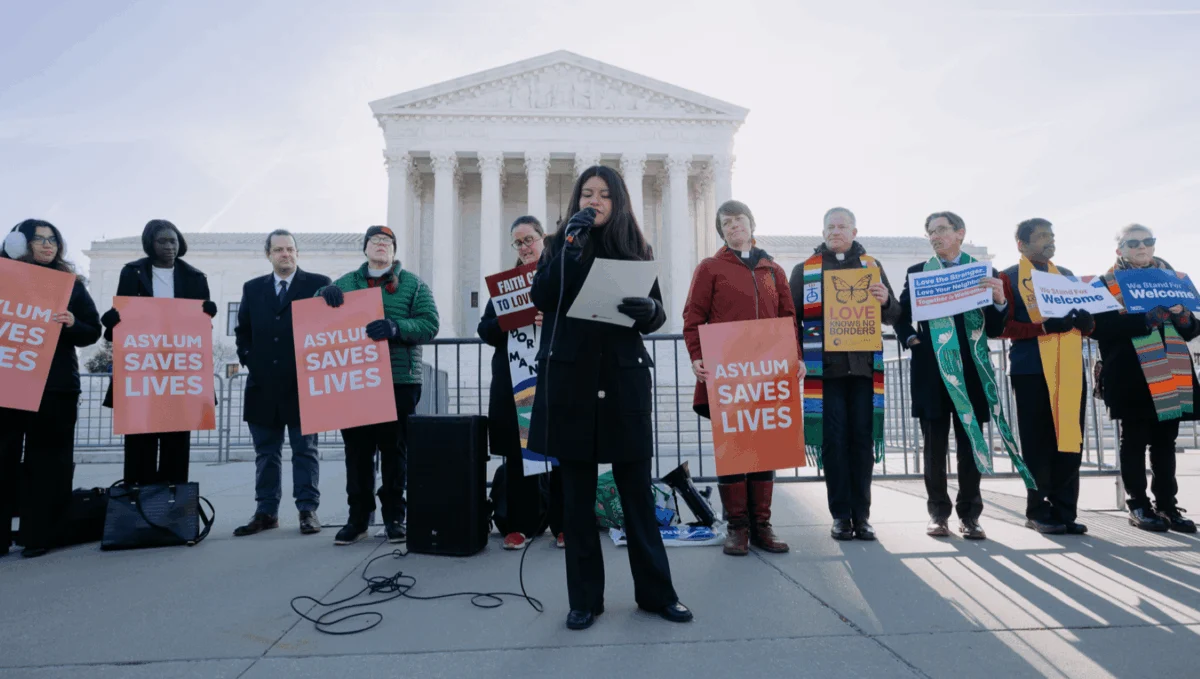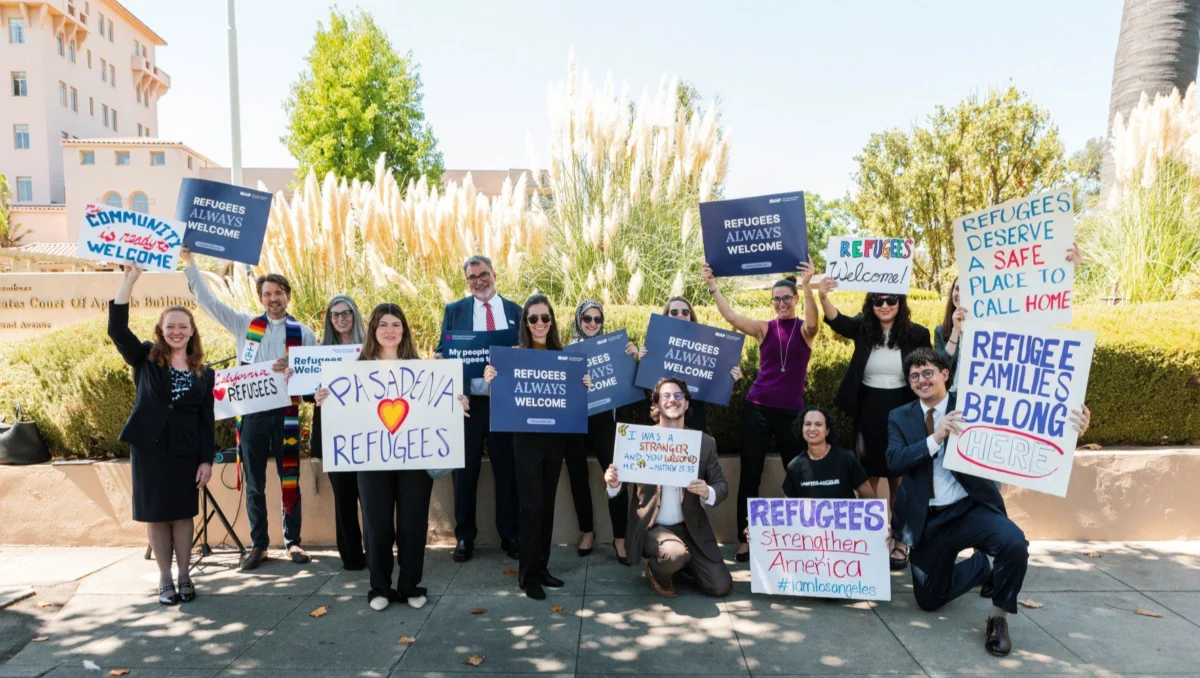

In a significant escalation of the ongoing conflict between humanitarian advocacy groups and the federal government, more than 600 Jewish clergy members across the United States have issued a formal letter condemning a new Department of Homeland Security (DHS) rule. The policy, which grants the executive branch the authority to expedite the termination of legal status for resettled refugees, has sparked a firestorm of criticism from faith leaders, legal experts, and human rights organizations. The clergy, representing a diverse cross-section of American Judaism, argue that the rule not only violates established humanitarian norms but also undermines the due process rights historically afforded to individuals who have been vetted and welcomed into the country.
The Scope of the New Federal Rule
The rule, which was announced in October 2026, introduces a streamlined process for the government to revoke the permanent status of refugees currently residing in the United States. Under the new guidelines, individuals flagged by the government are issued a "Notice of Intent to Terminate" (NOIT). Perhaps most controversially, the rule grants affected refugees only ten business days to challenge the government’s decision.
Legal experts and civil rights advocates contend that this ten-day window is administratively impossible for most individuals to navigate. Preparing a legal defense against the state, gathering evidence of continued persecution in a country of origin, and securing counsel within such a restricted timeframe effectively strips the individual of meaningful due process. For many, this notice is viewed as a precursor to inevitable deportation proceedings, casting a shadow of instability over thousands of families who had previously been granted durable protection under U.S. law.
Historical Context and Legislative Precedent
The United States’ refugee resettlement program has long been anchored in the post-World War II international legal framework, which emphasizes the "durable solution" of permanent integration. Since the Refugee Act of 1980, the United States has operated under the premise that once an individual is vetted and resettled, they are on a path toward permanent safety and eventual citizenship.
The current administration’s move is being characterized by opponents as a fundamental departure from this post-1945 consensus. While the government has always held the legal authority to terminate refugee status under narrow, specific circumstances—such as the cessation of conditions in the home country that prompted the initial flight—critics argue that the new rule turns this administrative tool into a "blunt weapon" for mass removal.
The mobilization of Jewish clergy in this matter is rooted in both theological and historical imperatives. Many of the signatories represent congregations whose members were themselves refugees from the Holocaust, the Iranian Revolution, or the collapse of the Soviet Union. By invoking the biblical injunctions found in Deuteronomy 23:24—which mandates the fulfillment of voluntary vows—the clergy are framing the government’s policy as a breach of a "national promise."
Chronology of Recent Immigration Policy Shifts
The October 2026 announcement is the latest in a series of restrictive policy changes initiated over the preceding months. A brief timeline of the current administration’s approach illustrates the trajectory:
- February 2026: Large-scale protests organized by HIAS and other Jewish organizations took place outside Immigration and Customs Enforcement (ICE) headquarters in Washington, D.C., in response to increased raids and arrests.
- Spring 2026: The administration began a systematic narrowing of asylum pathways, including the implementation of stricter evidentiary requirements for those claiming "credible fear" upon entry.
- Summer 2026: Federal funding was reallocated toward the expansion of detention infrastructure, signaling a move toward higher-volume deportation processing.
- October 2026: The Department of Homeland Security officially publishes the rule allowing for the rapid termination of refugee status, leading to the collective response from 600+ clergy members.
Economic and Societal Implications
Beyond the immediate human impact on the affected families, economists and community leaders are raising concerns regarding the broader implications for American society. Historically, refugees have contributed significantly to the U.S. labor market, filling gaps in specialized sectors and fostering entrepreneurship.
The uncertainty created by the potential for mass status revocation threatens to destabilize not only the refugees themselves but also the communities that have invested in their integration. Employers who rely on refugee labor, school systems that have provided language and social support, and local municipalities that benefit from tax contributions are all impacted by the climate of fear. Critics of the policy argue that the "loss of talent, ingenuity, and economic contribution" will leave the country weaker in the long term, noting that the economic benefits of integration often far outweigh the costs of social support programs.
Official Responses and Counter-Arguments
The administration maintains that the rule is a necessary tool for maintaining the integrity of the immigration system. In statements provided to the media following the outcry, federal spokespeople have argued that the rule is intended to identify individuals who may no longer qualify for refugee protection due to changed circumstances in their home countries. They contend that the administration remains committed to a "legal and orderly" immigration system and that the expedited process is designed to ensure that resources are not being directed toward individuals who have already achieved safety in their country of origin.
However, this rationale has been met with skepticism. Legal advocacy groups point out that if the government truly wished to ensure the integrity of the system, it would invest in more robust legal representation for asylum seekers rather than shortening the timeframes available for defense.
The Role of Faith-Based Advocacy
The involvement of the Jewish community is not merely symbolic; it represents an organized effort to exert political pressure on elected officials. By compiling an extensive list of signatories—ranging from rabbis and cantors to maharats—the coalition aims to demonstrate that the opposition to the rule is not limited to a fringe group but is a mainstream concern across the American Jewish landscape.
The letter explicitly calls on members of Congress to pressure the administration to rescind the rule. In the American legislative system, the executive branch possesses broad authority over immigration enforcement, but congressional oversight and budget appropriations remain the primary checks on this power. The clergy’s demand for a withdrawal of the rule highlights a strategy of leveraging moral authority to drive legislative action.
Fact-Based Analysis of the Legal Landscape
From a legal standpoint, the battle is expected to move into the federal court system. Challenges to the rule will likely focus on the Administrative Procedure Act (APA), which governs how federal agencies create regulations. Plaintiffs are expected to argue that the ten-day notice period is "arbitrary and capricious" and that the rule fails to provide the basic due process protections required under the Fifth Amendment.
Furthermore, the implementation of such a rule faces significant logistical hurdles. The Department of Justice’s immigration courts are already facing a historic backlog of over three million cases. Adding a new, high-volume category of status-termination proceedings will likely exacerbate this backlog, potentially leading to a collapse of the court’s operational capacity.
Conclusion and Future Outlook
The clash between the current federal administration and a broad coalition of religious leaders reflects the deepening divide in American political discourse regarding the nation’s role in global humanitarian crises. As the 600+ clergy members have noted, the outcome of this policy will serve as a bellwether for the future of U.S. humanitarian law.
As the debate continues, the focus will likely remain on the intersection of national security, economic policy, and the fundamental moral obligations of a democratic society. Whether the administration will respond to the mounting pressure from civil society, or whether the rule will proceed to the litigation phase, remains to be seen. What is clear, however, is that the issue has become a flashpoint for a larger national conversation about the limits of executive power and the definition of the American commitment to the displaced and the vulnerable. For now, thousands of families remain in a state of suspended uncertainty, waiting for a resolution that will determine whether they can continue to call the United States their permanent home.