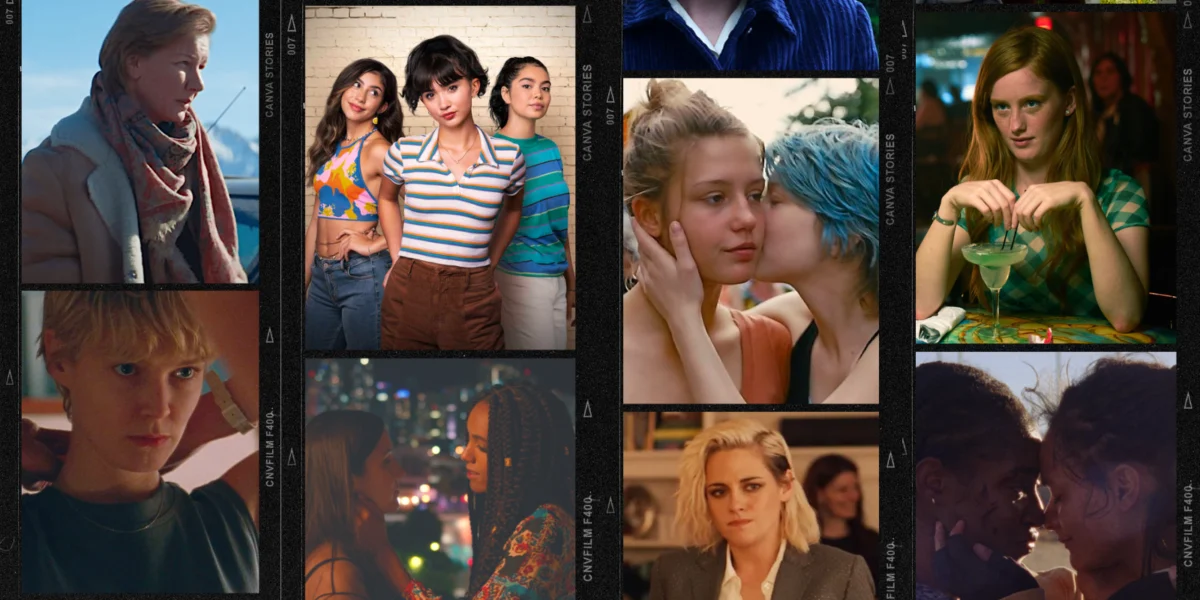
The landscape of digital streaming has undergone a significant transformation over the past decade, transitioning from a secondary distribution model to a primary engine for diverse storytelling. Within this ecosystem, Hulu has established a distinct position by curating a portfolio of LGBTQ+ content that spans prestigious international award-winners, independent documentaries, and mainstream romantic comedies. This shift reflects a broader industry trend identified by organizations such as GLAAD, which noted in its 2023-2024 "Where We Are on TV" and "Studio Responsibility Index" reports that streaming platforms continue to outperform traditional theatrical studios in both the volume and depth of queer representation. By analyzing the current slate of lesbian, bisexual, and transgender-focused films on the platform, industry observers can discern a move away from historical "tragic" tropes toward a more nuanced exploration of queer joy, domesticity, and political activism.

The Strategic Shift Toward Nuanced Narratives
The current catalog on Hulu demonstrates a strategic pivot toward "prestige" queer cinema. A primary example is the 2023 Palme d’Or winner, Anatomy of a Fall, directed by Justine Triet. While the film operates ostensibly as a courtroom thriller and a meditation on the fallibility of justice, it centers on a bisexual protagonist, played by Sandra Hüller. The narrative significance lies in how the character’s sexuality is presented not as a plot device for scandal, but as a facet of her complex identity that is scrutinized by a heteronormative legal system. This reflects a growing sophistication in screenwriting where queer identity is integrated into high-stakes dramatic frameworks rather than being the sole source of conflict.
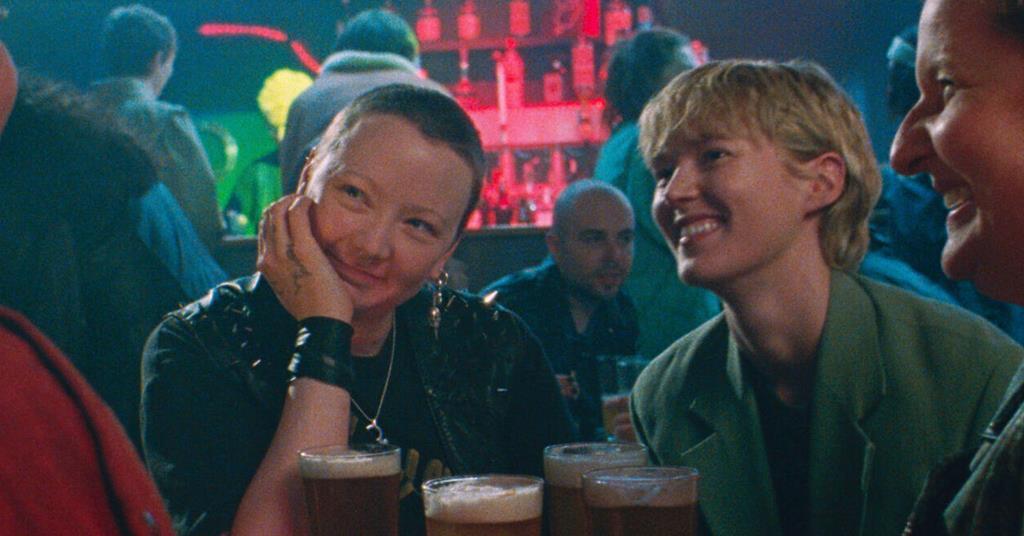
Similarly, the 2023 film Blue Jean, directed by Georgia Oakley, provides vital historical context to the queer experience. Set in 1980s England during the era of Section 28—a series of laws that prohibited the "promotion" of homosexuality by local authorities—the film follows a physical education teacher living a double life. Critical analysis suggests that Blue Jean succeeds by balancing the oppressive political climate of the Thatcher era with vibrant depictions of queer community and resistance. The film’s inclusion in a mainstream streaming library serves an educational function, preserving the memory of legislative homophobia while celebrating the resilience of the community.

Chronology of Queer Content Development on Hulu
The development of Hulu’s queer film library can be categorized into three distinct phases: the Acquisition Era, the Original Production Era, and the Documentary Expansion.
The Acquisition Era (2010–2018)
During its formative years, the platform relied heavily on independent festival acquisitions and older cult classics. Films like Loving Annabelle (2006) and Elena Undone (2010) represented the "lesbian classic" genre—often characterized by lower production budgets but high community engagement. These films paved the way for more significant investments by proving that a dedicated audience existed for female-centric queer stories.
The Original Production Era (2019–Present)
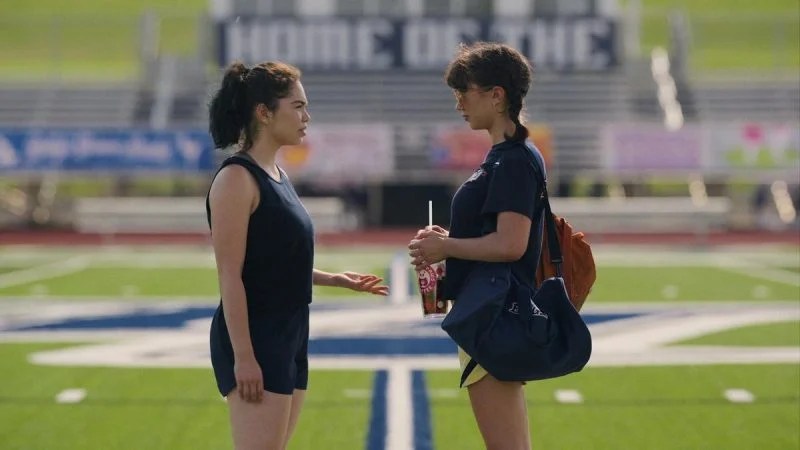
Hulu began investing in "Hulu Originals" to compete with Netflix and Amazon Prime. The 2020 release of Happiest Season, directed by Clea DuVall and starring Kristen Stewart and Mackenzie Davis, marked a turning point. As a high-budget holiday romantic comedy, it signaled that queer stories were viable for mainstream, seasonal marketing. This was followed by Crush (2022), a teen rom-com that utilized a largely queer cast and crew to depict a "coming-of-age" story where the protagonist’s sexuality was already accepted, shifting the focus from the "coming out" struggle to the universal experience of first love.
The Documentary and Non-Fiction Expansion (2024–2025)
The most recent phase involves a deep dive into queer history and musicology. The 2025 release of Lilith Fair: Building a Mystery, directed by Ally Pankiw, explores the 1990s all-female concert tour. By utilizing archival footage of Sarah McLachlan and the Indigo Girls, the documentary contextualizes the feminist movement that provided a safe haven for queer women during a period of intense media scrutiny. Additionally, the 2024 documentary Fanatical: The Catfishing of Tegan and Sara examines the intersection of queer celebrity culture and digital security, highlighting the unique vulnerabilities faced by LGBTQ+ icons.

Supporting Data and Representation Metrics
The diversification of genres on Hulu—from the climate-activism thriller How to Blow Up a Pipeline (2023) to the time-loop horror Jagged Mind (2023)—aligns with statistical shifts in audience demand. According to data from Parrot Analytics, demand for "diverse-led" content has increased by over 40% since 2020. Furthermore, the inclusion of trans-focused narratives such as Changing the Game (2019) and National Anthem (2023) addresses a critical gap in representation.
National Anthem, which features Eve Lindley, explores the lives of queer individuals in the rural West. While some critics, including those from Autostraddle, have noted that certain characters in the film may still fall into traditional tropes, the film’s existence points to an expansion of the "queer geography" beyond urban centers like New York or San Francisco.
Industry Reactions and Critical Analysis
The critical reception of these films often highlights the tension between "the male gaze" and authentic queer storytelling. The 2013 French film Blue Is the Warmest Color remains a point of contention within the library. While it won the Palme d’Or and was praised for its raw performances, it has been widely criticized by queer critics for its voyeuristic approach to lesbian intimacy.
In contrast, newer entries like In the Summers (2024), the directorial debut of Alessandra Lacorazza Samudio, have been lauded for their "internalized" queer perspective. Samudio, a queer director, focuses on the evolving relationship between two sisters and their father, where one sister’s journey toward a "tomboy" or masculine-of-center identity is handled with a subtle, realistic touch. This suggests that the "broader impact" of these films is not just in their visibility, but in the shift toward hiring queer creators to tell their own stories.

Broader Impact and Social Implications
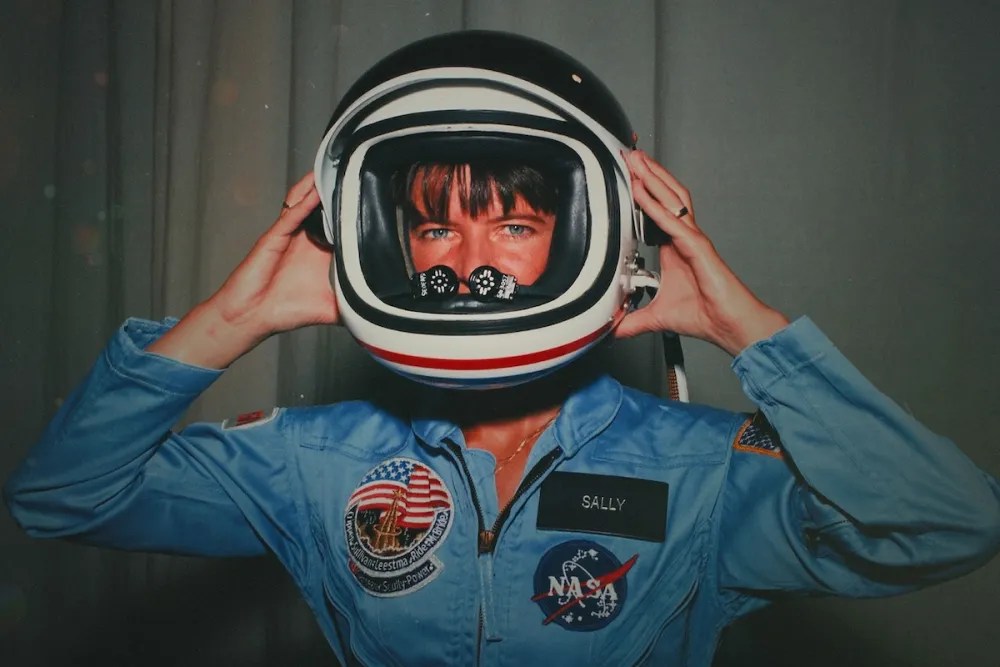
The availability of these films on a major platform like Hulu has significant implications for social normalization and mental health. A 2022 study by The Trevor Project indicated that LGBTQ+ youth who see their identities reflected in media report lower rates of attempted suicide and higher levels of self-esteem. By providing a spectrum of content—from the lighthearted humor of Fire Island (2022) to the biographical gravity of Sally (2025), a documentary about astronaut Sally Ride—Hulu provides a multi-dimensional view of the queer experience.
Fire Island, in particular, represents a milestone in intersectional storytelling. By reimagining Jane Austen’s Pride and Prejudice within the context of a gay vacation destination, the film addresses issues of classism, racism, and body image within the LGBTQ+ community itself. The performance of Margaret Cho as a "lesbian scam queen" provides a rare depiction of older queer mentorship and chosen family, which are vital components of the community’s social fabric.
Conclusion and Future Outlook
As the streaming industry moves toward a more consolidated future, the sustainability of niche or diverse libraries remains a topic of debate among media analysts. However, the current depth of Hulu’s LGBTQ+ portfolio suggests that queer content has moved from the periphery to the core of the platform’s value proposition. The upcoming slate of 2025 releases indicates a continued commitment to historical preservation and genre experimentation.
The transition from the "problematic" tropes of the mid-2000s to the sophisticated, director-driven projects of today reflects a maturing market. For audiences, the primary benefit is the transition from a "minimal amount" of content to a robust, searchable archive that captures the complexity of lesbian, bisexual, and transgender lives. As streaming services continue to evolve, the standard for representation will likely continue to rise, moving beyond mere presence toward a requirement for authenticity, intersectionality, and artistic excellence.