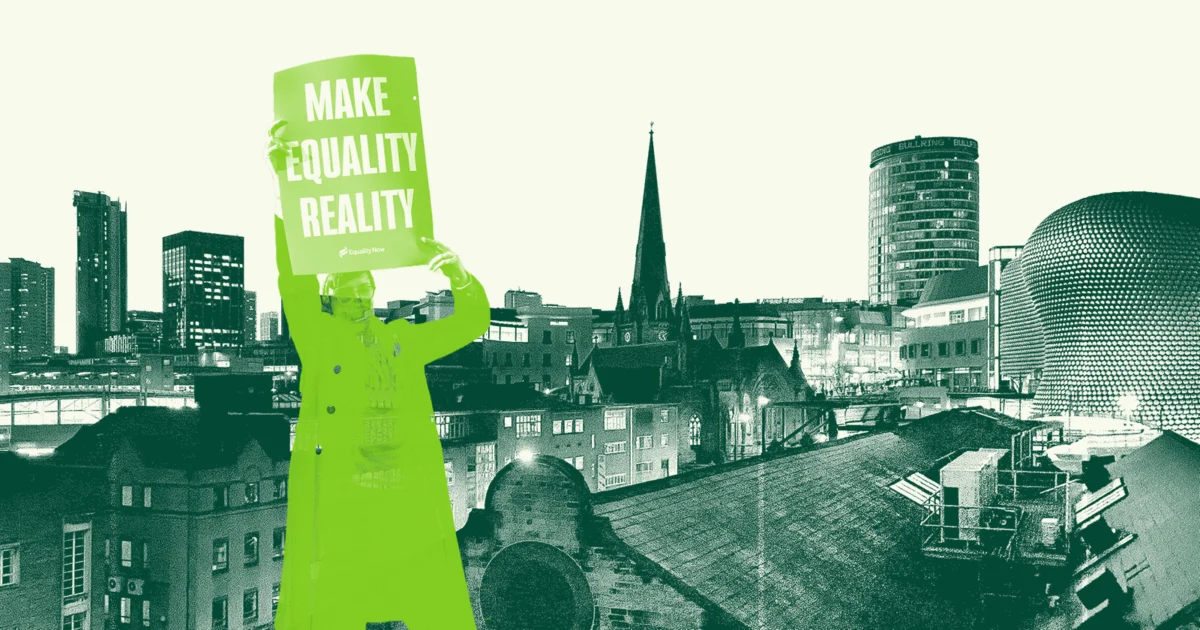
On January 29, 2026, the Midlands Arts Centre (MAC) in Birmingham served as the venue for a pivotal community gathering aimed at addressing the widening gap in cultural accessibility across the city. Organized by The Equality Trust, the event, titled Re-imagine a Better Brum, combined a collaborative workshop with the premiere of a documentary film produced by local residents. The initiative sought to confront the systemic barriers that prevent many Brummies from participating in the city’s storied arts, entertainment, and recreational sectors, particularly in the wake of historic local government funding cuts and a persistent cost-of-living crisis.
Led by Charlie McNeill, the Senior Project Officer for Socio-Economic Duty (SED) at The Equality Trust, the workshop brought together a diverse coalition of activists, academics, and cultural leaders. The proceedings were anchored by the work of three Community Reporters—Alev, Arash, and Jennifer—who spent months documenting the lived experiences of Birmingham residents. Their findings, presented through the film "Conversations of Change," highlight a growing disconnect between the city’s cultural offerings and the financial reality of its inhabitants.

The Socio-Economic Landscape of Birmingham in 2026
The timing of the workshop is significant, occurring against a backdrop of severe fiscal constraints within Birmingham. Over the past several years, the city has faced a dual challenge: the aftermath of a Section 114 notice issued by the Birmingham City Council—effectively declaring bankruptcy—and the broader national economic downturn. These factors have led to unprecedented reductions in non-statutory services, with arts and youth services frequently bearing the brunt of the austerity measures.
According to data discussed during the event, the West Midlands has seen a sharper decline in per-capita arts spending compared to the national average over the last decade. While flagship institutions in the city center continue to attract international attention, neighborhood-level community centers and creative hubs have seen their subsidies slashed. For many residents in high-deprivation wards, the closure of these local assets represents a total loss of access to cultural life, as the cost of transport and admission to central venues remains prohibitively high.
The cost-of-living crisis has further exacerbated these issues. Statistical analysis provided by The Equality Trust suggests that for the bottom 20% of earners in Birmingham, discretionary spending on leisure and culture has decreased by nearly 40% since 2022. This "cultural poverty" not only affects individual well-being but also diminishes the social cohesion of the city, as public spaces for inter-community interaction disappear.
Insights from the "Conversations of Change" Documentary
The centerpiece of the event was the screening of the film created by Alev, Arash, and Jennifer. As Community Reporters, they were tasked with exploring how the "broken system" of socio-economic inequality manifests in daily life. Their documentary featured interviews with a broad spectrum of Brummies, from aspiring young musicians unable to afford instrument lessons to elderly residents who find themselves isolated following the closure of local library-based social clubs.
The film revealed three primary barriers to cultural participation:
- Financial Exclusion: The rising price of tickets for festivals, theater, and concerts, coupled with the elimination of "pay-what-you-can" schemes in many venues.
- Geographic Disparity: The concentration of cultural assets in the city center, leaving the outer suburbs—where poverty is often more concentrated—as "cultural deserts."
- Institutional Barriers: A feeling among marginalized communities that traditional arts venues are not "for them," a sentiment often reinforced by a lack of diverse representation in programming and leadership.
The storytellers featured in the film emphasized that arts and culture are not "luxuries" but essential components of mental health and civic identity. The reporters noted that when people are stripped of the ability to create and share stories, their sense of belonging to the city is fundamentally undermined.
Perspectives from Experts and Community Leaders
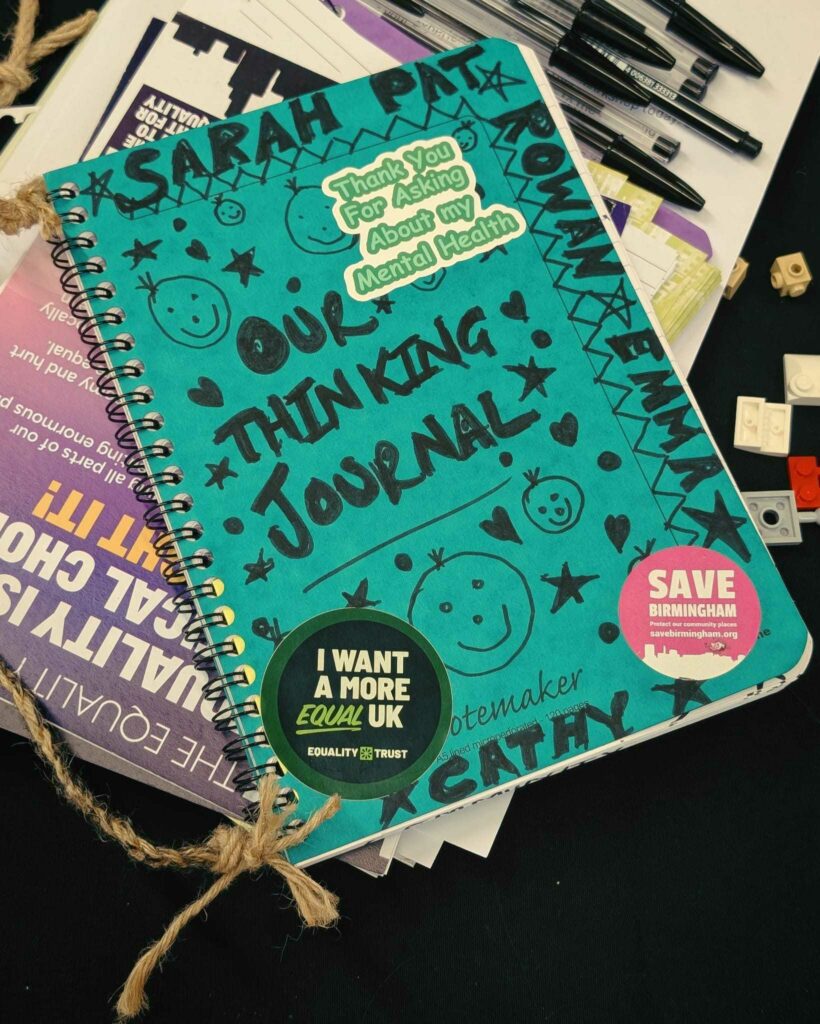
The workshop featured a panel of speakers who provided professional and academic context to the issues raised in the film. Kathy Hopkin, representing the "Save Birmingham" campaign, spoke extensively about the urgent need to protect community assets. Save Birmingham has been at the forefront of efforts to prevent the sale of public buildings and the shuttering of local libraries. Hopkin argued that once these spaces are lost to private developers or permanent closure, the infrastructure for community-led culture is effectively destroyed for a generation.
Dr. Pat Rozbicka from Aston University provided an academic perspective on the music and cultural ecosystem of the city. Her research highlights how small-to-medium-sized music venues serve as the "grassroots" of the industry. She noted that the current economic pressures are creating a "hollowing out" effect, where only the largest, commercially-backed entities survive, while the experimental and community-focused venues that define Birmingham’s unique cultural identity are forced to close.
Ian Francis of the Flatpack Festival discussed the challenges of maintaining inclusive festivals in a climate of dwindling public grants. He emphasized the importance of creative interventions that take art out of traditional venues and into the streets and parks, though he acknowledged that even these initiatives require a baseline of institutional support and funding that is currently under threat.
A Timeline of the Community Reporter Project
The January 29 event was the culmination of a year-long initiative funded by the Barrow Cadbury Trust as part of its Economic Justice place-based program. The timeline of the project reflects a deep commitment to grassroots empowerment:
- Early 2025: Recruitment of Community Reporters from diverse backgrounds across Birmingham. The program focused on individuals with lived experience of socio-economic hardship.
- Spring 2025: Training workshops held by The Equality Trust, focusing on ethical journalism, film production, and the "Socio-Economic Duty" framework (Section 1 of the Equality Act 2010).
- Summer – Autumn 2025: Fieldwork phase. Alev, Arash, and Jennifer conducted dozens of interviews across the city, capturing the voices of those often ignored in municipal planning.
- Winter 2025: Post-production and film editing, led by Keiran Fuller, to synthesize the interviews into the "Conversations of Change" documentary.
- January 29, 2026: Public screening and "Re-imagine a Better Brum" workshop at the MAC.
Workshop Findings: Re-imagining a Better Brum
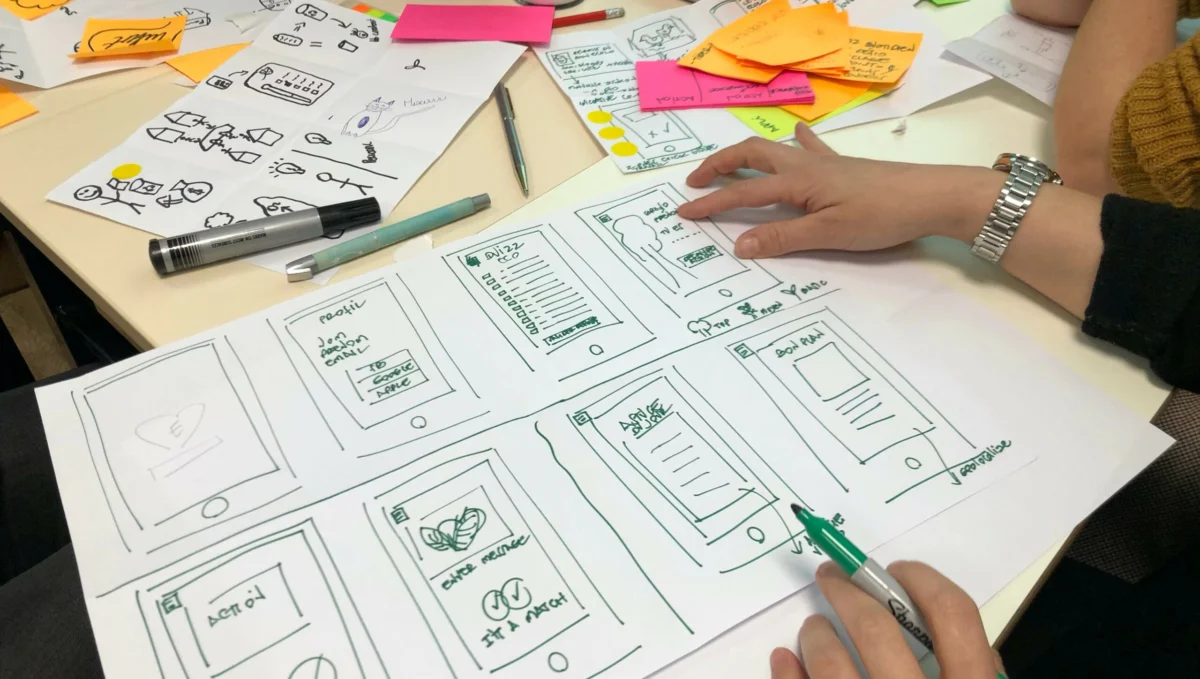
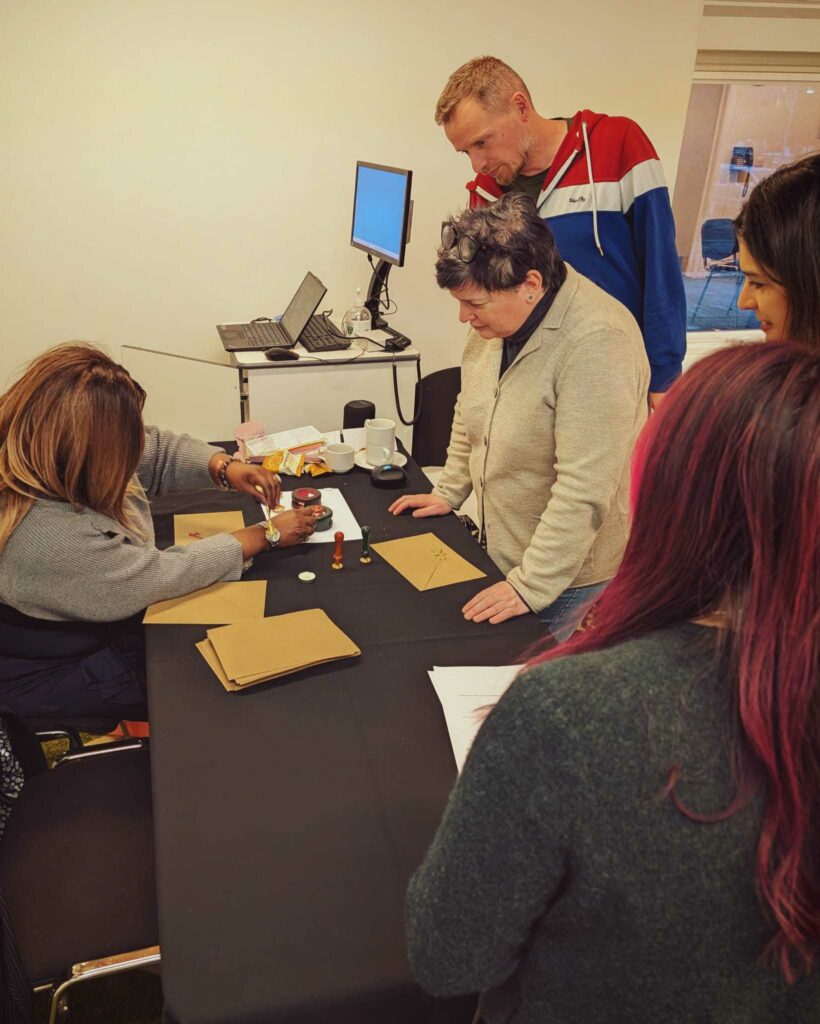
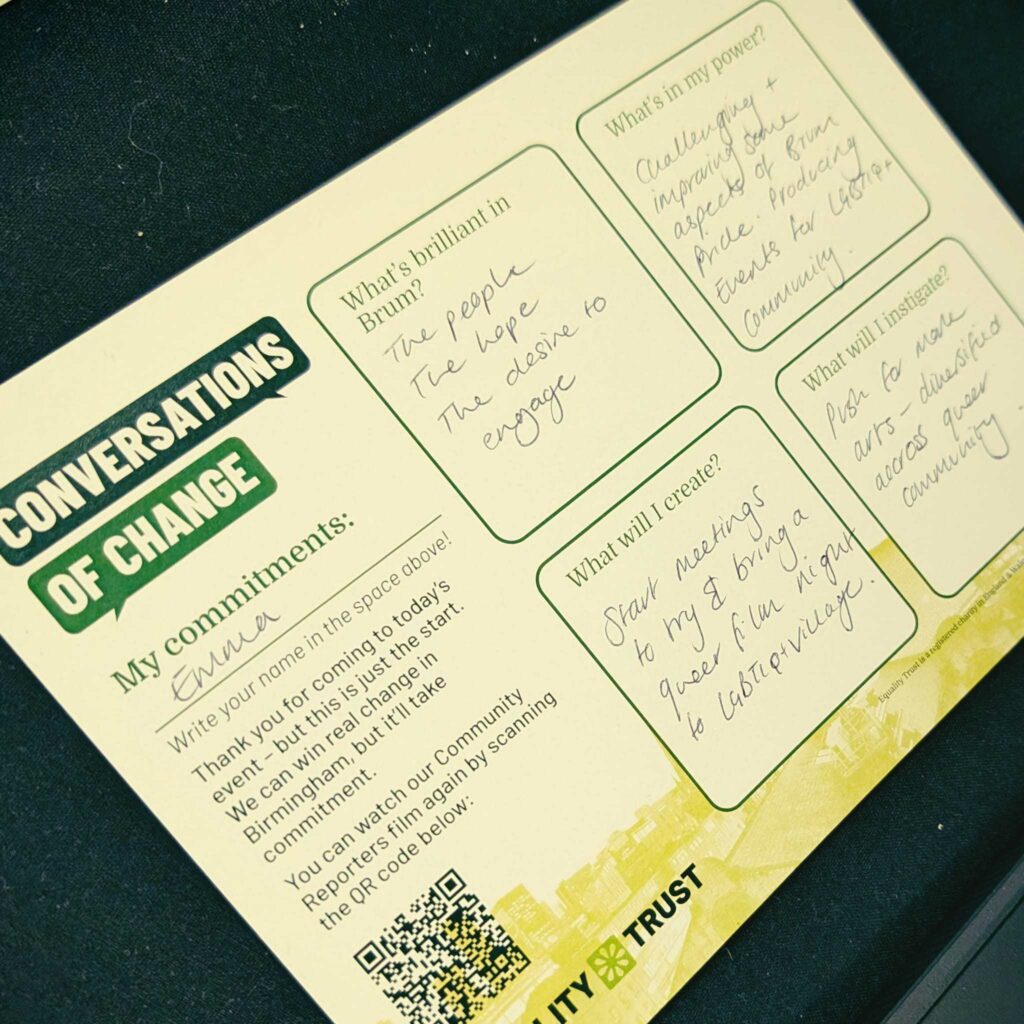
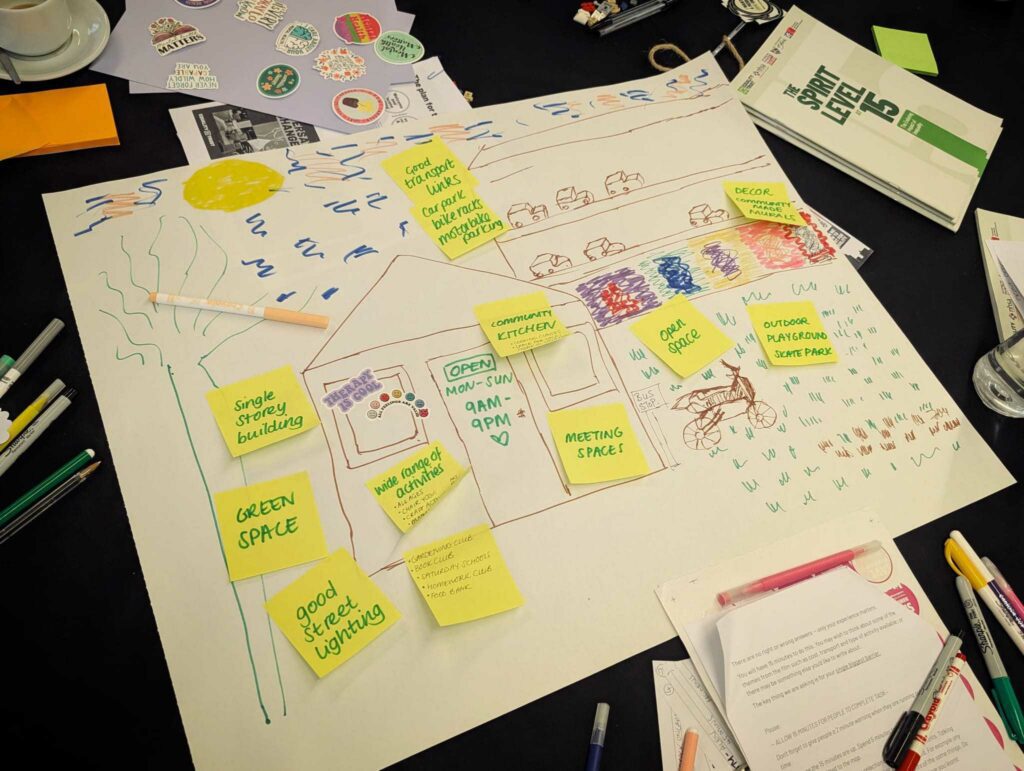
Following the film screening, attendees participated in a series of breakout sessions designed to brainstorm solutions to the cultural divide. The workshop was not merely an exercise in identifying problems but a platform for "grand plans" to drive systemic change.
Participants identified several key priorities for a more equitable Birmingham:
- Implementation of the Socio-Economic Duty: A call for the Birmingham City Council to formally adopt and implement the Socio-Economic Duty, which would require public bodies to consider how their decisions (including funding cuts) affect those living in poverty.
- Cultural "Social Prescribing": Integrating arts and culture into the public health framework, recognizing that access to creative outlets can reduce the burden on the NHS by improving mental health.
- Community Asset Transfers: Supporting local groups in taking over the management of threatened community centers and libraries to keep them in public use.
- Universal Basic Services: A broader vision where access to a basic level of cultural and recreational activity is treated as a fundamental right, similar to healthcare or education.
Broader Implications and Future Outlook
The Re-imagine a Better Brum workshop serves as a microcosm of a larger national debate regarding the role of culture in an era of fiscal austerity. As cities across the United Kingdom face similar financial pressures, the Birmingham model of using "Community Reporters" to bridge the gap between policymakers and the public is gaining traction.
The Equality Trust and the Barrow Cadbury Trust have indicated that the findings from this workshop and the "Conversations of Change" film will be used to lobby both local and national government. The goal is to move beyond temporary "sticking-plaster" grants and toward a sustainable funding model that recognizes the economic and social value of the arts.
For the residents of Birmingham, the event at the MAC was a rare moment of optimism. By centering the voices of those most affected by inequality, the project has begun the difficult work of drafting a new blueprint for the city—one where "culture" is defined not by the price of a ticket, but by the strength of the community. As the film editor Keiran Fuller and the reporters were thanked for their contributions, the message from the attendees was clear: a "Better Brum" is possible, but only if the city’s cultural heart is accessible to all its citizens, regardless of their bank balance.
The Equality Trust continues to invite residents to participate in this ongoing dialogue through their weekly newsletter and subsequent community forums, ensuring that the momentum generated on January 29 is translated into lasting policy change.