May 29, 2026 | By Lindsay Kagalis, Social Media Manager
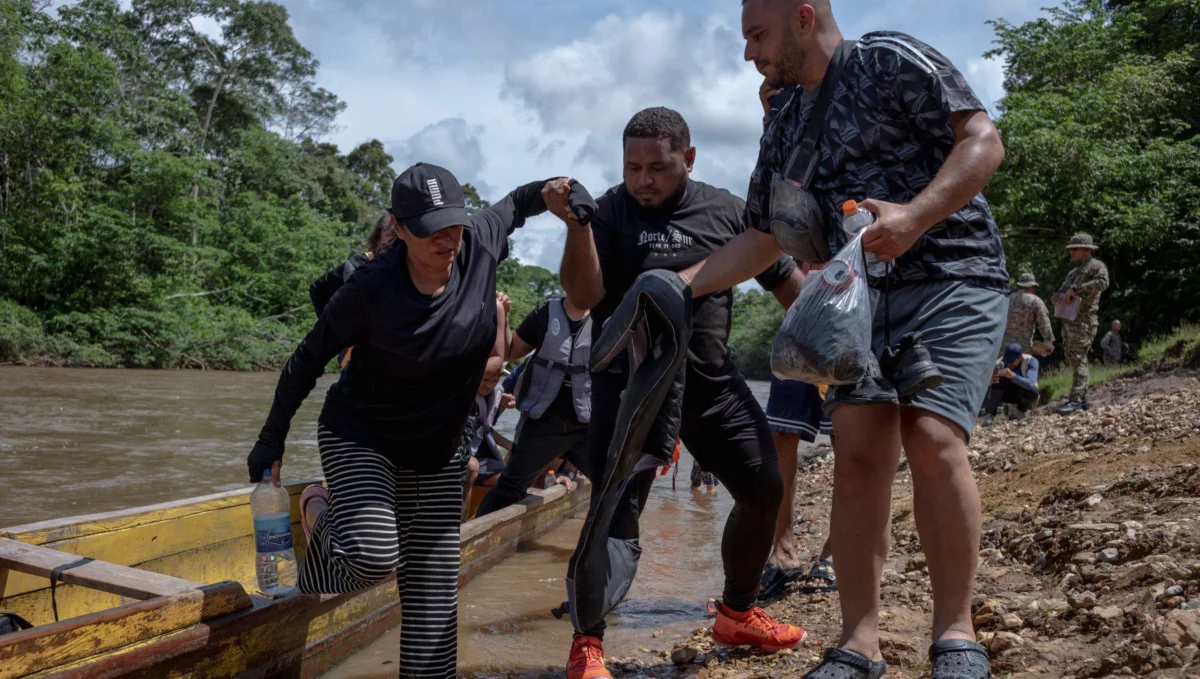
Thousands of individuals who embarked on perilous journeys seeking refuge and a better life in the United States have been compelled to retrace their steps, embarking on a daunting "reverse migration" due to a confluence of restrictive U.S. immigration policies, the effective closure of the U.S.-Mexico border to asylum seekers, and a significant reduction in accessible legal pathways. This dramatic reversal, unfolding primarily between February and August of 2025, has seen over 14,000 people, many of whom previously navigated the treacherous Darien Gap, forced to travel south once more, facing renewed dangers and uncertainty.
The Darien Gap, a formidable stretch of dense jungle and swampland straddling Colombia and Panama, has long been a notorious transit point for migrants attempting to reach North America. It is a route fraught with peril, including extreme violence, extortion by criminal organizations, forced labor, and severe medical emergencies. For those fleeing war, persecution, and systemic instability in their home countries, the arduous passage through the Gap represented a desperate gamble for safety and opportunity. However, recent policy shifts have transformed this arduous northbound trek into a potential journey in reverse, leaving many stranded or forced to abandon their aspirations of reaching the United States.
The Shifting Sands of Asylum Policy
The current wave of reverse migration is a direct consequence of the U.S. administration’s tightening immigration controls. The closure of the U.S.-Mexico border to asylum seekers, coupled with increasingly limited and complex legal avenues for entry, has rendered the traditional asylum process nearly unattainable for many. This abrupt policy recalibration has created a bottleneck, preventing individuals from reaching U.S. soil to present their cases and forcing them to confront the harsh realities of prolonged displacement and the dangers inherent in their current locations.
In early 2025, significant cuts to humanitarian assistance enacted by the U.S. government further exacerbated the crisis. These reductions, which targeted programs providing essential food, water, medical care, education, and other vital support systems, created gaping voids in the aid infrastructure for vulnerable populations worldwide. The ripple effect of these cuts has been profound, impacting the ability of organizations to provide the necessary resources to migrants navigating complex and dangerous routes, pushing individuals further into precarious situations.
The Overlooked Struggles of Solo Male Travelers
Amidst the broader discourse on migration patterns and the challenges faced by families and vulnerable groups, the specific plight of solo male travelers often remains overlooked. These individuals constitute approximately half of the migrant population moving through the region, and their journeys are frequently marked by extreme risks and profound isolation. Unlike families who may have a built-in support system, solo men often face heightened vulnerability to exploitation, violence, and a lack of immediate recourse when encountering difficulties.
Stories of Resilience and Setbacks
The human cost of these policy shifts is vividly illustrated by the experiences of individuals like Salem and Nerli, two solo male travelers whose journeys highlight the complexities and immense personal sacrifices involved.
Salem, who has been traveling for nearly six years, found himself in Mexico at the end of 2025. Faced with insurmountable barriers to entering the U.S., he made the difficult decision to turn back, heading south towards his home country. For the majority of his extensive travels, Salem has relied solely on his own resilience and resourcefulness. "Ever since I left, I’ve never asked anyone for help; I’ve always done what I could to make it on my own," he shared, underscoring a deep-seated determination to achieve self-sufficiency.
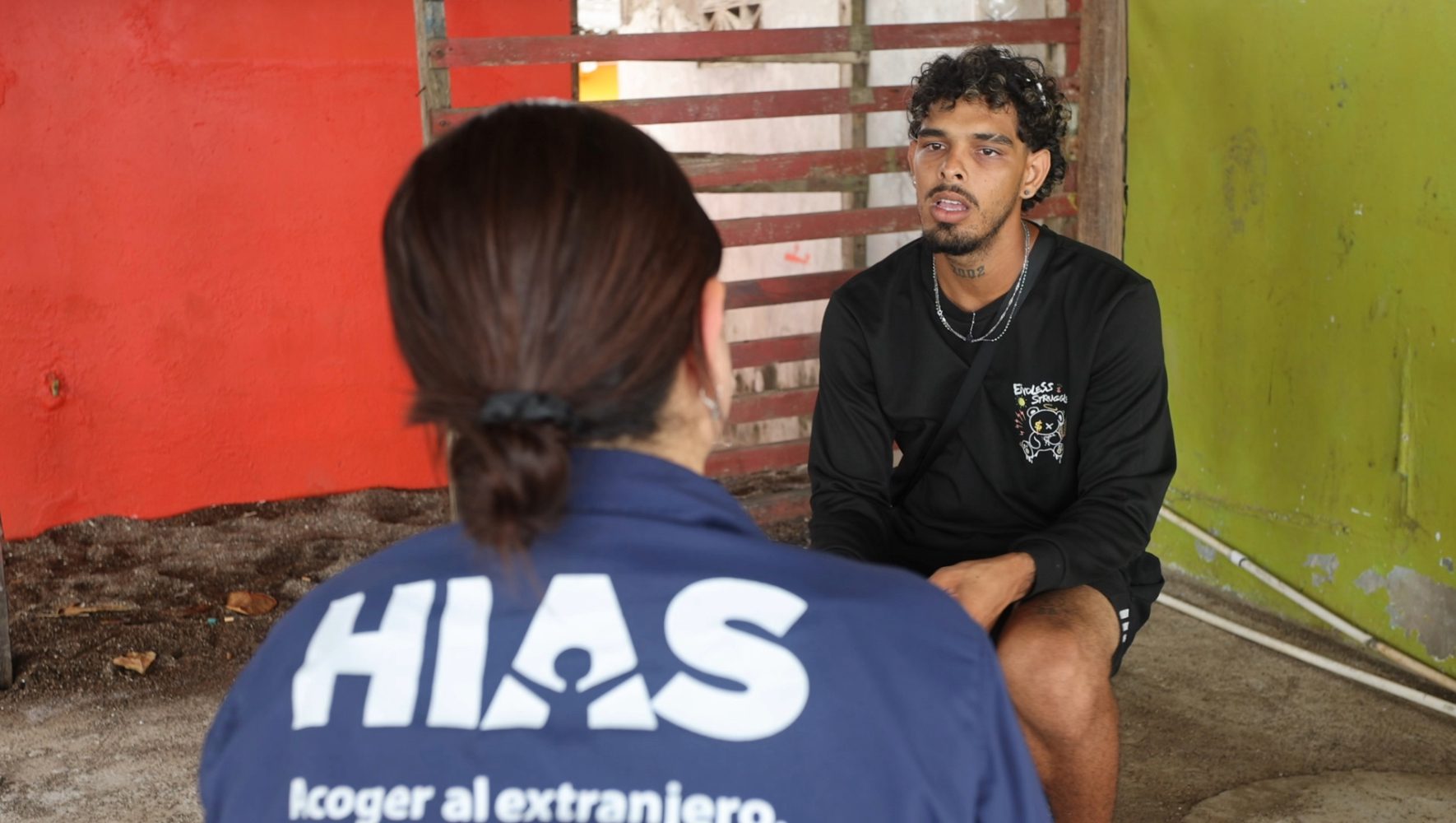
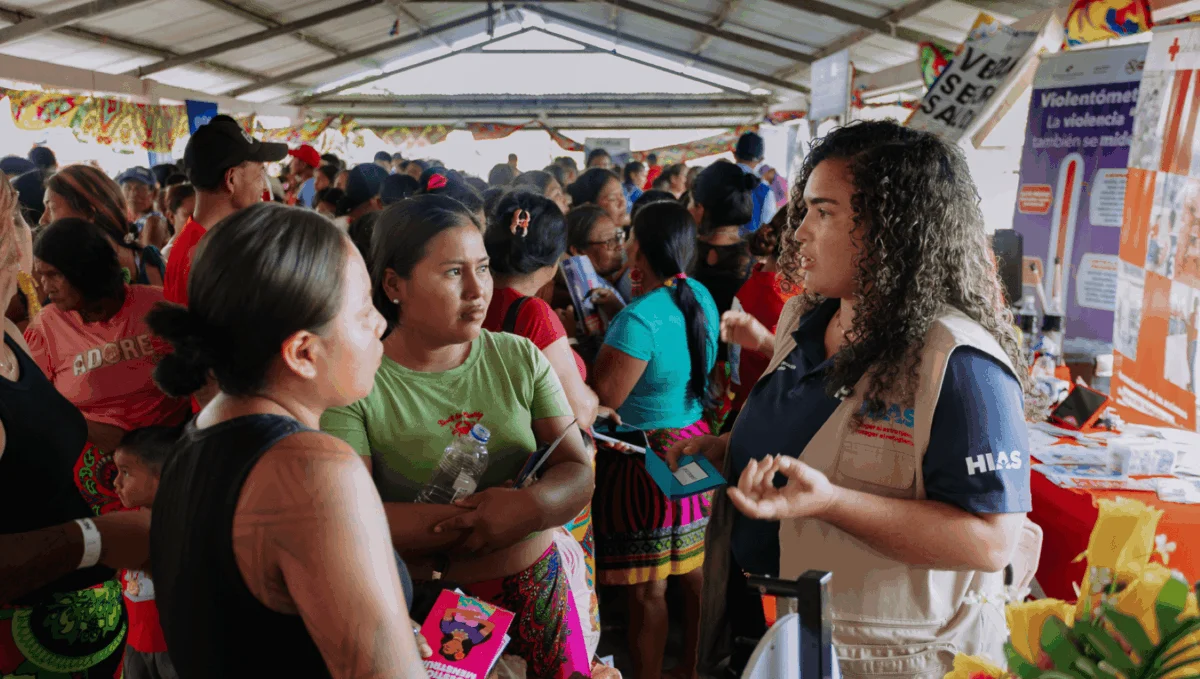
A significant turning point in Salem’s arduous journey occurred when he met his now-wife. Together, they continued their southward trek towards Colombia, where relatives awaited to assist them in preparing for the birth of their child. However, upon their arrival in Panama, Salem’s wife experienced severe pregnancy-related complications, necessitating immediate medical intervention. In Miramar, they encountered HIAS Panama staff, whose timely assistance proved critical. The HIAS team facilitated an ambulance, provided essential baby supplies and hygiene kits, and arranged a safe space for Salem to rest while his wife received medical care. This intervention exemplifies the vital role of humanitarian organizations in providing immediate relief amidst overwhelming challenges.
Yazcari Murillo, HIAS Panama’s Protection Officer, emphasized the importance of human connection in delivering effective assistance. "Each person has a story – and often, it’s good to have that human connection in order to provide service in the best way possible," she stated, reflecting on the profound impact of their work with the migrant community in Miramar. Despite the reduced capacity due to aid cuts, HIAS Panama’s dedicated team remains on the ground, offering protection services, mental health support, emergency assistance, and resource sharing to vulnerable populations transiting through the region.
Nerli’s story is another testament to the enduring challenges faced by solo travelers. He has spent a decade on the move, driven by the hope of creating a better future for the son he left behind as a toddler. During his recent journey south, Nerli was part of a group of eight solo travelers traveling alongside several families. Upon reaching Panama, where aid and safe transportation were limited, Nerli and the other solo travelers voluntarily relinquished their spots, allowing families to proceed first.
For over five months, Nerli has been residing in Miramar, volunteering at Casa Rosada (the Pink House), a migrant shelter. In exchange for his work in organizing and maintaining the facility, he receives free accommodation. However, his contribution extends far beyond a transactional exchange. "I’m sort of contributing my own little grain of sand to the migrant community here in Miramar," Nerli remarked, highlighting his commitment to supporting fellow travelers.
Analysis of Implications and Broader Impact
The current situation presents a complex web of humanitarian, political, and social implications. The forced reverse migration signifies a failure to provide adequate protection and viable pathways for asylum seekers, pushing individuals into increasingly precarious and dangerous situations. This not only strains the resources of transit countries but also perpetuates cycles of vulnerability and displacement across the region.
The reliance on treacherous routes like the Darien Gap, even in reverse, underscores the desperation of individuals fleeing instability. The increased risk of violence, exploitation, and human trafficking escalates in such environments, particularly for those without established support networks. The decision to turn back, driven by policy rather than choice, represents a profound setback for thousands who had already endured immense hardship.
The role of organizations like HIAS becomes even more critical in this evolving landscape. Their continued presence and provision of essential services in key transit areas, such as Miramar, are lifelines for migrants facing diminished support. The commitment from foundations like the Hilton Foundation is crucial in enabling these organizations to adapt and respond to the dynamic needs of displaced populations.
A Call for Comprehensive Solutions
The escalating "reverse migration" phenomenon serves as a stark indicator of the human consequences of restrictive immigration policies. It highlights the urgent need for a multi-faceted approach that prioritizes humanitarian protection, expands legal pathways for asylum, and addresses the root causes of displacement. Without a shift towards more compassionate and comprehensive immigration strategies, the perilous journeys of thousands seeking safety will continue, with the added tragedy of forced reversals and prolonged suffering. The stories of Salem and Nerli are not isolated incidents but represent the lived experiences of a growing number of individuals caught in the crosscurrents of shifting global migration policies, a testament to their enduring hope and resilience in the face of overwhelming adversity.