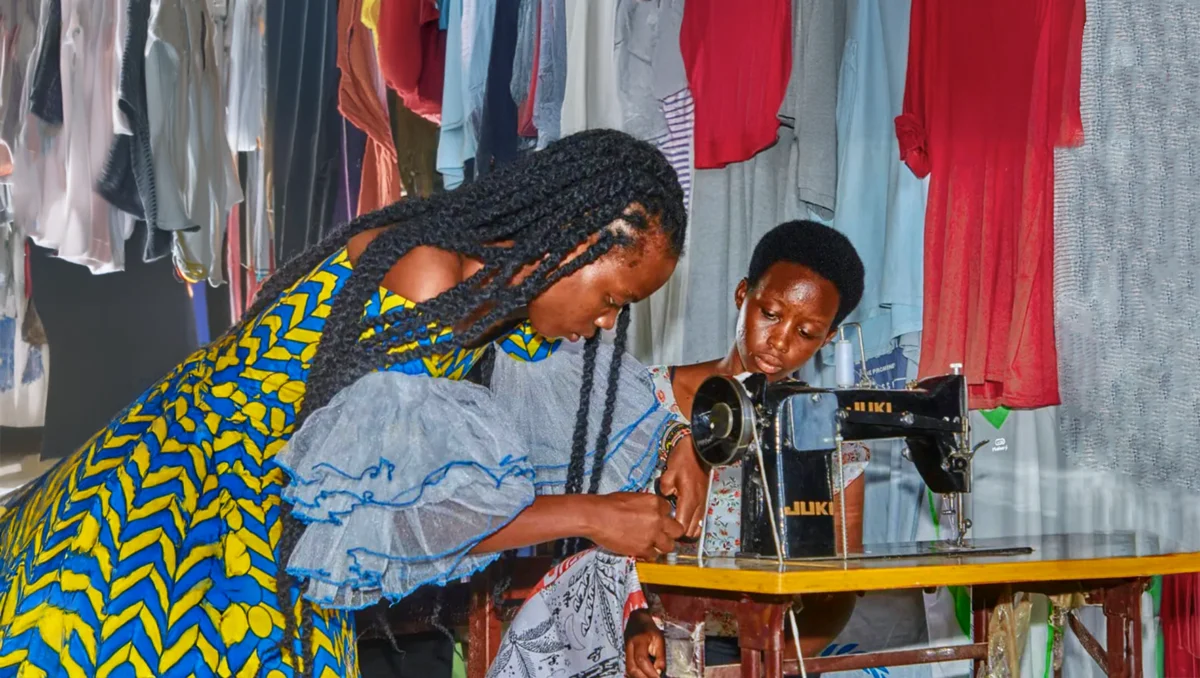
The stark reality for refugees in Kenya has become increasingly grim over the past year, as significant reductions in humanitarian aid from the United States and European governments have forced individuals and families into agonizing choices. These cuts, impacting vital services, have led to children being withdrawn from school, essential medical care being forgone, and a pervasive rise in hunger and malnutrition, as documented by organizations like the World Food Programme. While the repercussions are widespread, women and girls bear a disproportionate burden, experiencing escalating domestic and sexual violence, increased school dropouts, and even facing reduced food rations within their own families. This crisis threatens to unravel years of progress in protection and empowerment, pushing vulnerable populations further into precarious situations.
The Deepening Crisis in Kenya’s Refugee Response
Doris Kawira, Country Director for HIAS Kenya, articulated the human cost of these financial constraints with palpable concern. "The funding cuts in Kenya’s refugee response are not just numbers on a spreadsheet," she stated. "They are felt more acutely by women and girls. We are seeing safe spaces close, fewer services, and girls dropping out of school because their families can no longer afford necessities. The cuts are pushing girls into further vulnerabilities and increasing risks of early marriage, exploitation, and abuse. We risk reversing years of progress in protection and empowerment."
The implications of these cuts extend beyond immediate needs. Without adequate support, the foundations of stability and future prospects for refugee communities are eroding. The UNHCR’s 2023 Global Trends report highlighted that by the end of 2023, 117.3 million individuals worldwide were forcibly displaced, a staggering 8% increase from the previous year, underscoring the growing global need for humanitarian assistance that is now being severely curtailed. In Kenya, a nation hosting one of the largest refugee populations in Africa, this reduction in aid has exacerbated existing vulnerabilities.
Linah’s Story: A Glimpse into the Personal Impact of Aid Reduction
Amidst this challenging landscape, the story of Linah, a young woman born in Kenya to Ugandan refugee parents, offers a poignant illustration of the human toll. An aspiring electrical engineering student, Linah’s dreams were recently brought to a halt by financial constraints. Her refugee status repeatedly denied her internship and work opportunities, leading to profound stress, isolation, and self-doubt. "I felt like I would never become someone substantial," Linah recounted, her voice reflecting the weight of her experiences.
Her journey took a turn when a community leader, recognizing her distress, referred her to HIAS Kenya’s Self-Help Plus program. This initiative, crucially supported by the European Civil Protection and Humanitarian Aid Operations (ECHO), offers a structured five-session group stress-management program developed by the World Health Organization. The program is designed to equip refugees with essential mental health tools, a critical component often overlooked in the face of competing humanitarian priorities.
The Transformative Power of Mental Health Support
Linah’s participation in the Self-Help Plus program proved to be a turning point. She learned practical techniques for managing her mental well-being, with grounding exercises becoming particularly vital in navigating her stress and emotions. More importantly, the program provided a sense of community and shared experience. Surrounded by peers facing similar struggles, Linah discovered she was not alone. "What made the program successful for me is that I connected with other people, from the participants to the facilitator to the content being shared," she explained. "It made me feel like I truly belong and that I am not alone."
Before this intervention, Linah often withdrew, struggled to speak up, and engaged in negative self-comparisons, particularly amplified by social media. Today, she describes herself as "a whole new being." She now makes decisions with newfound confidence, integrates grounding skills into her daily routine, and approaches challenges with a clearer, more balanced perspective. Even at home, when tensions arise, she confronts problems with maturity and emotional equilibrium, a stark contrast to her previous tendency to retreat. "Challenges are part of everyday life but learning how to cope with them ensures that we face life head-on," she stated, her voice resonating with resilience.
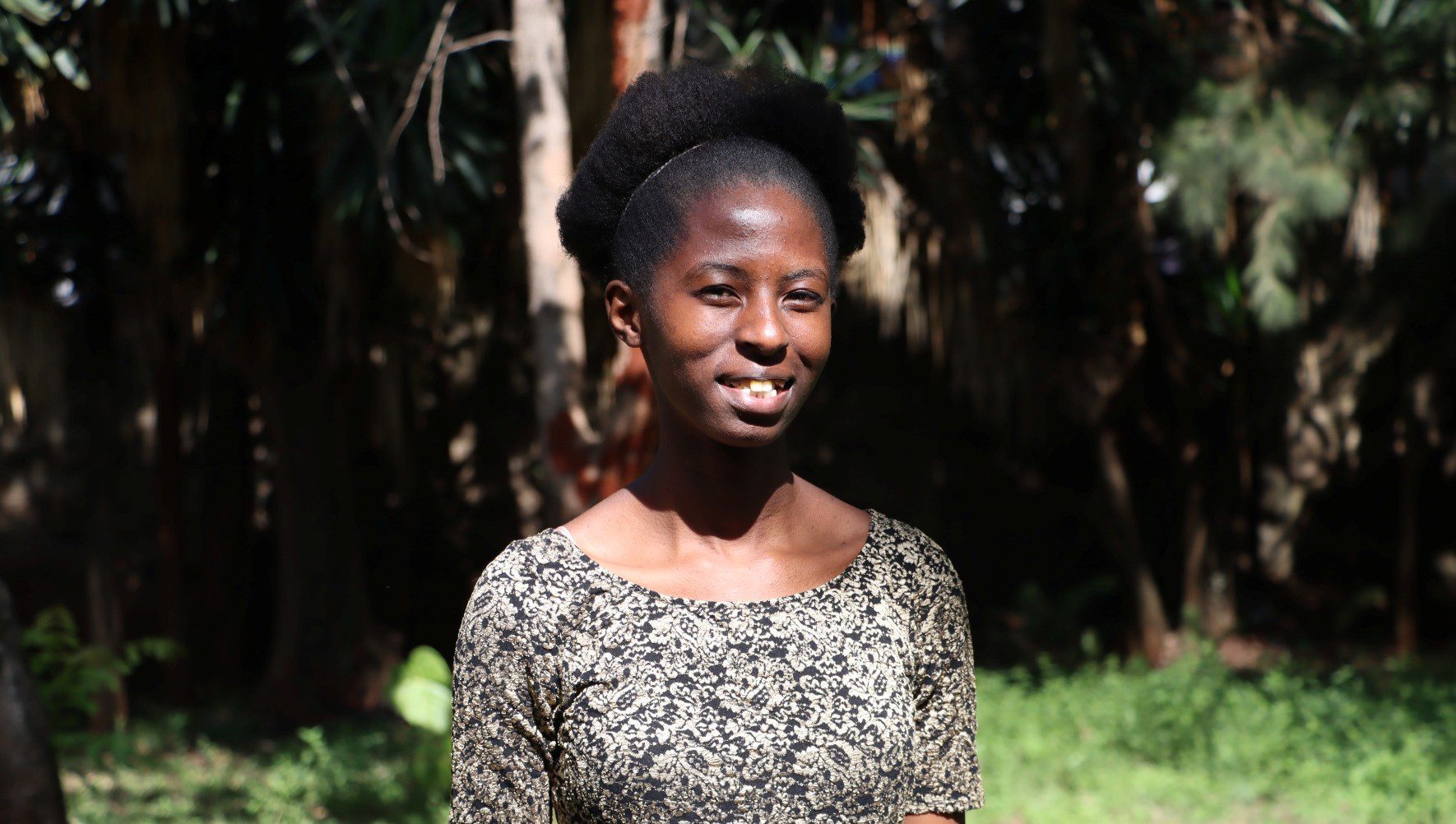
Amplifying Impact: Linah as a Peer Supporter
Linah’s transformation has extended beyond her personal growth. She now actively applies the lessons learned from HIAS to support friends and community members experiencing mental health crises, positioning herself as a peer supporter. This organic development highlights the multiplier effect of investing in mental health within refugee communities.
Doris Kawira emphasized the crucial role of such programs: "Self-Help Plus groups have equipped the refugees with practical tools to manage stress, cope with trauma, and rebuild a sense of control over their lives. In this setting where formal mental health services are limited, these groups are creating safe spaces for people – especially women and girls – to support one another, strengthen resilience, and regain hope for the future."
Addressing the Overlooked Crisis: Mental Health and Refugee Women
Despite the evident need, mental health remains a significantly underfunded and often deprioritized aspect of humanitarian aid for refugees in Kenya. The trauma of displacement, coupled with the ongoing stressors of precarious living conditions, creates a profound need for psychological support. As one Somali refugee woman poignantly articulated, "Most of the women here require mental support for their peace of mind and we do not have that." This sentiment underscores a critical gap in current aid efforts, leaving many vulnerable individuals without the necessary resources to heal and thrive.
HIAS Kenya, despite the arduous funding landscape, remains steadfast in its commitment to assisting as many refugees as possible, with a particular emphasis on mental health support. The organization acknowledges that scaling back these services is not an option, especially for women who often bear the brunt of displacement, caregiving responsibilities, trauma, and economic hardship. "As HIAS, we cannot afford to scale back mental health support for refugee women," Doris Kawira asserted. "They are carrying the weight of displacement, caregiving, trauma, and economic hardship. When we support refugee women’s mental health, we are safeguarding the resilience of entire communities."
Broader Implications and the Path Forward
The situation in Kenya is emblematic of a wider global challenge. As aid budgets shrink, humanitarian organizations are forced to make agonizing decisions, often cutting back on services that, while not immediately life-saving in the most acute sense, are crucial for long-term well-being and community stability. The implications of neglecting mental health support are far-reaching, potentially leading to increased social breakdown, further exploitation, and a perpetuation of cycles of trauma and vulnerability.
Linah’s journey, from the brink of despair to a confident peer supporter and aspiring engineer, serves as a powerful testament to the impact of targeted, holistic support. Her ability to secure IT skills, leading to a part-time job and keeping her educational dreams alive, highlights the interconnectedness of economic empowerment, education, and mental well-being. She attributes her current confidence to a constellation of support, including community leaders, county initiatives, and HIAS Kenya’s mental health interventions. "There’s a calming effect and a sense of belonging that comes with these sessions," Linah shared. "Mental health is often overlooked, but through programs like Self-Help Plus, we finally have a place to speak openly."
The crisis in Kenya underscores the urgent need for sustained and increased investment in humanitarian aid, particularly for programs that address the complex psychosocial needs of displaced populations. Organizations like HIAS, supported by partners like ECHO, are demonstrating that by prioritizing mental health, they are not only healing individuals but also building stronger, more resilient communities capable of navigating future challenges and ultimately, thriving. The ongoing struggle to secure adequate funding for these vital services highlights the critical importance of advocacy and sustained global commitment to ensuring that the unseen toll of displacement does not go unaddressed.