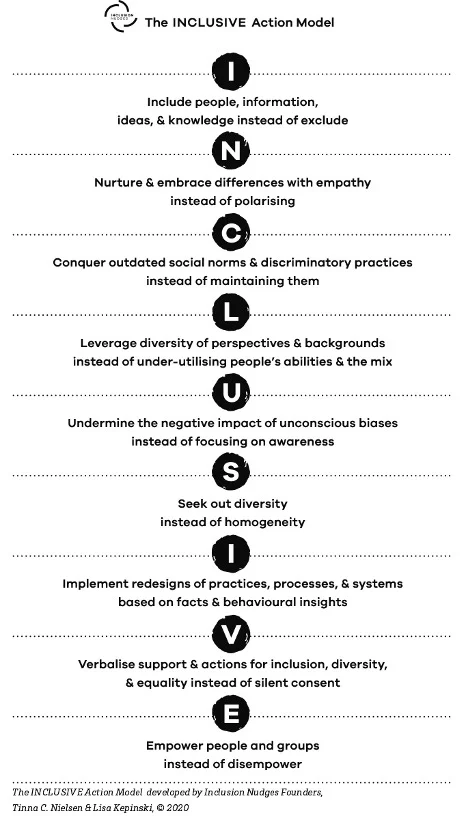
The past two years have marked an unprecedented period of rapid-paced experimentation and profound shifts in the global understanding of work, largely catalyzed by the ongoing pandemic. This era has not only accelerated existing trends but also introduced new dynamics, fundamentally reshaping how organizations approach their operations, culture, and engagement with societal issues. Among the most salient and challenging of these emerging trends are increased societal polarization and the rise of employee activism, which collectively present complex considerations for diversity, equity, and inclusion (DEI) initiatives. This analysis, part of a broader series examining pandemic-era shifts categorized under Purpose, People, Process & Policy, delves into the intricate interplay of polarization and activism and their far-reaching implications for the modern workplace.
The Intensification of Societal Division
The global health crisis, while ostensibly a unifying threat, paradoxically exacerbated existing societal fault lines and created new ones. As communities worldwide grappled with lockdowns, health mandates, and economic uncertainty, a spectrum of intense emotions—including sadness, loss, fear, a sense of lost control, and anger—permeated public discourse. This emotional landscape inevitably spilled over into broader society, manifesting as heightened division. Research conducted across 17 countries revealed a stark increase in this sentiment, with 60% of individuals reporting that their society felt more divided than before the pandemic. This represented a significant 30% surge compared to pre-pandemic rates, indicating a rapid deterioration of social cohesion in a relatively short period.
The reasons behind this escalating division are multi-faceted. Economic disparities, already a persistent challenge, widened dramatically as some sectors thrived while others collapsed, leaving millions unemployed or facing precarious work conditions. The psychological toll of prolonged uncertainty, isolation, and grief contributed to a collective sense of exhaustion and frustration. Moreover, the rapid dissemination of information and misinformation through digital channels often amplified echo chambers, making it increasingly difficult for individuals to engage in constructive dialogue across differing viewpoints. This confluence of factors laid the groundwork for a more fractured social fabric, impacting everything from community relations to political landscapes. Public health measures, such as mask mandates and lockdowns, became deeply politicized, further entrenching opposing viewpoints and fostering an environment ripe for conflict.
Workplace Confrontations: Vaccine Mandates and Customer Abuse
The fault lines of societal division quickly extended into the professional sphere, creating novel challenges for employers. Policies requiring vaccinations for employees to return to the office or interact with colleagues and customers, colloquially termed "no jab, no job" policies, became a particularly contentious issue. For many, these mandates were viewed as a necessary public health measure, a collective responsibility to ensure safety and facilitate economic recovery. However, for a significant segment of the population, such policies were perceived as an overreach of corporate or governmental authority, infringing upon individual autonomy and personal liberties. This clash of deeply held beliefs created internal discord within organizations, forcing leaders to navigate complex ethical, legal, and operational dilemmas. The debates often pitted public health advocates against proponents of individual freedom, leading to emotional and sometimes confrontational exchanges within teams and across company hierarchies, occasionally resulting in legal challenges and widespread employee disgruntlement.
Beyond internal disputes, the broader societal "COVID rage" manifested in alarming increases in customer abuse directed towards workers, particularly in the hospitality and service sectors. Reports highlighted a disturbing trend where up to 80% of workers in these frontline roles witnessed or experienced direct abuse from customers. This phenomenon, fueled by widespread frustration, fatigue, and a perceived lack of control, placed immense psychological strain on essential workers already facing health risks and often low wages. The erosion of civility in public interactions underscored a broader societal stress, with frontline employees bearing the brunt of collective anxieties. This trend not only impacted employee well-being and retention but also highlighted a critical need for organizations to prioritize worker protection and support mechanisms, including clearer policies, de-escalation training, and mental health resources.
Compounding these issues was the stark reality of widening global inequalities. The "haves" and "have-nots" became more pronounced in terms of access to COVID-19 vaccines, a crucial determinant for health security and economic participation. Nations and communities with robust healthcare infrastructures and financial resources could vaccinate their populations more rapidly, facilitating a quicker return to normalcy and economic recovery. Conversely, regions lacking these resources lagged, creating a global divide that deepened existing socio-economic disparities. This imbalance not only posed a moral imperative but also had practical implications for international businesses, supply chains, and global workforce mobility, exacerbating a sense of injustice and fueling further discontent among those left behind.
Erosion of Trust and the Global Rise of Employee Activism
The pandemic-induced polarization did not occur in a vacuum but rather intensified against a backdrop of years-long erosion of trust in public officials and civic institutions. A global study conducted in August 2021 revealed a profound distrust among younger generations. Millennials and Generation Z, in particular, demonstrated such deep-seated skepticism that they expressed higher "faith in governance by a system of artificial intelligence than by a fellow human being." This startling preference underscored a pervasive disillusionment with traditional leadership structures, stemming from ongoing concerns about corruption, perceived stale political leadership, and the constant threat to physical safety experienced by activists and people of color due to surveillance and militarized policing. This long-term decline in institutional trust, documented by various global surveys like the Edelman Trust Barometer, created fertile ground for skepticism towards established authorities, including corporate leadership.
This simmering discontent reached a boiling point with the tragic murder of George Floyd in May 2020. The event ignited a global wave of Black Lives Matter and anti-racism activism, with protests erupting in over 60 countries. This movement brought issues of systemic inequality and discrimination into sharp focus, transforming them from niche concerns into mainstream discussions within society and, critically, within the workplace. Employees, particularly younger generations, began demanding that their employers acknowledge and address these injustices, not just through symbolic gestures but through tangible actions. The immediate corporate response was varied, with many companies issuing statements of solidarity and pledging support for racial justice, but the true test lay in sustained, meaningful action.
This period marked a fundamental shift in employee expectations. Global research indicated that as high as 76% of employees now expect and demand that their workplace leaders take a public stand on key social issues. No longer content with merely executing their job descriptions, employees became increasingly energized to take action themselves if they felt it was necessary to drive change. A comprehensive survey in August 2021 highlighted this empowerment, with 60% of employees globally feeling capable of being "change-makers" in their workplace. More strikingly, 75% globally stated they would take action to advance urgently needed changes within their organization, with 40% indicating a willingness to go public through whistleblowing, protesting, or social media posts. This willingness to engage in public dissent signaled a new era of employee power and accountability for corporate leadership, forcing companies to reconsider their role in broader societal debates.
The United States, in particular, witnessed a significant resurgence of interest in labor unions. Employees increasingly sought collective bargaining power to safeguard human rights at work, improve working conditions, and actively participate in redesigning organizational cultures. This renewed unionization drive was a direct response to perceived power imbalances and a desire for greater equity and voice in a post-pandemic economic landscape characterized by high inflation and stagnant wages for many. In October 2021 alone, more than 25,000 workers were on strike across various industries, a substantial increase compared to the average of 10,000 during the preceding three months, underscoring the growing assertiveness of the labor force. This "Great Resignation," where millions voluntarily left their jobs, was not solely driven by a desire for better pay or flexibility; a significant portion—33%—quit when their employer failed to speak out about a societal or political issue the employee felt it had an obligation to address, demonstrating a powerful link between corporate values and talent retention.
The Imperative for Inclusive Leadership: From Silence to Action
Despite these clear signals of a dramatically changed employee landscape, there is a palpable disconnect between employee expectations and organizational responses. A global survey revealed that only 48% of employees felt their employers were genuinely acting on their stated values. This significant gap carries substantial risks, including a decrease in employee trust, erosion of leaders’ credibility, and a decline in overall engagement, which directly contributes to talent attrition in an already competitive labor market. When employees perceive a disparity between a company’s public pronouncements and its internal practices, it breeds cynicism and disengagement, undermining morale and productivity.
The era of the "silent executive" on critical DEI issues is unequivocally over. Pious public statements and performative allyship without accompanying systemic change are no longer tolerated. Employees, now more informed and empowered than ever, demand authenticity and tangible action. The new standard for leadership is to embody inclusivity, actively demonstrating allyship through concrete actions rather than merely through social media posts or corporate platitudes. This requires leaders to not only articulate a clear stance on social justice and equity but also to embed these values into organizational policies, practices, and culture, ensuring that DEI is integrated into every facet of business operations and decision-making. This includes transparent reporting on diversity metrics, accountability for inclusive behaviors, and a commitment to dismantling systemic barriers.
Implications for Diversity, Equity, and Inclusion (DEI)
The twin forces of polarization and activism have profound implications for Diversity, Equity, and Inclusion (DEI) initiatives. In a polarized environment, DEI efforts can become particularly challenging, as discussions around identity, equity, and historical injustices may be met with resistance or become politicized. Leaders must therefore cultivate environments where difficult conversations can occur respectfully and constructively, fostering psychological safety for all employees. This involves developing robust communication strategies, providing training on unconscious bias and inclusive dialogue, and ensuring that DEI initiatives are perceived as genuine commitments to fairness and equity, rather than mere corporate virtue signaling. A nuanced approach is required, acknowledging the diverse perspectives within the workforce while upholding core values of respect and inclusion.
Employee activism, while potentially disruptive, also presents a powerful catalyst for authentic DEI progress. When employees feel empowered to voice concerns and advocate for change, it can accelerate the identification and remediation of systemic inequities. Organizations that embrace and channel this energy, rather than suppressing it, stand to gain significant benefits in terms of innovation, employee engagement, and brand reputation. This necessitates a shift from a top-down approach to DEI to a more collaborative, co-created model where employee insights and advocacy are central to strategy development and implementation. Leveraging employee resource groups (ERGs) and creating formal channels for feedback can transform dissent into constructive action.
Furthermore, the renewed focus on labor rights and the "Great Resignation" underscore the need for DEI strategies to extend beyond demographic representation to encompass genuine equity in compensation, working conditions, and opportunities for advancement. Addressing the "haves and have-nots" within an organization, ensuring fair access to resources, development, and decision-making power, becomes paramount. DEI initiatives must evolve to address economic justice, mental well-being, and work-life balance, integrating these elements into a holistic approach to employee experience. The goal is not just to attract diverse talent but to create an environment where all employees can thrive and feel valued.
Strategic Pathways for Inclusive Organizations
To navigate this complex landscape, organizations must adopt proactive and data-driven approaches to DEI and inclusive leadership.
- Data-Driven Insights: Leaders must actively "Show Data to Easily See Problems & Do Actions." This involves transparently collecting and analyzing data on employee sentiment, experiences of discrimination, pay gaps, and representation across all levels. Presenting this data in an accessible manner can help cut through polarization by grounding discussions in facts, highlighting systemic issues, and demonstrating the clear business and ethical case for DEI interventions. Data also allows for tracking progress and holding leaders accountable.
- Challenging Excuses and Stereotypes: Organizations must employ "Alternative to Diversity Excuses," moving beyond superficial explanations for a lack of diversity or equity. This means critically examining hiring practices, promotion pathways, and cultural norms that may inadvertently perpetuate exclusion. Additionally, actively "Countering Stereotypes Using Images & Social Media" and "Re-framing ‘Migrant’ to ‘Human’" (or similar stigmatized groups) can help dismantle biased perceptions and foster a more inclusive mental model within the workplace and beyond. This requires intentional effort to challenge implicit biases in communication and representation.
- Fostering Empathy and Understanding: Initiatives such as "Ally Through Empathic Perspective Taking" are crucial. By encouraging employees to understand and share the feelings of others, particularly those from marginalized groups, organizations can build bridges across divides. This can be facilitated through storytelling, diverse representation in leadership, and structured opportunities for intergroup dialogue. Empathy-building programs can help humanize differences and reduce the "us vs. them" mentality that fuels polarization.
- Proactive Anti-Xenophobia and Anti-Discrimination Campaigns: In an era of heightened division, explicit campaigns like "Anti-Xenophobia Campaign Realizing What We Lose" are essential. These campaigns can highlight the benefits of diversity, challenge discriminatory narratives, and emphasize the collective loss when talent and perspectives are excluded. Publicly affirming a commitment to anti-discrimination and inclusion sends a clear message about organizational values.
- Inclusive Workplace Models: The shifts demand a re-evaluation of traditional workplace models. Leaders must ask "How Do I Create New Inclusive Workplace Models?" This involves designing flexible work arrangements, equitable access to technology and resources, and creating a culture where diverse contributions are valued and rewarded. It also means investing in managerial training to equip leaders with the skills to manage diverse teams in hybrid or remote settings, address conflict constructively, and champion inclusive behaviors.
Conclusion: A New Era of Corporate Accountability
The pandemic era has irrevocably altered the landscape of work, ushering in a period defined by increased societal polarization and an empowered, activist workforce. The challenges are significant, demanding that organizational leaders move beyond performative gestures and embrace a model of inclusive leadership that is both authentic and action-oriented. The future of work, and indeed the success of organizations, will hinge on their ability to transparently address social inequities, foster genuine trust, and actively engage employees as partners in driving meaningful change. The silence of the past is no longer an option; the imperative is to become an "ally by action," shaping workplaces that are not only productive but also equitable, just, and truly inclusive for all.
Acknowledgements and Further Engagement:
This article draws insights from a September 2021 HR Master Class delivered by Lisa, co-founder of Inclusion Nudges, as part of Legal Island’s initiative to support DEI change makers. The session explored these pandemic-era research trends and their implications for DEI strategies.
The summary of research on emerging workplace trends from the pandemic-era aims to spark reflection and dialogue among those committed to advancing DEI and inclusive leadership within their organizations. For advisory consulting, coaching, and speaking engagements on these critical topics, inquiries can be directed to [email protected].
Further Reading:
For a deeper dive into related topics, explore other articles in the series and additional insights:
- The Pandemic-Era Shifts in Work & DEI Series: PEOPLE, PROCESS & POLICY, and PURPOSE, along with the FULL ARTICLE.
- Ally by Actions – Not by Posting on Social Media
- Ally Through Empathic Perspective Taking
- Ask Lisa & Tinna: How Do I Create New Inclusive Workplace Models?