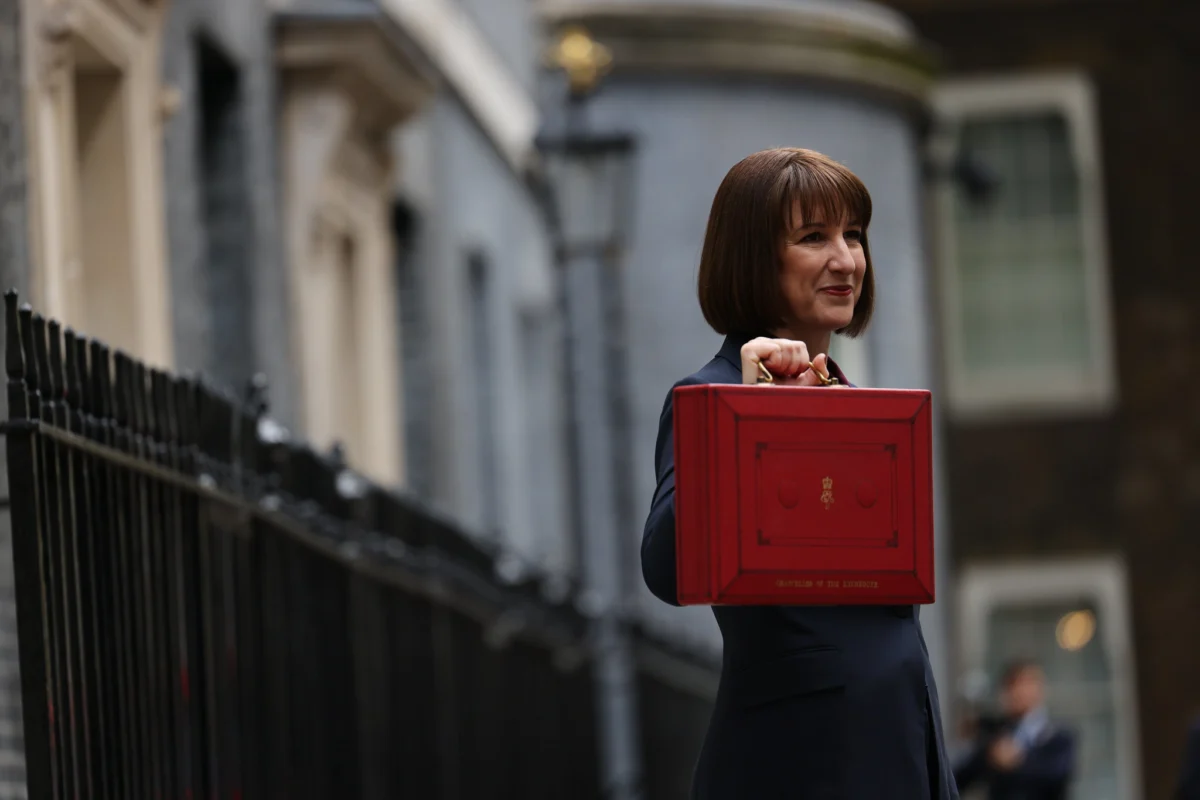
The Chancellor of the Exchequer delivered the Autumn Budget 2024 against a backdrop of significant economic pressure, framing the government’s fiscal strategy as a necessary path toward stability. However, the measures announced have sparked a rigorous debate regarding the structural integrity of the UK economy and the government’s willingness to confront widening wealth disparities. While the budget included notable progressive shifts, such as the abolition of the two-child benefit limit, critics and social advocacy groups argue that the package relies heavily on "stealth taxes" and missed critical opportunities to leverage the country’s vast concentrations of private wealth. Central to the discourse is the tension between fulfilling manifesto commitments and addressing a "fiscal black hole" that has necessitated £15 billion in tax hikes through the freezing of income tax thresholds.
The Fiscal Framework and Primary Announcements
The Autumn Budget 2024 was designed to navigate a complex landscape of high public debt and stagnating public services. Chancellor Rachel Reeves presented a series of measures intended to balance the books while stimulating growth, yet the core of the revenue-raising strategy avoided direct increases to headline rates of Income Tax, National Insurance, or Value Added Tax (VAT). To adhere to these self-imposed constraints, the Treasury utilized "fiscal drag," maintaining existing tax thresholds even as inflation and wage growth push more taxpayers into higher brackets. This move is projected to generate approximately £15 billion over the coming years, a strategy that many economists describe as a de facto tax increase on the working and middle classes.
In terms of specific revenue measures, the government introduced a council tax surcharge on properties valued at over £2 million. This measure is expected to raise roughly £430 million annually. Additionally, the tax rate on remote gambling was nearly doubled, rising from 21% to 40%, targeting an industry often criticized for predatory practices. While these steps were welcomed by some as progressive, they have been characterized by others as "timid" in the face of the UK’s total wealth distribution. For context, the revenue generated from the high-value property surcharge is significantly lower than the projected £1.7 billion loss to the Treasury resulting from shifting social trends, such as declining alcohol consumption among younger generations.
Chronology of the 2024 Fiscal Cycle
The road to the Autumn Budget began in the early summer of 2024, following the general election. The new administration spent months conducting an "audit of the books," which they claimed revealed a £22 billion shortfall in public finances left by the previous government. This narrative set the stage for a "tough" budget, with the Prime Minister and Chancellor repeatedly warning the public that difficult choices would be required to restore economic credibility.
Throughout September and October, various departments engaged in intense negotiations over spending settlements. Rumors of potential wealth taxes, capital gains reforms, and changes to inheritance tax circulated widely in the media, leading to significant lobbying from the financial sector. By early November, the Treasury signaled that it would focus on "investment for growth" while maintaining strict fiscal rules. The final delivery on November 27 confirmed that while some social protections would be restored, the primary burden of fiscal consolidation would be met through indirect taxation and targeted levies rather than a broad overhaul of the wealth tax system.
Data and the Growing Wealth Gap
To understand the criticisms leveled against the budget, it is necessary to examine the long-term trends in UK wealth concentration. In 1990, the collective wealth of billionaires in the United Kingdom stood at approximately £58.8 billion. By 2024, that figure has ballooned to an estimated £619.5 billion. This exponential growth at the top of the economic pyramid stands in stark contrast to the stagnation of real wages for the majority of the population over the last fifteen years.
Supporting data from organizations such as Tax Justice UK suggests that the government could have raised significantly more revenue through structural reforms. Proposals for a "wealth tax" or the equalization of capital gains tax with income tax rates are estimated to have the potential to raise up to £60 billion annually. Furthermore, the decision to ignore windfall taxes on the banking sector—which has seen record profits due to high interest rates—has been highlighted as a missed opportunity. Research indicates that a robust levy on these "excess profits" could have yielded £11.3 billion this year alone.
Environmental advocates have also pointed to discrepancies in transport taxation. The organization Possible noted that if taxes on private jets were equalized with the rates paid by standard commercial airline passengers, the Treasury could have secured an additional £2.7 billion. The omission of these measures has led to accusations that the budget protects the interests of the super-rich while imposing austerity-adjacent measures on the vulnerable, such as cuts to the Motability scheme and increased interest rates on student loans.
Social Policy and the Two-Child Limit
Perhaps the most significant progressive victory in the 2024 Budget was the official end of the two-child limit on benefit payments. Introduced in 2017, the policy had been widely condemned by human rights groups and charities as a primary driver of child poverty. The government’s decision to remove the cap is projected to lift 500,000 children out of poverty immediately. This move was described by social advocacy groups as "wonderful news" and a necessary step toward repairing the UK’s social safety net.
However, the scale of the challenge remains immense. Even with the removal of the cap, approximately 4.1 million children in the UK continue to live in poverty. Critics argue that while the policy change is a vital start, it does not constitute a comprehensive strategy to address the root causes of systemic inequality in the world’s sixth-largest economy. The persistence of high poverty rates amidst such vast national wealth remains a central point of friction for the administration.
Official Responses and Stakeholder Reactions
The reaction to the budget has been polarized along ideological and economic lines. Business leaders and the Confederation of British Industry (CBI) expressed cautious relief that more aggressive corporate or capital gains taxes were not introduced, though they voiced concerns over the impact of threshold freezes on consumer spending power.
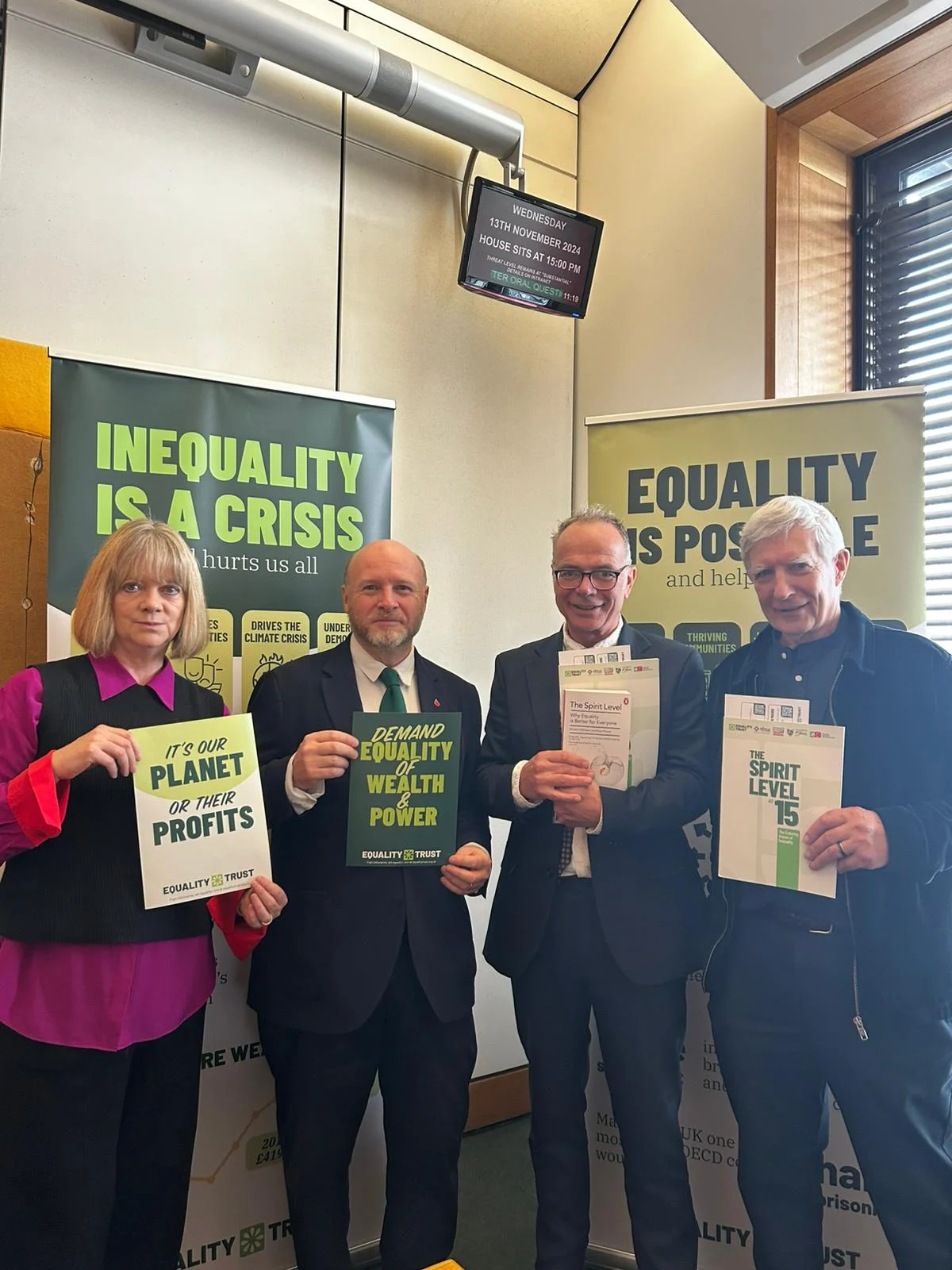
Conversely, civil society organizations have been vocal in their disappointment. A spokesperson for The Equality Trust stated that the budget was a "missed opportunity" to confront the reality that inequality is harming democracy and social cohesion. They argued that by designing the budget to "work on paper" rather than addressing the lived reality of citizens, the government risks further eroding public trust in political institutions.
From the perspective of the financial markets, the budget was seen as "stable." The Office for Budget Responsibility (OBR) provided a lukewarm assessment, noting that while the measures would help stabilize the debt-to-GDP ratio, they offered limited prospects for a significant boost to long-term productivity. Opposition parties, meanwhile, focused on the "broken promises" regarding tax increases, highlighting that the threshold freezes effectively represent a violation of the spirit of the government’s election manifesto.
Broader Impact and Economic Implications
The long-term implications of the Autumn Budget 2024 are likely to be felt in the intersection of public services and private consumption. By relying on fiscal drag, the government has ensured a steady stream of revenue, but at the cost of reducing the disposable income of millions of households. This could lead to a period of continued economic stagnation, as consumer demand remains suppressed by the rising tax burden and the high cost of living.
Furthermore, the decision to leave the wealth of the ultra-high-net-worth individuals largely untouched may exacerbate social tensions. As billionaire wealth continues to expand without limitation, the perceived "fairness" of the tax system is called into question. If the general public perceives that they are paying more while the most affluent are shielded from contributing their fair share, the resulting disillusionment could fuel political instability and populism.
In conclusion, the Autumn Budget 2024 represents a cautious attempt at fiscal management that prioritizes market stability and manifesto compliance over radical structural reform. While the removal of the two-child limit stands as a landmark achievement for social justice, the broader fiscal strategy leaves the fundamental issue of wealth inequality largely unaddressed. As the UK moves into 2025, the pressure on the government to find more equitable ways to fund public services and stimulate the economy is likely to intensify, particularly as the effects of threshold freezes become more apparent to the electorate.