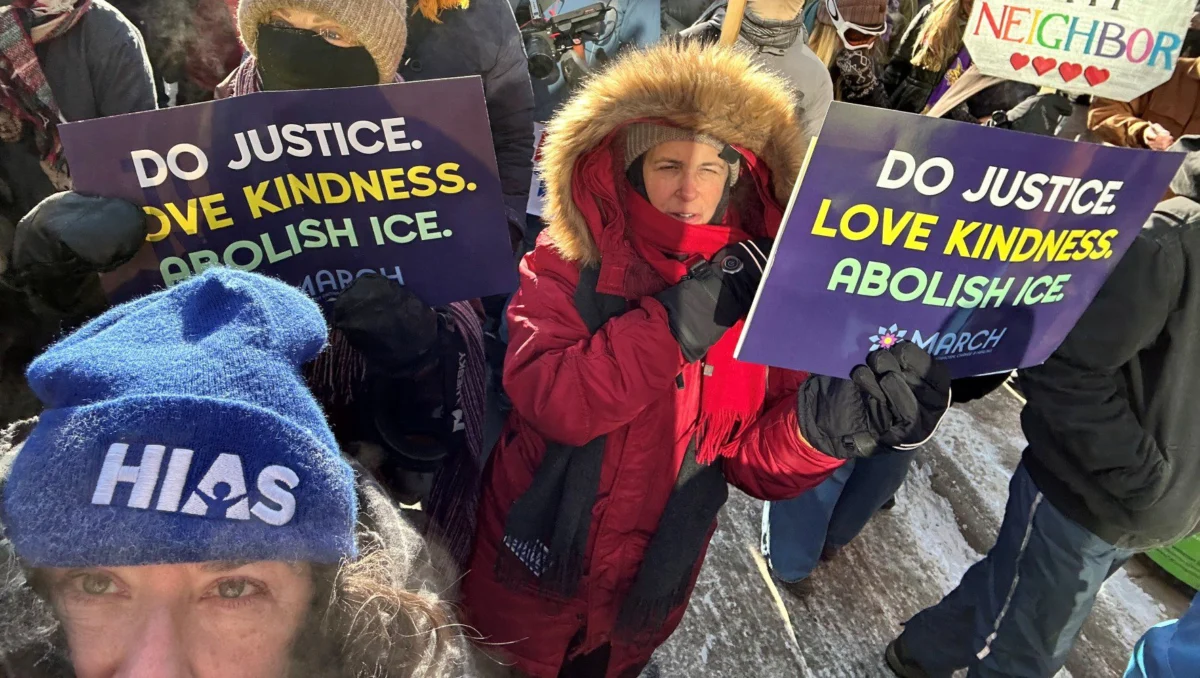
The stark realities of the United States’ immigration detention system have been brought into sharp focus by the courageous testimony of Juliette*, an asylum seeker who shared her harrowing experience of wrongful detention by Immigration and Customs Enforcement (ICE) on MS NOW. Her account, delivered with profound vulnerability, sheds light on the deplorable conditions within ICE facilities, the psychological toll on individuals seeking refuge, and the critical role of organizations like HIAS in advocating for those caught in the system. As of March 20, 2026, the nation grapples with a record high of over 73,000 individuals detained in ICE facilities, a statistic that Juliette’s personal narrative vividly illustrates.
A Journey Interrupted: Seeking Asylum and Encountering Detention
Juliette’s ordeal began after she fled persecution in Cameroon in 2023. Upon arriving in the United States, she initiated the asylum process, a path often fraught with legal complexities and emotional strain. She had begun to establish a semblance of stability, receiving vital support from HIAS’s U.S. legal and social services teams, which are dedicated to assisting refugees and asylum seekers in navigating the U.S. immigration system. This period of rebuilding, however, was violently interrupted when, just two months prior to her public testimony, Juliette was arrested by ICE.
Her arrest was not a quiet apprehension. Described as handcuffed and shackled, she was transferred through multiple detention centers. The conditions she encountered were, by her account, horrific. "It was very crowded," Juliette stated, painting a grim picture of her confinement. "We had to sleep on the floor, on the concrete. There were no mattresses, there was no bed. There was just one pot for the toilet and the smells were awful. There was no sanitation. I spent six days without washing and wearing the same clothes. We ate with our hands handcuffed." This description underscores the severe lack of basic human dignity and sanitation prevalent in some detention facilities.
The Dilley Immigration Processing Center: A Symbol of Harsh Conditions
Juliette’s journey through the detention system eventually led her to the Dilley Immigration Processing Center in Texas. This facility has been the subject of numerous reports and investigations, often cited for its notoriously harsh conditions and large-scale detainee population. For months, it has housed thousands of immigrants, including women who, like Juliette, faced prolonged periods of detention. The uncertainty of her release, coupled with the harsh environment, amplified her suffering. The psychological impact of such prolonged uncertainty can be devastating, eroding an individual’s hope and resilience.
HIAS Intervention: A Lifeline in the Face of Adversity
The timely intervention of HIAS’s legal and social services team proved to be a critical factor in Juliette’s release. Without their swift action, she would have remained in detention, separated from her children, her employment, and the life she was striving to rebuild. This highlights the essential role of legal advocacy and support organizations in ensuring due process and advocating for the rights of asylum seekers. The trauma of detention, however, has left indelible marks. HIAS is now supporting Juliette as she navigates the complex path of recovery from the fear and uncertainty she experienced, a sentiment tragically familiar to many seeking safety in a new country.
The Lingering Scars: Trauma and Stigma Post-Detention
Even after her release, Juliette’s return home was not a simple return to normalcy. "Since I came back, life has not been the same because I was traumatized by what I experienced," she confided. "I lost everything I had and was doing before being detained." The stability she had painstakingly built unraveled during her incarceration. The imposition of an ankle monitor, a visible symbol of her status as a detainee, further exacerbates her struggle. She describes feeling like a criminal in public spaces, with strangers often distancing themselves from her. "I have to start from scratch," Juliette shared, her voice heavy with the weight of her experience. "I don’t feel safe. I have experienced fear, fear in my belly, my stomach, and also on a physical level, I am not the same." This profound sense of insecurity and the lingering psychological impact of her detention underscore the deep and lasting consequences of the U.S. immigration detention policies.
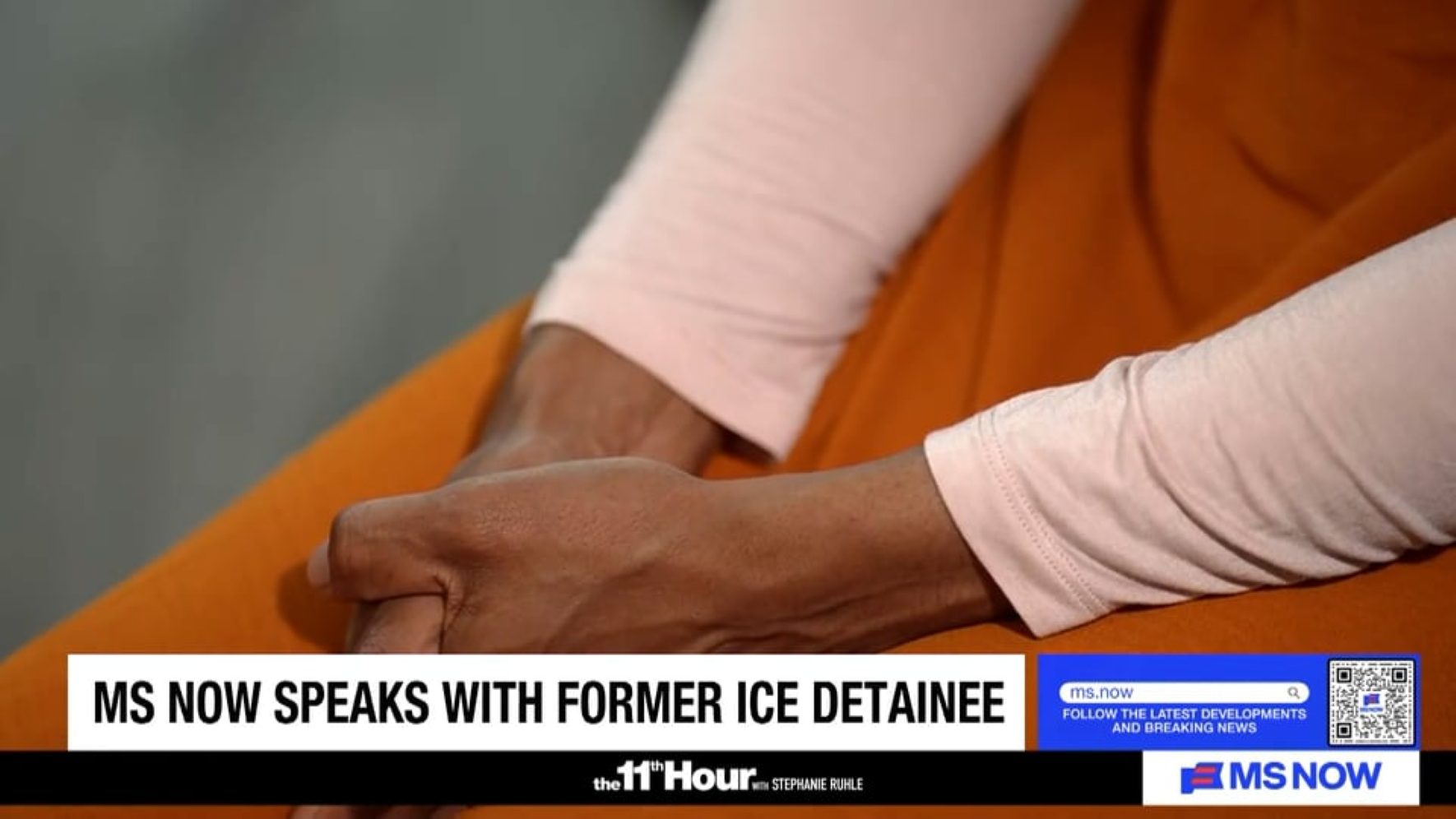
A Plea for Awareness: Juliette’s Story as a Catalyst for Change
Juliette chose to share her story with MS NOW, albeit anonymously to protect her safety, with the explicit intention of illuminating the harsh realities faced by those seeking protection in the United States. Her testimony serves as a powerful indictment of a system that, for many, offers not refuge but further hardship and fear. She hopes her experience will foster greater understanding and prompt a reevaluation of current immigration detention policies.
Systemic Issues and Broader Implications
Juliette’s story is not an isolated incident but rather emblematic of a broader systemic issue within the U.S. immigration system. The Trump administration’s policies, which have significantly increased arrests and detentions of immigrants, asylum seekers, and refugees, have been widely criticized for their harshness and human rights implications. Data indicates that over 70% of individuals detained in ICE facilities have no criminal convictions, raising serious questions about the necessity and proportionality of their detention.
The implications of such widespread detention are far-reaching. Beyond the individual trauma experienced by detainees, the extensive use of detention facilities places a significant financial burden on taxpayers and strains the resources of organizations dedicated to providing legal and social support. Furthermore, it erodes the United States’ standing as a beacon of hope and refuge for those fleeing persecution.
HIAS’s Ongoing Fight for Justice
HIAS, as the world’s oldest refugee agency, remains steadfast in its commitment to supporting displaced individuals, regardless of political administrations. Their work extends beyond individual cases, encompassing a broader strategy to challenge what they describe as the "Trump administration’s anti-immigrant agenda." This includes active participation in seven legal challenges aimed at reforming or blocking policies deemed harmful to immigrants and asylum seekers.
Among these legal battles are significant cases such as Amica Center for Immigrant Rights v. EOIR, which seeks to overturn detrimental changes to immigration court appeal processes, and U.H.A. v Bondi, arguing against the cruel and retraumatizing practice of detaining resettled refugees for rescreening. These legal efforts underscore the multifaceted approach HIAS employs to advocate for systemic change and uphold the rights of vulnerable populations.
Conclusion: A Call for Compassion and Reform
Juliette’s courage in sharing her story is a powerful call to action. Her experience highlights the urgent need for a more humane and just immigration system, one that prioritizes due process, respects human dignity, and offers genuine refuge to those fleeing persecution. HIAS’s continued dedication to standing with Juliette and all displaced people seeking safety in the U.S. serves as a crucial reminder that the fight for justice and compassion in immigration policy is ongoing and essential. The hope is that Juliette’s testimony will contribute to a broader conversation and ultimately lead to meaningful reforms that prevent others from enduring similar harrowing experiences.
*Name changed for safety.