By Ella Nathanael Alkiewicz (Labrador Inuk)
Living with the inherited wisdom of my ancestors, the enduring spirit passed through my mother’s genes, and the millennia-old principles of Inuit culture presents both a profound privilege and a complex challenge in the contemporary world. My personal journey has been deeply shaped by the intergenerational trauma inflicted by Canada’s residential boarding school system, a legacy that profoundly impacted my mother and, by extension, my own upbringing. Identified as a "Lost Bird," a term reflecting the profound disconnection and loss experienced by those whose families were subjected to these institutions, I eventually found a loving family in the United States, creating a unique experience that allows me to cherish familial bonds while fostering my own thoughts and feelings. For decades, the question "Why?" echoed within me, a persistent inquiry into the injustices and losses I felt. The answers, I discovered, emerged from a combination of spiritual connection and dedicated higher learning.
Educational Awakening and the Pursuit of Truth
My path led me to enroll at the University of Massachusetts Amherst, where I pursued a degree in journalism. Concurrently, I completed the Certificate Program of Native American Indian Studies, an experience that proved transformative. Within this academic environment, I encountered the authentic history of Native Americans, a narrative starkly contrasting with the often-sanitized versions presented elsewhere. The program illuminated the tragic realities of colonial impact, providing a crucial counterpoint to the prevailing historical accounts.
This period of intense study also offered a clearer understanding of the Indigenous landscape of "Turtle Island," a term encompassing North America. It is estimated that approximately 9.5 million Indigenous people inhabit the continent. The term "Indigenous" serves as a broad descriptor, encompassing diverse groups such as the Inuit, numbering around 138,000; the Métis, approximately 640,000; First Nations, exceeding 1.05 million; and Native Americans, totaling an estimated 7.7 million. In Canada, there are over 630 recognized First Nations communities, while the United States formally recognizes 575 federally acknowledged Tribes, with an additional 60-plus state-recognized Tribes. This statistical overview underscores the vast and varied tapestry of Indigenous identities and communities across North America.
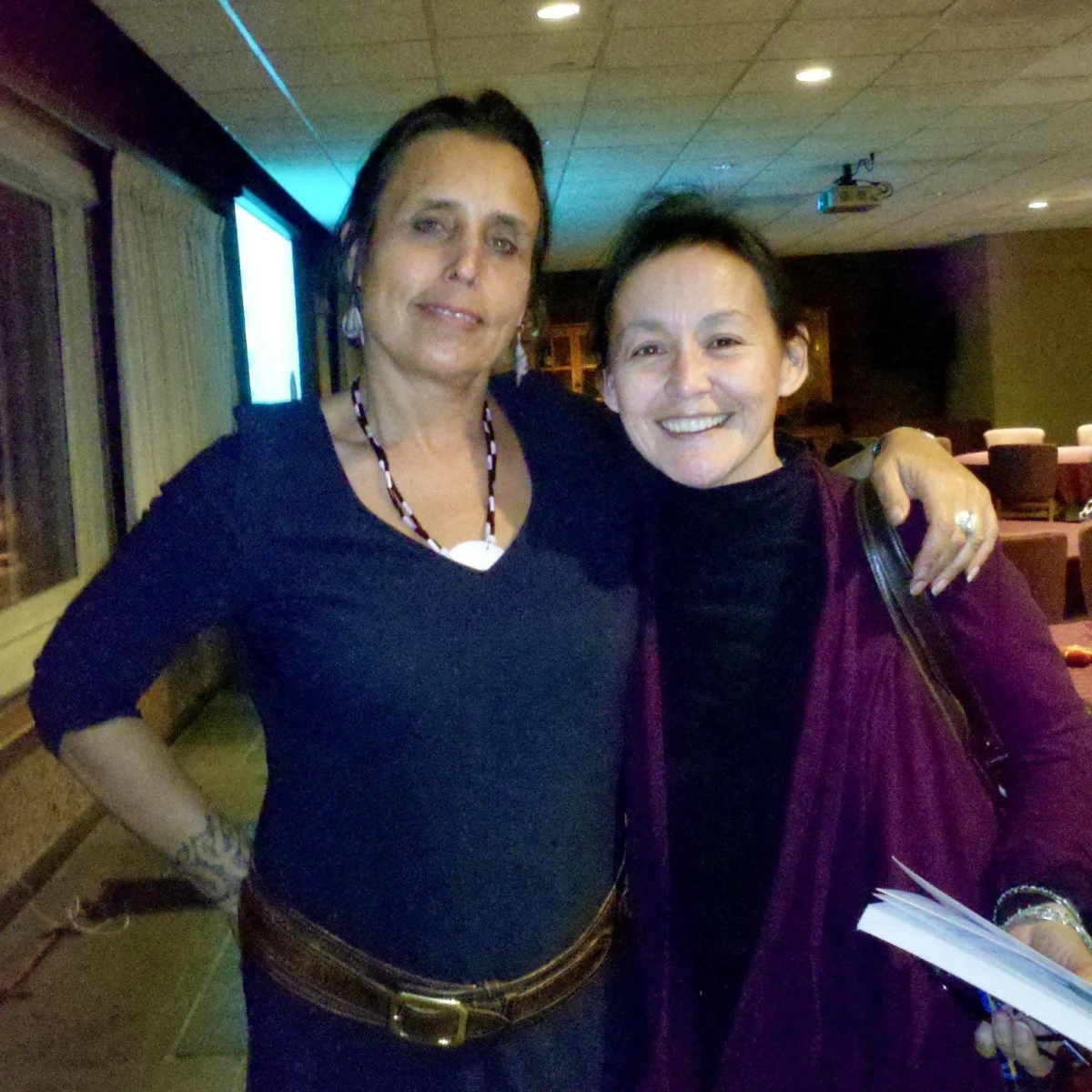
The Native American Indian Studies program served as a catalyst for empowerment, a stark contrast to the feeling of navigating treacherous waters, metaphorically described as a "sea of sharks and snakes." Each class was an emotional journey, marked by periods of profound grief and righteous anger. Yet, despite the emotional toll, a resolve to complete my studies solidified. This period reinforced a fundamental truth: knowledge is power. Post-graduation, my academic pursuit continued as I returned to the university to hear a personal hero, Winona LaDuke, deliver an inspiring speech.
Encounters with Inspiration and Enduring Wisdom
The encounter with Winona LaDuke was a significant moment. After her address, she graciously signed a copy of my book. In the elevator ride down, a quiet moment of reflection allowed me to process the encounter. My Cherokee Elder, present at the time, offered a knowing smile and a nod, a gesture that conveyed a deep sense of shared understanding and support. LaDuke’s unwavering strength and profound wisdom have remained a guiding force, solidifying her as a beacon of bravery in my personal narrative. This profound influence, coupled with my spiritual journey, eventually led me to discover my own courage and wisdom, drawing strength from the Creator, the Universe, God, and Guti.
The practice of seeking and listening has become a daily ritual. Whether in person on Sundays, through online gatherings, or in intimate conversations with one or two others, these moments of connection, often involving shared meals and hand-holding, provide profound opportunities to feel a divine presence, receive guidance, and cultivate belief in a brighter future.
One day, the persistent questions that had long occupied my mind were answered with a simple yet profound realization: "Just do. Just be. Be Inuk Strong." This mantra became a powerful affirmation of identity and resilience.
The Manifestation of "Inuk Strong"
The concept of "Inuk Strong" was further embodied during a family reunion, where I crafted and gifted leather bracelets to my relatives. Each bracelet was imprinted with the words "Inuk Strong," a phrase that resonated deeply, particularly in the wake of the "Boston Strong" movement following the 2013 marathon bombing. For my family, "Inuk Strong" became a declaration of our enduring spirit and resilience.
My brother and I are descendants of residential boarding school survivors. Our parents, who were in their early twenties when we, their "Irish twins," were born, carried the heavy burden of intergenerational trauma and associated health challenges. These issues necessitated a period of separation until healing began. While my mother survived and thrived, my father did not. It was my mother, however, who instilled in us the resilience and strength to "be Inuk Strong." My sister, Kittungaga Reggi, also embodies this strength, while my brother, Angutiga Chris, stands as a fierce and loving ally.
My mother, nurtured by the love of her kin, truly blossomed, her inherent strength as an Inuk evident in her vibrant spirit. Her artistic expression captured this blossoming beauty, as depicted in a powerful illustration she created.
Indigenous Feminism and the Power of Storytelling
Indigenous feminism is a potent force, flourishing even amidst the often-disheartening daily news cycles. My personal philosophy centers on holding onto strength, laughter, love, and an unwavering resilience. This ethos is captured in a poem, "My Present," published in 2020, which reflects a pivotal experience at the 21st Inuit Studies Conference.
My Present
I drove to the
21st Inuit Studies Conference
a short five-hour drive,
and it was
EPIC!
Ajaitsiavak!
I finally felt
heard and seen
seen and heard
I sat
in the aisle and
the award winning, famous, marvelous Inuk,
a daughter, a fren, a mother, filmmaker
spoke.
Tears rolled down my nose
If others saw me, I do not know
My eyes were blurry with glory
I knew she knew.
I finally felt
seen and heard
heard and seen
I rocked and
whimpered.
My hand rose,
my head bowed low,
I knew she knew.
Her words I cannot repeat verbatim,
Feelings of love flooded over my crown,
The beautiful Inuktitut that she spoke with grace shined across her face
I knew she knew.
I left her talk a little taller.
I left her talk a lot prouder.
I left with the message – “Own your life, tell your story, be the voice.”
This poem encapsulates the profound impact of witnessing an Indigenous woman speak with such authority and grace. The feeling of finally being "heard and seen" by a fellow Inuk, a filmmaker whose work resonated deeply, was overwhelming. Her powerful message – "Own your life, tell your story, be the voice" – served as a potent reminder of the importance of reclaiming narratives and asserting agency.
Further reinforcement of ancestral strength and guidance came through an unexpected medium: television. Watching the acclaimed series "Reservation Dogs" with my brother, Angutiga, provided a particularly poignant moment. In Season 2, Episode 9, the character Willie Jack, portrayed by Paulina Alexis (Alexis Nakota Sioux), experiences a moment of profound counsel from Hokti, played by Lily Gladstone (Piegan Blackfeet/Nez Perce). In this scene, Hokti guides Willie Jack to connect with her ancestral lineage, stating:
"Remember the stories I told you when you were growing up about the people we come from, generations of medicine people, caretakers. These are the ones that held us together as we arrived from our homelands. The healers who carried us and buried us as we marched. Men and women whose songs led us through the dark. They’re watching you, my girl. You don’t need me. You have them. This is the power we carry. When you really pray, they’re all around you all the time."
Witnessing the spectral presence of ancestors appearing behind Willie Jack brought tears to my eyes. This visual representation powerfully contradicted the years of misinformation and denial I had experienced, revealing the depth of the lies propagated by "Kallunait" (a term referring to non-Indigenous people, particularly in Inuit contexts). The episode, coupled with subsequent discussions with friends, illuminated how the habits of smoking and the lingering effects of shame had diminished my own joy and sense of connection.
A Call for Recognition and the Future of Indigenous Women
Numerous other instances have served to reinforce my understanding of my own strength and the profound answers available within my relatives. My hope is that my fellow Indigenous relatives and allies will embark on their own journeys of discovery, uncovering their inherent worth and the unique contributions they offer to the world.
The celebration of women, and specifically Indigenous women, is paramount. We are the Life Givers, the keepers of culture and tradition. Ensuring our safety, longevity, and the continued transmission of our heritage is not just a matter of individual well-being but a vital imperative for the survival and flourishing of our communities and cultures.
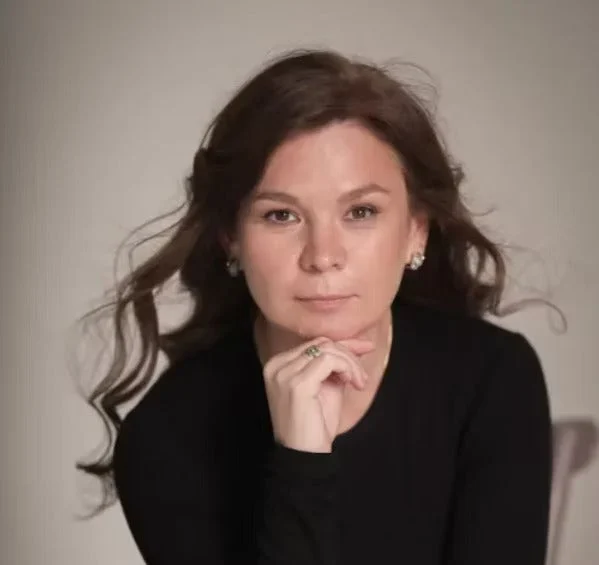
Ella Nathanael Alkiewicz (Labrador Inuk) is a journalist from Nunatisavut. She is an active member of the North American Indian Center of Boston (NAICOB) and the proprietor of Ella Alk Inuk LLC. Her work has been featured by UnMonument, and she is scheduled to exhibit her art at NAICOB in July. She currently resides on the ancestral lands of the Nonotuck people with her family and their cat.
Top Photo: Ella Nathanael Alkiewicz with Winona LaDuke.