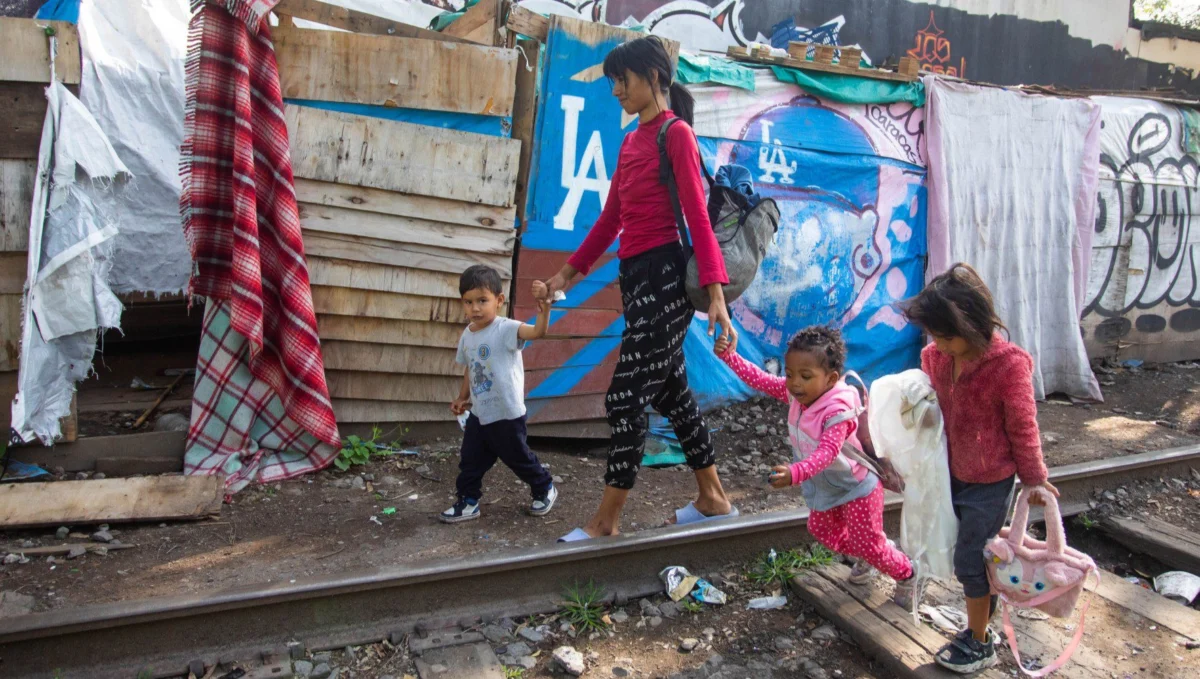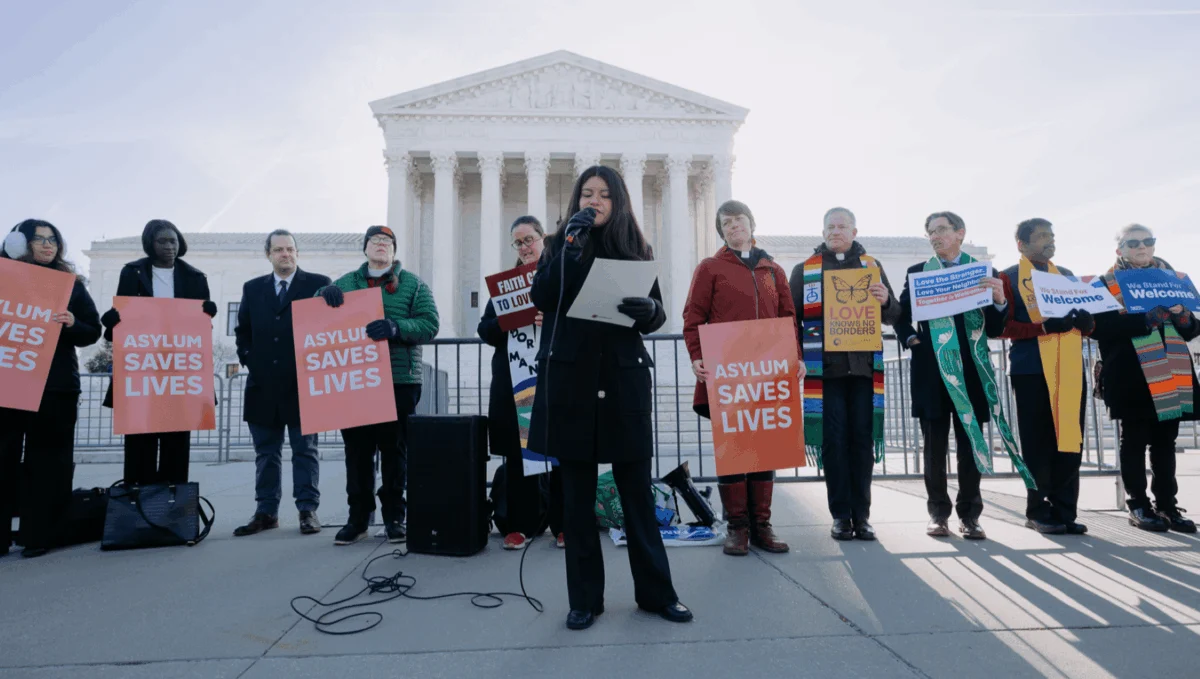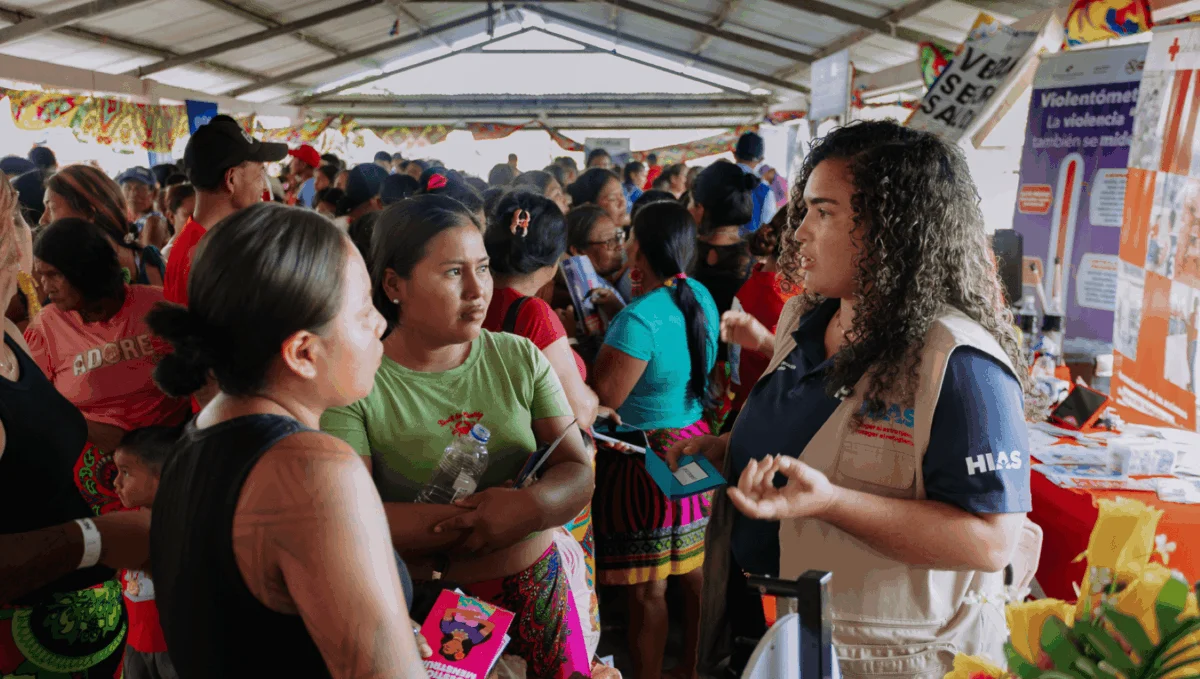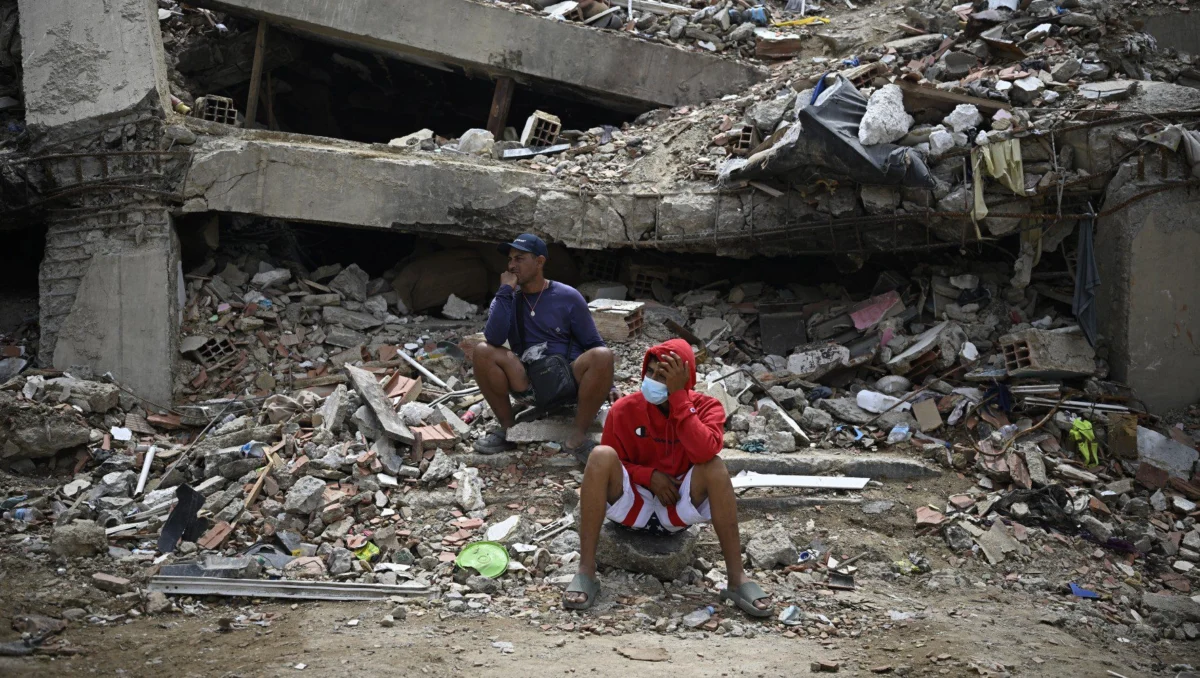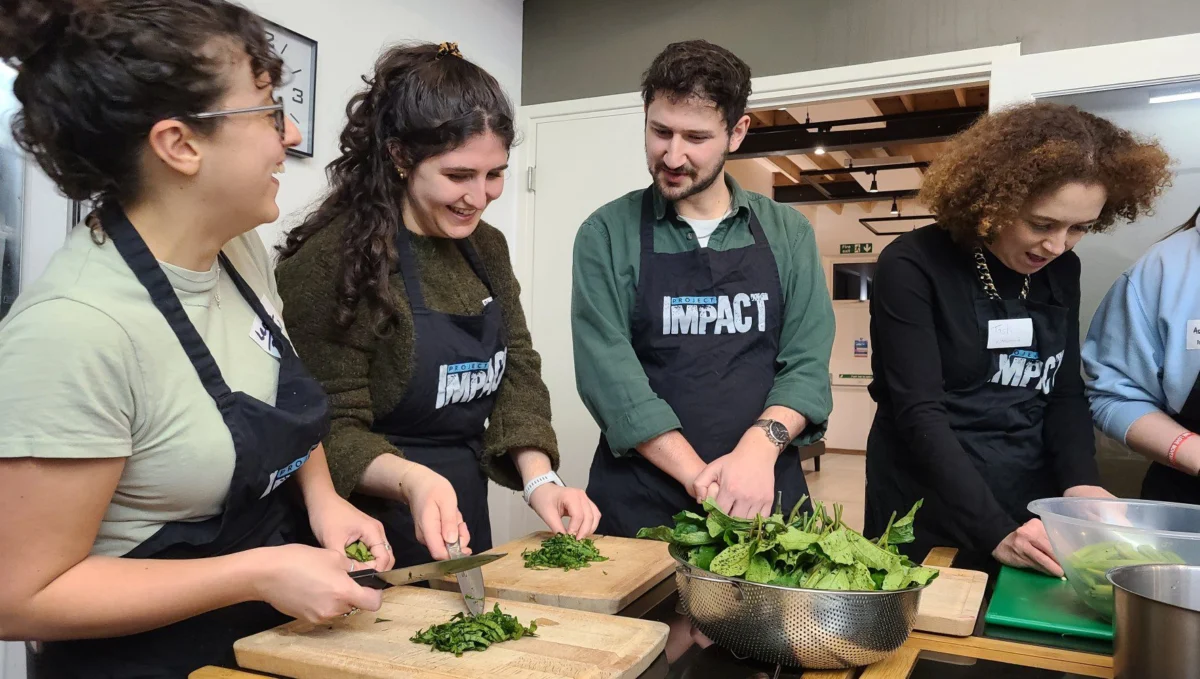
Right now, refugees and asylum seekers in the United States are navigating a precarious landscape, where shifting policies and unpredictable systems undermine their safety. Many came to the U.S. seeking protection but now encounter daunting barriers, including shrinking legal pathways, complex bureaucratic hurdles, and limited access to secure housing. As they work to heal and rebuild, newcomers are increasingly vulnerable and unsure of what tomorrow will bring. HIAS has fought for refugees for more than a century, but today’s situation is truly unprecedented. As domestic resettlement systems break down, the HIAS team is working around the clock, responding to emergencies, witnessing extreme hardship, and adapting in real time. Every hour brings new challenges, and HIAS refuses to let anyone face them alone. The questions we hear are urgent: What do refugees and asylum seekers need right now? How is HIAS responding to immediate and critical needs? In the midst of chaos and uncertainty, HIAS delivers rapid, lifesaving support at every step, determined to meet the most pressing needs with unwavering dedication.
The Evolving Challenges for Displaced Persons in the United States
The landscape for refugees and asylum seekers in the United States has become increasingly complex and challenging in recent years. A confluence of factors, including shifts in immigration policy, strained resettlement infrastructure, and ongoing global displacement crises, has created a precarious environment for individuals and families seeking safety and stability. These newcomers often arrive with immense resilience, having endured persecution and trauma in their home countries, only to face a new set of daunting obstacles upon arrival in the U.S.
These barriers manifest in various forms. Legal pathways for seeking asylum and refugee status have faced significant disruptions, characterized by fluctuating regulations and lengthy processing times. The bureaucratic labyrinth that newcomers must navigate to secure essential documentation, such as work permits and social security numbers, can be overwhelming and time-consuming. Furthermore, the availability of secure and affordable housing remains a persistent challenge, exacerbated by economic pressures and a lack of established rental history or credit. This multifaceted set of difficulties can significantly impede the integration process, leaving individuals feeling vulnerable and uncertain about their future.
HIAS, an organization with a deep and enduring commitment to assisting refugees that spans over a century, finds itself operating in an era of unprecedented challenges. The organization’s long history of advocating for and supporting displaced populations has equipped it with invaluable experience, yet the current context demands constant adaptation and innovation. As traditional resettlement systems face strain and, in some instances, breakdown, the dedicated HIAS team is working tirelessly to provide critical assistance. This involves responding to emergent needs, witnessing firsthand the profound hardships faced by those seeking refuge, and continuously adjusting strategies in real-time to address the evolving demands of the situation. The urgency of the moment is palpable, with new challenges arising daily. Despite these adversities, HIAS remains steadfast in its commitment to ensuring that no individual seeking safety is left to face these trials alone.
Addressing Immediate and Critical Needs Amidst Uncertainty
The questions emanating from refugees and asylum seekers are often deeply urgent, reflecting the immediate anxieties and necessities of their situations. "What do refugees and asylum seekers need right now?" is a question that echoes the precariousness of their present circumstances. Equally pressing is the inquiry into HIAS’s response: "How is HIAS responding to immediate and critical needs?" In an environment characterized by chaos and uncertainty, HIAS is dedicated to providing rapid and life-saving support. This support is delivered at every juncture of the resettlement and integration process, driven by an unwavering commitment to addressing the most pressing needs of vulnerable populations.
Who is HIAS Helping Right Now, Even When Refugee Arrivals Slow?
A common and important question arises: "Who is HIAS helping right now if fewer refugees are arriving?" This inquiry highlights a critical nuance in humanitarian work: the need does not vanish when official arrivals slow or pause; rather, it shifts and often intensifies in different ways. HIAS continues to provide vital support to displaced individuals within the United States. This support extends to a range of vulnerable populations, including:
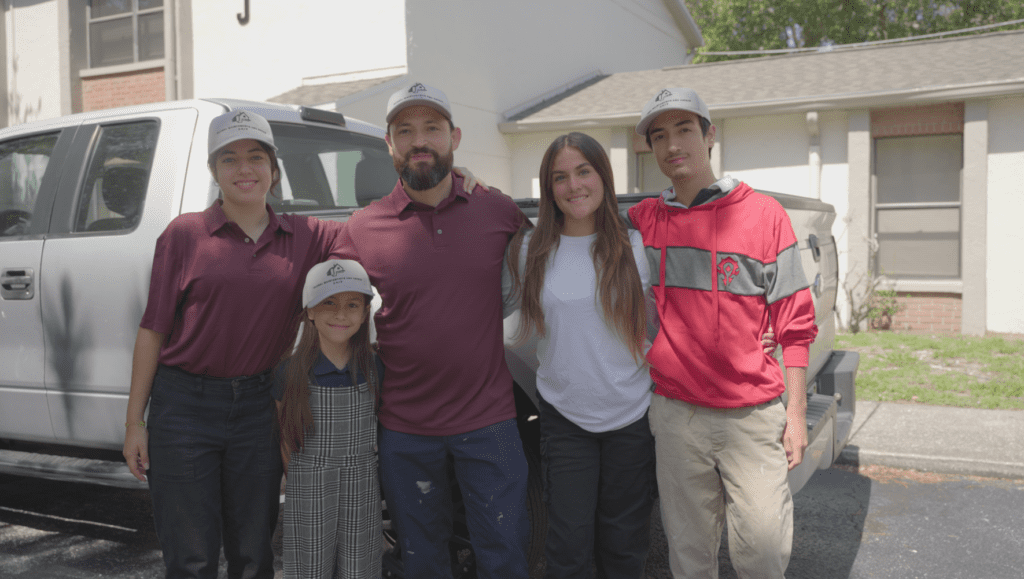
- Refugees: Individuals formally recognized as refugees who have been admitted to the U.S. and require assistance with initial resettlement and integration.
- Asylum Seekers: Individuals who have arrived in the U.S. and are seeking protection under U.S. asylum law, often facing lengthy legal processes and uncertain outcomes.
- Special Immigrant Visa (SIV) Holders: Primarily Afghan nationals who assisted U.S. government efforts and are now seeking refuge in the United States.
- Other Vulnerable Newcomers: Individuals and families facing displacement due to persecution or humanitarian crises, who may not fit traditional refugee categories but require urgent assistance.
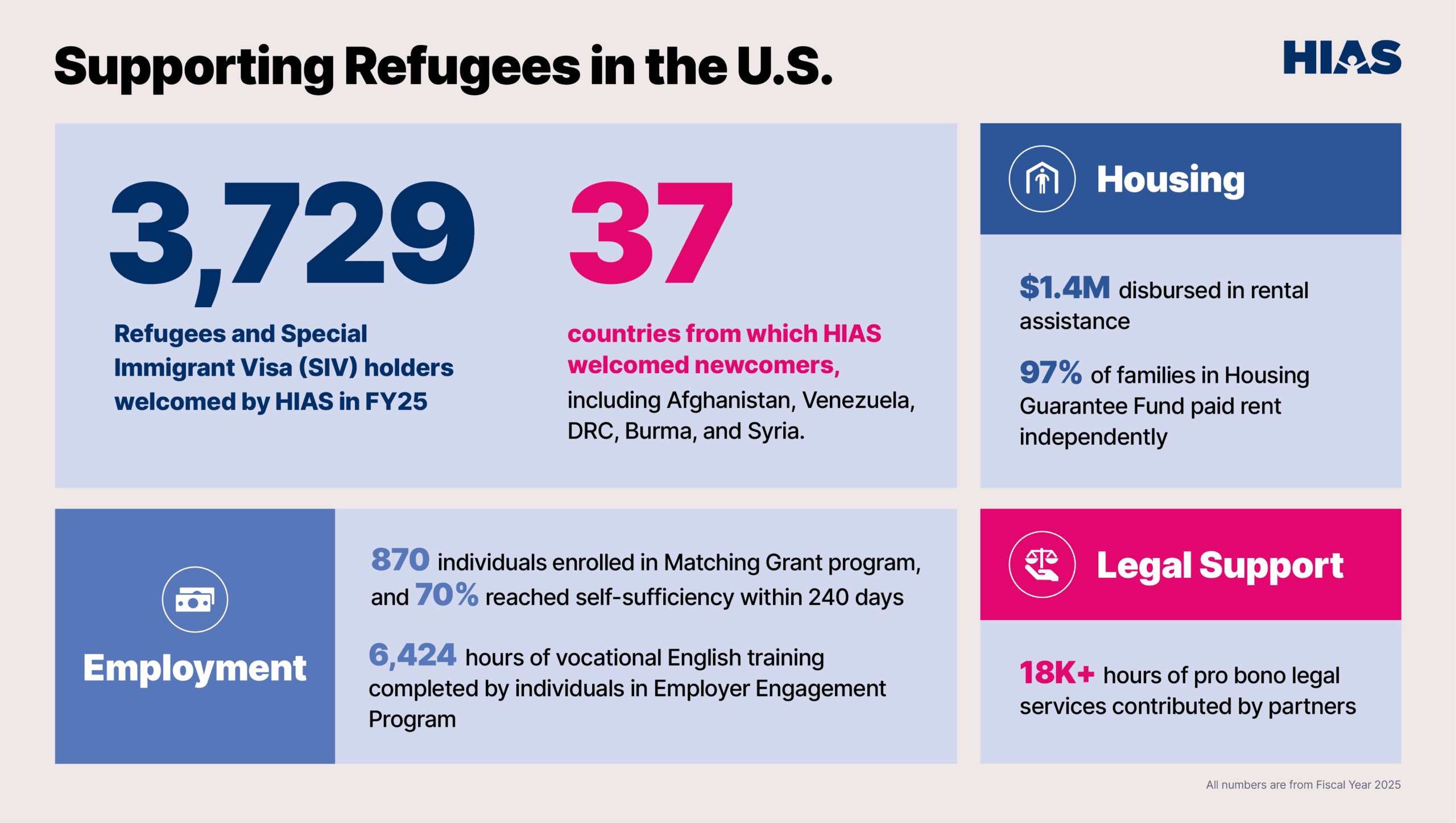
Even in periods of reduced formal refugee admissions, HIAS has demonstrated remarkable resilience and impact. For instance, during the last fiscal year, despite significant policy obstacles, HIAS successfully welcomed 3,729 refugees and SIV holders. This figure notably includes 1,545 Afghan individuals, underscoring the organization’s commitment to supporting those fleeing particularly volatile situations. Beyond direct admissions, HIAS provided crucial short-term case management services to over 6,000 displaced individuals, offering essential guidance and support. Furthermore, the organization provided free legal representation to more than 1,300 refugees, asylum seekers, and immigrants, a critical service that can determine the trajectory of their legal status and overall well-being.
The Critical First Steps: Initial Needs of Arriving Refugees and Asylum Seekers
Upon arrival in a new country, refugees and asylum seekers require immediate and comprehensive assistance to stabilize their lives. The initial needs are multifaceted, encompassing fundamental aspects of survival and well-being:
- Safe and Secure Housing: A primary concern is securing safe, temporary or permanent housing that provides a stable environment for families.
- Food and Essential Supplies: Access to adequate nutrition and basic necessities like clothing, hygiene products, and household items is paramount.
- Medical Care and Health Screenings: Immediate medical attention for any pre-existing conditions or injuries sustained during their journey, coupled with necessary health screenings, is crucial.
- Educational Enrollment for Children: Ensuring children can resume their education without delay is vital for their development and integration.
- Transportation and Community Orientation: Facilitating safe transportation and providing an introduction to the local community, its resources, and cultural norms are essential for navigating daily life.
However, these immediate needs are inextricably linked to often complex and demanding legal and administrative processes. Refugees and asylum seekers must navigate the intricate systems for obtaining necessary documents, applying for work authorization to achieve economic self-sufficiency, understanding their eligibility for various public benefits, and comprehending their legal rights and obligations within the U.S. This is where HIAS’s expertise in trauma-informed case management becomes indispensable. This approach recognizes the profound impact of past trauma on individuals and tailors support services to be sensitive, responsive, and empowering, ensuring that newcomers can access the assistance they need to rebuild their lives with dignity and security.
HIAS Support for Refugees Arriving Through the U.S. Refugee Admissions Program (USRAP)
HIAS plays a pivotal role in the initial resettlement of refugees and SIV holders through a robust national network of local partner organizations. This collaborative approach ensures that support is delivered effectively and compassionately across the country. In Fiscal Year 2025, HIAS partnered with 29 local affiliates, demonstrating a widespread reach and a commitment to comprehensive, trauma-informed services.
The initial resettlement support provided by HIAS and its partners encompasses a broad spectrum of essential services designed to facilitate a smooth transition:
- Case Management: Dedicated case managers provide ongoing guidance and support, helping newcomers navigate the complexities of their new environment.
- Cultural Orientation: Programs designed to help refugees understand American culture, societal norms, and community resources.
- Benefits and Systems Navigation: Assistance in understanding and accessing federal, state, and local benefits for which they may be eligible.
- Healthcare Access: Support in registering for healthcare services, understanding the U.S. healthcare system, and accessing necessary medical appointments.
- School Enrollment: Facilitating the enrollment of children in local schools, ensuring continuity of education.
- Family Reunification Assistance: Support for families separated during their flight to seek reunification in the U.S.
- Employment Readiness Training: Programs focused on developing job skills, understanding the U.S. labor market, and preparing for job interviews.
- Employment Placement: Assisting refugees in securing meaningful employment that aligns with their skills and aspirations.
This comprehensive model of support aims to empower refugees to achieve self-sufficiency and become contributing members of their new communities as quickly and effectively as possible.
The Ripple Effects of Disrupted Resettlement Systems
When refugee arrivals are disrupted or vital support systems are cut, the consequences for newly arrived families are immediate and profound. The cessation or reduction of resettlement programs can lead to a cascade of negative impacts, significantly jeopardizing the stability and well-being of newcomers during their most vulnerable initial period in a new country.
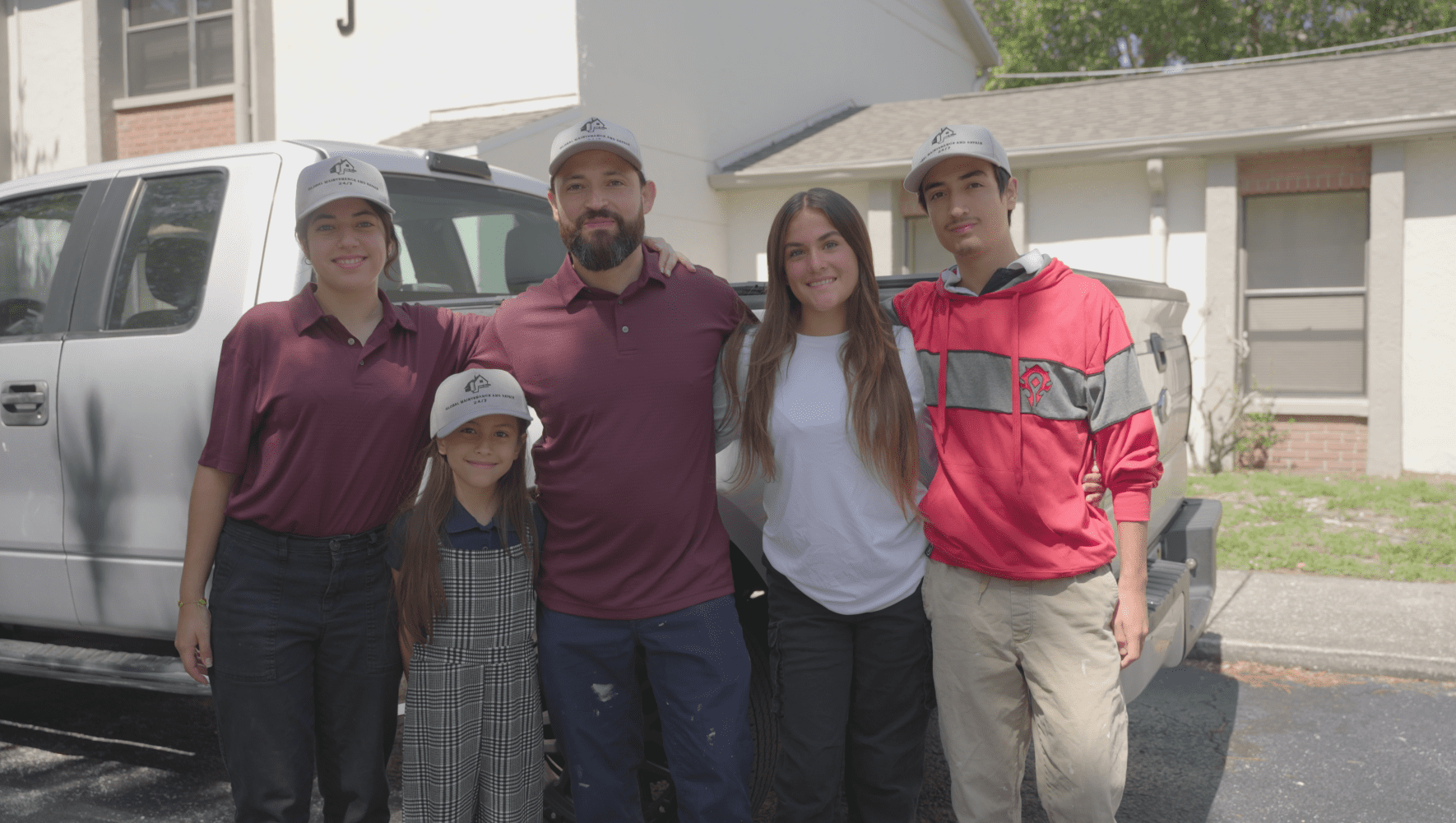
Newcomers may experience the abrupt loss of caseworkers, who provide essential guidance and support in navigating unfamiliar systems. This loss can leave individuals feeling isolated and without direction. Crucially, financial support that prevents homelessness can be jeopardized, increasing the risk of eviction and housing insecurity. Structured orientation programs, which provide vital information about safety, community resources, and legal rights, may no longer be available. Similarly, critical services designed to address the immediate needs of families during their first few months in the U.S. can be abruptly halted.
In response to these disruptions, HIAS has strategically expanded programs aimed at rapidly stabilizing families. This includes enhanced housing support, the development of community sponsorship initiatives that leverage local community engagement, and the provision of virtual services that can reach individuals regardless of their geographic location. These adaptive strategies are crucial for mitigating the adverse effects of systemic disruptions and ensuring that vulnerable populations continue to receive necessary assistance.
Addressing the Housing Crisis for Refugees and Asylum Seekers
Housing stands out as one of the most significant barriers faced by refugees and asylum seekers. Many newcomers struggle to secure housing due to a lack of credit history, no prior rental history, limited income, or sudden changes in their legal status, all of which are common among those fleeing persecution. HIAS has developed and implemented multiple innovative housing programs specifically designed to prevent eviction and homelessness among these vulnerable populations.
The Ms. L Settlement Housing Assistance Program: This vital program provides crucial housing support to families who have experienced profound trauma, including those who have endured forced separation at the U.S. border. In 2025 alone, HIAS provided critical housing assistance to 396 families, totaling 1,329 individuals. Through this program, $1.4 million was disbursed in rental assistance, offering a lifeline to families striving to rebuild their lives in a safe and stable environment.
The Housing Guarantee Fund: Newly arrived refugees often face rejection from landlords simply because they lack Social Security numbers, established credit, or immediate employment upon arrival. The Housing Guarantee Fund acts as a financial guarantor, enabling landlords to lease properties to refugee families. This fund has been instrumental in securing leases for 227 refugee families, encompassing 877 individuals, in 2025. Remarkably, over 97% of these families successfully transitioned to covering their rent independently, demonstrating the fund’s efficacy in providing the initial trust and security needed to access housing. The fund primarily serves as a tool to qualify for housing, rather than an ongoing subsidy.
Emergency Housing Assistance: Recognizing the unpredictable nature of newcomers’ circumstances, HIAS provides emergency rental aid to refugees and SIV holders. In the past year, $135,000 was distributed as urgent rental assistance. This aid, often disbursed through HIAS’s network of resettlement partners, has been critical in stabilizing newcomer households facing immediate housing crises and preventing potential homelessness.
The Rise of Virtual Resettlement: Expanding Access to Support
The concept of "virtual resettlement" has emerged as a crucial innovation, addressing the reality that not all newcomers arrive in major cities with established resettlement offices. Many individuals reunite with family members in smaller towns or rural areas where traditional services are scarce. HIAS’s Virtual Program for Initial Resettlement (PIR) addresses this gap by providing structured remote support during a newcomer’s crucial first 90 days in the U.S. This program offers:
- Remote Case Management: Regular check-ins and guidance from case managers via phone, video calls, and online platforms.
- Virtual Orientation: Digital modules and live sessions covering essential information about life in the U.S., cultural norms, and available resources.
- Access to Benefits and Services: Assistance in identifying and applying for relevant benefits and connecting with local service providers remotely.
- Community Connections: Facilitating connections with local volunteer groups or faith-based organizations that can offer in-person support and integration opportunities.
This innovative model significantly expands access to vital resettlement support, ensuring that individuals and families receive assistance regardless of their geographic location within the United States.
Empowering Newcomers Through Employment and Career Development
Employment is a cornerstone of stability and self-sufficiency for refugees and asylum seekers. However, the process of finding meaningful work in a new country can be fraught with challenges, particularly when policies shift and societal anxieties rise. HIAS offers a multifaceted approach to employment and career development through several key programs:
Matching Grant Program: This program is designed to help newly arrived families achieve self-sufficiency swiftly. It combines job referrals, personalized budgeting support, and comprehensive wraparound case management. From October 2024 through December 2025, HIAS successfully enrolled 272 households, totaling 870 individuals, in this program. A remarkable 70% of these households achieved self-sufficiency within 240 days, demonstrating the program’s effectiveness in facilitating rapid economic integration.
Refugee Career Pathways: This initiative is specifically tailored to assist internationally experienced professionals in re-entering skilled professions. It provides targeted support through coaching, assistance with credential evaluation, access to training programs, and comprehensive job readiness support. In Fiscal Year 2025, 57 clients participated in this program, completing 1,333 hours of job readiness training. Direct financial support for education and career advancement was also provided, enabling these professionals to leverage their existing expertise.
Employer Engagement Program: HIAS actively partners with employers to develop workplace-based training initiatives. These programs are designed to build both English language proficiency and job-specific skills. In 2025, this program saw 80 participants complete 6,424 hours of vocational English training across multiple training sites, equipping them with the language and technical skills necessary for employment.
The Indispensable Role of Legal Services for Refugees and Asylum Seekers
For individuals fleeing persecution and seeking safety, legal representation is not merely a procedural formality; it is often the critical determinant between family unity and separation, stability and detention, and safety and deportation. HIAS provides essential legal services through two primary avenues, ensuring that newcomers have access to the expertise needed to navigate complex immigration laws.
Direct Immigration Legal Services (NYC and DC Regions): In the New York City and Washington D.C. metropolitan areas, HIAS offers direct legal representation to hundreds of clients. These services address a wide range of critical needs, including asylum applications, work authorization processing, green card applications, family reunification petitions, and crucial legal consultations. These efforts are instrumental in guiding newcomers through intricate legal pathways, fostering their integration, and solidifying their stability within the United States.
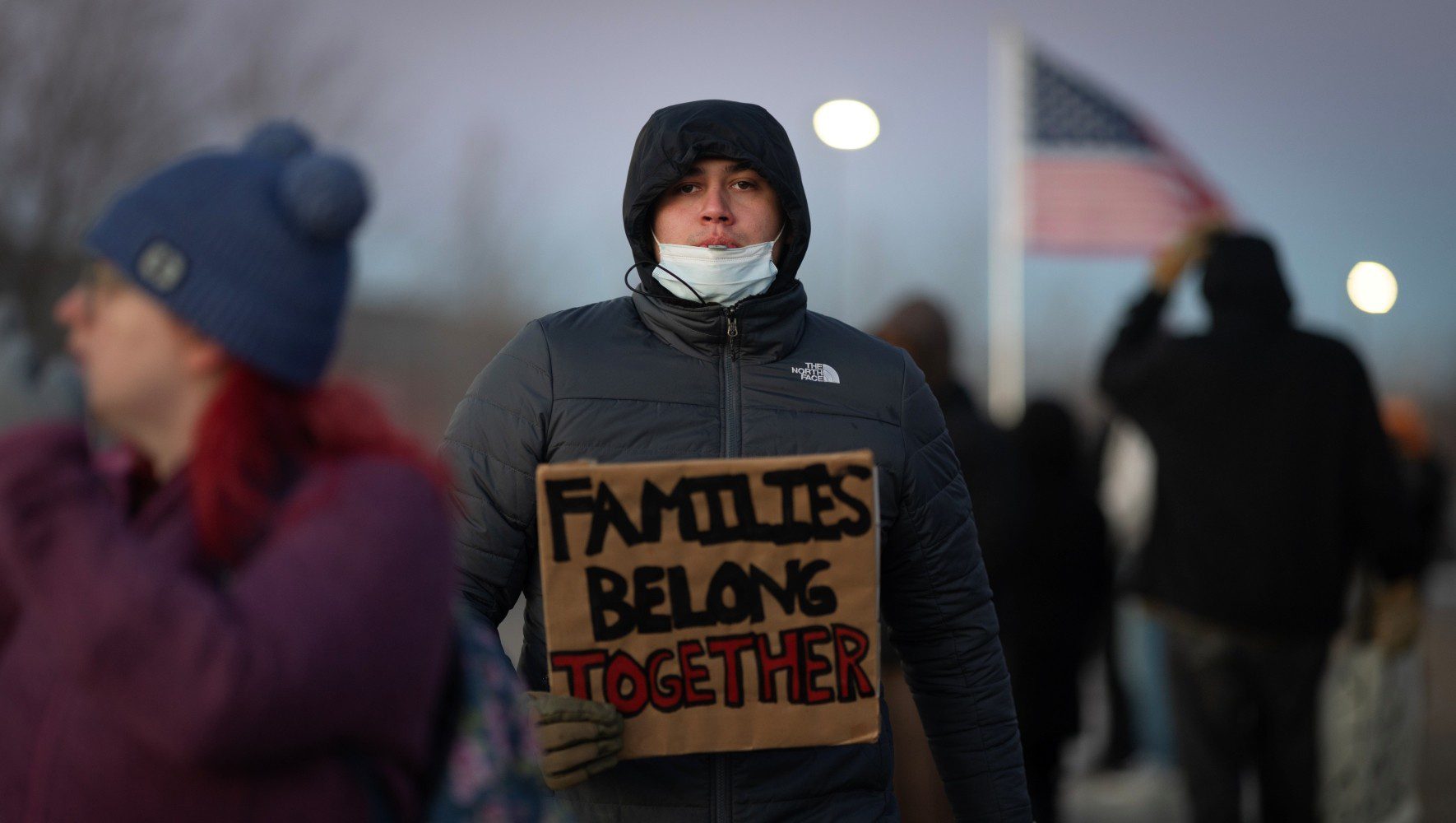
HIAS’s Pro Bono Network (Nationwide): Recognizing the vast need for legal assistance across the country, HIAS has cultivated a robust Pro Bono network. This network mobilizes volunteer attorneys who dedicate their expertise to representing refugees, asylum seekers, and other displaced individuals navigating complex legal challenges. The impact of this network is substantial; in FY2025, pro bono partners contributed over 18,000 hours of legal services, a contribution valued at $18.6 million. This signifies a profound commitment from the legal community to uphold the rights and dignity of those seeking refuge.
Fostering Long-Term Integration: Mental Health, Family Wellness, and Community Support
Resettlement extends far beyond immediate survival; it encompasses the crucial process of long-term integration and the cultivation of mental well-being. Many newcomers arrive in the U.S. bearing the scars of trauma and subsequently face new stressors, including isolation, pervasive uncertainty, experiences of discrimination, and ongoing fear. HIAS is deeply committed to supporting this long-term integration and the mental health of refugees and asylum seekers through its Preferred Communities program. This program provides essential technical guidance and oversight to its resettlement partners across the nation.
The support offered through this program includes:
- Trauma-Informed Care: Integrating principles of trauma-informed care into all aspects of resettlement services, recognizing the pervasive impact of past experiences.
- Mental Health Support and Therapy: Connecting individuals and families with culturally competent mental health professionals for counseling and therapeutic interventions.
- Resilience Building Workshops: Facilitating workshops that equip individuals with coping mechanisms and strategies for building resilience in the face of adversity.
- Safety Planning: Developing individualized safety plans to address potential threats and ensure the well-being of vulnerable individuals and families.
- Community Partnerships: Collaborating with local mental health providers, community organizations, and faith-based groups to create a comprehensive support network.
In Fiscal Year 2025, the HIAS resettlement network provided intensive case management to 1,093 clients. Additionally, over 2,600 clients received direct cash assistance, which was vital for addressing urgent needs such as housing, food, medical care, and transportation. HIAS also extends wraparound social services to legal clients in the greater New York City and Washington D.C. metropolitan areas. These services encompass case management, therapeutic support, volunteer assistance, and guidance in navigating benefits systems. In 2025, these social services supported 182 clients who presented increasingly complex needs, including the expansion of resilience workshops, enhanced safety planning, and the development of new partnerships to address the rising levels of fear and instability experienced by those seeking refuge.
Getting Involved and Supporting HIAS’s Mission
HIAS’s work within the United States is comprehensive and deeply rooted in a commitment to refugee resettlement, housing solutions, legal advocacy, employment empowerment, integration support, and the fostering of welcoming communities. Every aspect of its programming is underpinned by a trauma-informed, client-centered approach. As the external environment continues to evolve, HIAS remains agile and adaptive, consistently developing new resources, innovative models, and strategic partnerships to ensure the safety and well-being of displaced individuals. Those interested in contributing to this vital mission and supporting the ongoing efforts to aid refugees and displaced people in rebuilding their lives are encouraged to visit hias.org/take-action to learn more about how they can get involved.