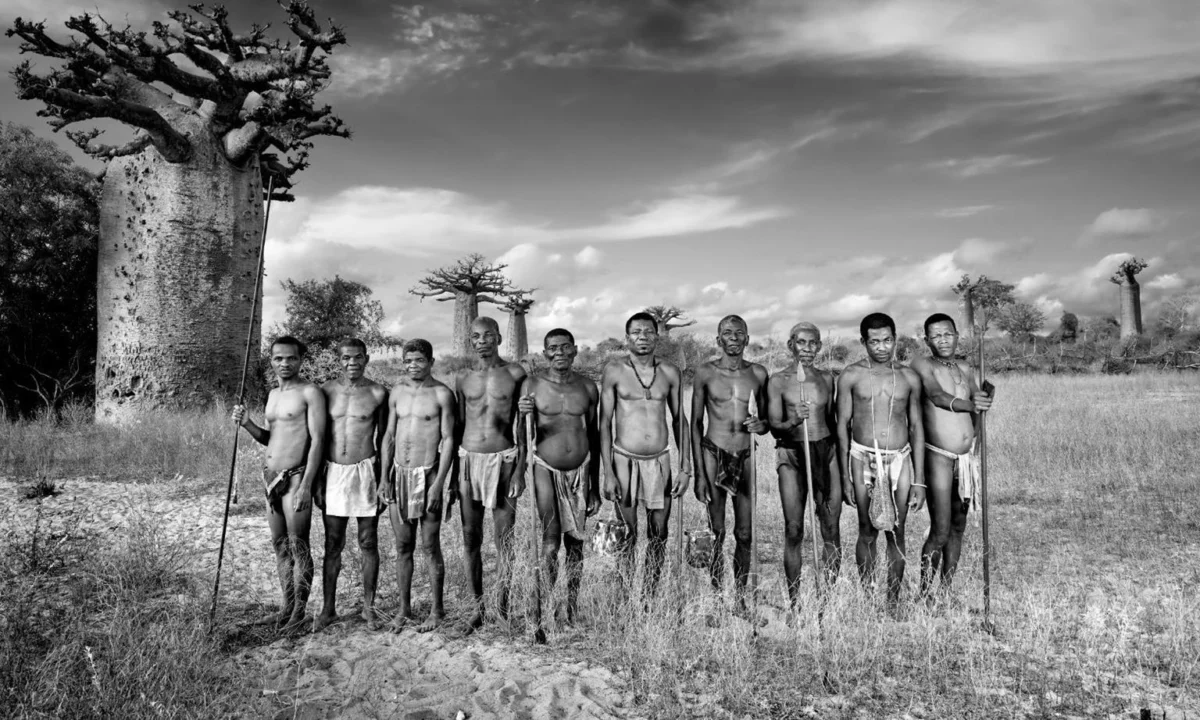
March 21st marks the International Day of Forests, a global observance dedicated to acknowledging the profound importance of these vital ecosystems. This year, the focus on forests extends beyond their ecological functions to highlight the intrinsic link between human cultures, identities, and the natural world. In the southwest of Madagascar, the Mikea people embody this connection, their lives and very existence interwoven with the unique dry forests they call home. Their story, as shared through the perspectives of community members like Tsivahora, a young leader and knowledge keeper, reveals a profound interdependence and a stark warning about the escalating pressures threatening both the forest and its indigenous stewards.
The Intricate Tapestry of Mikea Life and Forest Interdependence
The Mikea inhabit a transitional zone between the towns of Morombe and Toliara, a landscape characterized by a mosaic of dry forest ecosystems. These environments vary significantly, from open savannas dotted with sparse trees and arid soil to denser, more verdant pockets that offer cooler microclimates. Life here is undeniably challenging, shaped by the rhythms of a demanding environment, yet it is also imbued with a deep reservoir of knowledge passed down through generations. For the Mikea, the forest is not a passive backdrop but an active participant in their daily lives.
Their sustenance is directly derived from the forest’s bounty. They expertly gather edible roots and tubers, their knowledge of which species are safe and nutritious honed over centuries. Wild honey is a prized resource, collected with practiced skill. Hunting small game provides protein, a practice conducted with a profound understanding of animal behavior and the need for minimal impact. This intimate relationship with the forest extends to water sourcing, a critical skill in an arid region, and the ability to move silently and unobtrusively through the dense vegetation. Children learn these essential survival skills not through formal instruction, but through immersive experience, following their elders, observing keenly, and learning from both success and failure.
Tsivahora, interviewed through the intermediary of Mrs. Manou Emmanuelle, articulates this fundamental connection with poignant clarity: "Being Mikea is not just about belonging to a group. It is about our connection with the forest. We live with it, through it, and for it." This statement underscores a worldview where the forest is not an external entity to be exploited, but an integral part of their being. For the Mikea, the forest serves as their home, their marketplace for foraging, their pharmacy for medicinal plants, and their classroom for life’s most essential lessons. Every rustle of leaves, every discernable animal track, every ancient tree holds layers of meaning and significance within their cultural framework.
A Legacy of Sustainable Practices and Knowledge Transmission
Within the Mikea community, a sophisticated system of roles and responsibilities ensures the continuity of their culture and the sustainable management of their environment. Tsivahora, in his multifaceted identity as a husband, father, guide, and guardian of knowledge, exemplifies this. His primary role as a knowledge transmitter involves educating younger generations in the ancestral wisdom passed down to him. This includes the critical skills of locating water sources, identifying medicinal and edible plants, and hunting techniques that prioritize conservation and avoid ecological damage.
This vital intergenerational transfer of knowledge is not merely about survival skills; it is about perpetuating a cultural ethos of respect for nature. The Mikea adhere to a strict set of traditional rules, known as fady (sacred rules), which guide their interactions with the forest. These principles include taking only what is needed, ensuring the regeneration of plant life by protecting root systems, and allowing natural processes to unfold without undue interference. The concept of allowing nature time to replenish itself is a cornerstone of their sustainable practices, alongside the reverence for sacred sites within the forest, which hold spiritual and cultural importance. These are not recent environmentalist ideals, but deeply ingrained tenets of their long-standing way of life, reflecting a sophisticated understanding of ecological balance that predates modern conservation science.
The Forest as the Embodiment of Mikea Identity
The profound connection between the Mikea and their forest extends beyond mere physical proximity; it is a fundamental aspect of their identity. The very word "Mikea" is not solely a designation for the people but is also intrinsically linked to the forest itself. This linguistic duality signifies a shared history, a reservoir of ancestral stories, and a shared destiny. The forest is the repository of their collective memory, the stage upon which their past, present, and future unfold. Families are born, raised, and live their lives within its embrace, drawing sustenance, medicine, shelter, and a profound sense of purpose from its existence.
Tsivahora’s observation, "We do not live next to the forest. We live with it," encapsulates this profound integration. It represents a worldview that stands in stark contrast to anthropocentric models that seek to dominate and control nature. Instead, the Mikea practice a philosophy of coexistence, characterized by deep respect and a commitment to protection. This perspective offers a valuable alternative model for humanity’s relationship with the natural world, one that emphasizes harmony and mutual dependence.
Escalating Threats to a Fragile Ecosystem and Culture
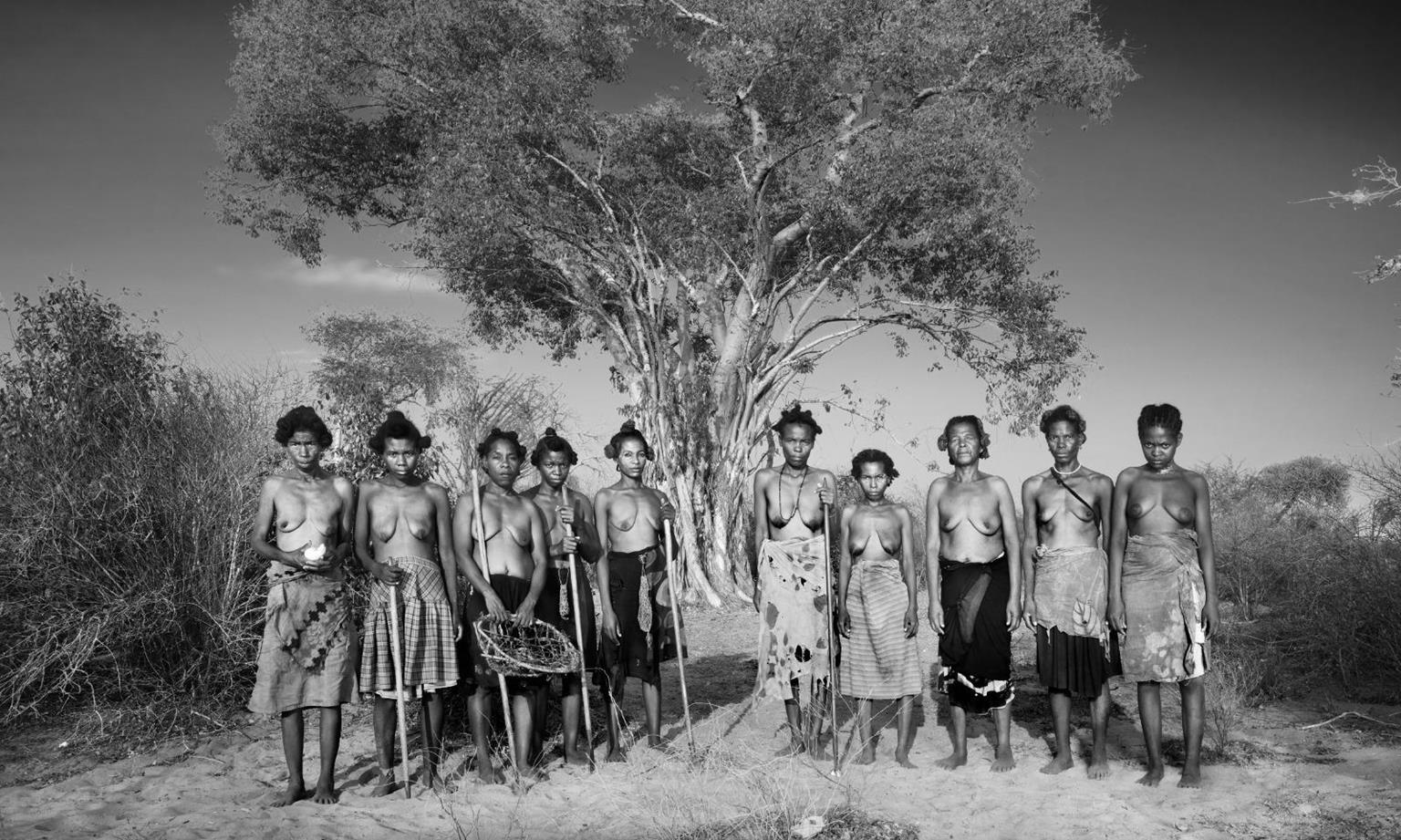
Despite their deep-rooted connection and commitment to conservation, the Mikea’s forest is facing unprecedented and escalating threats. Deforestation, driven by agricultural expansion, charcoal production, and logging, is rapidly encroaching on their ancestral lands. Bushfires, often exacerbated by dry conditions and human activity, devastate vast swathes of the ecosystem. Illegal exploitation of forest resources further depletes biodiversity and damages the delicate ecological balance. These external pressures are not only environmental concerns but also pose an existential threat to the Mikea’s cultural survival.
The loss of the forest, for the Mikea, is synonymous with the erosion of their identity. As Tsivahora poignantly states, "Losing the forest means losing our identity." This sentiment highlights the interconnectedness of environmental degradation and cultural disintegration. The challenges are multifaceted and growing, impacting both the natural landscape and the human communities that are inextricably bound to it.
Community Resilience and Emerging Solutions
In the face of these formidable challenges, the Mikea people are demonstrating remarkable resilience, drawing upon their traditional knowledge and adapting to new realities. They continue to uphold their sacred rules (fady) and transmit their oral traditions, fostering a collective consciousness of stewardship. Their vigilance over their territory, a shared responsibility, acts as a natural defense mechanism against further encroachment.
Furthermore, the Mikea are actively exploring and embracing new approaches to safeguard their heritage and their environment. They are engaging with the concept of community-based tourism, a model that seeks to empower local communities and ensure that their cultural practices and natural heritage are valued and protected. This form of tourism, when implemented respectfully and ethically, can provide economic benefits that reduce reliance on unsustainable resource extraction. Simultaneously, the Mikea are increasingly communicating with local and national authorities, advocating for their rights and ensuring their voices are heard in decision-making processes that affect their land and lives. These efforts underscore a dynamic approach to conservation that recognizes the invaluable contribution of indigenous knowledge alongside modern strategies.
A Global Call to Action: Echoes from the Forest
As the International Day of Forests draws global attention, Tsivahora offers a profound and urgent message to the world: "The forest is not empty. It is alive. It has memory and a soul." This perspective challenges a purely utilitarian view of forests, urging a recognition of their inherent value and the complex systems they support. He also dispels the notion that their way of life is antiquated, stating, "We are not behind. We have chosen another way of living, in balance with nature." This declaration highlights a conscious choice to prioritize sustainable coexistence over unchecked development.
The Mikea’s ancestral proverb, "Tsy velo ny Mikea raha tsy misy ala, tsy velo ny ala raha tsy misy Mikea," which translates to "The Mikea people do not live if there is no forest, and the forest does not live without the Mikea," serves as a powerful testament to their symbiotic relationship. It encapsulates the idea that the fate of the people and the forest are inextricably linked.
The Enduring Significance of Forests in the 21st Century
The story of the Mikea people serves as a potent reminder of why forests are indispensable in the 21st century. They are far more than mere collections of trees or sources of timber; they are dynamic, living systems intrinsically connected to human cultures, identities, and well-being. Forests are vital for supporting biodiversity, regulating climate, and providing essential resources for millions of people. Crucially, they are home to indigenous communities like the Mikea, whose ancestral knowledge and time-tested traditions are indispensable for effective forest conservation.
The growing recognition of the importance of listening to and collaborating with Indigenous communities is a critical step forward. These communities are not obstacles to progress but are integral to the solution. Their enduring ways of life demonstrate that a harmonious existence with nature is not only possible but essential for the long-term health of the planet and its inhabitants. Protecting forests today is therefore a multifaceted endeavor: it involves safeguarding invaluable cultural heritage, preserving profound ancestral knowledge, and ensuring a sustainable future for generations to come, both human and non-human.
All pictures provided by Mrs. Manou Emmanuelle and credited to Thierry Cron.